Affenpinscher Health Problems: What Owners Should Know
Affenpinschers can be prone to breathing trouble linked to the short muzzle, patellar luxation, Legg-Calve-Perthes disease, eye injuries and eye disease, crowded teeth and gum disease, windpipe weakness, heart murmurs and thyroid trouble. Any limp, squint, cough or breathing change deserves a veterinary exam rather than watchful waiting at home.
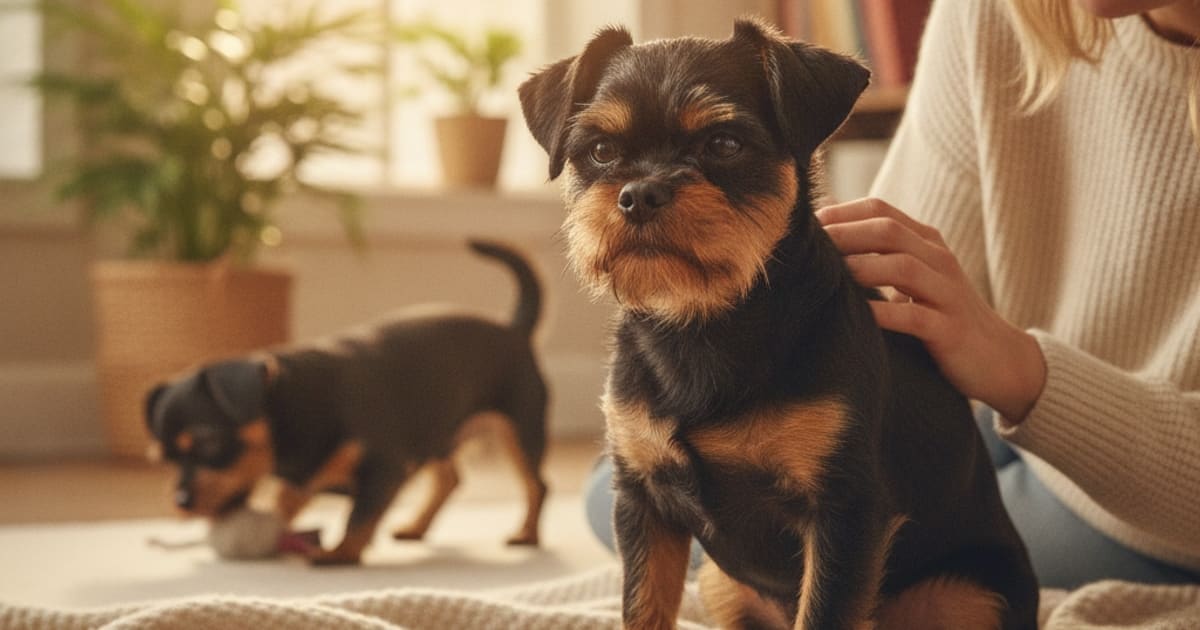
Affenpinschers are sturdy, sharp little dogs, and the health concerns the breed is known to be prone to cluster around its build: a short muzzle and the breathing and heat problems that can come with it, small knees and hips, forward-set eyes, a crowded jaw, a narrow windpipe, and heart and thyroid conditions seen across many toy breeds. If your dog is struggling to breathe, has pale, blue or grey gums, has collapsed, is squinting or pawing at an eye, or is suddenly unable to put weight on a leg, call your vet or an emergency clinic straight away rather than waiting to see what happens.
This page describes the problems an affenpinscher owner may run into and the signs that go with them. It is not a way to diagnose your own dog. Signs overlap heavily between conditions, and only an exam, and often imaging or bloodwork, can separate them. No list of breed health problems replaces a hands-on veterinary examination, because the same limp, cough or squint can point to several very different causes.
Breathing, the flat face and heat sensitivity
The affenpinscher has a shortened muzzle, which means the soft tissue inside the nose and throat is packed into less space than it would be in a long-nosed dog. In some dogs that tissue narrows the airway. Signs an owner may notice include snorting, snoring, noisy or rattly breathing at rest, gagging or retching after excitement, tiring quickly on a walk, sleeping with the neck stretched out or the head propped up, and reaching for cool floors.
Heat and humidity put extra load on a narrowed airway, because panting is how a dog sheds heat and a dog that cannot move air well cannot cool well. Exercise in the hottest part of the day, a warm car, or a stuffy room can tip a flat-faced dog into real distress. Laboured breathing, loud gasping, a bright red or dark tongue, blue or grey gums, staggering, or collapse are emergencies: go to an emergency vet now.
A harness rather than a neck collar takes pressure off the throat and windpipe. Keeping an affenpinscher lean matters too, because extra weight crowds the chest and makes every breath more work. Your vet can examine the nostrils, palate and larynx, grade how much the airway is narrowed, and discuss whether corrective airway surgery is worth considering. That decision belongs with the vet who has examined your dog.
Knees, hips and limping
Two joint problems turn up in small breeds like this one. Patellar luxation is a kneecap that slips out of its groove. The classic sign is a skipping step: the dog hops for a stride or two with a back leg held up, then drops it and carries on as if nothing happened. Some dogs yelp, some stretch the leg backwards to pop the kneecap back into place, and some simply stop jumping onto furniture.
Legg-Calve-Perthes disease affects the top of the thigh bone where it meets the hip. The blood supply to that bone is disrupted and the bone changes shape. What an owner sees is a limp on one back leg that builds rather than appearing all at once, pain or resistance when the hip is moved, thinning muscle on one thigh compared with the other, and irritability when the hind end is handled. Hip dysplasia, where the hip joint fits loosely, can also occur.
All three are picked up through a physical exam and x-rays. Vets grade kneecap looseness by how easily the kneecap moves and whether it returns on its own. Management ranges from weight control and controlled exercise through to orthopaedic surgery, and results vary from dog to dog. Call your vet if a limp lasts more than a day or two, if it keeps coming back, if your dog cries out, or if a leg is not taking weight at all.
Eyes, teeth and a crowded little face
Affenpinscher eyes sit forward in shallow sockets, which leaves the cornea more exposed to scratches from branches, carpet, grass seeds and rough play. A corneal ulcer can develop quickly and is painful. Watch for squinting, holding one eye closed, excess tearing, rubbing the face on furniture, redness, cloudiness, a visible film across the surface, or sensitivity to light. Eye problems can change fast, so treat a sore or cloudy eye as a same-day call to your vet.
The breed can also be affected by dry eye, where tear production drops and the surface becomes dull and sticky, by cataracts, which show up as cloudiness deep in the eye, and by retinal disease, where the first thing an owner notices is hesitation in dim light or bumping into things in unfamiliar rooms. A vet can measure tear production, stain the cornea to find scratches, and refer to a veterinary ophthalmologist when a closer look is needed.
The same short jaw that shapes the face leaves little room for a full set of teeth. Teeth can crowd, rotate or come in at odd angles, and crowded teeth trap food and plaque. An undershot bite is part of the breed's build. Signs of dental trouble include bad breath, chewing on one side, dropping food, drooling, bleeding or receding gums, loose teeth, pawing at the mouth, and swelling on the face below an eye. Ask your vet to check the mouth at every exam and to set out a home dental care plan suited to a small, crowded jaw.
Heart, windpipe, thyroid and skin
Heart murmurs turn up in this breed both as a congenital finding in young dogs and as a valve problem that develops later. A murmur itself is a sound, not a diagnosis, and your vet can tell you whether a given murmur needs imaging. The signs worth acting on are a cough that will not clear, faster or heavier breathing while resting or sleeping, tiring on walks the dog used to manage easily, a swollen belly, fainting, or gums that look pale or dusky. Those warrant a prompt call.
Tracheal collapse affects the windpipe, which can weaken and flatten in toy breeds. The sign owners describe is a dry, honking cough, set off by excitement, pulling on a lead, drinking, or pressure across the throat. A harness helps reduce that pressure. A vet will want to rule out heart disease and airway disease before settling on a cause, since the signs overlap.
Hypothyroidism is a hormone problem that can show up as a dull or thinning coat, flaky skin, hair loss along the flanks or tail, weight gain without any change in what the dog eats, low energy, and seeking out warm spots. Bloodwork is how it is sorted out. The breed can also be affected by itchy skin and allergies, with scratching, licking at paws, recurring ear trouble and red skin in the armpits and groin. Umbilical hernias and retained testicles are seen in small breeds and are usually picked up at a puppy exam.
Some short-faced, dome-headed breeds can develop neurological signs linked to the shape of the skull and the flow of fluid around the brain and spinal cord. Persistent scratching toward the neck or shoulder without actually touching the skin, yelping when picked up, head or neck sensitivity, or wobbliness are reasons to ask your vet about a neurological workup.
Warning signs at a glance, and what to ask a breeder
Use this as a prompt for what to mention at your next appointment, not as a diagnosis. You can also read a broader overview of canine conditions for background on how these problems are assessed.
| Area | What you might notice | When to contact the vet |
|---|---|---|
| Airway and breathing | Snorting, noisy breathing at rest, gagging, tiring fast, heat intolerance | Same day for new noisy breathing; emergency for blue or grey gums, gasping or collapse |
| Knees and hips | Skipping steps, holding a back leg up, limping, refusing to jump | If a limp lasts more than a day or two, keeps returning, or the leg bears no weight |
| Eyes | Squinting, tearing, rubbing the face, cloudiness, bumping into things | Same day for a painful, red or cloudy eye |
| Mouth | Bad breath, dropping food, bleeding gums, loose teeth, facial swelling | At the next exam, sooner for swelling, bleeding or pain |
| Heart and windpipe | Honking cough, heavier breathing at rest, fainting, swollen belly | Promptly for a persistent cough; emergency for fainting or breathing distress |
| Skin, coat and hormones | Thinning coat, flaky skin, weight gain, low energy, itching | Book an exam so bloodwork and skin testing can be considered |
If you are buying a puppy, ask the breeder what screening the parents have had. In general terms, that means formal evaluation of the hips and kneecaps, an eye examination by a veterinary ophthalmologist, a cardiac evaluation, and thyroid testing, with paperwork you can actually look at rather than a verbal assurance. Ask whether any dogs in the line have needed airway surgery, orthopaedic surgery or dental extractions. A breeder who screens openly will answer without hedging, and your own vet can look over the records with you.
Key Takeaways
- The affenpinscher's short muzzle can narrow the airway, which makes noisy breathing, exercise intolerance and heat sensitivity worth taking seriously.
- Patellar luxation and Legg-Calve-Perthes disease are joint problems to watch for; a skipping step or a limp on one back leg deserves an exam.
- Forward-set eyes are exposed to scratches, so a squinting, red or cloudy eye is a same-day veterinary call.
- A crowded small jaw means dental disease is a lifelong concern; have the mouth checked at every visit.
- Heart murmurs, tracheal collapse, hypothyroidism and itchy skin are all seen in the breed and are sorted out with an exam, imaging and bloodwork.
- Ask breeders about screening of the parents, and keep a record of anything you notice so your vet has a clear picture.
Your vet owns the diagnosis and the treatment plan. They are the one who can examine your dog, order the imaging or bloodwork that separates one cause from another, and decide what is right for this dog in front of them. Keep a short note of what you see at home, bring it to appointments, and talk to your vet before changing anything about how your affenpinscher is managed. Call your vet if a sign continues or if you notice anything new.
For a wider view of the symptoms that mean a trip to emergency care, see Dog Emergency Signs.
Frequently asked questions
- What health problems are affenpinschers prone to?
- The breed is known to be prone to airway problems linked to the short muzzle, patellar luxation, Legg-Calve-Perthes disease, hip dysplasia, corneal injuries and other eye disease, crowded teeth and gum disease, tracheal collapse, heart murmurs, hypothyroidism and itchy skin. A veterinary exam is how any of these are identified.
- Do affenpinschers have breathing problems?
- They can. A shortened muzzle leaves less room for the tissue inside the nose and throat, which can narrow the airway. Snorting, snoring, noisy breathing at rest, gagging after excitement and tiring quickly are signs to raise with your vet. Gasping, blue or grey gums or collapse is an emergency.
- Why is my affenpinscher skipping on a back leg?
- A skipping or hopping step, where the dog lifts a back leg for a stride or two and then carries on, can point to a kneecap slipping out of its groove. A limp that builds on one back leg can point to a hip problem. Both need a physical exam and x-rays, so book a veterinary appointment.
- Are affenpinscher eyes fragile?
- Their eyes sit forward in shallow sockets, so the surface is more exposed to scratches from grass, branches, carpet and play. Squinting, tearing, redness, cloudiness or rubbing the face can signal a painful corneal injury. Eye problems can change quickly, so treat a sore eye as a same-day call to your vet.
- Do affenpinschers have dental problems?
- A small, crowded jaw gives teeth little room, and crowded or rotated teeth trap plaque more easily. Bad breath, dropping food, chewing on one side, bleeding gums, loose teeth or facial swelling are signs of trouble. Ask your vet to check the mouth at every exam and to set out a home dental care plan.
- Why does my affenpinscher make a honking cough?
- A dry, honking cough triggered by excitement, drinking or pressure on the neck can be linked to weakness in the windpipe. Heart and airway disease can cause similar sounds, so a vet exam may help find the cause. A harness instead of a neck collar reduces pressure on the throat.
- Are affenpinschers sensitive to heat?
- Flat-faced dogs cool themselves less efficiently because panting depends on moving air freely. Warm, humid conditions, a hot car or exertion in the heat can overwhelm a narrowed airway. Heavy gasping, a dark red tongue, staggering or collapse means going to an emergency vet immediately.
- What health screening should an affenpinscher breeder have done on the parents?
- Ask in general terms about hip and kneecap evaluation, an eye examination by a veterinary ophthalmologist, a cardiac evaluation and thyroid testing, and ask to see the paperwork. Also ask whether dogs in the line have needed airway, orthopaedic or dental surgery. Your vet can review the records with you.
- When should I take my affenpinscher to the vet?
- Go straight to emergency care for breathing distress, blue or grey gums, collapse, fainting, seizures or a leg that bears no weight. Book a prompt appointment for a limp that lasts more than a day or two, a painful eye, a persistent cough, sudden coat or energy changes, or anything new that concerns you. Results vary from dog to dog, so talk to your vet rather than waiting.
Educational content, not veterinary advice. Ask your vet about your dog.