Anxiety in Puppies: Symptoms and When to See the Vet
Puppies can have anxiety, and it can show as trembling, hiding, crying, pacing or accidents indoors. Learn when to go to an emergency vet, what can cause anxiety in a puppy, what your vet may check and what to tell them.
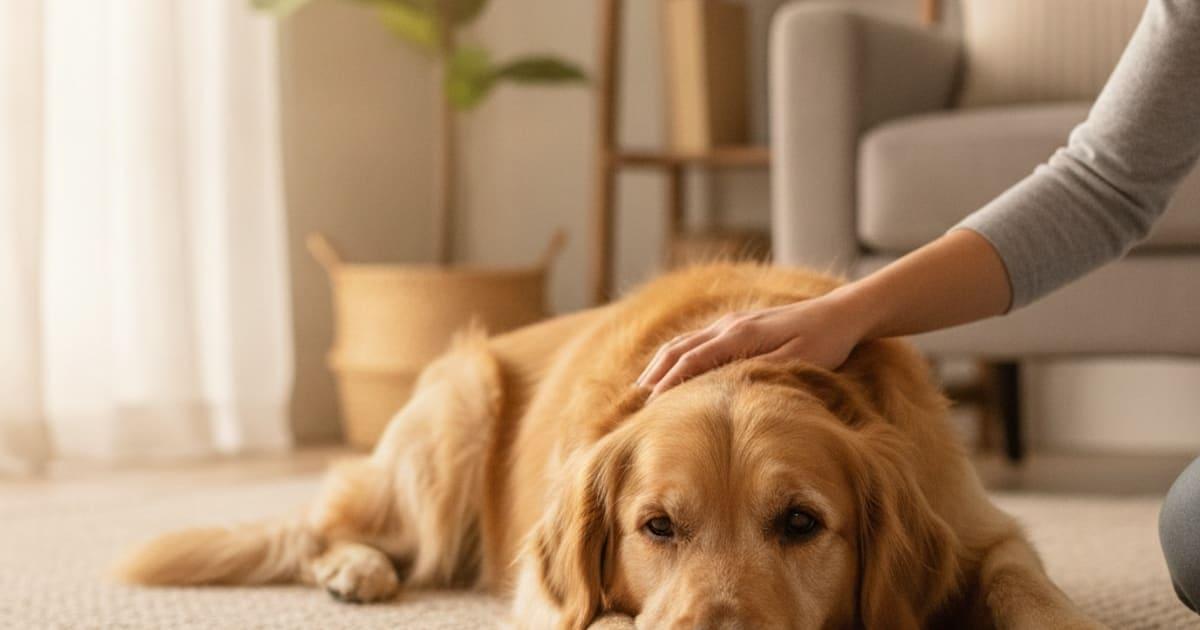
If your puppy trembles, hides, cries or pants in situations that should not frighten them, it may be anxiety, and anxiety is a reason to see your vet. Go to an emergency vet now if your puppy collapses, has a seizure, struggles to breathe or has bleeding that will not stop from an injury caused by chewing or trying to escape; otherwise book a same-day appointment. Shaking, hiding, pacing, crying and accidents indoors can all be anxiety in puppies symptoms, but pain and illness can look the same, so the vet check comes first. Puppies can have anxiety, and the signs can also include a tucked tail, flattened ears, yawning or lip licking when your puppy is not tired, a body held low, freezing in place, whining or howling when left alone, scratching or chewing at doors, drooling, turning away from food or snapping when touched. Anxiety in young dogs deserves a vet's attention for two reasons: the cause may be medical, and a puppy is still learning how to respond to people, places, sounds and handling, so the right help early on matters.
When to go to the vet now
Go to an emergency vet now if your puppy:
- Collapses, faints or cannot stand up
- Has a seizure or fit
- Has trouble breathing
- Has bleeding that will not stop from an injury caused by chewing, scratching or trying to escape
For any other sign of anxiety, book a same-day appointment with your vet. If your puppy swallowed something while chewing in a panic, call your vet or an animal poison control service now. You can read more about urgent signs in any dog in Dog Emergency Signs.
What can cause anxiety
Anxiety in a puppy can have more than one cause at the same time, and the signs on their own do not show which one is behind them. The possibilities below are things your vet considers and rules in or out with an exam, questions and tests. They are not a checklist to work through at home, and none of them is a reason to put off the same-day appointment.
Pain is one of the first things your vet looks for. A puppy that hurts can tremble, hide, cry, pant or snap when touched, and to you this can look exactly like fear. Possible sources include sore gums while adult teeth come through, an ear infection, a tummy ache, an injury from rough play or a fall, and problems in growing bones or joints. A puppy cannot point to where it hurts, so your vet feels and gently moves each part of the body to find a sore spot.
Itching and skin trouble can also leave a puppy restless and unable to settle, which can be mistaken for anxiety. Fleas, mites, skin infections and allergies are all possibilities your vet considers. Your vet checks the skin and coat closely and may take samples to look for parasites or infection.
Problems in the gut are another possibility. Worms and other gut parasites, a sudden change of food and gut infections can leave a puppy uncomfortable, and an uncomfortable puppy can seem anxious, clingy or still developing. A stool test is one way your vet looks into this.
Problems with hearing or sight can make a young dog startle and back away from things it cannot sense clearly. Your vet may check how your puppy responds to sound and movement and look closely at the eyes.
Some illnesses affect how a puppy behaves in a general way. Infections that cause a fever, low blood sugar in very small puppies, a problem with how blood flows through the liver, and other conditions present from birth can all change a puppy's mood, energy and reactions. Blood tests help your vet look into these.
Early life plays a part too. The time a puppy spent with its mother and littermates, and how much gentle contact it had with people, handling, household sounds and new places before coming home, can shape how it copes with new things. A puppy that met very little of the world early on can find a busy home, traffic, visitors or car rides overwhelming. Your vet may ask what you know about where your puppy came from and how it was raised.
Leaving the litter and then being left alone for the first time can be hard for a young dog, and distress about being apart from you is one possibility your vet asks about. Because pain, gut trouble and other illness can cause the same signs, your vet looks at all of these together rather than settling on one cause from what happens when you leave.
A frightening event can leave a puppy wary afterwards. Fireworks, thunder, a loud bang, a fall, being stepped on, a scuffle with another dog or a painful moment at an earlier visit can all play a part. Your vet may ask whether the anxiety began around a particular event, because the timing helps them build the right plan.
Changes at home can unsettle a young dog. Moving house, new people or pets, building work, a change in who is around during the day or a shift in routine can all add to a puppy's unease. Tension in the household can play a part as well, and you can read more about this in Can My Anxiety Cause My Dog Anxiety?.
Temperament passed down from the parents is another possibility. Some puppies are born more sensitive than others, and this can affect how strongly they react to new things. Puppies can also go through stretches of development when they react more strongly to things they took in their stride before. Your vet can talk you through what this means for your puppy and when a referral to a veterinary behaviourist may help.
Anxiety in older dogs has some causes in common with puppies and some that differ. If you share your home with an adult or older dog as well, you can read about them in Dog Anxiety Signs and Senior Dog Anxiety.
Because any of these causes can be at work, do not give your puppy anything for anxiety yourself. That includes human medicine, calming products and supplements. Some of these can harm a young dog, and they can hide signs your vet needs to see. If you are wondering what you can give your puppy for anxiety, talk to your vet: if a medicine is needed, a medicine your vet prescribes is the one to use.
What your vet may do
Your vet starts with questions about your puppy's history: where your puppy came from, when the signs began, when and where they happen, what your puppy eats, whether vaccines and parasite treatment are up to date, and anything that changed at home around the time you first noticed them. Your answers help your vet decide which checks and tests come first, which is why the information you bring matters.
Next comes a full physical exam. Your vet listens to the heart and lungs, takes your puppy's temperature, weighs them and looks at the eyes, ears, mouth, teeth, gums, skin and coat. They feel the belly and move the legs, joints and back to look for a sore spot. They also look at how your puppy moves, stands and reacts to sound and touch. Some anxious puppies need a quiet room, extra time or a slow, gentle approach before they can be examined properly, and your vet may split the exam into short steps.
Depending on what the exam shows, your vet may suggest tests. A stool test can look for worms and other gut parasites. Skin scrapes, tape samples or hair samples can look for mites, fleas and skin infection. A look inside the ears with a lit scope can check for infection or something stuck in the ear canal. Blood tests can check blood cell counts, blood sugar, liver and kidney function and other markers, and a urine test may be added if there are accidents indoors or changes in drinking. If your vet finds a sore spot in a bone or joint, X-rays may be suggested. Some puppies need light sedation for a proper look at a painful area or for some tests, and your vet explains why before anything is done. If no medical cause is found, that is useful information too, because it points the plan toward behaviour support.
Your vet will also want to understand the behaviour itself. Seeing your puppy in the clinic shows only part of the picture, because a puppy can act very differently away from home. Your description of what happens, when it happens and what comes just before it helps your vet fill in the rest.
Once a medical cause has been looked for, your vet builds a plan. If an illness or source of pain is found, treating it comes first, and your vet may want to see how your puppy's behaviour changes as that treatment goes on. If anxiety itself is the main problem, the plan may include a referral to a veterinary behaviourist, a training plan built around your puppy, advice on routine and on meeting new people, places and sounds at a pace your puppy can manage, and, in some cases, a medicine your vet prescribes. Your vet may also explain why scolding or punishing an anxious puppy can add to its fear, and how to respond instead.
If you are asking how to stop anxiety in puppies, the answer starts here: find and treat any medical cause, then follow the plan your vet and, where needed, a veterinary behaviourist set out for your puppy. Help with anxiety for puppies works best when everyone involved follows the same plan. Never start, stop or change anything in that plan without talking to your veterinarian, and call your vet again if the signs change, get stronger or new signs appear.
Your vet can also make sure that any plan for puppy classes or meeting other dogs fits around the vaccines your puppy still needs. You can find more about health problems that can affect behaviour in the conditions library.
What to tell your vet
- When you first noticed the anxiety, and whether it began after a move, a frightening event or another change at home
- When and where it happens, such as when left alone, with visitors, in the car, with loud noises, during handling or at mealtimes
- Any change since you first noticed it, including new signs, stronger reactions or reactions in more situations
- Any bleeding, broken teeth, torn nails or sore spots from chewing, scratching or trying to get out
- Any licking or chewing at the paws, legs or body, and any scratching
- Other signs, such as vomiting, diarrhoea, eating less, drinking more, accidents indoors, coughing, limping or sleeping more
- Where your puppy came from, what you know about the parents and early life, and what your puppy eats
- Anything you have already given or tried, including any medicine, supplement or calming product
If you can, bring a short phone video of the behaviour along with these notes, so your vet sees what happens at home as well as what happens in the clinic.
Frequently asked questions
- Is anxiety an emergency in dogs?
- Anxiety becomes an emergency if your puppy collapses, has a seizure, struggles to breathe or has bleeding that will not stop from an injury caused by chewing or trying to escape. Go to an emergency vet now for any of those. For any other sign of anxiety, book a same-day appointment so a medical cause can be checked.
- What should I do if my dog has anxiety?
- Call your vet today and book a same-day appointment. Tell them what you have seen, when it started and when it happens, and whether your puppy is eating, drinking and toileting as before. If your puppy collapses, has a seizure, struggles to breathe or has bleeding that will not stop, go to an emergency vet now.
- Can I treat anxiety at home?
- No, because anxiety signs can also come from pain or illness, which your vet needs to check. Do not give any medicine, supplement or calming product, do not put anything on a sore and do not remove anything before the vet sees your puppy. For bleeding, use gentle pressure with a clean cloth on the way to the vet only.
- Does my puppy have anxiety?
- Your puppy may have anxiety if they tremble, hide, cry, pant, pace, chew or have toileting accidents in situations that should not frighten them, such as being left alone, meeting visitors or hearing household noise. Pain and illness can cause the same signs, so book a same-day vet appointment and let your vet look for the cause.
- What causes anxiety in puppies?
- Anxiety in a puppy can come from leaving the litter, moving to a new home, limited contact with new people and places early in life, a frightening event, changes in routine or inherited temperament. Pain, itching, tummy trouble, parasites or problems with hearing or sight can also play a part, which is why your vet checks for them.
- Do puppies have anxiety?
- Yes, puppies can have anxiety, because they meet a lot of new sounds, people, places and routines at once, and some puppies react with fear that lasts beyond the moment. A puppy that seems anxious can also be in pain or unwell, so book a same-day vet appointment to have the cause checked.
- How do I stop anxiety in my puppy?
- Start with a same-day vet visit, because pain or illness has to be ruled out before anything else. Your vet can then build a plan, which may include a referral to a veterinary behaviourist, a training plan to follow and, where needed, a medicine your vet prescribes. Do not give anything for anxiety unless your vet prescribes it.
- What does anxiety in puppies look like?
- Anxiety in a puppy can look like trembling, tucking the tail, flattening the ears, yawning or lip licking, hiding, panting, pacing, crying or howling, chewing or scratching at doors, toileting accidents or refusing food. These signs can also come from pain or illness, so book a same-day appointment and tell your vet when they happen.
- Can my own stress make my puppy anxious?
- Your puppy can pick up on tension in the home, and a household that feels rushed or loud can add to a puppy's unease. Talk to your vet about what you have noticed, and book a same-day appointment so your puppy's signs are checked for pain or illness rather than put down to stress alone.
- Should I see a vet or a trainer about my puppy's anxiety?
- See your vet first, because anxiety signs can come from pain, itching, tummy trouble or other illness that a trainer cannot check for. Once your vet has examined your puppy, they can tell you whether a trainer or a veterinary behaviourist should be part of the plan and how that fits with any treatment they prescribe.
Educational content, not veterinary advice. Ask your vet about your dog.