Can Dogs Eat Biscuits? Human Biscuits vs Dog Biscuits
Plain baked biscuits are not toxic to dogs, though sugar, butter, salt and add-ins like chocolate, raisins or xylitol make them a poor choice. Raw canned biscuit dough is different and can become an emergency, so call your vet or an animal poison control service right away.
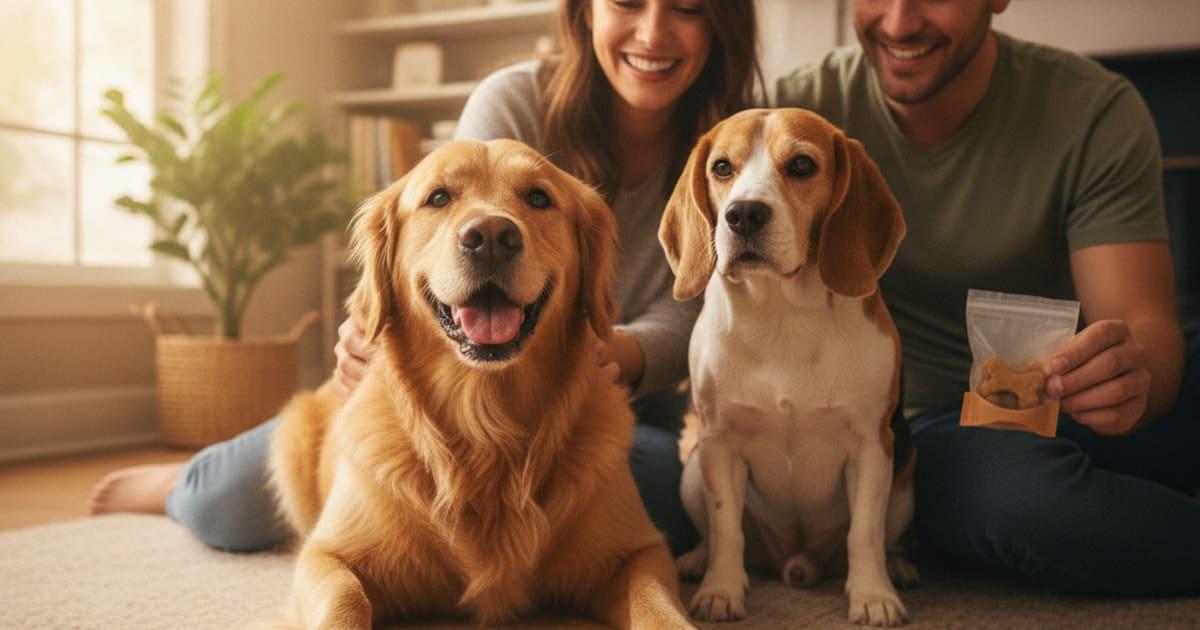
If your dog has eaten raw canned biscuit dough, call your vet or an animal poison control service now, before anything else, because uncooked yeast dough can keep rising inside a warm stomach and the alcohol it produces passes into the bloodstream. For baked biscuits the picture is calmer. A plain baked biscuit, whether that means a hard dog biscuit, a sweet biscuit from a packet, or a soft bread-style biscuit, is not toxic to dogs. What makes biscuits a problem is everything that comes baked into them: sugar, butter and other fats, salt, and the add-ins that are genuinely poisonous to dogs, including chocolate, raisins, sultanas and currants, macadamia nuts, and the sweetener xylitol, sometimes labelled birch sugar. If the biscuit your dog ate contained any of those, call your vet or an animal poison control service straight away rather than watching and waiting.
The confusion behind this question is linguistic as much as nutritional. Three very different foods answer to the name biscuit, and only one of them turns into an emergency.
One word, three different foods
Dog biscuits are hard, dry, baked snacks made for dogs. They are built from flour, water, fats and flavourings, and they are formulated to be chewable rather than nutritionally complete. They are not a meal and they are not a vitamin.
Sweet biscuits, which is what the word means in British and Commonwealth kitchens and what an American shopper would call a cookie, are a confection: refined flour, sugar, butter or palm fat, sometimes chocolate, dried fruit, nuts, coffee, spices or sugar-free sweeteners. These are the ones where the ingredient list matters most.
Bread-style biscuits, the soft, flaky, split-and-butter kind sold in refrigerated cans of dough, are the third meaning. Baked, they are plain starch and fat. Raw, straight from the can or the mixing bowl, they belong in a different category entirely.
And yes, dogs eat biscuits enthusiastically given any chance at all. A biscuit is warm, fatty, salty and easy to chew, which is precisely why counter surfing, handbag raiding and packet stealing are such ordinary parts of living with a dog. Wanting something is not a signal that a dog should have it.
Raw canned biscuit dough is the urgent one
Uncooked yeast dough behaves like an active ingredient once it is swallowed. A dog's stomach is warm and moist, which is exactly the environment yeast needs, so the dough can continue to rise after it has been eaten. An expanding mass inside the stomach can stretch the stomach wall, press on the diaphragm and interfere with blood flow, and that pressure can build without much warning on the outside.
At the same time, the yeast ferments the sugars in the dough and produces ethanol, which is absorbed through the stomach lining. That is alcohol toxicity, not simple indigestion. The signs can include unsteadiness or wobbling, disorientation, vomiting or unproductive retching, a visibly swollen or painful belly, drooling, slow or laboured breathing, weakness and a drop in body temperature.
Raw yeast dough is the one form of biscuit that can turn into an emergency hours after it was eaten, so call your vet or an animal poison control service immediately rather than waiting to see how your dog looks later. Services such as the ASPCA Animal Poison Control Center and the Pet Poison Helpline exist for exactly this call. Do not try to manage it at home and do not delay because your dog seems bright at the moment.
Scratch dough raised with baking powder rather than yeast does not ferment in the same way, but it is still raw flour and fat sitting in a stomach, and a large amount of it still warrants a call. Baked biscuits from the same can are a different question, covered below.
What is actually inside a human biscuit
For baked biscuits, risk lives in the ingredient panel, not in the word biscuit.
Sugar and fat are the headline. Rich, fatty food can trigger gastrointestinal upset, and in some dogs a sudden load of fat is linked to pancreatitis, which is painful and needs veterinary treatment. Signs that point that way include repeated vomiting, a hunched posture, a tender abdomen, lethargy and refusal of food.
Salt is the next concern, particularly in savoury bread-style biscuits and crackers. Butter, margarine and palm fat add nothing a dog needs. Refined flour is not poisonous, though dogs with wheat or grain sensitivities can react with itching, ear trouble or loose stools.
Then there are the ingredients that change the conversation completely. Chocolate contains theobromine. Raisins, sultanas and currants are associated with kidney injury in dogs and there is no reliable way to judge a harmless amount. Macadamia nuts cause weakness and tremors. Xylitol, found in sugar-free and diabetic-friendly biscuits and sometimes listed as birch sugar, causes a rapid drop in blood sugar in dogs. Coffee, espresso and some nutmeg-heavy spiced biscuits also belong on the do-not list. If any of these were in the biscuit, call your vet or an animal poison control service now.
Foil wrappers, plastic film and cardboard sleeves matter too. Dogs that swallow a packet whole have swallowed the packaging as well, which can cause an obstruction.
| Type of biscuit | What it usually is | Main concern | If your dog has eaten some |
|---|---|---|---|
| Dog biscuit | Baked flour, fat, flavourings | Calorie load, hard texture, tooth fracture on very hard ones | Watch for vomiting, loose stools or a cracked tooth and call your vet if you see any |
| Sweet biscuit or cookie | Flour, sugar, butter, possible chocolate, dried fruit, nuts, xylitol | Toxic add-ins first, then sugar and fat | Check the wrapper for chocolate, raisins or xylitol and call your vet or animal poison control if present |
| Baked bread-style biscuit | Starch and fat, plain or buttered | Fat, salt, no nutritional value | Call your vet if vomiting will not settle or the belly looks swollen or painful |
| Raw canned or yeast dough | Uncooked, actively rising dough | Stomach expansion and alcohol produced by fermentation | Call your vet or an animal poison control service now, do not wait for signs |
Dog biscuits are not automatically the better answer
A biscuit made for dogs avoids the chocolate and the xylitol, which is a real advantage. It does not avoid everything else. Many are built on cheap flour and fat with flavouring and colour on top, and the ingredient panel is worth the same scrutiny you would give your own food. Short lists, named ingredients and no mystery sweeteners are what you are looking for.
Texture deserves a mention as well. Very hard baked biscuits and bone-shaped chews can crack a tooth, particularly in strong chewers, and a slab fracture of a carnassial tooth is a dental problem that needs treating, not something that works itself out. If your dog yelps on a chew, starts chewing on one side, drops food or paws at the mouth, book a dental check.
Size matters too. A biscuit swallowed whole by a dog who barely chewed it can lodge, and a large swallowed piece is a reason to be seen, not a reason to wait.
When a biscuit becomes a veterinary visit
Call your vet, or go to an emergency clinic if yours is closed, if you see any of the following after a dog has eaten biscuits or dough:
- Vomiting that will not settle, or repeated retching that produces nothing
- A belly that looks swollen, feels tight or is painful to touch
- A large piece swallowed whole, or packaging, foil or plastic eaten along with it
- Wobbliness, disorientation, tremors or unusual sleepiness
- Laboured or noisy breathing
- Refusing food, hunching, or crying when picked up
- Diarrhoea that continues or contains blood
The ingredient list is the other trigger. Chocolate, raisins, sultanas, currants, macadamia nuts or xylitol mean you call now, before signs appear. Keep the wrapper. Being able to read the ingredients out loud over the phone is genuinely useful.
Dogs for whom the answer is different
Some dogs cannot be lumped in with the general picture. A dog with diabetes, a history of pancreatitis, a diagnosed food allergy, kidney or liver disease, or a weight problem is in a different position with a sugary, fatty snack, and so is a dog on a prescription diet where every ingredient is there for a reason. If any of that describes your dog, talk to your vet about what belongs in their diet rather than working it out from a general article. Your vet can tell you how a biscuit fits, or does not fit, alongside the plan they have already set.
Puppies, small dogs and dogs who bolt their food without chewing carry more risk from texture and from swallowing something whole. Results vary from dog to dog, and the same biscuit that passes unnoticed in one dog causes a bad night in another.
Key Takeaways
- A plain baked biscuit is not toxic to dogs, but it is refined flour, sugar, fat and salt, and none of that does a dog any good.
- Raw canned biscuit dough is the urgent scenario, because yeast dough can expand in the stomach and ferment into alcohol. Call your vet or an animal poison control service immediately.
- The add-ins decide the risk: chocolate, raisins, sultanas, currants, macadamia nuts and xylitol all mean calling for advice now.
- Vomiting that will not settle, a swollen or painful belly, or a large swallowed piece all mean your dog needs to be seen.
- Dog biscuits sidestep the toxic ingredients but still deserve a careful read of the label, and very hard ones can crack teeth.
- Diabetes, pancreatitis history, allergies and prescription diets change the answer entirely, so talk to your vet first.
Your veterinarian owns the diagnosis and the plan. They know your dog's history, what they already eat, and what a sudden change means for them, and they are the right first call whenever something has been eaten that should not have been. If you want a broader sense of which signs mean a dog should be seen urgently rather than in the morning, the guide to emergency signs in dogs covers them in order of priority.
Frequently asked questions
- Can dogs eat biscuits?
- A plain baked biscuit is not toxic to dogs, though it is refined flour, sugar, fat and salt with nothing a dog needs. The real risks are chocolate, raisins, macadamia nuts and xylitol baked into sweet biscuits, and raw yeast dough, which can become an emergency. Talk to your vet about your dog's diet.
- Are biscuits poisonous to dogs?
- Plain baked biscuits are not poisonous to dogs, but many sweet biscuits contain ingredients that are. Chocolate, raisins, sultanas, currants, macadamia nuts and the sweetener xylitol, sometimes listed as birch sugar, all require a call to your vet or an animal poison control service straight away.
- Is biscuit ok for dogs?
- A plain baked biscuit is not toxic, so a dog who stole one is not poisoned by the biscuit itself. It still delivers sugar, fat and salt with no nutritional return. Call your vet if you see vomiting that will not settle, a painful or swollen belly, or unusual sleepiness.
- Is biscuit safe for dogs?
- Not toxic is the accurate description for a plain baked biscuit, and safe is not a word that fits a food made of refined flour, sugar and fat. The ingredient list decides the risk. If chocolate, raisins or xylitol were in it, call your vet or an animal poison control service now.
- Can dogs eat human biscuits?
- Human biscuits are not formulated for dogs and the sweet varieties carry the highest risk, because chocolate, dried fruit, nuts, coffee and sugar-free sweeteners are all possible ingredients. Plain baked ones are not toxic but offer nothing useful. Check the wrapper, and if it lists any of those, call your vet immediately.
- Can dogs eat canned biscuits?
- Baked canned biscuits are not toxic, being mostly starch, fat and salt. Raw canned dough is the dangerous form, because yeast dough can keep rising in the stomach and ferment into alcohol. If your dog ate raw dough, call your vet or an animal poison control service now, even if they seem bright.
- What should I do if my dog ate raw biscuit dough?
- Call your vet or an animal poison control service immediately, before any signs appear, and tell them how much dough and how long ago. Do not attempt anything at home first. Raw yeast dough can expand in the stomach and produce alcohol, so this is handled as an emergency rather than watched.
- Are dog biscuits better than human biscuits for dogs?
- Dog biscuits avoid chocolate, raisins and xylitol, which is a meaningful advantage, but many are still flour and fat with flavouring. Read the ingredient panel and look for short, named ingredient lists. Very hard biscuits can crack teeth, so book a dental check if your dog yelps or starts chewing on one side.
Educational content, not veterinary advice. Ask your vet about your dog.