Can Dogs Eat Brownies or Brownie Batter?
Brownie batter is toxic to dogs. The chocolate in it contains theobromine and caffeine, which dogs clear slowly, and raw egg, raw flour, fat and sugar add more hazards. If your dog has eaten batter or a baked brownie, call your veterinarian or an animal poison control service now.
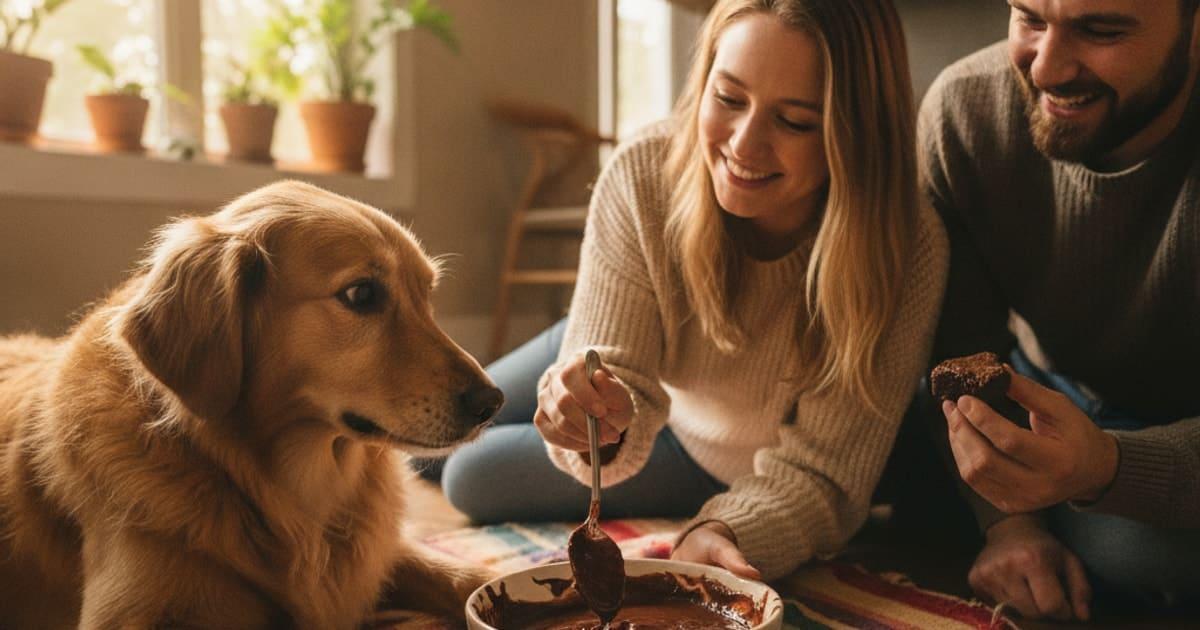
Brownie batter is toxic to dogs, and if your dog has licked the bowl, eaten raw batter or swallowed a baked brownie, call your veterinarian or an animal poison control service right now instead of waiting to see what happens. Chocolate is the reason. Cocoa powder and baking chocolate carry theobromine and caffeine, two stimulants that a dog's body clears much more slowly than a person's, and they act on the heart, the nervous system, the gut and the kidneys. Raw batter stacks more hazards on top of the chocolate: raw egg, raw flour, a heavy load of butter or oil, and sugar. Some mixes, frostings and lower-sugar versions also contain xylitol, sometimes listed as birch sugar, which is a separate emergency in dogs.
Chocolate is toxic to dogs in every form a brownie takes, so raw batter, a baked square, the dry boxed mix and the frosting all count as a reason to call your veterinarian or an animal poison control service straight away.
Why chocolate sits at the center of the problem
Theobromine and caffeine belong to a group of compounds called methylxanthines. People break them down quickly. Dogs do not, so the compounds linger and keep working, which gives them time to overstimulate the heart and the nervous system and to push the kidneys to produce more urine. That can show up as vomiting, diarrhea, restlessness, pacing, panting, a racing heartbeat, muscle tremors and seizures.
How much theobromine is involved depends on the kind of chocolate. Unsweetened baking chocolate and plain cocoa powder are the most concentrated. Dark and semi-sweet chocolate come next, then milk chocolate. White chocolate contains very little theobromine, though it is still fat and sugar. Brownies matter because they are built on cocoa powder or melted baking chocolate rather than a milk chocolate coating, so the chocolate in them is on the stronger end of the scale.
Three things shape the risk: the type of chocolate, how much the dog got and how big the dog is. A small dog can reach a worrying exposure from far less than a large dog. Do not try to work that out at the kitchen table. Call your veterinarian or an animal poison control service, keep the wrapper or box so you can read them the ingredients, and tell them roughly when it happened. Dogs with a heart condition, a seizure history or a history of pancreatitis deserve an especially fast call.
What raw batter adds on top of the chocolate
Licking the beaters or the bowl is a different problem from finding a baked square on the counter, because batter has not been through the oven yet.
- Raw egg can carry bacteria such as Salmonella, which can cause vomiting and diarrhea in dogs and can also be passed to the people in the house.
- Raw flour is not a sterile ingredient either, and uncooked flour has been linked to bacterial contamination.
- Butter and oil make batter very rich. A sudden rush of fat can inflame the pancreas, and that inflammation can show up hours later as repeated vomiting, a hunched posture, a painful belly, low energy and no interest in food.
- Sugar adds nothing a dog needs and makes an upset stomach more likely.
- Recipe extras can be their own emergencies: espresso or coffee powder adds more caffeine, macadamia nuts are toxic to dogs, raisins and currants are linked to kidney injury, and some recipes include liqueur or coffee liqueur, which means alcohol.
Batter is also eaten fast. A dog who finds an unattended mixing bowl can take in a lot in seconds, with no chewing and no pause.
How the different brownie forms compare
| Form | What is usually in it | Why it is a problem |
|---|---|---|
| Raw batter | Cocoa or melted chocolate, raw egg, raw flour, butter or oil, sugar | Chocolate toxicity plus bacteria from raw egg and flour and a sudden heavy fat load |
| Baked brownie | The same chocolate, baked, sometimes with nuts or dried fruit | Chocolate toxicity, rich fat and sugar, plus nut or raisin hazards if they were added |
| Dry boxed mix | Concentrated cocoa and sugar | Chocolate toxicity in a dry powder a dog can gulp, and torn packaging that may be swallowed |
| Frosting, glaze or icing | Chocolate or cocoa, fat, sugar, sometimes alternative sweeteners | Chocolate plus the possibility of xylitol |
| Lower-sugar or keto brownie | Sweeteners that may include xylitol or birch sugar | Xylitol is an emergency in dogs on its own, separate from any chocolate |
| Blondie or carob brownie | No cocoa, though labels vary | Not a chocolate exposure if the label confirms it, but fat, sugar, nuts and dried fruit still matter |
Xylitol deserves its own flag. It is used in sugar-free baking mixes, some frostings, peanut butters and protein-style brownies, and in dogs it can cause a sharp drop in blood sugar and liver injury. If a label lists xylitol or birch sugar, say so when you call your veterinarian or an animal poison control service, because that changes what happens next.
Signs to watch for after a dog gets into chocolate
Signs do not always start immediately, and a dog who seems normal in the first few minutes has not cleared the hurdle. Watch for:
- Vomiting or diarrhea
- Restlessness, pacing, a dog who cannot settle
- Panting, drooling, increased thirst or more urination than usual
- A fast or irregular heartbeat
- Muscle twitching, trembling, stiffness or wobbliness
- Seizures or collapse
- A hunched back, a tense or swollen belly, or crying when the belly is touched
- Repeated retching, gagging or straining with nothing coming up
Vomiting that will not settle, a swollen or painful belly, tremors, seizures, breathing trouble or a dog who swallowed a large piece of packaging all mean a vet visit now, not in the morning. Foil, cupcake liners and plastic wrap can lodge in the gut and cause a blockage, which is a surgical problem rather than a chocolate problem. A vet exam may help find the cause of any sign you are seeing, including signs that turn out to have nothing to do with the brownie.
What to do if your dog has already eaten some
Call first. Contact your veterinarian, an emergency clinic, or a poison control service such as the ASPCA Animal Poison Control Center or the Pet Poison Helpline. These lines exist for exactly this moment, and calling early gives your dog's care team more options than calling after signs appear.
Have this ready when you call: the type of chocolate or the name of the mix, the ingredient list from the box or wrapper, roughly how much is missing, when it happened, your dog's weight, and any medication or medical condition your dog has.
Do not try to make your dog vomit at home, and do not give anything by mouth, unless your veterinarian tells you to. Home attempts can cause their own injuries and can complicate what the clinic needs to do. Keep the packaging, even if it is torn, so the clinic can read it. Put the rest of the batter, the tray and the mix somewhere the dog cannot reach while you are on the phone, including the trash. Then keep your dog quiet, indoors and where you can see them, and write down the time of anything you notice so you can report it accurately.
If you are ever unsure whether what you are seeing counts as urgent, treat the call as the cheap step and make it. Talk to your vet about what they want you to do next rather than searching for reassurance.
Baking a dog friendly brownie instead
If the point is letting the dog join in, the swap is carob. Carob is made from carob pods, not cacao, and it contains no theobromine or caffeine, which is why dog bakeries use it in place of cocoa. A simple dog friendly brownie recipe is really a list of substitutions:
- Carob powder in place of cocoa powder or melted chocolate
- Oat flour or whole wheat flour in place of all-purpose flour, if your dog tolerates it
- Mashed banana, unsweetened applesauce or plain pumpkin puree in place of most of the sugar
- A beaten egg and a small amount of a plain oil in place of a stick of butter
- Nothing else: no xylitol or birch sugar, no raisins, no macadamia or other nuts, no coffee or espresso powder, no salt-heavy add-ins, no frosting
Mix, spread in a lined pan, bake until set in a moderate oven, then cool completely before it goes anywhere near a dog. Baking matters here too, since the raw egg and raw flour concerns apply to a carob batter exactly as they do to a chocolate one, so no licking the bowl.
Before you add any home-baked treat to your dog's food, talk to your vet, especially if your dog has had pancreatitis, has diabetes, carries extra weight, has food allergies or is on a prescription diet. Dogs are not all built the same way, and results vary from dog to dog. Your vet can tell you how a treat like this fits alongside the diet your dog is already on.
Key Takeaways
- Brownie batter and baked brownies are both toxic exposures for dogs, because cocoa and baking chocolate carry theobromine and caffeine, which dogs clear slowly.
- Raw batter adds raw egg, raw flour, heavy fat and sugar on top of the chocolate, and bowl-licking lets a dog take in a lot very fast.
- Dry boxed mix, frosting and lower-sugar versions count too, and some of them contain xylitol, which is an emergency on its own.
- After any amount, call your veterinarian or a poison control service by name, such as the ASPCA Animal Poison Control Center or the Pet Poison Helpline, and have the label in your hand.
- Vomiting that will not settle, a painful or swollen belly, tremors, seizures or a swallowed piece of packaging means being seen now.
- Carob, not chocolate, is the baking swap when you want your dog included, and it still needs to be baked and cooled.
For a wider look at the warning signs that mean a trip to the clinic rather than a wait-and-see night, see Dog Emergency Signs, and for background on the health problems behind many of these signs, browse the conditions library.
Where veterinary care fits
Your veterinarian owns the diagnosis and the plan here, and that is not a formality on a chocolate call. They are the ones who can weigh the type of chocolate against your dog's size and history, decide what monitoring or treatment is warranted, and spot the second problem hiding behind the first, whether that is pancreatitis, a swallowed wrapper or something unrelated that surfaced on the same night. Call your vet if signs continue or if you notice vomiting that will not stop, a painful belly, tremors, a racing heart or any change in breathing. The kitchen-side job is simple by comparison: keep chocolate, batter, mixes and bins out of reach, and make the call early rather than late.
Frequently asked questions
- Can dogs eat brownie batter?
- No. Brownie batter is toxic to dogs because of the cocoa or chocolate in it, and raw egg, raw flour, butter and sugar add bacteria and a heavy fat load on top. If your dog licked the bowl or ate batter, call your veterinarian or an animal poison control service now.
- Can dogs eat brownie?
- No. A baked brownie is still a chocolate exposure, since brownies are built on cocoa powder or baking chocolate, and many also contain nuts or dried fruit. If your dog ate one, call your veterinarian or an animal poison control service right away and keep the wrapper or box to read the ingredients.
- Can dogs eat brownie mix?
- No. Dry brownie mix is concentrated cocoa and sugar, and a dog can gulp a lot of powder quickly. Torn packaging may be swallowed as well, and some mixes contain xylitol or birch sugar. Call your veterinarian or an animal poison control service and read them the ingredient list.
- Are brownies bad for dogs?
- Yes. Brownies are a toxic food for dogs. The theobromine and caffeine in cocoa act on the heart, nervous system and gut, and dogs clear those compounds slowly. The rich fat can also inflame the pancreas. Any amount is worth a call to your veterinarian or a poison control service.
- Will my dog be okay if he ate a brownie?
- That is not something to judge at home, so call your veterinarian or an animal poison control service now rather than watching and waiting. Have the type of chocolate, the ingredient list, how much is missing, the time it happened and your dog's weight ready when you call.
- What signs mean my dog needs emergency care after eating chocolate?
- Go in now for vomiting that will not settle, a swollen or painful belly, muscle tremors, seizures, collapse, breathing trouble, a racing or irregular heartbeat, or if your dog swallowed foil, a liner or plastic wrap. Signs can start later, so a normal first hour is not an all-clear.
- Is carob a chocolate substitute for dogs?
- Carob comes from carob pods rather than cacao and contains no theobromine or caffeine, which is why dog bakeries use it in place of cocoa. It is still a baked treat with fat and sugar, so talk to your vet before adding home-baked carob goods to your dog's diet.
- Why is xylitol in some brownie mixes a concern?
- Xylitol, sometimes labelled birch sugar, appears in sugar-free and lower-carb baking mixes, frostings and some peanut butters. In dogs it can cause a sharp drop in blood sugar and liver injury. If it is on the label, say so immediately when you call your veterinarian or poison control.
- Does white chocolate in a brownie matter less?
- White chocolate contains very little theobromine, so it is a smaller chocolate exposure, but it is still fat and sugar, and brownies rarely use white chocolate alone. Read the full label, because nuts, raisins, coffee powder and alternative sweeteners can matter more than the chocolate type.
- Should I make my dog vomit at home after they eat a brownie?
- No. Do not try to make your dog vomit and do not give anything by mouth unless your veterinarian instructs you to, because home attempts can cause injury and complicate care. Call your veterinarian or a poison control service first and follow the instructions they give you.
Educational content, not veterinary advice. Ask your vet about your dog.