Can Dogs Eat Hot Dogs? (Cooked, Raw and Processed Risks)
A plain, fully cooked hot dog is not toxic to dogs, but it is not a good food for them: it is high in salt and curing agents, carries seasonings like onion and garlic powder, and its cylindrical shape is a choking hazard. Call your vet with any concerns.
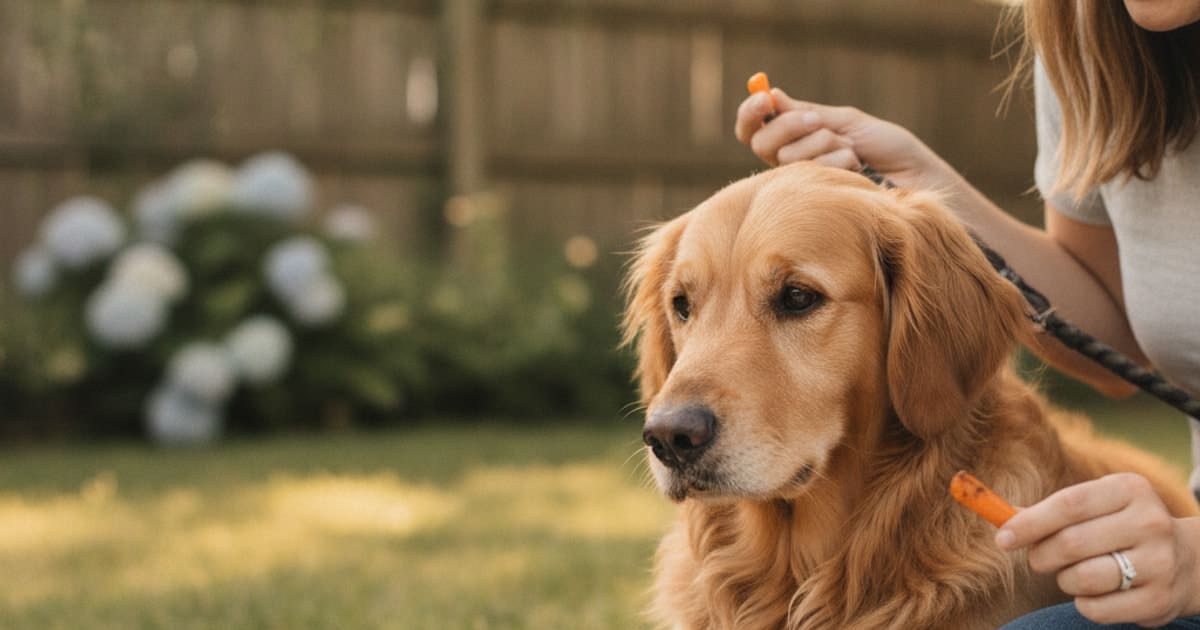
A plain, fully cooked hot dog will not poison a dog, but it is a poor food for one, and the honest answer is that it belongs off the menu rather than on it. See your vet right away if your dog has eaten a large quantity and is vomiting that will not settle, has a swollen or painful belly, is retching without bringing anything up, or may have swallowed a skewer, a bone, a stone or a large piece. If the hot dog came covered in onion, garlic, chilli or an unfamiliar sauce, call your vet or an animal poison control service such as the ASPCA Animal Poison Control Center or the Pet Poison Helpline.
The reason hot dogs sit in the grey zone rather than the toxic list is that nothing in a standard one is a poison in its own right. The problem is the combination: a heavy salt load, curing agents, a high proportion of fat, seasoning blends that can include onion and garlic powder, and a smooth cylinder shape that is close to the width of a dog's airway. Each of those is manageable alone. Together, in a food built for human taste buds, they add up to something a dog's body was never designed to process.
What is actually inside a hot dog
A hot dog is an emulsified sausage. Meat trimmings, and in many products mechanically separated poultry or pork, are ground extremely fine with water, fat and salt until the mixture becomes a smooth paste. That paste is pumped into a casing, cooked, smoked or both, and then chilled. What comes out is already a cooked product in most cases, which is why the package tells you to heat rather than to cook.
The ingredient list is where the trouble lives. Salt is used generously, both for flavour and for texture, because it is what makes the emulsion hold together. Curing salts, usually sodium nitrite, give the pink colour and the preserved flavour. Phosphates hold water in the meat. Dextrose or corn syrup adds a touch of sweetness. Then there is the spice blend, which in a great many products includes onion powder, garlic powder or both.
That last part matters more than owners expect. Onion and garlic in powdered form are concentrated, and compounds in the allium family can damage a dog's red blood cells. A dog who gets into a pile of seasoned sausage is getting far more of that concentrate than the label suggests, because the water has been driven out of it.
The salt is the other headline. Dogs do need sodium, but they get what they need from a complete diet. A processed sausage layers a large extra load on top of that, which means more thirst, more urination, and real strain for a dog whose heart or kidneys are already working hard. The fat content adds a separate concern: a sudden rich, greasy meal is a recognised trigger for pancreatitis, which can make a dog very unwell very quickly.
Cooked, boiled, grilled, fried or straight from the fridge
Owners search every version of this question, and the answer is reassuringly consistent: preparation changes the edges of the risk, not the centre of it. The salt and the curing agents are baked into the product at the factory, so no amount of boiling, grilling or chilling removes them.
| Preparation | What it changes | What it does not change |
|---|---|---|
| Boiled, plain | No added fat or char, and a little salt leaches into the water | Curing agents, seasoning blend, soft cylindrical shape |
| Grilled | Adds char, and picks up grease, basting sauce or marinade from the grate | Sodium load, fat content, choking risk |
| Fried | Adds oil to a food that is already fatty | Everything else, and the richer result is harder on the pancreas |
| Microwaved or warmed | Very little, though hot spots can scald a dog's mouth | Salt, seasoning, shape |
| Cold, from the pack | Nothing about safety, and cold alone is not a problem | Full sodium and seasoning, and the firm texture is easy to gulp whole |
| Raw or uncooked style sausage | Introduces bacteria risk from unheated meat | All of the above |
| In a bun with toppings | Adds bread, mustard, ketchup, relish, onion, chilli and cheese | The sausage is now the smaller half of the problem |
The raw and uncooked question deserves its own note. Most supermarket hot dogs are pre-cooked and cured, so a cold one taken straight from the package has already been heated at the plant. Fresh, uncured or raw style sausages are a different product entirely, and unheated meat can carry Salmonella, Listeria and other organisms. Those can make a dog ill, and a dog shedding them can pass them to the people in the house. If a sausage is sold raw, it should be cooked through before it goes anywhere near a dog.
Condiments are worth pulling out separately. Ketchup, relish, barbecue sauce and mustard bring sugar, vinegar, salt and spice. Some reduced-sugar sauces and sweeteners contain xylitol, also sold as birch sugar, which is dangerous to dogs even in small quantities. If a dog has eaten a dressed hot dog and you cannot account for what was on it, that is a call to your vet or to poison control rather than a wait-and-see.
All beef, turkey and the bright red ones
An all beef hot dog is a better product than a mixed one in the sense that the protein comes from a single, identifiable source, with no mechanically separated poultry and usually a shorter ingredient list. It is still cured, still salted, and still seasoned. Beef hot dogs also tend to carry more fat than poultry versions, which matters for a dog prone to digestive upset.
Turkey and chicken hot dogs are leaner, and some are made without nitrite curing. They are not a health food. The sodium is still there, the binders and flavourings are still there, and a leaner sausage is no less likely to lodge in a throat.
The bright red hot dogs sold in some regions are coloured, either by a dye applied to the casing or by added colouring in the mix, and they tend to be more heavily spiced. There is nothing about the colour itself that helps a dog, and the extra seasoning pushes them further down the list. Vegetarian and plant-based versions are not an easy swap either, because they lean on salt and flavourings to imitate the original, and some use garlic and onion heavily.
A hot dog is a treat food rather than a dog food, and the safest version is plain, fully cooked, free of sauces and seasoning, and cut small enough that it cannot lodge in the throat.
The shape is the hazard people underestimate
Choking risk is the part of this question that gets the least attention and deserves the most. A hot dog is a firm, smooth cylinder roughly the diameter of the airway in many dogs. A dog who bolts food can take one down whole, and if it seats in the trachea it forms a near perfect plug. Cutting it lengthwise first, then across into small bits, removes that geometry completely.
The accessories cause their own emergencies. Wooden skewers and corn dog sticks can perforate the gut. Foil, paper wrappers and plastic packaging can obstruct it. Buns swell. A dog who raids a plate at a barbecue is rarely eating the sausage in isolation.
Signs that something has become an obstruction include repeated vomiting that will not settle, refusing food, a hunched or guarded posture, a belly that is painful or swollen to the touch, straining without producing anything, and sudden flatness in a dog who was fine an hour earlier. Any of those warrants a call to your vet the same day, and the guide to Dog Emergency Signs covers what else should move you to act immediately.
Dogs that should skip hot dogs entirely
Some dogs have no margin for a salty, fatty extra. A dog with heart disease, kidney disease, high blood pressure, a history of pancreatitis, a diagnosed food allergy, or a weight problem should not be offered processed sausage at all. The same goes for a dog on a prescribed therapeutic diet, where a single off-plan item can undo the point of the food.
Puppies, pregnant dogs and nursing dogs are their own category. Their nutritional needs are precise and their margins are narrow, and the right answer for them is always to talk to your vet rather than to improvise with human food. If your dog is managing a long-term health issue, the condition guides are a sensible place to read up before you change anything about what goes in the bowl.
It is also worth saying that results vary from dog to dog. One dog will eat a stolen sausage and show nothing at all. Another will be vomiting by evening. Size, age, baseline health and sheer individual sensitivity all feed into that, which is why a neighbour's experience is not a guide to yours.
Treats worth reaching for instead
If the reason you reach for a hot dog is that it is soft, smelly and easy to break up for training, there are foods that do the same job without the salt. Plain cooked chicken or turkey with no seasoning, no skin and no bones hits the same note. Lean cooked beef works the same way. Low-sodium commercial training treats are built for this purpose.
For dogs who like to crunch, raw carrot sticks, plain green beans, apple with the core and seeds removed, and blueberries are all low-salt options that most dogs take happily. Plain cooked white rice is a gentle filler for a dog with a sensitive stomach. None of these are a complete diet, and treats of any kind should stay a small part of what a dog eats, with the balance coming from a complete food chosen with your vet.
Key Takeaways
- A plain, fully cooked hot dog is not toxic to dogs, but the salt, fat, curing agents and seasoning make it a poor choice rather than a safe one.
- Boiling, grilling, frying, warming or serving it cold changes the details, not the core problem, because the sodium and curing agents are already in the product.
- Raw or uncured sausage should always be cooked through first, because unheated meat can carry Salmonella and Listeria.
- Onion and garlic powder appear in many seasoning blends and can damage a dog's red blood cells, so seasoned and dressed hot dogs are the worst version.
- All beef versions have a cleaner ingredient list but the same salt and the same choking shape; turkey versions are leaner but no safer in the throat.
- The cylindrical shape is a genuine choking hazard, and skewers, sticks and wrappers cause obstructions.
- Dogs with heart, kidney, pancreatic or weight issues, and puppies, pregnant and nursing dogs, should not be given processed sausage at all.
- Vomiting that will not settle, a swollen or painful belly, or a swallowed pit, stone, bone or large piece means a vet visit, not a wait.
Your veterinarian owns the diagnosis and the plan. They know your dog's history, what their bloodwork looks like, and whether a single salty extra is a non-event or a real setback. If your dog has eaten something they should not have, or if you want a clear answer on which treats fit their particular situation, that conversation is the one worth having before you change anything.
For more on when a food incident turns into an emergency, read Dog Emergency Signs. For lower-salt treat ideas, see Can Dogs Eat Carrots?, Can Dogs Eat Green Beans?, Can Dogs Eat Apples?, Can Dogs Eat Blueberries? and Can Dogs Eat Rice?.
Frequently asked questions
- Can dogs eat hot dogs cooked?
- A plain, fully cooked hot dog with no sauce, no bun and no seasoning will not poison a dog, but it is still high in salt, fat and curing agents. Cooking does not remove any of those. Cut it small to remove the choking risk, and treat it as a rare extra rather than food.
- Can dogs eat hot dogs raw or cooked?
- Cooked is the only version worth considering. Most supermarket hot dogs are already cooked and cured at the plant, but fresh or uncured sausage sold raw can carry Salmonella and Listeria and should be heated through first. Either way, the salt, fat and seasoning make hot dogs a poor dog food.
- Can dogs eat hot dogs?
- Dogs can eat a plain, fully cooked hot dog without being poisoned, but they should not. The sodium load, the fat, the curing agents and seasoning blends that may contain onion and garlic powder all work against them, and the smooth cylinder shape is a genuine choking hazard for a dog who gulps.
- Can dogs eat hot dogs raw?
- No. If a sausage is sold raw or uncured, it should be cooked through before a dog goes near it, because unheated meat can carry Salmonella, Listeria and other organisms that make dogs unwell and can spread to people in the household. Cooking it still leaves the salt and seasoning problem.
- Can dogs eat hot dogs uncooked?
- It depends on the product. Standard supermarket hot dogs are pre-cooked and cured, so a cold one from the package has already been heated at the factory. A fresh, raw style sausage has not, and carries bacteria risk. Neither version is a good choice, and the raw one is clearly worse.
- Can dogs eat hot dogs all beef?
- An all beef hot dog has a cleaner ingredient list, with a single protein source and no mechanically separated poultry. It is still cured, still salted and still seasoned, and beef versions tend to carry more fat than poultry ones. The choking shape is identical. It is a better version of a poor option.
- Can dogs eat hot dogs boiled?
- Boiling is the least bad preparation because it adds no oil or char, and a little salt leaches into the water. It does not remove the curing agents, the seasoning blend or the fat built into the sausage. Boiled or not, cut it small and keep it off the regular menu.
- Can dogs eat hot dogs cold?
- Temperature is not the issue. A cold hot dog from the fridge is no more dangerous than a warm one, but the firm chilled texture makes it easier for a dog to swallow whole, which raises the choking risk. The sodium and seasoning are exactly the same either way.
- Can dogs eat red hot dogs?
- Red hot dogs are coloured with dye and tend to be more heavily spiced than standard versions, which puts them further down the list rather than higher up it. There is no benefit to the colour, and the extra seasoning raises the chance of onion or garlic powder being present.
- Is hotdog ok for dogs?
- A plain cooked one is not toxic, but it is not a food that does a dog any good. Salt, fat, nitrite curing and seasoning blends make it a treat rather than nutrition, and the shape is a choking hazard. Talk to your vet about treats that suit your dog specifically.
Educational content, not veterinary advice. Ask your vet about your dog.