Can Dogs Eat Live Rabbits? Risks After a Rabbit Catch
No. Dogs should not eat live or dead wild rabbits, and a dog that catches one needs a call to the vet the same day. Wild rabbits can carry tularemia, parasites, fleas, ticks and bacteria, and their small bones can injure the mouth, throat or gut.
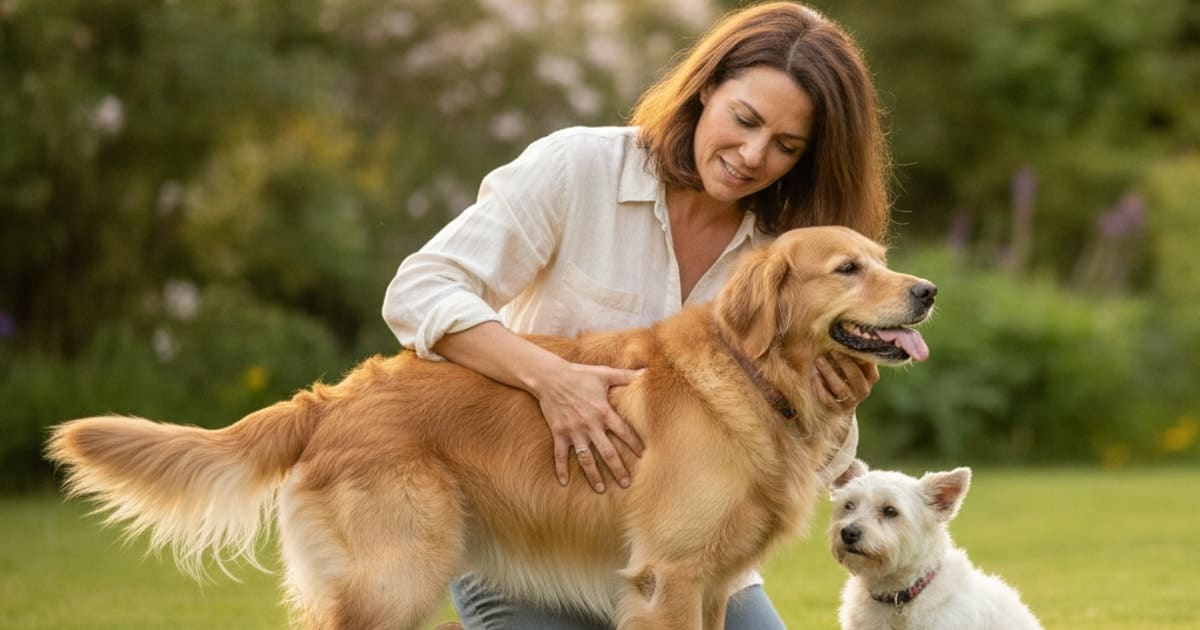
No. Dogs should not eat live wild rabbits, and if your dog has just caught, killed or swallowed one, call your veterinary clinic the same day and describe exactly what happened. Go in sooner, or straight to an emergency clinic, if your dog has a bite wound or scratch, feels hot, seems dull or unusually tired, is vomiting, has diarrhoea, is gagging, drooling or pawing at the mouth, or flinches when you touch the belly.
Catching a rabbit is not a sign that something is wrong with your dog. The problem is what travels with a wild rabbit: bacteria that a healthy-looking rabbit can carry, parasite stages sitting in muscle and organs, fleas and ticks that leave the rabbit the moment it stops being warm, and thin bones that were never meant to go down a dog's throat at speed. None of that is visible from your back door, which is why this belongs in a phone call to your vet rather than in a wait-and-see afternoon.
Why dogs chase, catch and eat wild rabbits
Dogs still carry the full predatory sequence that their ancestors used: orient, stare, stalk, chase, grab-bite, kill-bite, then dissect and consume. Selective breeding has stretched or shortened parts of that chain in different types of dog, which is why one dog freezes and points, another runs the rabbit down, and a third swallows it before you have finished shouting. A rabbit that bolts from cover triggers the chase link almost automatically, and a small, fast, high-pitched animal is close to a perfect trigger.
Free-ranging and feral dogs do hunt and scavenge small mammals, and rabbits are among the animals they take, so the behaviour you are seeing in your own garden is ordinary dog biology rather than misbehaviour. Some dogs kill and walk away. Some carry the rabbit around. Many will eat at least part of it, and small dogs as well as large ones do this.
Baby rabbits raise the odds. Wild rabbits nest in shallow scrapes lined with fur and grass, often in open lawns and long grass rather than deep cover, and the kits sit tight instead of running. A dog working a scent line can find a nest in seconds, and because kits are soft and small, a dog may swallow one or more before an owner is close enough to intervene. So yes, dogs do eat baby rabbits, and the risks are the same as with an adult rabbit, with the added problem that several may be eaten at once.
What a dog can pick up from a wild rabbit
| Risk | What it is | What an owner may notice |
|---|---|---|
| Tularemia | A bacterial infection carried by wild rabbits, hares and rodents; dogs can be exposed by mouthing or eating a rabbit, or through ticks and fleas from it | Fever, dullness, poor appetite, swollen glands, sometimes mouth sores or eye discharge |
| Tapeworms and other intestinal parasites | Larval stages in rabbit muscle and organs can mature in a dog's gut after the rabbit is eaten | Rice-grain segments near the tail or in bedding, loose stools, a changed appetite |
| Fleas and ticks | Parasites leave a dead or dying rabbit quickly and move to the nearest warm body | New scratching, visible ticks, flea dirt in the coat |
| Carcass bacteria | Organisms such as salmonella multiply fast in a dead animal, especially one that has been down a while | Vomiting, diarrhoea, drooling, belly pain, reluctance to move |
| Bones and bulk | Rabbit bones are thin and splinter, and fur plus bone can form a mass in the gut | Gagging, retching, repeated swallowing, straining, unproductive vomiting |
| Chase and bite injuries | Rabbits kick and bite hard when held; dogs also hit fences, roads and other wildlife mid-chase | Limping, puncture wounds, torn nails, swelling or an abscess forming later |
Tularemia is the one most vets want to hear about by name. The bacterium behind it is carried by wild rabbits and rodents, and a dog can meet it by biting, carrying or eating an infected animal, or through the ticks and fleas that come off it. It also matters to you, because people can be exposed by handling infected carcasses, so lift any remains with a bag or gloves rather than bare hands, and tell your own doctor if you handled a carcass and then feel unwell.
Parasites are slower and quieter. Larval tapeworm stages carried in rabbit tissue can set up in a dog's intestine once eaten, and signs may not show for some time, which is why your vet may want a stool sample later even if today's examination is unremarkable. Fleas and ticks are the opposite: they transfer within minutes, and ticks bring their own list of concerns, so it is worth checking your dog over and telling your vet which parasite prevention your dog is currently on.
Call your vet the same day your dog catches or eats a wild rabbit, even if your dog looks completely normal.
Live rabbit, dead rabbit, baby rabbit: does the situation change the risk?
| Situation | What is different about it | What to do |
|---|---|---|
| Caught a live wild rabbit | Direct contact with blood, fur and organs, plus bites, scratches and kicks from a struggling animal | Call your vet the same day; check your dog over for wounds and report them |
| Ate a rabbit that was already dead | You do not know why it died, bacteria have had time to multiply, and poison in the carcass cannot be ruled out | Call your vet the same day and say the rabbit was already dead; your vet or an animal poison control service such as the ASPCA Animal Poison Control Center can advise |
| Ate baby rabbits from a nest | Kits are swallowed fast and whole, often more than one, and the nest may hold fleas | Call your vet; say how many your dog may have taken |
| Ate a cottontail | No safer than any other wild rabbit; the same bacteria, parasites and bone risks apply | Call your vet the same day and describe what was eaten |
| Swallowed a rabbit whole or nearly whole | Bulk, fur and bone together in one go, with throat and gut both in play | Same-day vet call; watch closely for gagging, straining or repeated retching |
The question owners ask most often after the fact is whether a dead rabbit is somehow safer than a live one. It is not. A carcass has been sitting in the open with bacteria multiplying, scavengers visiting and insects feeding, and the reason it died is unknown to you. That last point matters: a rabbit that ate poisoned bait can carry that poison in its body, which is why this scenario deserves a phone call rather than a shrug.
A rabbit swallowed whole is its own concern. The throat, the stomach and the intestine each have to deal with fur, splintered bone and bulk arriving at once, and small dogs have small plumbing. Your vet is the person to judge whether imaging is warranted.
Myxomatosis and other rabbit diseases owners ask about
Myxomatosis is a virus of rabbits, spread between them by biting insects such as fleas and mosquitoes and by close contact. It is not considered an infection of dogs, so a dog that catches a rabbit with myxomatosis is not expected to catch myxomatosis itself. That is genuine reassurance, but it is not the whole picture: a rabbit sick with myxomatosis is slow, half-blind and easy to catch, and its body still carries fleas, ticks, bacteria and the same splinter-prone bones. If your dog caught a rabbit that looked obviously ill, swollen around the face or unable to run properly, mention that detail to your vet, because an easily caught rabbit is often an unwell rabbit.
Rabies comes up too. Rabbits are rarely involved in rabies transmission compared with other wildlife, but your vet still needs to know about any wildlife contact and will check where your dog stands on vaccination. That is a decision to make with your vet, not something to work out from a web page.
Signs to watch for, and when to pick up the phone
The first call is the same-day one. After that, keep watching, because some problems show up hours or days later. Contact your vet promptly if you see fever or a dog that feels hot and seeks cool floors, lethargy or reluctance to get up, loss of appetite, vomiting, diarrhoea or blood in the stool, swollen glands under the jaw or in front of the shoulders, drooling, gagging, repeated swallowing or pawing at the mouth, straining without producing anything, a tense or painful belly, limping, or a puncture wound that swells.
Reactions are not uniform, and results vary from dog to dog, which is why a prompt call beats guesswork. Do not try to make your dog sick at home, and do not give anything from the cupboard: talk to your vet first and follow the plan they set.
What your vet will want to know
Have the details ready. When it happened, where your dog was, whether the rabbit was alive or already dead, whether your dog swallowed part of it or all of it, whether the rabbit looked ill, whether you found wounds on your dog, which flea, tick and worming prevention your dog is on, your dog's vaccination status, and anything your dog is currently prescribed. From there your vet decides what is appropriate: a physical examination and temperature check, bloodwork, a stool sample, imaging if a blockage is a concern, or wound care.
Key Takeaways
- Dogs should not eat live or dead wild rabbits; call your vet the same day your dog catches, kills or swallows one.
- Go sooner if there is a wound, fever, lethargy, vomiting, diarrhoea, gagging or belly pain.
- The main concerns are tularemia and other bacteria, parasite stages in rabbit tissue, fleas and ticks moving off the body, splintering bones, and chase injuries.
- A dead rabbit is not safer than a fresh one, and a cottontail is not safer than any other wild rabbit.
- Baby rabbits are easy for a dog to find and swallow, often more than one, and carry the same risks as adults.
- Myxomatosis is a rabbit virus and is not considered an infection of dogs, but the carcass still carries parasites and bacteria.
- Handle any remains with gloves or a bag, since tularemia can affect people too.
Related reading: Dog Emergency Signs covers the signs that mean a clinic visit cannot wait until morning.
Your veterinarian owns the diagnosis and the plan here. They are the one who can examine your dog, judge whether testing or imaging is needed after a rabbit has been eaten, and decide what happens next. Your job is to notice, record the details and make the call the same day; everything else follows from that conversation.
Frequently asked questions
- Can dogs eat live rabbits?
- No. A live wild rabbit is not safe for a dog to catch or eat, because rabbits can carry tularemia, intestinal parasites, fleas and ticks, and their thin bones splinter easily. Call your vet the same day your dog catches one, and sooner if there are wounds, fever or vomiting.
- Can dogs eat live rabbit?
- No. Catching and eating a live rabbit exposes a dog to bacteria in the rabbit's blood and organs, to fleas and ticks moving off the body, and to kicks, bites and scratches during the struggle. Call your vet the same day and describe what your dog swallowed.
- Can dogs eat dead rabbit?
- No. A dead rabbit can be more concerning than a fresh catch, because bacteria multiply in the carcass and you do not know why the rabbit died, including whether poison was involved. Call your vet the same day and mention clearly that the rabbit was already dead.
- Can dogs eat baby rabbits?
- No. Baby rabbits, called kits, are soft and small enough for a dog to swallow quickly, sometimes several from one nest, and they carry the same bacteria, parasites and fleas as adults. Call your vet the same day and say how many your dog may have eaten.
- Do dogs eat baby rabbits?
- Yes, many dogs will. Wild rabbits nest in shallow scrapes in lawns and long grass, and the kits sit still rather than run, so a dog that sniffs out a nest may eat them before you reach it. Treat it as a same-day vet call.
- Can dogs eat cottontail rabbits?
- No. A cottontail is no safer than any other wild rabbit: it can carry tularemia, tapeworm larvae, fleas and ticks, and its thin bones splinter the same way. Dogs do catch them, so call your vet the same day and describe what your dog ate.
- What happens if my dog eats a rabbit?
- It varies. Some dogs show nothing at all, while others develop vomiting, diarrhoea, fever, dullness or signs of a throat or gut blockage over the following hours and days, and parasites can appear later. Because results vary from dog to dog, call your vet the same day.
- Can a dog eat a rabbit whole?
- Physically, some dogs do swallow a small rabbit whole, but that does not make it safe. Fur, bulk and thin splintering bones arriving together raise concern about choking, throat damage and gut obstruction. Call your vet the same day and watch for gagging, retching or straining.
- Can dogs eat rabbits with myxomatosis?
- Myxomatosis is a virus of rabbits, spread between rabbits by biting insects and close contact, and it is not considered an infection of dogs. The carcass still carries fleas, ticks, bacteria and splintering bones, and an ill rabbit is easier to catch, so call your vet.
Educational content, not veterinary advice. Ask your vet about your dog.