Can Dogs Eat Pecans? Safety, Symptoms and Fallen Pecans
No, dogs should not eat pecans. Pecans are high in fat, can harbour mould toxins that trigger tremors and seizures, and whole nuts or shells can choke a dog or block the gut. If your dog has eaten pecans, call your veterinarian or a pet poison line.
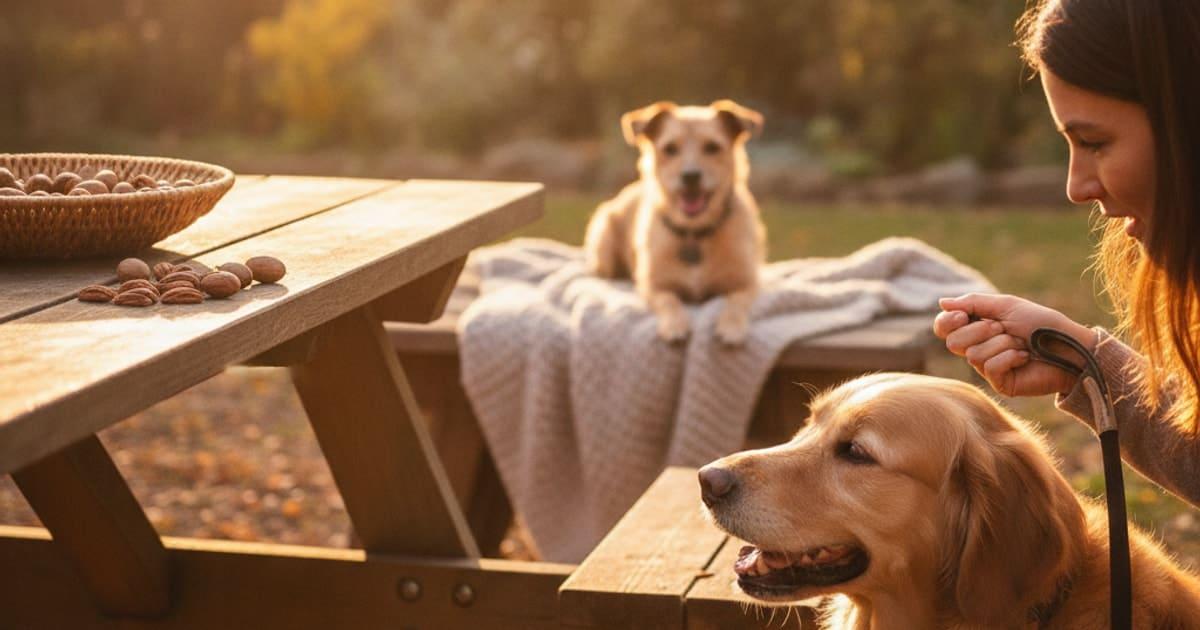
If your dog ate pecans, especially mouldy pecans or pecans in chocolate or baked goods, call your vet or a pet poison line now. No, dogs should not eat pecans, and a dog who has raided a bowl, a baking tray or a pile of fallen nuts under a tree is better served by a phone call to a veterinarian than by a wait-and-see night at home.
Pecans sit in an awkward spot in the list of foods owners ask about. They are not a food that veterinary toxicology services treat the way they treat grapes or macadamia nuts. The problem is that several separate hazards stack up inside the same small snack: fat that the canine pancreas handles poorly, mould that produces nerve toxins, a hard shell that does not break down in the gut, and the chocolate, sugar, salt or sweetener that usually travels with pecans in human food. Any one of those can turn a stolen mouthful into a veterinary visit, and mouldy nuts belong in a category of their own.
Why pecans are a poor fit for the canine gut
The first issue is fat. Pecans are one of the richest nuts there is, and a dog's digestive system is not built for a sudden load of concentrated fat. The usual result is vomiting, loose stool, gas and a dog who looks miserable for a day. The more serious concern is pancreatitis, an inflammation of the pancreas that can follow a rich, fatty meal in a dog who is predisposed to it. Pancreatitis causes pain, repeated vomiting and refusal to eat, and it needs veterinary care rather than home management.
The second issue is what grows on pecans. Nuts that have sat on damp ground, been stored in a warm pantry or been left in a bag that got wet can carry moulds. Some of those moulds produce tremorgenic mycotoxins, compounds that act directly on the nervous system and can cause muscle tremors, twitching, unsteadiness on the feet and seizures. Others produce aflatoxins, which target the liver. A nut does not have to look furry or obviously spoiled for mould to be present.
The third issue is simple mechanics. A pecan half is small, but a whole in-shell pecan is hard, sharp-edged when cracked, and indigestible. The fourth is company it keeps: pecans in human food are rarely plain.
Mould, fallen nuts and the yard under a pecan tree
Fallen pecans are the version of this question that comes up most in autumn, and they are the version that worries veterinarians. Nuts on the ground are exposed to rain, dew, soil and warmth, which is exactly what mould needs. A dog nosing through leaf litter is also eating the shell, the husk and whatever has been sitting on them.
Mouldy nuts are the single biggest reason a casual pecan hunt in the yard can turn into an emergency visit. Tremorgenic mycotoxin poisoning tends to show itself as a dog who starts twitching, becomes jumpy or uncoordinated, pants, cannot settle, or has a seizure. These signs can appear quickly after eating, and they are a reason to go straight to a veterinary clinic rather than to watch the dog at home.
Why do dogs eat pecans at all? Because they are fatty, nutty-smelling and easy to crunch, and because many dogs scavenge by default. A dog who has learned that the ground under the tree produces interesting food will keep going back. If you have a pecan tree, the practical answer is management: rake and clear fallen nuts, keep the dog out of that part of the garden during nut fall with a temporary barrier or a lead, clear the gutters and bins where nuts collect, and store harvested nuts well out of reach rather than in a low cupboard or a bowl on a side table.
Raw, cooked, salted or baked: how the form changes the risk
Owners often ask whether a particular form of pecan is more acceptable. None of them is a good idea, but the hazards differ, which matters when you are describing to a veterinarian what your dog actually ate.
| Form of pecan | Main concern | What it means for you |
|---|---|---|
| Raw, shelled | High fat, mould if stored poorly | Stomach upset and pancreatitis risk; check whether the nuts were fresh or old |
| Raw, in shell or fallen from a tree | Mould and nerve toxins, choking, gut blockage | Treat as urgent, especially if the nuts came off damp ground |
| Cooked or roasted, plain | High fat, often added salt or oil | Cooking does not reduce the fat load or remove mould toxins |
| Salted, spiced or seasoned | Sodium, garlic or onion powder in some blends | Seasoning can add a second hazard on top of the nut |
| Candied, praline or sugared | Sugar and fat together | Higher chance of digestive upset and pancreatitis |
| Chocolate-coated | Theobromine from chocolate | Call a vet or a poison line immediately |
| In pie, cake, cookies or trail mix | Chocolate, raisins, sweeteners such as xylitol, alcohol-based flavourings | The additions are often more dangerous than the nut itself |
Two lines in that table deserve emphasis. Chocolate-covered pecans combine a fatty nut with theobromine, which dogs clear slowly. Anything labelled sugar-free may contain xylitol, a sweetener that causes a dangerous drop in blood sugar in dogs and can damage the liver. In both cases, the right move is a call to a veterinarian or to a service such as the ASPCA Animal Poison Control Center or Pet Poison Helpline, not a search for reassurance.
Shells and whole nuts: choking and blockage
A pecan shell does not soften in the stomach. Swallowed whole or in large fragments, it can lodge in the throat, the oesophagus or the intestine. Sharp shell pieces can also scrape or irritate the gut lining on the way through. Small dogs, puppies and enthusiastic gulpers are at the greatest mechanical risk, simply because the nut is large relative to the pipework it has to pass through.
Signs that point towards a blockage rather than a simple upset stomach include repeated retching that brings nothing up, a painful or swollen belly, a hunched posture, refusal of food and water, straining without producing stool, and a dog who is quiet and withdrawn. A blockage does not resolve on its own and is diagnosed with imaging, so this is a veterinary problem from the moment you suspect it.
Signs to watch for, and when it becomes an emergency
How a dog reacts depends on the amount eaten, the dog's size, what else was in the food and whether mould was involved. Results vary from dog to dog, which is exactly why the phone call matters more than a checklist.
Call a veterinarian promptly if you see vomiting that keeps going, diarrhoea, heavy drooling, loss of appetite, lethargy, a tender or bloated abdomen, or a dog who seems generally off.
Treat it as an emergency and go to a clinic now if you see muscle tremors or twitching, wobbliness or stumbling, agitation or an inability to settle, collapse, a seizure, laboured breathing, a racing heart, pale or yellow-tinged gums, or repeated unproductive retching. These point at the nervous system, the liver or an obstruction, and none of them should be managed at home.
Bring information with you when you call: roughly what type of pecan was eaten, whether it was shelled, whether it came from the ground, how long ago it happened, and the packaging or recipe if there was one. If the nuts came from an open bag or a damp yard, say so, because mould changes the picture.
What if my dog already ate pecans?
A single piece stolen from a plate
A shelled piece of plain pecan taken from a kitchen counter is most likely to cause nothing worse than a sour stomach in a medium or large dog. Call your veterinary practice anyway, describe what happened, and follow their advice on whether to monitor at home or come in. Small dogs and puppies warrant a call regardless.
A handful, a bag, or nuts from the yard
This is the scenario that deserves a same-day veterinary conversation. The fat load is higher, the chance of mould is higher with yard nuts, and shells may have gone down with the kernels. Contact your vet or a poison control service and let them decide what happens next.
Pecans in chocolate, pie or anything sugar-free
Call immediately. The nut is now the least of the problem. Keep the wrapper or recipe so that the ingredients can be checked.
A puppy, a small dog, a pregnant or nursing dog, or a dog with a health condition
These dogs have less margin. Puppies and small breeds are more vulnerable to blockage and to toxins, and dogs with existing pancreatic, liver or neurological conditions react differently to a fatty, potentially mouldy food. Talk to your vet rather than judging it yourself.
In every one of these situations, do not attempt home remedies and do not try to make your dog sick. Let the veterinary team decide what is appropriate, because the wrong step can make things worse.
Key Takeaways
- Pecans are not a safe snack for dogs. There is no version, raw, roasted, salted or candied, that makes them a sensible choice.
- Mould is the biggest hazard with fallen or poorly stored nuts, and the nerve toxins some moulds produce can cause tremors and seizures.
- Fat is the second hazard, with digestive upset and pancreatitis the usual concerns.
- Shells and whole nuts can choke a dog or block the intestine, and that risk rises in small dogs and puppies.
- Chocolate coatings, raisins and sugar-free sweeteners in baked goods are often more dangerous than the pecan itself.
- Tremors, wobbliness, seizures, collapse, a painful belly or unproductive retching mean emergency care, not observation at home.
- If you have a pecan tree, clearing fallen nuts and limiting access during nut fall is the most effective prevention there is.
The veterinary call comes first
Your veterinarian owns the diagnosis and the plan here. They know your dog's history, they can weigh what was eaten against size and existing health problems, and they have options for imaging, bloodwork and supportive care that no article can substitute for. Poison control services exist for exactly this kind of question and can advise your clinic directly. Good day-to-day feeding, weight management and a tidy yard all work in the space that proper veterinary care creates, not instead of it.
If you are unsure how urgent your dog's symptoms are, it helps to know the broader warning signs that call for immediate care: Dog Emergency Signs.
Frequently asked questions
- can dogs eat pecans
- No. Pecans are not a safe snack for dogs. They are very high in fat, which can cause digestive upset or pancreatitis, and nuts that have been stored badly or picked up from damp ground can carry moulds that affect the nervous system. If your dog has eaten pecans, call your veterinarian.
- can dogs eat pecans safely
- There is no form of pecan that counts as safe for dogs. Shelling, roasting or chopping the nut does not remove the fat load or any mould that may already be present, and it does nothing about chocolate, salt or sweeteners added in human recipes. Keep pecans out of reach entirely.
- can dogs eat pecans nuts
- No, pecan nuts should not be fed to dogs in any form. The combination of concentrated fat, possible mould toxins, a hard indigestible shell and the sugary or chocolate coatings pecans usually come with makes them a poor choice. If your dog helps itself to some, contact your veterinary practice for advice.
- can dogs have pecans
- No. Pecans are not recommended for dogs, whether raw, roasted, plain or baked into something. Small dogs and puppies face an added risk of choking or intestinal blockage from whole nuts and shells. If pecans have already been eaten, describe exactly what and how much to your veterinarian.
- are pecans safe for dogs
- Pecans are not considered safe for dogs. The main concerns are mould toxins that can trigger tremors or seizures, a high fat content linked to pancreatitis, and shells that can lodge in the gut. Fallen nuts from a yard carry the highest risk because of damp conditions and mould growth.
- are pecans bad for dogs
- Yes, pecans are a food to avoid. Even plain ones can upset a dog's stomach, and mouldy nuts can affect the nervous system or the liver. Pecans in chocolate, pie or trail mix add further hazards such as theobromine, raisins and sugar-free sweeteners. Call a vet if your dog eats any.
- can dogs eat pecans raw
- No. Raw pecans carry the same high fat content as roasted ones, and raw nuts stored in a warm or damp place are prone to mould. Raw in-shell pecans add a choking and blockage risk. If your dog has eaten raw pecans, especially from outdoors, contact your veterinarian promptly.
- can dogs eat cooked pecans
- No. Cooking or roasting does not make pecans suitable for dogs. Heat does not remove mould toxins reliably, and cooked pecans often come with salt, oil, sugar, butter or spice blends that bring their own problems. Baked goods containing pecans may also contain chocolate, raisins or xylitol.
- can dogs eat pecans in shell
- No, in-shell pecans are the riskiest form. The shell does not break down in the gut and can lodge in the throat or intestine, and sharp fragments can irritate the gut lining. Nuts still in their shells have often been on the ground, which raises the chance of mould.
- why can't dogs eat pecans
- Because several hazards stack up in one food. Pecans are extremely fatty, which strains the canine pancreas, and they readily grow moulds that produce toxins affecting the nerves or the liver. Shells can choke a dog or block the intestine, and pecans in human food often come with chocolate or sweeteners.
Educational content, not veterinary advice. Ask your vet about your dog.