Can Dogs Eat Pizza? Risks, Toppings and Raw Dough
No, dogs should not eat pizza. The sauce often contains onion and garlic, which are toxic to dogs, while the cheese, cured meats and crust pile on fat and salt. Raw pizza dough is more urgent still and warrants a call to your vet right away.
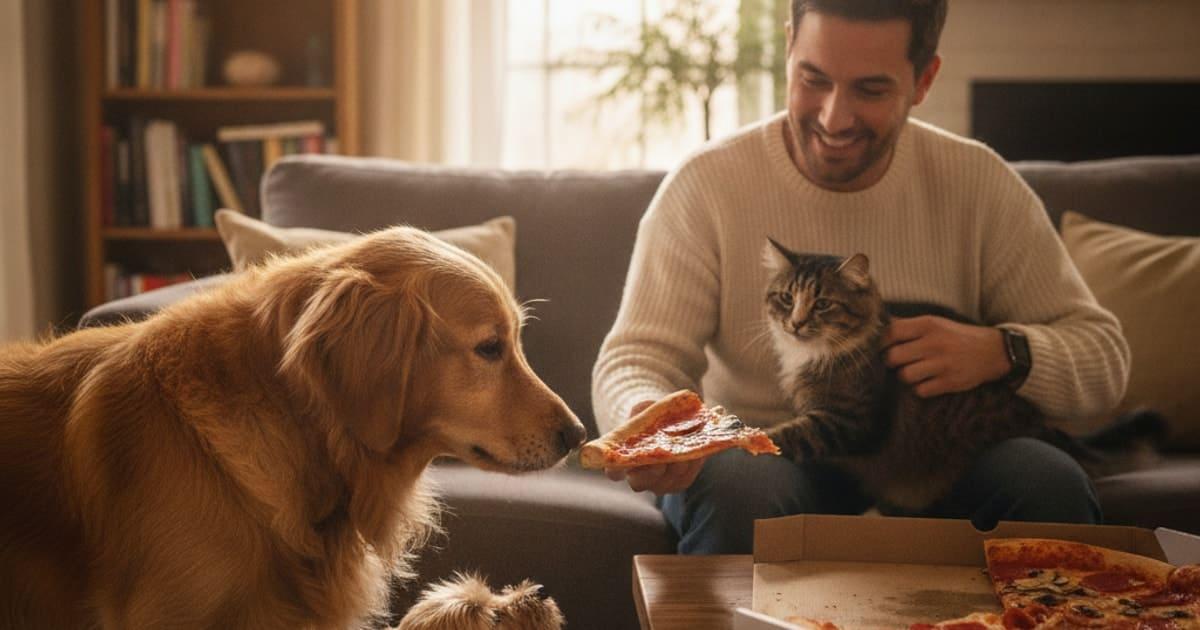
If your dog ate pizza with onion, garlic or chives on it, or swallowed raw pizza dough, call your vet or a pet poison line such as the ASPCA Animal Poison Control Center or the Pet Poison Helpline now. Do not wait for symptoms to show up first, because a veterinarian who hears about it early has far more room to work with than one who hears about it hours later.
For every other version of this question, the answer is simple: no, dogs should not be eating pizza. It is not that one single ingredient is a villain. It is that pizza is a dense stack of fat, salt, dairy and seasoning, and the seasoning is where the real trouble usually hides.
Why the honest answer here is no
People usually ask this one of three ways: is pizza safe for dogs, is pizza bad for dogs, or is pizza ok for dogs to eat. Yes or no, the answer is no, and it holds whether the pizza came out of your oven or out of a delivery box.
Pizza is not one food, it is a stack of ingredients, and once you judge it part by part there is no version of it that belongs in a dog's bowl.
That framing matters, because it explains why moderation is not the right lens for this question. With a plain, dog safe food, asking about amount makes sense. With pizza, the problem is that two of the ingredients in the standard build, allium seasoning and heavy fat, carry risk that has nothing to do with portion logic. Tomato sauce at a restaurant or in a jar frequently contains onion powder, garlic powder or both, and those concentrated powders are more potent by weight than the fresh vegetable. Meanwhile the cheese, the oil and the cured meats deliver a fat load that a dog's digestive system is not built to absorb comfortably.
Dogs also eat pizza the worst possible way. They do not nibble. A dog who gets hold of food on a coffee table or in an open box tends to gulp it, cheese, crust, toppings and all, often before anyone has registered what happened. That speed is why so many pizza calls to a vet start with an owner who is not sure exactly what was on it.
If your dog has already swallowed some, the first move is not to panic and not to search for home remedies. It is to figure out what was on it and talk to your vet about whether that combination needs attention.
What is actually in a pizza, ingredient by ingredient
Breaking pizza into components makes the risk much easier to understand. Here is how the standard build looks from a canine safety point of view.
| Pizza component | Why it is a concern for dogs | What a vet may ask you about |
|---|---|---|
| Tomato sauce | Frequently seasoned with onion powder, garlic powder or both. Alliums can damage canine red blood cells. | Pale or yellowish gums, weakness, dark or reddish urine, rapid breathing |
| Fresh onion, garlic or chive toppings | Same allium risk, in a form you can actually see on the pizza | How much was visible on the portion your dog reached |
| Cheese | High in fat, and many dogs do not digest dairy well | Vomiting, loose stool, gas, discomfort |
| Cured meats such as pepperoni, sausage and bacon | Very high in fat and sodium, often spiced | Excessive thirst, vomiting, a hunched or tender belly |
| Crust and oily baked dough | Refined carbohydrate and absorbed oil, no nutritional value for a dog | Stomach upset, lingering sluggishness |
| Raw or rising dough | Expands in the stomach and ferments, producing alcohol | Bloating, retching without producing anything, wobbliness, disorientation |
| Salty extras such as olives, anchovies and capers | Concentrated sodium, and pits are a choking and obstruction hazard | Thirst, vomiting, signs of an obstruction |
| Chili flakes, jalapenos and heavy herb blends | Irritating to the canine gut, and some blends include garlic | Drooling, vomiting, diarrhoea |
| Mushrooms | Culinary mushrooms are the lesser worry, but they arrive soaked in the same seasoned oil | Whether anything else came with them |
Read that table and the pattern is obvious. Even a plain cheese pizza with nothing exciting on it is a fat and salt delivery system sitting on top of a sauce you cannot fully vouch for. Sensitivity to that fat load is not uniform either. Some dogs shrug off a stolen mouthful with nothing worse than a rough night, and others develop significant pancreatic inflammation from a single greasy episode. Results vary from dog to dog, and body size, age and existing health conditions all shift where a given dog lands.
Raw dough is a different category of problem
The one pizza ingredient that deserves its own warning is dough that has not been baked.
Uncooked yeast dough does two things inside a warm stomach that it will never do on your counter. It keeps rising, expanding in a space that cannot expand with it, and the yeast keeps fermenting, producing alcohol that is absorbed straight into the bloodstream. So you get a stretching, distending stomach and alcohol toxicity at the same time, from a food that looked harmless sitting in a bowl under a tea towel.
Signs that worry veterinarians here include a swollen or firm abdomen, unproductive retching, drooling, stumbling, unusual sleepiness and a dog who seems drunk. This is a go now situation, not a wait and watch one. Do not try to make your dog vomit, do not give anything by mouth and do not wait for the dough to pass on its own. Call the clinic, tell them raw dough was swallowed, and drive.
Baked crust is not in this category, since the yeast is dead and the dough is set. Baked crust is simply poor food for a dog rather than an emergency, unless it was brushed with garlic butter or a seasoned oil, which is common enough that it is always worth checking.
What to do if your dog already ate pizza
The right response depends almost entirely on what was on it. Work out what you can, then call.
If there was onion, garlic or chives involved
This includes seasoned sauce, garlic crust, garlic oil and any visible allium topping. Call your veterinarian or a poison control service and describe what you know. The damage alliums do to red blood cells can take a day or more to show itself, which is exactly why early contact matters more than early symptoms. Watch for pale or yellow tinged gums, lethargy, weakness, fast breathing or unusually dark urine, and report any of them immediately.
If raw dough was swallowed
Treat it as an emergency and head to a clinic. Bloating, retching that produces nothing, a tight belly or a wobbly, disoriented dog all mean you should already be in the car.
If it was plain cheese, crust or a stray topping
Many dogs in this situation get away with mild stomach upset. Make sure fresh water is available, skip anything else rich, and keep a close eye on them. If vomiting or diarrhoea continue, if your dog refuses food, if the abdomen looks tense or painful, or if they are hunched, restless or unusually quiet, call the vet rather than riding it out. Smaller dogs, puppies, seniors and dogs with existing pancreatic, liver, kidney or heart conditions deserve a lower threshold for picking up the phone.
If anything else came with it
Foil, parchment, plastic wrap, a chunk of cardboard box, olive pits or skewers can all cause an obstruction, and that is a mechanical problem no amount of monitoring at home will fix. Mention anything non food that may have gone down.
Leftovers, takeout and better ideas for pizza night
Leftover pizza is not a safer version of pizza. Cold cheese and congealed oil can be slightly harder on the stomach, not easier, and the sauce underneath has the same seasoning it had when it was hot. The real risk with leftovers is access rather than chemistry, since a box left on a low table or in an open bin is an invitation a motivated dog will accept.
Takeout and chain pizza is worth a separate note only because you have less information about it. Commercial sauces, seasoned crusts, flavoured oils and spice blends vary, and garlic in some form is close to standard. When you cannot read an ingredient list, assume alliums are present and act accordingly.
If you want your dog included on pizza night, build their portion separately rather than handing anything off the pizza. Plain cooked chicken with no seasoning, plain cooked lean meat, plain cooked pumpkin, carrot sticks, green beans or a few blueberries all work as dog friendly food, prepared with no salt, no oil, no butter and no garlic. For any new food, and especially for dogs managing weight, allergies or a chronic condition, talk to your vet about what fits their diet before you start. If you are specifically curious about crust, pizza rolls or mushrooms on their own, each of those is worth looking at individually, because the answers are not identical.
Key Takeaways
- No, dogs should not eat pizza, whether it is homemade, delivered or left over.
- Onion, garlic and chives, including the powdered forms hidden in sauce and seasoned crust, are toxic to dogs and are the main reason for the answer.
- Raw pizza dough is an emergency, because it expands and ferments inside the stomach.
- Cheese, cured meats and oil create a fat and salt load that can trigger stomach upset or pancreatic inflammation.
- Allium signs can be delayed by a day or more, so call before symptoms appear rather than after.
- Non food items such as foil, box cardboard and olive pits can cause an obstruction.
- Build a separate plain portion for your dog instead of sharing from the pizza itself.
Your veterinarian owns the diagnosis and the plan here, and that is as it should be. They are the one who can weigh what your dog ate against their size, age and health history, decide whether bloodwork or monitoring is needed, and tell you what the next twenty four hours should look like. Nothing you read online replaces that call, and on a question like this one, making it early costs you very little and can change the entire course of the day.
Related reading: Dog Emergency Signs covers the symptoms that mean a trip to the clinic should not wait.
Frequently asked questions
- Can dogs eat pizza?
- No. Pizza combines fat, salt and dairy with sauce and crust that often contain onion or garlic seasoning, both of which are toxic to dogs. Raw dough is more urgent again and needs a vet straight away. If your dog has eaten pizza, call your veterinarian for guidance.
- Is pizza safe for dogs?
- Pizza is not safe for dogs. The allium seasoning in commercial sauces and garlic crusts can damage canine red blood cells, and the cheese and cured meats carry a fat load that can upset the digestive system or inflame the pancreas. Prepare plain, unseasoned food for your dog instead.
- Is pizza bad for dogs?
- Yes, pizza is bad for dogs. Beyond the onion and garlic risk, it offers no nutritional value a dog needs, while delivering concentrated sodium and grease. Sensitivity differs, so results vary from dog to dog, but there is no version of pizza that benefits a dog's health.
- Is pizza ok for dogs to eat?
- It is not ok. Even plain cheese pizza sits on a sauce you usually cannot verify, and garlic or onion powder is close to standard in commercial recipes. Add the fat from cheese and oil, and the whole build works against a dog's digestion rather than with it.
- Can dogs eat pizza, yes or no?
- No. The short answer holds for homemade, delivery, frozen and leftover pizza alike. If your dog has already eaten some, work out what the toppings and sauce contained, then call your veterinarian or a poison control service, especially if any allium ingredient or raw dough was involved.
- What parts of pizza can dogs eat?
- Realistically, none of it. Plain baked crust is the least alarming component but is still empty carbohydrate, and it is frequently brushed with garlic oil or butter. Rather than picking through a pizza, set aside plain cooked meat or vegetables with no salt, oil or seasoning.
- Can dogs eat leftover pizza?
- No. Leftover pizza carries exactly the same seasoning, fat and salt as fresh pizza, and cold congealed cheese and oil can sit even heavier on the stomach. The bigger hazard is access, so keep boxes off low tables and out of reach of a determined dog.
- What should I do if my dog swallowed raw pizza dough?
- Treat it as an emergency and contact your veterinarian or an emergency clinic immediately. Uncooked dough keeps expanding and fermenting in the stomach, producing alcohol. Do not attempt to induce vomiting or give anything by mouth. Watch for a swollen belly, unproductive retching, drooling or unsteadiness on the way.
Educational content, not veterinary advice. Ask your vet about your dog.