Can Dogs Eat Pound Cake? Plain, Flavored, Store-Bought
Pound cake is not toxic to dogs, but it is built from butter, sugar, eggs and flour, a mix that can irritate the stomach and strain the pancreas. Flavored and store-bought versions can add chocolate, raisins or a sugar substitute, which changes the picture. Call your vet if your dog shows signs of illness.
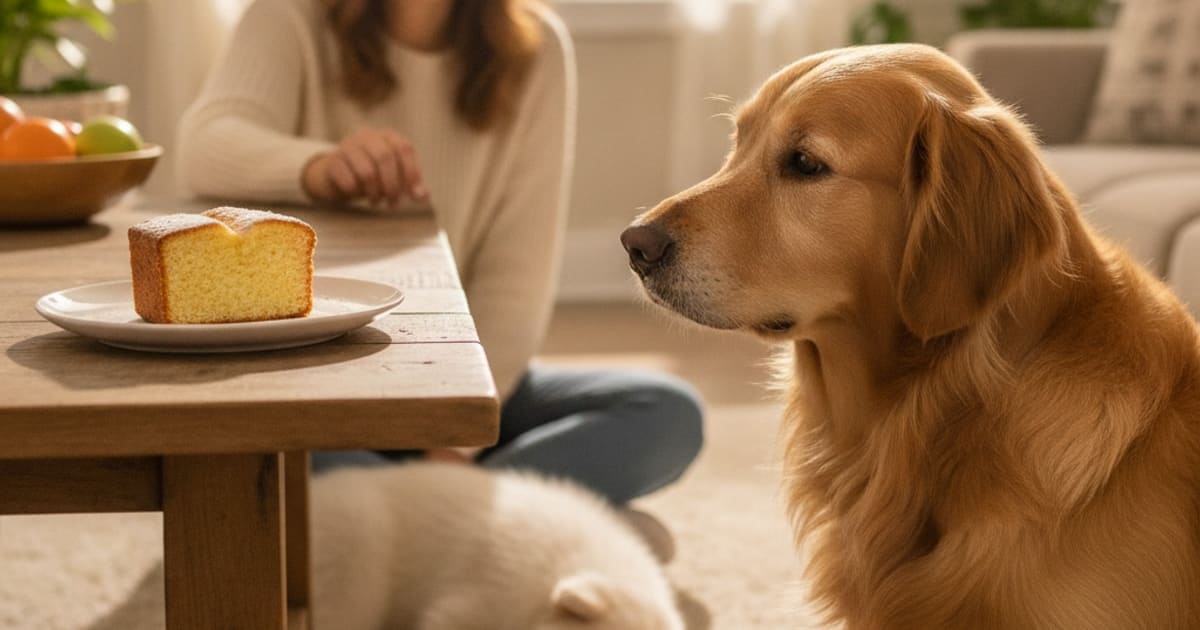
Pound cake is not toxic to dogs the way chocolate or raisins are, but it is one of the richest things that comes out of a home kitchen: butter, sugar, eggs and flour, with nothing in it that a dog actually needs. If your dog has already eaten some and is vomiting repeatedly, has a swollen or painful belly, is drooling heavily, seems weak, or swallowed a large chunk of cake along with a wrapper, call your veterinarian now.
If the cake contained chocolate, raisins, macadamia nuts, alcohol, or a sugar substitute such as xylitol (sometimes labelled birch sugar), call your veterinarian or an animal poison control service such as the ASPCA Animal Poison Control Center or the Pet Poison Helpline right away. Those ingredients are toxic to dogs and change the situation completely, so do not wait to see whether signs appear.
For plain cake and a dog who seems normal, the honest answer is that pound cake belongs in the group of human foods that will not poison a dog but are not worth handing over. The fat and sugar are the problem, not a toxin.
What is actually in pound cake, and why that matters for a dog
Classic pound cake is close to equal parts butter, sugar, eggs and flour. That ratio is what gives it the dense crumb people love, and it also makes it one of the fattiest baked goods a dog is likely to get hold of. A dog's digestive system is not built to process a sudden load of concentrated fat.
The concern owners should understand is pancreatitis, inflammation of the pancreas that can follow a rich, fatty meal. Signs can include repeated vomiting, diarrhea, refusing food, low energy, a hunched or stretched out posture, restlessness, or a belly that is tender when touched. Pound cake is not poisonous, but a sudden load of fat and sugar can set off pancreatitis, and pancreatitis is a veterinary problem, not something to handle at home. If you see those signs, your dog needs an exam, and a vet may run bloodwork or imaging to find out what is going on.
The sugar is a separate issue. It does nothing useful for a dog, adds calories to a body that is far smaller than yours, and sits on the teeth. Dairy adds another layer: butter, and in some recipes cream cheese, sour cream or milk, can mean gas and loose stool in dogs who do not digest lactose well. Wheat flour can bother dogs with a wheat sensitivity. Two dogs can get into the same cake and look completely different afterwards, because results vary from dog to dog.
Plain, vanilla, butter and homemade versions
Plain pound cake, butter pound cake and vanilla pound cake are all the same basic recipe with minor variations, and none of them are a food to offer a dog. Plain is the least complicated version, with no chocolate or dried fruit in the mix, but it is also the version where fat and sugar are at their most concentrated. Not toxic does not mean worth giving.
Vanilla deserves a note of its own. Vanilla extract is alcohol based, and alcohol is toxic to dogs. The amount baked into a cake is largely cooked off, but batter, frosting and glazes made with extract are a different matter. If your dog licked raw batter or an unbaked glaze, call your veterinarian or an animal poison control service now, since raw egg and alcohol are both in that bowl.
Homemade pound cake has one advantage: you know exactly what went into it. It also has more variation than any packaged version. Home recipes can include nutmeg or mace, almond extract, rum or brandy in a soaking syrup, chocolate chips, dried fruit, or a sugar substitute in a lower sugar version. Any of those shifts the answer from "rich food" to "call someone." If you baked it, read your own recipe back before you decide what to do, and if a sugar substitute, chocolate, raisins or alcohol is on that list, call your veterinarian or an animal poison control service right away.
Flavored, glazed and store-bought varieties
Flavor modifiers are where this question gets genuinely risky, because the add-ins matter far more than the cake underneath them.
| Variety | What is usually in it | Why it matters for a dog |
|---|---|---|
| Plain or butter | Butter, sugar, eggs, flour | The densest fat and sugar load; can upset the stomach and strain the pancreas |
| Vanilla | Vanilla extract in batter or glaze | Extract is alcohol based; raw batter or glaze means calling your vet or poison control now |
| Lemon | Zest, juice, a sugar glaze | Citrus oils and acid can irritate the stomach, and the glaze is close to pure sugar |
| Blueberry | Berries folded through the batter | The berries themselves are not the concern; the butter and sugar around them are |
| Marble or chocolate chip | Cocoa, chocolate chips | Chocolate is toxic to dogs: call your vet or an animal poison control service now |
| Cream cheese or sour cream | Extra dairy and fat | More fat, plus lactose that some dogs do not digest well |
| Rum or liqueur soaked | Alcohol in the syrup | Alcohol is toxic to dogs: call your vet or an animal poison control service now |
| Nut topped or almond | Pecans, walnuts, macadamia, almond extract | Macadamia nuts are toxic to dogs and need a call now; other nuts add fat and a choking risk |
| Sugar free or no sugar added | May contain xylitol or birch sugar | Xylitol is seriously toxic to dogs: call your vet or an animal poison control service now |
| Store bought or frozen | Long ingredient list, oils, preservatives, packaging | Harder to know what is in it, and foil or plastic film can be swallowed |
Store-bought and frozen loaf cakes carry one extra hazard that home baking does not: the wrapper. Foil, plastic film, paper liners and cardboard can go down with the cake when a dog gets to a counter, and swallowed packaging can cause an obstruction. If you cannot account for the wrapper, or your dog is retching without bringing anything up, call your veterinarian.
Packaged cakes also use ingredient names that do not tell you much at a glance. If a label says sugar free, reduced sugar or keto friendly, read the full ingredient list before anything else, because that is where a sugar alcohol would appear.
Puppies and dogs who are already dealing with something
Puppies should not be given pound cake. A growing dog is on a diet built for development, their digestive system is still settling, and a rich, fatty food can bring on vomiting and diarrhea that leaves a small body dehydrated quickly. If a puppy got into cake, call your veterinarian rather than watching and waiting, and mention what was in it.
The same caution applies to any dog with an existing condition. Dogs who have had pancreatitis before, dogs managing diabetes, dogs carrying extra weight, dogs with heart or kidney disease on a prescribed diet, and dogs with food sensitivities all have less room for an off-plan food. If you are trying to work out which human foods, if any, fit alongside your dog's current diet, your vet can tell you, and that conversation is worth having before a holiday or a birthday rather than during one.
It is also worth saying plainly: there is no amount of pound cake that does anything good for a dog. The entire reason to think about it is damage control after a counter raid, not nutrition.
Your dog already ate pound cake: what to do now
Start by taking the rest of the cake, plus any wrapper, out of reach, and work out what kind it was. If chocolate, raisins, macadamia nuts, alcohol or a sugar substitute was in it, call your veterinarian or an animal poison control service now and describe what your dog ate and when. Do not try to make your dog vomit at home unless a veterinary professional tells you to.
If it was plain cake and your dog seems bright and comfortable, keep fresh water available and keep a close eye on them. Call your veterinarian if you notice:
- vomiting that keeps happening or will not settle
- diarrhea, especially if it is black, tarry or bloody
- a belly that looks swollen or feels painful or tense
- a hunched posture, pacing, or an inability to lie down and rest
- refusing food or water
- weakness, collapse, pale gums or laboured breathing
- retching without producing anything
A dog who licked crumbs off a plate is in a different situation from a dog who cleared a whole loaf off the counter, but the watching list is the same either way. Tell your vet what the cake contained, roughly when it was eaten, and what you have seen since. That is far more useful than a guess at how much went down.
Key Takeaways
- Pound cake is not toxic to dogs, but butter, sugar and refined flour give a dog nothing of value and can cause stomach upset or pancreas trouble.
- Chocolate, raisins, macadamia nuts, alcohol and xylitol (birch sugar) are toxic: if any were in the cake, call your veterinarian or an animal poison control service now.
- Plain, vanilla and butter versions are the simplest recipes but the heaviest in fat and sugar.
- Homemade cake means you can check the recipe; store-bought and frozen cake means checking the label and accounting for the wrapper.
- Puppies, and dogs with pancreatitis history, diabetes, extra weight or a prescribed diet, have the least room for a rich food like this.
- Vomiting that will not settle, a painful or swollen belly, or a swallowed large piece means a call to your vet.
Pound cake is one of those questions where the right answer is short and the right habit is simple: keep baked goods off the edge of the counter and out of handbags, and give your dog food made for dogs. If your dog has already eaten some, your veterinarian is the one who can examine them, interpret what they are seeing, and decide whether anything further is needed. They own the diagnosis and the plan. Before you change anything about what your dog eats, talk to your vet, especially if your dog is already being managed for a health condition.
For a clearer picture of the signs that mean a same-day visit rather than a watch-and-wait, see Dog Emergency Signs.
Frequently asked questions
- Can dogs eat pound cake?
- Pound cake is not toxic to dogs, but it is dense with butter and sugar and offers a dog no nutritional value. That fat load can irritate the stomach or inflame the pancreas. If your dog ate some and is vomiting repeatedly or seems painful through the belly, call your veterinarian.
- Can dogs have pound cake?
- It is not a food to hand to a dog. Pound cake is not poisonous, but the butter, sugar and refined flour do nothing useful and can bring on vomiting or loose stool. Flavored versions may also contain chocolate, raisins, alcohol or a sugar substitute, all of which are toxic to dogs.
- Is pound cake bad for dogs?
- Pound cake is not toxic, but it is a poor food for a dog because of how concentrated the fat and sugar are. A sudden rich meal can trigger pancreatitis, which needs veterinary care. Add-ins such as chocolate, raisins or xylitol make it genuinely dangerous rather than just unsuitable.
- Can a dog eat pound cake?
- A dog can physically eat it without being poisoned by the basic recipe, but nothing in pound cake supports a dog's health. The risk sits with the fat load, any toxic add-ins, and swallowed wrapping from packaged cake. Call your veterinarian if vomiting, diarrhea or belly pain follows.
- Can my dog eat pound cake?
- Your dog should not be offered pound cake. It is not toxic on its own, but it is one of the fattiest baked goods in a kitchen, and dogs with pancreatitis history, diabetes or extra weight have even less room for it. For diet questions, your vet can tell you what fits.
- Can dogs eat plain pound cake?
- Plain pound cake is the simplest version, with no chocolate or dried fruit, so it carries no toxic ingredients. It is also where butter and sugar are most concentrated, which is the real issue. Not toxic does not mean worth giving, and rich food can still upset a dog's stomach.
- Can dogs eat homemade pound cake?
- Homemade pound cake is not toxic by default, and the advantage is that you can read your own recipe. Check it for nutmeg, almond or vanilla extract, rum syrup, chocolate chips, raisins or a sugar substitute. If any of those were used, call your vet or an animal poison control service now.
- Can puppies eat pound cake?
- Puppies should not be given pound cake. A growing dog needs a diet built for development, and a sudden fatty food can cause vomiting and diarrhea that dehydrates a small body quickly. If a puppy got into cake, call your veterinarian and describe what was in it rather than waiting.
- Can dogs eat lemon pound cake?
- Lemon pound cake is not something to offer a dog. Citrus oils and acid can irritate a dog's stomach, and the glaze on top is close to pure sugar sitting on an already fatty cake. Call your vet if your dog develops vomiting, diarrhea or a tender belly afterwards.
- Can dogs eat blueberry pound cake?
- The blueberries are not the concern here; the cake around them is. Blueberry pound cake carries the same butter and sugar load as any other version, so it is not a food to share. Check the recipe or label too, since some versions add lemon glaze or dried fruit.
Educational content, not veterinary advice. Ask your vet about your dog.