Can Dogs Eat Sardines in Olive Oil?
A sardine in olive oil brings a heavy load of added fat on top of an oily fish. Here is what to ask your vet before your dog has any, and when to call your vet or an animal poison control service now.
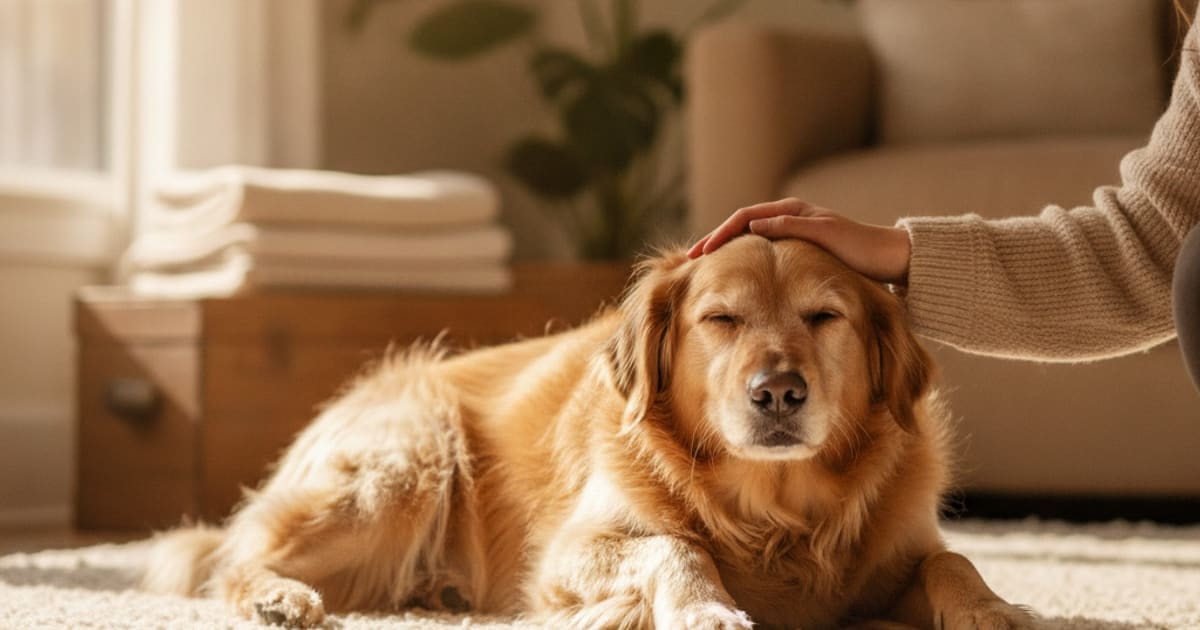
A sardine in olive oil is not toxic to dogs, so the plain answer to 'can dogs eat sardines in olive oil' turns on the heavy load of fat the oil adds, and a tin made with onion, garlic, raisins, xylitol, chocolate or alcohol is not a food for dogs at all: if your dog ate one, call your vet or an animal poison control service now. Ask your vet before you add a sardine in olive oil or any new food to your dog's diet, and if your dog ate a sardine in olive oil prepared with onion, garlic, raisins, xylitol, chocolate or alcohol, call your vet or an animal poison control service now. A sardine is an oily fish to begin with, and the tin adds a pool of oil around it. A dog that gets the whole contents takes in far more fat than the fish alone would bring. That fat is the reason to talk to your vet first, whatever oil the tin is packed in. Your vet sets how much and how often, if at all, because the answer rests on your dog's age, weight, health and everything else in the bowl.
Is a sardine in olive oil toxic to dogs
The answer at the top of this page stands for the fish and the olive oil themselves. What changes it is the fat the oil adds and anything else that went into the tin. The fat is a reason to ask your vet before your dog has any. Some of the other things a tin can hold are a reason to call your vet or an animal poison control service now.
So why can't dogs have sardines in olive oil, or in any oil, without your vet's go-ahead? Every cooking oil is close to pure fat, and sardines carry fat of their own. Put the two together and a single tin can hand your dog a rich, fatty meal in a few bites. A sudden load of fat like that can upset the stomach and gut, and it can bring on pancreatitis, a painful inflammation of the pancreas that needs a vet. A dog that has had pancreatitis before, a dog on a low-fat diet your vet has set, and a dog carrying extra weight are the dogs for whom that fat is the biggest concern. The fat also lands on top of whatever else your dog eats: a dog on a rich food, or a dog that gets scraps from the table, takes in the tin's fat in addition to all of that.
Extra virgin olive oil changes nothing here. The words 'extra virgin' describe how the oil was pressed and graded, not how much fat it holds, so sardines in extra virgin olive oil bring the same load of fat as any other olive oil tin. Sardine fillets in olive oil are trimmed pieces of fish, but they sit in the same oil, and that oil is what your vet needs to weigh. A smarter-looking tin or a fancier oil does not make the fat any lighter.
Sardines in sunflower oil, soybean oil or vegetable oil raise the same question as olive oil, because every one of those oils is fat. Swapping one oil for another moves the fat around; it does not take it away. A tin in sunflower or soybean oil needs your vet's go-ahead just as an olive oil tin does. 'Vegetable oil' on a tin can mean one plant oil or a blend of several, and either way it is fat. The plant the oil was pressed from is not the point for your dog; the fat is.
The oil on its own raises the same point. Pouring the oil from the tin over your dog's food, letting your dog lick out an empty tin, or adding olive oil from a bottle to a sardine meal all put more fat in the bowl, not less. If your vet has said yes to sardines for your dog, ask before you add any oil with them, from the tin or from the kitchen. Sardines cooked at home in olive oil, on toast or in a pasta dish, bring the same fat, and if your dog ate any of a dish like that made with onion or garlic, call your vet or an animal poison control service now.
Draining the tin and rinsing the fish under the tap takes some of the surface oil away, but not all of it. The fish sits in that oil from the day the tin is sealed, and rinsing does nothing about the fat inside the fish or anything else the tin was made with. Rinsing is a question to put to your vet, not a way to settle the answer at home.
The rest of the tin can change the answer outright. Sardines in tomato sauce, in a spicy sauce or in a flavoured oil can be made with onion or garlic, and if your dog ate a sardine from a tin like that, call your vet or an animal poison control service now. Onion and garlic count whether fresh, dried or powdered, and even a little stirred into a sauce matters, so if your dog ate any sauce with onion or garlic in it, call your vet or an animal poison control service now. Raisins, xylitol, chocolate and alcohol have no place in a tin of fish, but if a sardine dish on a plate or a counter was mixed or served with any of them and your dog got into it, call your vet or an animal poison control service now. If you do not know what was in the tin or the dish, do not try to work it out first: call your vet or an animal poison control service now.
Some tins also carry added salt, and some sardines come packed in brine rather than oil. Your vet can tell you whether the salt in a tin matters for your dog, which is a bigger question for a dog with a heart or kidney problem. Tinned whole sardines also come with their small bones and skin, while fillets are trimmed. Ask your vet whether either form suits your dog before you offer any.
Plain sardines without the added oil have their own page: Can Dogs Eat Sardines?. Whatever the tin, the decision on whether your dog has it is your vet's to make.
What to ask your vet about a sardine in olive oil
Your vet knows your dog's history, so the decision on an oily tin sits with your vet rather than with the tin or the kitchen. Take these questions with you when you talk to your vet:
- Does a sardine in olive oil suit my dog at all, given my dog's age, weight and everything my dog already eats, including scraps and extras?
- Is the fat in an oil-packed tin a concern for any health problem my dog has, such as a past bout of pancreatitis, a sensitive stomach, a weight problem, diabetes, or a heart or kidney problem?
- Does it make any difference if the tin is packed in sunflower, soybean or vegetable oil, or in extra virgin olive oil rather than plain olive oil?
- Would draining the oil and rinsing the fish change your answer, or is an oil-packed tin off the table for my dog whatever I do to it?
- Would sardines packed in water with no added salt suit my dog better than a tin in oil?
- Do the small bones and skin in a whole-sardine tin suit my dog, or do fillets suit my dog better?
- Does a prescription diet, or a medicine you prescribe for my dog, change the answer?
- If the answer is yes, how much and how often do you set for my dog, and does that change with my dog's weight or age?
- If my dog is a puppy, is my puppy old enough for any fish from a tin, and does the fat in the oil change that?
Write the answers down and keep them with your dog's records, so anyone who feeds your dog knows what your vet said. If your vet says no, ask whether that answer covers every oil-packed tin, not only olive oil. Ask again whenever your dog's health or diet changes, because an answer given for a young, lean dog may not hold for an older dog with a health problem. If your dog has a health problem your vet already manages, you can read more about it in Dog Health Conditions.
When to call your vet
Call your vet now if your dog ate a sardine in olive oil, or licked up the oil, without your vet's go-ahead, whatever the amount. A whole tin, fish and oil together, is a large load of fat for a dog to take in one go, and a smaller amount is still a reason to call. Do not wait to see how your dog is later in the day; make the call now.
If the tin, the sauce or the plate it came from held onion, garlic, raisins, xylitol, chocolate or alcohol, call your vet or an animal poison control service now. If you do not know what it held, call your vet or an animal poison control service now as well, and do not hunt for the empty tin before you call.
If your dog has a health problem, call your vet now after any oil-packed tin, even a taste. A dog that has had pancreatitis, a dog on a low-fat or prescription diet, a dog with diabetes, a dog with a sensitive stomach and a dog carrying extra weight all need your vet's advice as soon as the fat has gone in.
Sardines eaten from a bin, from a plate left on a table or from a picnic count the same way: call your vet now, and tell your vet what else was on the plate or in the bin. An open tin left within reach can be emptied in moments, so keep opened tins and any drained oil where your dog cannot get to them.
When you call, tell your vet if your dog already seems unwell in any way. Go to an emergency vet now if your dog collapses, has trouble breathing, has a hard or swollen belly, keeps retching, or cries out in pain. The page on Dog Emergency Signs sets out more of the signs that mean going straight to an emergency vet.
The tin itself is a danger too. If your dog chewed an open tin, cut its mouth or tongue on the edge or the lid, or swallowed a piece of metal, call your vet now. If the tin was swollen, dented or leaking before your dog got into it, call your vet now as well, because food from a damaged tin can be spoiled.
Tell your vet what your dog ate, roughly when, what oil and sauce the tin held as far as you know, your dog's weight, and any health problem or medicine your dog has. If you are not sure of any of that, call anyway: what you do not know is not a reason to wait.
Do not try to make your dog sick at home, and do not give your dog anything to settle the stomach unless your vet tells you to. Home steps can add a second problem to the first one. After that first call, call your vet again if anything about your dog changes. And before the next tin is opened in your kitchen, talk to your veterinarian about oily foods, so the answer is ready before your dog gets near one.
Frequently asked questions
- Is a sardine in olive oil toxic to dogs?
- No, because neither the fish nor the olive oil is a poison to a dog; the concern is the load of fat the oil adds, so ask your vet first. A tin made with onion, garlic, raisins, xylitol, chocolate or alcohol changes the answer: if your dog ate one, call your vet or an animal poison control service now.
- What should I do if my dog ate a sardine in olive oil?
- Call your vet or an animal poison control service now, and say what your dog ate, when, and any health problem your dog has. If the tin or sauce held onion, garlic, raisins, xylitol, chocolate or alcohol, call your vet or an animal poison control service now. If you do not know what was in it, call anyway.
- What should I prepare before starting with can dogs eat sardines in olive oil?
- This section needs a reviewed answer about can dogs eat sardines in olive oil before publication. The article above covers the surrounding context.
- What are the common misconceptions about can dogs eat sardines in olive oil?
- This section needs a reviewed answer about can dogs eat sardines in olive oil before publication. The article above covers the surrounding context.
- Where can I find authoritative information on can dogs eat sardines in olive oil?
- This section needs a reviewed answer about can dogs eat sardines in olive oil before publication. The article above covers the surrounding context.
- What is can dogs eat sardines in olive oil?
- This section needs a reviewed answer about can dogs eat sardines in olive oil before publication. The article above covers the surrounding context.
- Who does can dogs eat sardines in olive oil apply to?
- This section needs a reviewed answer about can dogs eat sardines in olive oil before publication. The article above covers the surrounding context.
- What should I prepare before starting with can dogs eat sardines in olive oil?
- This section needs a reviewed answer about can dogs eat sardines in olive oil before publication. The article above covers the surrounding context.
Educational content, not veterinary advice. Ask your vet about your dog.