Can Dogs Eat Shortcake? (Dessert Ingredients Explained)
Shortcake is not toxic to dogs, but it is a dessert of butter, sugar, flour and cream, and that fat and sugar load can bring on vomiting, diarrhoea or pancreatitis. Versions with xylitol, chocolate, raisins or currants are a different matter: call your vet or an animal poison control service straight away.
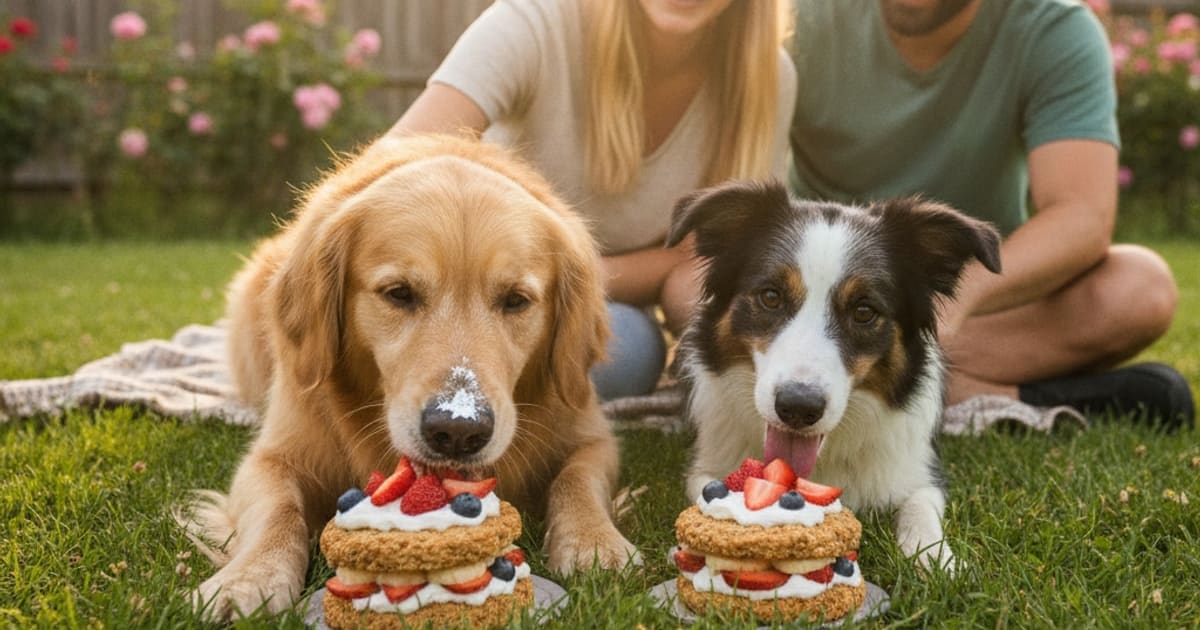
Shortcake is not toxic to dogs on its own, but it is a dessert built from butter, sugar, flour and cream, and that load of fat and sugar can bring on vomiting, diarrhoea or an inflamed pancreas in a dog whose system is not set up for it. If the shortcake your dog ate contained xylitol (sometimes listed as birch sugar), chocolate or cocoa, raisins, currants, sultanas or macadamia nuts, call your veterinarian or an animal poison control service such as the Pet Poison Helpline or the ASPCA Animal Poison Control Center now, without waiting for signs to appear. If it was plain biscuit, cream and fresh strawberries, stay close to your dog and call your vet if you see vomiting that will not settle, a swollen or painful belly, weakness, or a dog who cannot get comfortable.
Shortcake is really a family of foods rather than one recipe. The classic dessert is a crumbly sweet biscuit, split and filled with sugared strawberries and whipped cream. In the biscuit aisle, shortcake means a hard, buttery sweet biscuit, and fruit shortcake means the same dough studded with dried fruit. There are also frozen shortcake-flavoured bars. They share a name, not an ingredient list, and that difference decides how worried you need to be.
What actually goes into a shortcake
Strip the classic dessert back and you get flour, butter or vegetable shortening, sugar, a raising agent, salt, and milk or cream, sometimes with an egg. Nothing on that list is a poison for dogs, which is why a dog who licked crumbs off the floor sits in a different category from a dog who got into a bar of dark chocolate.
The trouble is how those ingredients stack up. Butter and cream make shortcake dense in fat, and a sudden hit of rich fat can irritate the gut lining and provoke the pancreas. Pancreatitis is painful and it is a reason to be seen: a hunched posture, a tense or sore belly, repeated vomiting, refusing food and unusual flatness are all signs to call your vet about rather than sit on.
Sugar brings calories without anything a dog needs from food. In a dog with diabetes, sweet food can push blood sugar around in ways that matter, so talk to your veterinarian before any dessert comes near a dog on a managed diet.
Wheat flour is not toxic to dogs. In a dog with a grain sensitivity it can bring on itching, ear irritation or loose stools, and that reaction belongs to the individual dog rather than to the food. Results vary from dog to dog.
Dairy is the other hitch. Dogs differ in how much lactase they keep into adulthood, and a dog who is short on it can get gas, cramping and diarrhoea from cream alone.
Strawberry shortcake, layer by layer
Strawberries themselves are not toxic to dogs. Fresh ones are mostly water, with fibre and vitamin C along for the ride. The green tops are not poisonous either, though they are fibrous and awkward to chew.
The strawberries in a shortcake are rarely plain. They are usually macerated in sugar or sitting in a sweet syrup, and some recipes use a canned glaze thickened with corn syrup. That turns a low-sugar fruit into a sugar delivery system before it ever reaches the biscuit.
Whipped cream is fat and sugar beaten with air. Aerosol versions add stabilisers and flavourings, and anything labelled sugar-free or light deserves a careful read, because sugar-free dairy toppings can be sweetened with xylitol. Xylitol is toxic to dogs and a toxic ingredient changes the situation completely: a dog who has eaten it needs a call to your vet or an animal poison control service right away.
Frozen shortcake-flavoured bars are a third thing again. They are ice cream or a dairy-style base rolled in cake crumb, sometimes with a chocolate coating or a chocolate-flavoured drizzle. Check the wrapper before you decide what you are dealing with.
Shortcake biscuits and fruit shortcake biscuits from the packet
Plain packaged shortcake biscuits are usually wheat flour, palm or other vegetable fat, sugar, glucose syrup, a raising agent, salt and flavouring. None of that is a poison, but it is a dry, hard, fat-rich biscuit with nothing in it a dog benefits from, and a dog who works through part of a packet can end up with stomach upset from the fat alone.
Fruit shortcake biscuits are a different conversation, because the fruit in them is almost always currants, raisins or sultanas. Those are all dried grapes.
Grapes and their dried forms can injure a dog's kidneys, the reaction does not track with how much was eaten, and a dog who has eaten fruit shortcake biscuits should be reported to your veterinarian or an animal poison control service immediately.
Two more things from the packet aisle are worth naming. Chocolate-coated and chocolate-chip shortcake varieties bring theobromine, which dogs clear slowly, and the darker the chocolate the more concentrated it is. And dogs who steal food rarely unwrap it first: plastic film, foil, cardboard and the odd skewer can sit in the gut and cause a blockage. If your dog swallowed a large chunk of packaging along with the biscuits, that is a reason to be seen.
How the different versions compare
| Version | Usually contains | Main concerns |
|---|---|---|
| Classic strawberry shortcake | Sweet biscuit, sugared strawberries, whipped cream | Fat and sugar load, dairy upset, sugar-free cream that may contain xylitol |
| Plain shortcake biscuits | Wheat flour, vegetable fat, sugar, glucose syrup | Rich fat and sugar, swallowed wrapper or foil |
| Fruit shortcake biscuits | The same dough plus currants, raisins or sultanas | Dried grapes are toxic to dogs: call your vet or an animal poison control service now |
| Chocolate-topped or chocolate-chip shortcake | Cocoa solids or a chocolate coating | Theobromine: call your vet or an animal poison control service now |
| Frozen shortcake-flavoured bars | Ice cream base, cake crumb, sugar, sometimes a chocolate coating | Fat, sugar, cold dairy, possible chocolate coating |
The dessert ingredients that make this urgent
Some things hiding in a shortcake move it from an upset-stomach problem to a phone-call-now problem:
- Xylitol, also sold as birch sugar. It turns up in sugar-free baking, icing, whipped toppings and nut butter fillings. In dogs it can cause a sharp drop in blood sugar and can injure the liver.
- Chocolate and cocoa. Theobromine and caffeine both act on the heart and nervous system, and dogs process them slowly.
- Raisins, currants and sultanas. Dried grapes have been linked to kidney injury in dogs, and the trigger is not fully worked out.
- Macadamia nuts. These can cause weakness, wobbliness, tremors and a raised temperature.
- Alcohol. Liqueur-soaked sponge and boozy cream count.
- Heavily spiced toppings. Nutmeg in quantity can affect the nervous system.
If any of these were in what your dog ate, call your veterinarian or an animal poison control service such as the Pet Poison Helpline or the ASPCA Animal Poison Control Center straight away, and take the label with you if you go in.
If your dog has already eaten shortcake
Find the packaging first and read the ingredient list, because that single step decides everything that follows.
- If the list includes xylitol or birch sugar, chocolate or cocoa, raisins, currants, sultanas, macadamia nuts or alcohol, call your vet or an animal poison control service now.
- If it was plain biscuit, cream and fresh fruit, keep fresh water available, put the rest well out of reach, and stay with your dog.
- Do not try to make your dog sick at home unless a veterinarian or a poison control service tells you to.
- Call your vet if you see vomiting that will not settle, diarrhoea that keeps coming, a swollen or painful belly, straining with nothing produced, trembling, weakness, pale gums, trouble breathing, or if your dog swallowed a large chunk of wrapper or foil.
A dog who seems bright and normal still deserves watching, because signs from a fatty meal can show up some time after the food is gone. Call your vet if anything continues or if you notice a change in how your dog stands, moves or breathes.
Dogs who need extra caution around sweet, fatty food
Some dogs carry less margin for a dessert mishap: dogs with diabetes, dogs who have had pancreatitis before, dogs carrying extra weight, dogs with known food allergies, dogs on medication prescribed by a vet, very small dogs for whom a rich mouthful lands harder, puppies, and pregnant or nursing dogs. For any of these, the answer is not a number you can look up. Your vet can tell you how sweet or fatty food fits with your dog's own health picture and the diet they are already on, and that conversation is worth having before a holiday or a birthday rather than after one.
Key Takeaways
- Shortcake is not toxic to dogs in itself, but it is dense in fat and sugar, and that combination can irritate the gut and provoke the pancreas.
- Strawberries are not toxic to dogs. The sugar syrup, the whipped cream and the biscuit around them are the parts that cause problems.
- Fruit shortcake biscuits usually contain currants, raisins or sultanas, which are dried grapes and are toxic to dogs. Treat that as a call-your-vet-now situation.
- Sugar-free toppings and sugar-free baked goods can contain xylitol, which is toxic to dogs. Always read the label before you decide it was harmless.
- Chocolate coatings, chocolate chips, macadamia nuts and alcohol-soaked sponge all raise the urgency.
- Swallowed wrapper, foil or cardboard can cause a blockage, so mention it when you call.
- Vomiting that will not settle, a swollen or painful belly, weakness, trembling or pale gums mean your dog needs to be seen.
For a wider list of the signs that mean a dog needs veterinary attention straight away, read Dog Emergency Signs.
Your veterinarian owns the diagnosis and the plan. They know your dog's weight, their history, what they are already being given and what a stolen dessert means in that context, and they are the right call the moment something looks off rather than the next morning. Food questions are worth raising at the routine visit too, so talk to your vet about what belongs in your dog's bowl and what is better kept on the counter, well out of reach.
Frequently asked questions
- Can dogs eat shortcake?
- Shortcake is not toxic to dogs, but it is dense in butter, sugar and cream, and that fat and sugar load can bring on vomiting, diarrhoea or an inflamed pancreas. Versions containing xylitol, chocolate, raisins or currants are toxic. Call your vet if your dog has eaten one of those.
- Can dogs eat strawberry shortcake?
- Strawberry shortcake is not toxic to dogs, since strawberries themselves are not poisonous, but the sugared fruit, whipped cream and buttery biscuit can upset the gut. Sugar-free whipped toppings may contain xylitol, which is toxic. Read the label and call your vet if xylitol was in it.
- Can dogs eat shortcake biscuits?
- Plain shortcake biscuits are not toxic to dogs, but they are dry, hard and rich in fat and sugar, which can irritate a dog's stomach. Swallowed wrapper or foil can also cause a blockage. Call your vet if you see vomiting that will not settle or a painful belly.
- Can dogs eat fruit shortcake biscuits?
- No. Fruit shortcake biscuits almost always contain currants, raisins or sultanas, which are dried grapes and are toxic to dogs. The reaction does not track with how much was eaten. If your dog has eaten them, call your vet or an animal poison control service now, before signs appear.
- Are strawberries toxic to dogs?
- Strawberries are not toxic to dogs. Fresh ones are mostly water with fibre and vitamin C, and the green tops are not poisonous either, although they are fibrous. The problem in dessert is what surrounds them: sugar syrup, glaze, cream and a butter-heavy biscuit base.
- What should I do if my dog ate whipped cream from a shortcake?
- Check the can or carton first. If it was sugar-free or light and lists xylitol or birch sugar, call your vet or an animal poison control service now. If it was standard cream, keep water available and call your vet if you see vomiting, diarrhoea, or a tense, painful belly.
- Is sugar-free shortcake worse for dogs than the regular kind?
- It can be. Sugar-free baked goods and toppings are sometimes sweetened with xylitol, also labelled birch sugar, which is toxic to dogs and can cause a sharp drop in blood sugar and liver injury. If your dog ate anything sugar-free, call your vet or an animal poison control service immediately.
- What signs mean my dog needs a vet after eating dessert?
- Call your vet if you see vomiting that will not settle, diarrhoea that keeps coming, a swollen or painful belly, straining with nothing produced, trembling, weakness, collapse, pale gums or trouble breathing. A swallowed chunk of wrapper or foil is also a reason to be seen rather than watched.
Educational content, not veterinary advice. Ask your vet about your dog.