Can Dogs Eat Soursop? Guanabana Safety for Dogs
Dogs can eat the plain ripe flesh of soursop once the skin and every seed are removed, and the seeds are the part to take seriously. Guanabana is the same fruit under a different name. Any dog that swallows seeds or a large piece needs a veterinary call.
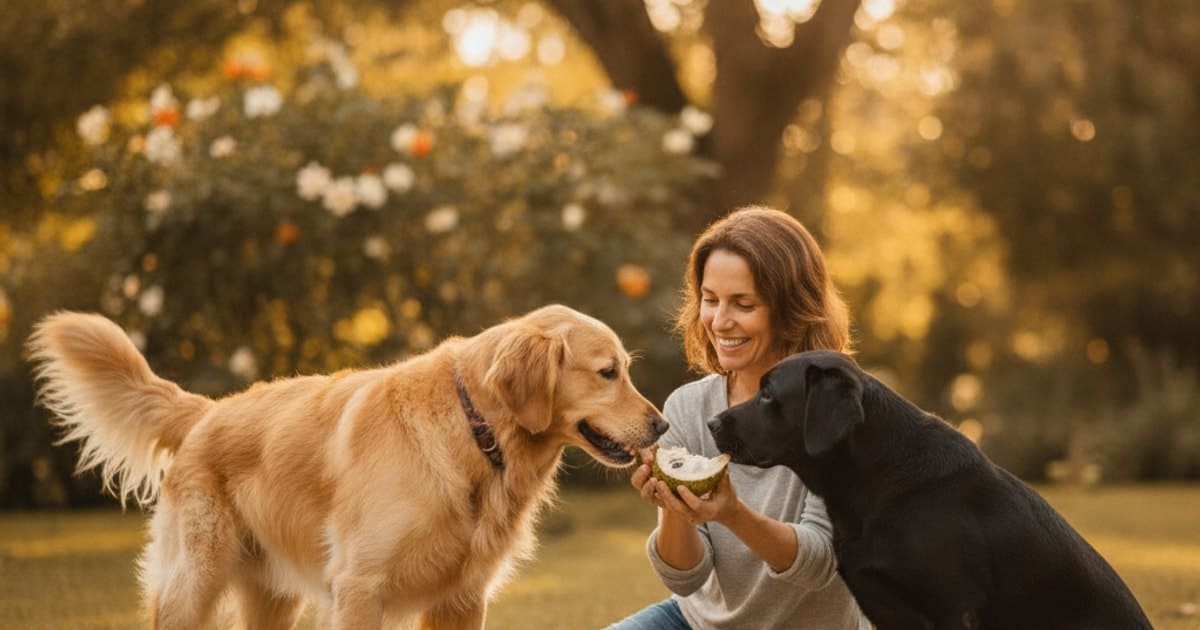
Dogs can eat plain, ripe soursop flesh once the spiny skin and every single seed have been taken out, but this is a fruit to handle carefully rather than hand over casually. If your dog has crunched or swallowed soursop seeds, eaten a large piece of skin or core, or is vomiting, drooling, wobbly or sore in the belly, call your veterinarian or an animal poison control service such as the ASPCA Animal Poison Control Center or the Pet Poison Helpline right away rather than waiting to see what happens.
The short version is that the soft white pulp is the least concerning part of the plant and the seeds are the part that earns real caution. Everything below explains why, which parts belong nowhere near a dog, and the signs that turn a curious nibble into a veterinary problem.
Soursop and guanabana are the same fruit
If you have searched for whether dogs can eat guanabana and separately for soursop, you have been searching for the same thing twice. Soursop, guanabana, graviola and guyabano are all common names for the fruit of Annona muricata, a tropical tree in the custard apple family. The fruit is large and heart shaped, with a leathery green skin covered in soft spines, a creamy white fibrous interior, and a scattering of hard, glossy dark seeds buried through the pulp.
So the answer to can dogs eat guanabana fruit is identical to the answer for soursop: the ripe flesh, prepared plainly and stripped of seeds and skin, is the only part that belongs in the conversation at all.
The flavour is often described as a cross between pineapple and banana with a citrus edge, which is exactly the kind of sweet, aromatic thing a dog will happily steal off a kitchen counter. That is worth knowing before you leave a cut fruit sitting out. Most soursop incidents with dogs are not a considered decision by an owner. They are a counter raid.
Is soursop poisonous to dogs?
Ripe soursop flesh is not treated as a classic toxic food for dogs. It is not in the same category as the handful of foods that veterinary toxicology services flag as dangerous in their own right. A dog that licks up a smear of ripe pulp is very unlikely to be in trouble because of the pulp alone.
That is not the same as saying the plant is inert. Soursop belongs to a plant family known for producing a group of compounds called annonaceous acetogenins, with annonacin among the better known of them. These compounds are concentrated in the seeds, and are also present in the leaves, bark and unripe parts of the tree rather than being spread evenly through the sweet pulp. Acetogenins have drawn scientific attention because of how they behave towards nerve cells and mitochondria in laboratory settings, and in some growing regions soursop seeds have a long history of being ground up and used as a natural insecticide. Anything used to kill insects is, by definition, biologically active.
So when owners ask whether soursop is bad for dogs, the honest answer is that it depends entirely on which part of the fruit, how much plant material is involved, and which dog. Results vary from dog to dog, and a sturdy adult with an iron stomach is a different proposition from a small, sensitive or unwell dog.
The seeds are the part that deserves real caution
Soursop seeds create three separate problems at once, and they stack.
The first is chemical. The seeds are where the acetogenin content sits highest. An intact seed that passes through a dog whole is a very different situation from a seed that gets crushed between molars, because chewing releases the contents. Nobody has worked out a safe amount of soursop seed for a dog, and nobody should be trying to find out at home.
The second is mechanical. The seeds are hard, smooth and slippery, roughly the size and shape of a large bean. They are a credible choking hazard for a dog that gulps rather than chews, and they are hard enough to chip or fracture a tooth in a dog that does chew. A single soursop can hold a great many of them, and they hide inside the fibres of the pulp where they are easy to miss.
The third is obstruction. Several swallowed seeds, a wad of tough fibrous core, or a strip of leathery skin can lodge in the stomach or intestine, particularly in small dogs. Gastrointestinal blockage is a surgical emergency, and it does not always announce itself immediately. Repeated vomiting, a tense or painful abdomen, refusing food, straining without producing stool, or a dog that just goes quiet and flat all deserve a same-day phone call.
Every seed comes out before soursop goes anywhere near your dog, and if that feels like too much work on a given day, skip the fruit entirely.
If you know or suspect your dog has swallowed seeds, do not wait for symptoms and do not attempt anything at home. Phone your veterinarian or a poison control service and describe what was eaten and roughly when.
Flesh, pulp, skin and juice compared
Owners search separately for soursop flesh and soursop pulp, but they describe the same thing: the soft white interior once the skin, core and seeds are gone. Here is how the parts of the fruit stack up against each other.
| Part of the fruit | What it is | Main concern for dogs | Where it lands |
|---|---|---|---|
| Ripe white pulp or flesh | soft, fibrous, sweet and tart | natural fruit sugar and fibre can loosen stools or upset a sensitive gut | plain and fully seed free, the least concerning part |
| Seeds | hard, glossy, dark, numerous | acetogenins including annonacin, plus choking, tooth fracture and blockage risk | never |
| Skin or rind | tough, green, spiny | indigestible, irritating, blockage risk | never |
| Fibrous central core | stringy column running through the fruit | hard to break down, blockage risk | never |
| Bottled juice, nectar or canned pulp | processed and frequently sweetened | added sugar, unidentified ingredients, possible seed fragments | avoid |
| Leaf tea, graviola capsules and extracts | concentrated plant compounds | concentrated acetogenins with no worked-out safety picture for dogs | never, unless a veterinarian has specifically directed it |
Unripe soursop is also worth avoiding. It is firm, astringent and harder to digest, and dogs get nothing from it.
Dogs for whom soursop is a poor idea
Some dogs should not be offered soursop at all, even perfectly prepared. Puppies have narrower airways and narrower intestines, which makes both choking and obstruction more likely, and their digestive systems are less forgiving of novel foods. Dogs with a history of pancreatitis, inflammatory bowel disease or a reliably delicate stomach tend to do badly with sweet, acidic, high-fibre fruit.
Dogs who are managing blood sugar problems should not be given sugary fruit without their veterinarian being part of that decision. The same goes for dogs on prescribed medication of any kind, dogs with kidney or liver conditions, and pregnant or nursing dogs. In all of those cases the right move is to talk to your vet first rather than reason it out from a blog post, including this one. Ongoing health problems change how a dog handles anything new, which is why your dog's existing conditions matter more than any general food list.
It is also worth saying plainly that no dog needs soursop. It is not a required nutrient source, and a dog's diet is not improved by adding a tropical fruit that comes packaged with a seed hazard. Plain carrot, green beans, blueberries or a slice of apple with the core and pips removed all deliver the same crunchy novelty with far less to go wrong.
When a soursop nibble becomes a veterinary matter
Call your veterinarian or an animal poison control line without delay if your dog has eaten soursop and shows any of the following:
- vomiting that will not settle, or repeated retching that brings nothing up
- a swollen, tense or clearly painful belly, or a dog who flinches when you touch it
- any suspicion that a large piece of skin, core or a mouthful of seeds was swallowed
- drooling, gagging, pawing at the mouth or difficulty swallowing
- tremors, stumbling, weakness or any change in alertness
- diarrhoea that persists, or stools that contain blood
- refusing food and water, straining to pass stool, or passing nothing at all
- rapid breathing, pale gums or collapse, which are emergency signs in any context
When you call, be ready to say what part of the fruit was eaten, whether seeds were involved, roughly when it happened, and your dog's weight and known health history. That information shapes the advice you get. Do not induce vomiting or give anything by mouth unless a veterinary professional has told you to, because the wrong move with a possible obstruction or a choking hazard makes things worse.
Key Takeaways
- Soursop and guanabana are the same fruit, so the safety answer is the same for both names.
- Plain, ripe, seed-free flesh is the only part that is reasonable to consider, and even then it is optional rather than beneficial.
- Soursop seeds are the real issue. They carry the highest concentration of acetogenins, including annonacin, and they are also a choking, tooth fracture and obstruction hazard.
- Skin, fibrous core, unripe fruit, sweetened juices and concentrated graviola products all belong on the no list.
- Puppies, small dogs, dogs with sensitive stomachs, dogs on medication and pregnant or nursing dogs should not be offered soursop without veterinary input.
- Vomiting that will not settle, a swollen or painful abdomen, or a swallowed large piece means a veterinary call, not a wait-and-see approach.
The decision that belongs with your veterinarian
A food-safety question looks simple until a specific dog is standing in front of you with a specific medical history. Your veterinarian is the one who knows that history, who can examine your dog, who can decide whether imaging is needed after a swallowed seed, and who owns both the diagnosis and the treatment plan. Nothing you read online replaces that, and nothing should delay a phone call when something has already been eaten.
If soursop is a fixture in your kitchen, the practical answer is to treat the whole fruit as off limits and keep cut fruit, peelings and seed piles well out of reach while you prepare it. That single habit removes almost every way this goes wrong.
Related reading: Dog Emergency Signs.
Frequently asked questions
- Can dogs eat soursop?
- Dogs can eat plain, ripe soursop flesh once the skin, fibrous core and every seed have been removed. The pulp itself is not treated as a toxic food, but the fruit offers nothing a dog needs. If your dog ate seeds or skin, contact your veterinarian promptly.
- Is soursop poisonous to dogs?
- Ripe soursop pulp is not classified as a poisonous food for dogs, but the plant is not harmless either. The seeds, leaves and bark contain compounds called acetogenins, including annonacin, which are biologically active. Treat seeds and plant material as off limits and call your veterinarian if any were eaten.
- Is soursop bad for dogs?
- It depends on which part. The ripe flesh is the least concerning and is usually tolerated plainly, while seeds, skin, core, unripe fruit and concentrated graviola products are genuinely risky. Dogs with sensitive stomachs, blood sugar problems or ongoing illness are better off without it. Talk to your vet first.
- Can dogs eat soursop fruit?
- Only the prepared ripe flesh, never the whole fruit. The spiny rind is indigestible and can cause a blockage, the fibrous core is hard to break down, and the embedded seeds carry both chemical and mechanical risk. A whole soursop left within reach is a counter-raid waiting to happen.
- Can dogs eat soursop flesh?
- Yes, plain ripe soursop flesh with all seeds and skin removed is the one part that is reasonable to consider. It is sweet and fibrous, so it can loosen stools in sensitive dogs. Results vary from dog to dog, and no dog needs soursop as part of its diet.
- Can dogs eat soursop pulp?
- Soursop pulp and soursop flesh are the same thing, so the answer matches: plain and completely seed free is acceptable, anything else is not. Avoid canned or bottled pulp, which is often sweetened and may contain seed fragments or ingredients that are unsuitable for dogs.
- Can dogs eat soursop seeds?
- No. Soursop seeds hold the highest concentration of acetogenins including annonacin, and they are also hard enough to fracture a tooth, slippery enough to choke on, and numerous enough to cause an intestinal blockage. If your dog swallowed or chewed seeds, call your veterinarian or a poison control service.
- Can dogs have soursop?
- Dogs can have plain ripe soursop flesh that has been fully deseeded and peeled, but it is optional rather than beneficial. Puppies, small dogs, dogs on medication, dogs with pancreatitis or blood sugar problems and pregnant or nursing dogs should not be offered it without veterinary guidance.
- Can dogs eat guanabana?
- Guanabana is simply another name for soursop, so the answer is identical. Plain ripe flesh with seeds and skin removed is the only part worth considering, and the seeds, rind and core should be kept well away from your dog. Check with your veterinarian if your dog has an existing health condition.
Educational content, not veterinary advice. Ask your vet about your dog.