Dog Ear Hematoma Treatment: Draining, Surgery and Aftercare
An ear hematoma is a reason to see your vet. This guide explains how a vet drains or surgically repairs the swelling, why a wrap and medicine may follow, how the cause is treated, and what aftercare involves.
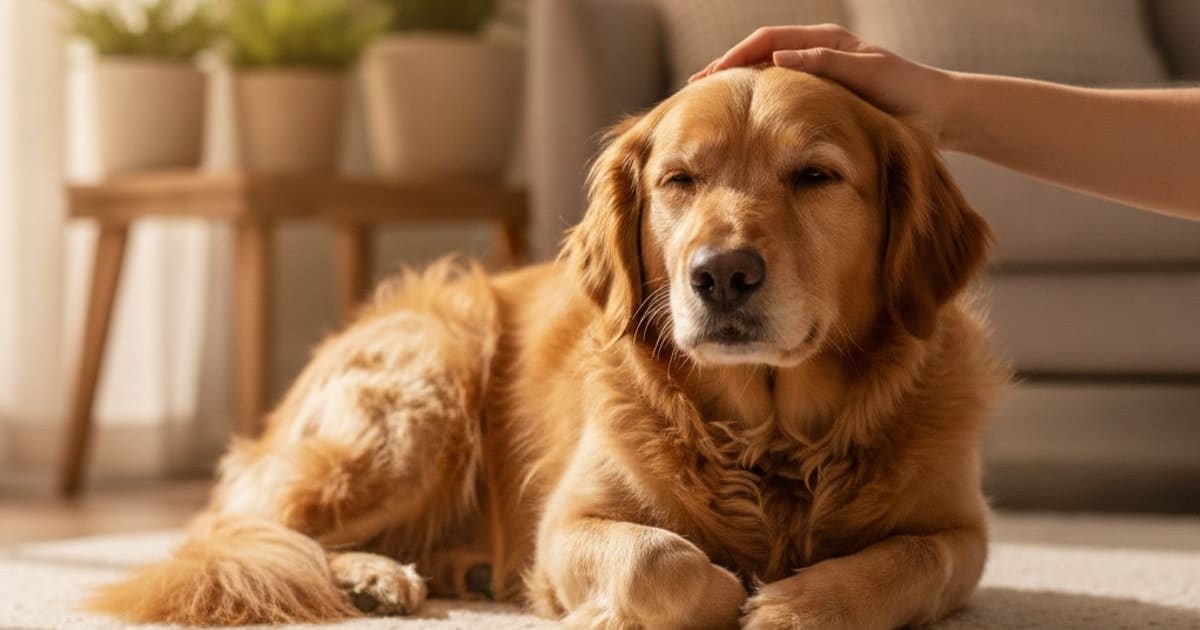
Dog ear hematoma treatment is a job for your vet, so an ear hematoma is a reason to see a vet. Go to an emergency vet now if the ear is bleeding heavily or the bleeding will not stop, your dog has a head tilt or is losing balance, or your dog is weak or collapses; otherwise book a same-day appointment. Any new lump or swelling should be checked by a vet, who may take a fine needle sample. An ear hematoma is a pocket of blood trapped between the skin and the cartilage of the ear flap, and it makes the flap puffy, tight and heavy. To treat a hematoma in a dog's ear, a vet confirms the swelling is blood, removes the blood by draining it or with surgery, may place a wrap to hold the ear flat, and treats the problem that set off the head shaking, such as an ear infection or an allergy. Treating that cause matters as much as treating the swelling, because the swelling is the result of something else going on.
When to go to the vet now
Go to an emergency vet now if you notice any of these:
- The ear is bleeding heavily, or the bleeding will not stop
- Your dog has a head tilt, is circling, or is losing balance or falling over
- Your dog is weak, wobbly or collapses
- Your dog is in severe pain and will not let anyone near the head
If the swelling has burst and is bleeding, hold gentle pressure with a clean cloth on the way to the vet, and do nothing else to the ear. For any other ear hematoma, book a same-day appointment with your vet. The guide to Dog Emergency Signs lists other signs that need care now.
What can cause an ear hematoma
An ear hematoma forms when small blood vessels inside the ear flap break and blood leaks into the space between the skin and the cartilage. The trigger can be hard or repeated head shaking, scratching at the ear, or a knock to the flap. The blood collects faster than the body can clear it, and the flap swells. Because the swelling is a result of something else, your vet looks for the reason behind it as part of treatment, not as a separate step.
Ear problems that cause itch or pain are among the possibilities your vet checks. An infection in the ear canal from bacteria or yeast can make a dog shake its head and scratch at the ear. Ear mites can cause intense itch. Allergies, whether to something in the environment or to an ingredient in food, can inflame the skin of the ears and lead to scratching and rubbing. Something stuck deep in the ear canal, such as a grass seed, can also set off frantic shaking.
Your vet also considers causes outside the ear canal. A bite, a scratch from another animal or a blow to the head can damage the vessels in the flap directly. A problem with how the blood clots can allow bleeding into the ear with little or no injury. The immune system may also play a part in making the vessels in the flap fragile. Your vet weighs each of these possibilities against the history you give and what the exam and tests show.
Finding the cause matters, because if the itch or pain goes on, your dog can keep shaking and the ear can fill again, even after the blood has been removed. You can read about ear infections, allergies and skin problems in the conditions library, which explains what these conditions are and how vets approach them. Only your vet can say which one is behind your dog's swelling.
What your vet may do
Your vet starts with a full exam, looking at both ear flaps and both ear canals and checking the rest of your dog for signs of skin disease, pain or other illness. The other ear is checked too, because the same itch or infection can affect both sides. Looking deep into a sore, itchy ear can hurt, and some dogs need light sedation so the vet can see the eardrum and check for anything stuck in the canal.
To confirm the swelling is a hematoma, your vet may place a fine needle into it and draw out a small amount of fluid. The fluid helps your vet tell a hematoma apart from an abscess or a growth, which each need a different plan. Your vet may also take a swab from the ear canal and look at it under a microscope for bacteria, yeast or mites, and may send a sample to a lab to find which infection is present and which treatment will work against it. If the cause is not clear, or if the swelling appeared without any head shaking, blood tests, including clotting tests, may help find a bleeding problem. Blood tests are also part of the checks before an anesthetic.
Treatment then has two aims: removing the trapped blood and stopping it from building up again. There is more than one way to do this. Your vet chooses based on the size of the swelling, how long it has been there, the cause, your dog's age and general health, and whether the ear has had a hematoma before.
Draining with a needle is the least invasive option. Your vet removes the blood through a needle and syringe, sometimes with sedation or local numbing. On its own, draining leaves the space between skin and cartilage open, so blood or fluid can collect again, and your vet may need to drain it more than once. Your vet may pair draining with medicine to reduce inflammation, given by mouth or placed into the drained space, with the aim of stopping the swelling from refilling.
Draining is only for your vet. A needle or blade used at home can carry infection into the ear, cause heavy bleeding and hurt your dog, and it does nothing about the cause.
Another option is a small drain tube, sometimes called a cannula, placed through the skin into the swelling. The tube lets fluid keep draining out instead of building up, while the layers of the ear flap stick back together. Your vet decides when the tube comes out and how it should be looked after, which means leaving it alone unless your vet tells you otherwise.
Dog ear hematoma surgery is done under general anesthesia. The vet makes a cut along the inside of the ear flap, removes the blood and clots, and places a pattern of stitches through the flap to hold the skin and cartilage together so there is no space left for blood to fill. Some surgical methods leave a small opening so any new fluid can drain out. The length of the operation depends on the size of the swelling, the method and whether the ear canal also needs treatment while your dog is asleep, so talk to your vet about the plan for the day and when you can collect your dog.
Choosing between draining and surgery is a decision you make with your vet. Draining avoids a full anesthetic and a surgical wound, but the space can fill again. Surgery closes the space and removes clots in one procedure, but it needs general anesthesia, stitches and more aftercare. A hematoma that is not treated can scar as it shrinks, leaving the ear flap thickened and crumpled, which is one reason your vet treats it rather than letting it run its course. Talk to your vet about the benefits and risks of each option for your dog.
After draining or surgery, your vet may place a wrap or bandage that holds the ear flat against the head. The wrap can protect the treated ear, limit flapping and help the layers stay pressed together. Only your vet should place, change or remove it. Do not put a wrap on at home, and do not loosen or remove one your vet has placed.
Medicine is part of the plan. Your vet may prescribe medicine to ease pain and reduce swelling, treatment to clear an infection, and treatment for mites or allergy itch, depending on what the tests show. Give each medicine exactly as your vet directs, and do not give your dog any human medicine, because some can poison dogs.
Treating the cause runs alongside treating the ear flap. If an ear infection is behind the swelling, your vet treats the infection and checks the ear canal again at rechecks. If allergies are the likely trigger, your vet may suggest a longer plan to control the itch, which can include tests, medicine or a diet your vet sets. If a grass seed or other object is in the canal, your vet removes it, which can need sedation. If blood tests point to a clotting or immune problem, that becomes part of the treatment plan too. Controlling the itch and pain removes the reason for the head shaking that damaged the ear in the first place.
Aftercare follows the written instructions your vet gives you. These can include giving every prescribed medicine, keeping each recheck so the vet can look at the ear and change the wrap, and returning to have stitches or a drain tube removed at the time your vet sets. Your vet will also explain how to stop your dog scratching, rubbing or shaking the treated ear. Do not clean the ear, put anything in or on it, or remove stitches, tubes or a wrap yourself.
Call your vet again if you notice new swelling in the ear, bleeding, discharge, a bad smell, a wrap that has slipped or got wet, scratching at the ear, a head tilt, or if your dog seems unwell or stops eating. Go to an emergency vet now if the ear bleeds heavily or your dog is weak or collapses.
What to tell your vet
Tell your vet:
- When you first noticed the swelling, and whether it came on suddenly
- Any change in its size since then
- Any bleeding, or whether the swelling has burst
- Any licking, scratching, rubbing or head shaking, and any earlier ear problems
- Other signs, such as discharge, a smell, a head tilt or loss of appetite, and any medicines your dog takes
Frequently asked questions
- Is an ear hematoma an emergency in dogs?
- An ear hematoma needs an emergency vet now if the ear is bleeding heavily or the bleeding will not stop, if your dog has a head tilt or is losing balance, or if your dog is weak or collapses. For any other ear hematoma, book a same-day appointment, because the swelling needs vet treatment.
- What should I do if my dog has an ear hematoma?
- Call your vet today and book a same-day appointment. Do not put anything on the ear, do not try to drain it and do not wrap it. Before the visit, note when you first saw the swelling and any head shaking or scratching. Go to an emergency vet now if the ear bleeds heavily or your dog loses balance.
- Can I treat an ear hematoma at home?
- No, because an ear hematoma needs a vet to drain or repair it and to treat the cause. Do not put anything on the ear, do not squeeze or pierce the swelling and do not wrap it. If it has burst and is bleeding, hold gentle pressure with a clean cloth on the way to the vet only.
- How does a vet treat a hematoma in a dog's ear?
- Your vet first confirms the swelling is blood and looks for the cause, such as an ear infection or allergy. Treatment can be draining the blood with a needle, placing a small drain tube, or surgery to remove the blood and close the space. Medicine for the cause of the head shaking is part of the plan.
- Can an ear hematoma be drained?
- Yes, a vet can drain an ear hematoma with a needle or through a small cut, sometimes leaving a drain tube in place. Draining must only be done by a vet, with clean equipment and the right pain relief. Never try it at home, because piercing the ear can cause infection and heavy bleeding.
- How long does ear hematoma surgery take?
- There is no set length, because it depends on the size of the swelling, the method your vet chooses and whether the ear canal also needs treatment. Your dog is under general anesthesia and needs time to wake up before going home. Talk to your vet about the plan for the day and when to collect your dog.
- What is the difference between draining and surgery for an ear hematoma?
- Draining removes the blood through a needle or small tube and can be done with sedation, but the space can fill again. Surgery opens the ear flap, removes the blood and clots, and stitches the layers together so the space is closed. Your vet weighs your dog's health, the size of the swelling and past episodes.
- Is there medicine for an ear hematoma in dogs?
- Your vet may prescribe medicine to reduce swelling and inflammation, ease pain, clear an ear infection or calm allergy itch. Some medicine can also be given alongside draining. Only give medicine your vet prescribes, exactly as directed. Never give your dog human pain medicine, because some can poison dogs.
- Why does my vet put a wrap on my dog's ear?
- A wrap or bandage placed by your vet holds the ear flap flat against the head after draining or surgery. It can protect the wound, limit flapping and help the layers stay together. Do not remove, change or reapply the wrap yourself. Call your vet again if it slips, smells, gets wet or seems tight.
- What does aftercare involve after ear hematoma surgery?
- Follow your vet's written instructions exactly: give every prescribed medicine, keep every recheck, and leave the wrap, stitches and drain alone. Do not clean the ear or put anything in or on it. Call your vet again if you notice new swelling, bleeding, discharge, a bad smell, scratching at the ear, or your dog seems unwell.
Educational content, not veterinary advice. Ask your vet about your dog.