Dog Lump on Back After Vaccine: When to See the Vet
A lump on your dog's back after a vaccine, injection or surgery is a reason to see a vet today. So is a dog that yelps when picked up after shots. This page covers the emergency signs, what the vet checks and what to tell them.
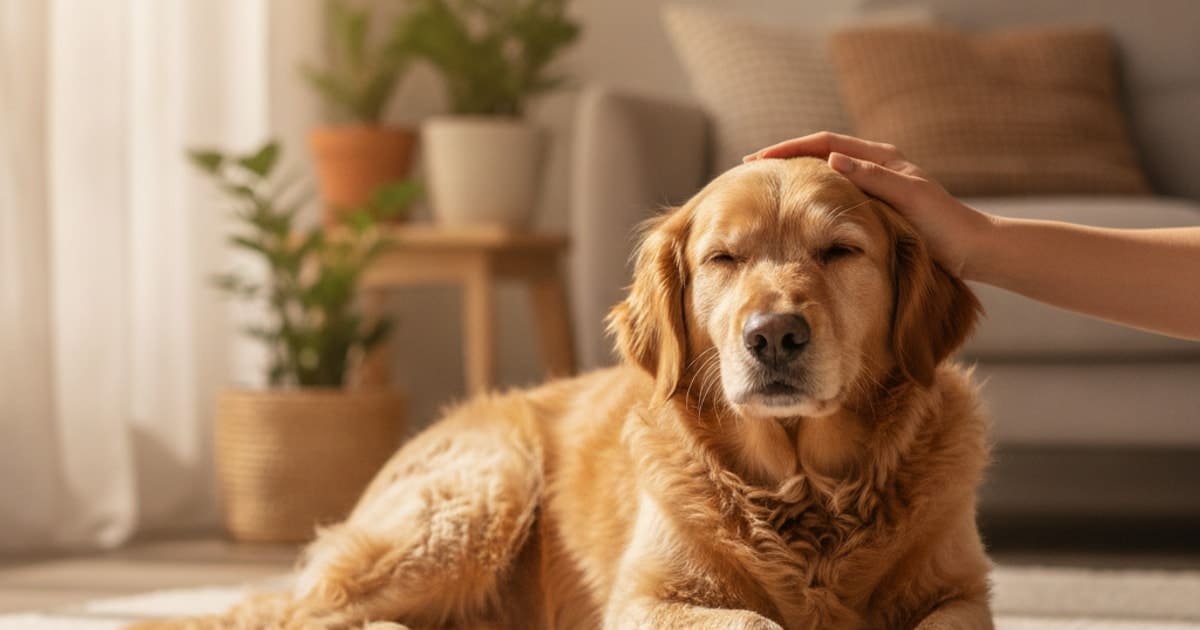
A lump on the back after a vaccine is a reason to take your dog to a vet. Go to an emergency vet now if your dog has trouble breathing, a swollen face or hives, collapses or is very weak, or the lump or wound is bleeding heavily or has opened; otherwise book a same-day appointment. Any new lump or swelling should be checked by a vet, who may take a fine needle sample. The same applies to a lump after any other injection, a swelling near a surgery wound, and a dog or puppy that yelps or cries when picked up after shots. Call your vet today. If you can, call the clinic that gave the shot or did the surgery, because it holds the record of what was given, where on the body and when. This page explains what the vet looks for, what they may do and what to tell them when you call.
When to go to the vet now
Go to an emergency vet now, day or night, if your dog has any of these after a vaccine, an injection or surgery:
- Trouble breathing, noisy breathing or struggling to get air
- A swollen face, muzzle, lips or eyelids, or hives over the body
- Collapse, sudden weakness or being unable to stand
- Repeated vomiting or diarrhea after the shot
- A lump or wound that is bleeding heavily, or a surgery wound that has opened
If your dog is bleeding, press gently on the spot with a clean cloth on the way to the clinic, and do nothing more. Call the emergency clinic as you set off so the team is ready for you. The Dog Emergency Signs page covers other signs that need care straight away. For anything else on this page, book a same-day appointment.
What can cause a lump on the back after a vaccine
A lump where a shot went in can have several causes, and it takes a vet to find out which one it is. Vaccines are given under the skin or into a muscle. The area over the shoulders and along the back is one place vets give them, so a lump on the back after a vaccine can sit right where the needle went in. You cannot tell the causes apart by looking at the lump or touching it at home. Each cause below is a possibility your vet checks, not something to decide yourself.
One possibility is inflammation at the injection site, where the tissue under the skin reacts to the vaccine. Another is a granuloma, a small pocket of inflammation that forms around vaccine material in the tissue. The vet also checks for an abscess, which is an infected pocket of pus that can form if germs were carried in through the skin. They check for a bruise or a small collection of blood or fluid under the skin as well. A lump can also be part of an allergic reaction to the vaccine, so the vet asks about other signs such as itching, hives, swelling of the face, vomiting or tiredness.
A lump on your dog's back after a rabies shot has the same set of possibilities. The rabies vaccine can be given under the skin or into a muscle, depending on the vaccine and the clinic, and the vet may ask which spot was used. The vet also considers a reaction in the small blood vessels of the skin. This can lead to hair loss or a patch of changed skin at or near the injection spot, and it can appear some time after the shot. The clinic that gave the rabies shot has a record of where and when it went in. Tell your vet if your dog has had a lump or a skin change after a rabies shot in the past.
A lump on your dog's back after an injection that was not a vaccine has a similar list. Medicines, fluids and other treatments can be given under the skin of the back, and any of them can lead to inflammation, a reaction or an infection at the spot. If your dog had fluids under the skin, the vet considers whether the swelling is that fluid or something else, such as infection, bleeding under the skin or a reaction. Tell the vet what was given, because the type of injection shapes what they check first.
A lump on your dog's back after heartworm treatment is a reason to call the clinic treating your dog today. Heartworm treatment can include injections into the muscles along the lower back, and the vet checks those spots for swelling, soreness, infection and inflammation in the muscle. A dog in heartworm treatment also needs the strict rest the vet has set. Any new lump, pain, cough, tiredness or weakness during treatment is a reason to call that clinic today. Trouble breathing or collapse during heartworm treatment means going to an emergency vet now.
A lump on your dog's back after surgery, or a swelling near any surgery wound, has its own list of possibilities. The vet checks for:
- a seroma, which is a pocket of fluid that can collect under a wound
- infection in the wound or under the skin
- a reaction to stitches or to the material used to close the wound
- bleeding under the skin
- a gap where deeper stitches have given way
Licking, chewing or rubbing at a wound can add to these problems, so tell the vet if your dog has been at it. A swelling near a wound is a same-day call to the clinic that did the surgery. A wound that has opened or is bleeding heavily is an emergency.
A dog yelping when picked up after shots is a reason to call your vet today, and so is a puppy crying when picked up after a vaccine. Lifting a dog presses on the shoulders, chest, back and belly. The vet checks for soreness at the injection spot, sore muscle where a shot went into a muscle, and a fever or general aches as part of a reaction to the vaccine. Puppies get a series of vaccines, sometimes with more than one shot at a visit, so a puppy that yelps when picked up after shots may be sore in more than one place. The vet also looks beyond the injection, because pain from the neck, spine, joints or belly can show up as yelping or crying when your dog is lifted. A vet exam may help find where it is coming from. Tell your vet today that your puppy cried or yelped after this round, because it can shape how the rest of the series is planned. The Puppy Vaccination Schedule page explains how the puppy series fits together.
Not every lump on the back after a vaccine comes from the shot. A growth, a cyst or a skin problem that was already there can be noticed for the first time after a vet visit draws your attention to that area, and the vet considers this too. The vet also checks for a growth starting at the injection site itself, which is one reason they may sample or remove a lump at a vaccine spot. Whatever the lump seems like to you, the call is the same: a same-day appointment, or an emergency vet now for the signs listed above.
What your vet may do
Your vet starts by asking about the vaccine, injection or surgery: what was given, where on the body and when. If a different clinic gave the shot or did the operation, your vet may ask for that record. Then comes a full physical exam. The vet looks at the lump and feels it, measures its size, and checks the skin over it, the area around it and the lymph nodes nearby. They take your dog's temperature, listen to the heart and lungs, and feel along the neck, back, belly and legs for pain. That last part matters when a dog cries or yelps when picked up.
A fine needle sample is one of the first tests the vet may use for a lump. A thin needle draws a few cells or a little fluid from the lump. The vet looks at them under a microscope or sends them to a lab. This can show whether the lump holds inflammation, infection, fluid, blood or cells that need further tests. Some dogs need light sedation for a proper look at a painful area. If the sample does not give a clear answer, the vet may take a biopsy, which is a small piece of tissue taken under sedation or anesthesia. They may also remove the whole lump and send it to a lab.
For a swelling near a surgery wound, the vet may draw off fluid, take a swab to look for infection, and check whether the deeper layers of the wound are holding. An ultrasound scan can show what sits under the skin, such as a pocket of fluid or a gap in the muscle wall. For a dog that yelps when lifted, the vet may take X-rays of the spine, chest or limbs if the exam points to pain there.
Blood tests can help when your dog seems unwell, has a fever, or is in the middle of heartworm treatment. If the vet finds an infection, they may drain it and prescribe medicine. If they find a reaction to a vaccine, they may prescribe medicine for the reaction and note it on your dog's record, so future shots can be planned around it. Talk to your vet about what this means for your dog's vaccines. It may mean giving shots at a different spot on the body, spreading them across separate visits, or taking another approach.
Call your vet again if the lump grows, opens, bleeds or becomes more painful after the visit, or if your dog stops eating or seems unwell. Once your vet has named a cause, the conditions library has pages on conditions your vet may mention.
What to tell your vet
When you call, have these details ready. They help the vet decide what to check first and which tests may help.
- When you first noticed the lump, soreness or yelping, and when the vaccine, injection or surgery was done
- Any change in the lump since you first noticed it, such as growing or changing shape
- Any bleeding, oozing or discharge from the lump or wound
- Whether your dog is licking, chewing or scratching at the spot
- Other signs, such as tiredness, not eating, vomiting, itching, hives or crying when picked up
- What was given and where on the body, if you know
Tell the vet about any reaction your dog has had to a vaccine or injection in the past. Also mention any other lumps on your dog's body, including ones that have been there for a long time. If a different clinic gave the shot or did the surgery, give your vet its name so they can ask for the record. If your dog is in heartworm treatment, say so at the start of the call, along with the rest plan you were given. For a puppy, have the vaccine record to hand, because it shows which shots were given at the last visit and where.
Before the visit, do not press, squeeze or put anything on the lump or wound. Write down the date you first saw it and any change since, so you can give the vet a clear record.
Frequently asked questions
- Is a lump on the back after a vaccine an emergency in dogs?
- It is an emergency if your dog has trouble breathing, a swollen face or hives, collapses or is very weak, has repeated vomiting, or the lump or wound is bleeding heavily or has opened. Go to an emergency vet now for any of these. For a lump without these signs, book a same-day vet appointment.
- What should I do if my dog has a lump on the back after a vaccine?
- Call your vet today, ideally the clinic that gave the vaccine, and book a same-day appointment. Say which vaccine was given, when, and where on the body, and describe when you first noticed the lump and any change since. Go to an emergency vet now if your dog has trouble breathing, facial swelling or collapses.
- Can I treat a lump on the back after a vaccine at home?
- No, because a vet needs to find the cause. Do not put anything on the lump, and do not squeeze, press, pop or remove anything before the vet sees it. Doing so can push infection deeper and spoil the sample your vet may need. If it bleeds, press gently with a clean cloth on the way to the vet.
- Why is there a lump on my dog's back after a rabies shot?
- The vet checks for inflammation where the vaccine went in, a small pocket of inflammation around vaccine material, an abscess, a bruise or an allergic reaction. They also consider a reaction in the small blood vessels of the skin and a growth at the site. Call the clinic that gave the shot today for a same-day check.
- Why does my dog have a lump on the back after an injection?
- Any injection, whether a medicine, fluids or a vaccine, can lead to inflammation, a reaction, an infection or bleeding under the skin. If fluids were given under the skin, the vet considers whether the swelling is that fluid. Only a vet exam can tell these apart, so call your vet today and say what was injected and where.
- What can cause a lump on my dog's back after surgery?
- The vet checks for a seroma, which is a pocket of fluid under the wound. They also check for infection, a reaction to stitches, bleeding under the skin, or a gap where deeper stitches have given way. Call the clinic that did the surgery today. Go to an emergency vet now if the wound has opened or is bleeding heavily.
- Why is there a lump on my dog's back after heartworm treatment?
- Heartworm treatment can include injections into the muscles of the lower back, and the vet checks those spots for swelling, soreness and inflammation in the muscle, as well as infection. Call the clinic treating your dog today about any lump or pain. Go to an emergency vet now for trouble breathing, coughing up blood or collapse.
- Why is my dog yelping when picked up after shots?
- Lifting your dog presses on the shoulders, back, chest and belly. The vet checks for soreness at the injection spot, sore muscle where a shot went into a muscle, and fever or aches from a vaccine reaction. The vet also checks for pain from the neck, spine, joints or belly. Call your vet today for a same-day check.
- Why is my puppy crying when picked up after a vaccine?
- A puppy crying or yelping when picked up after a vaccine may be sore at one or more injection spots. It may have aches or a fever from a reaction, or pain from somewhere else the vet needs to find. Call your vet today, and go to an emergency vet now for facial swelling, trouble breathing or collapse.
- Should my dog have more vaccines after a lump at the injection spot?
- Talk to your vet before any further vaccine. Your vet can tell you how a past reaction fits into your dog's vaccine plan. That may mean giving shots at a different spot, at separate visits, or choosing a different approach. Tell the vet about the lump and any other reaction so it goes on your dog's record.
Educational content, not veterinary advice. Ask your vet about your dog.