Dog Panting and Shaking During a Storm: When to See the Vet
Panting and shaking during a storm is a reason to see a vet. Go to an emergency vet now for collapse, a seizure, trouble breathing or an injury. Otherwise book a same-day appointment so your vet can find the cause.
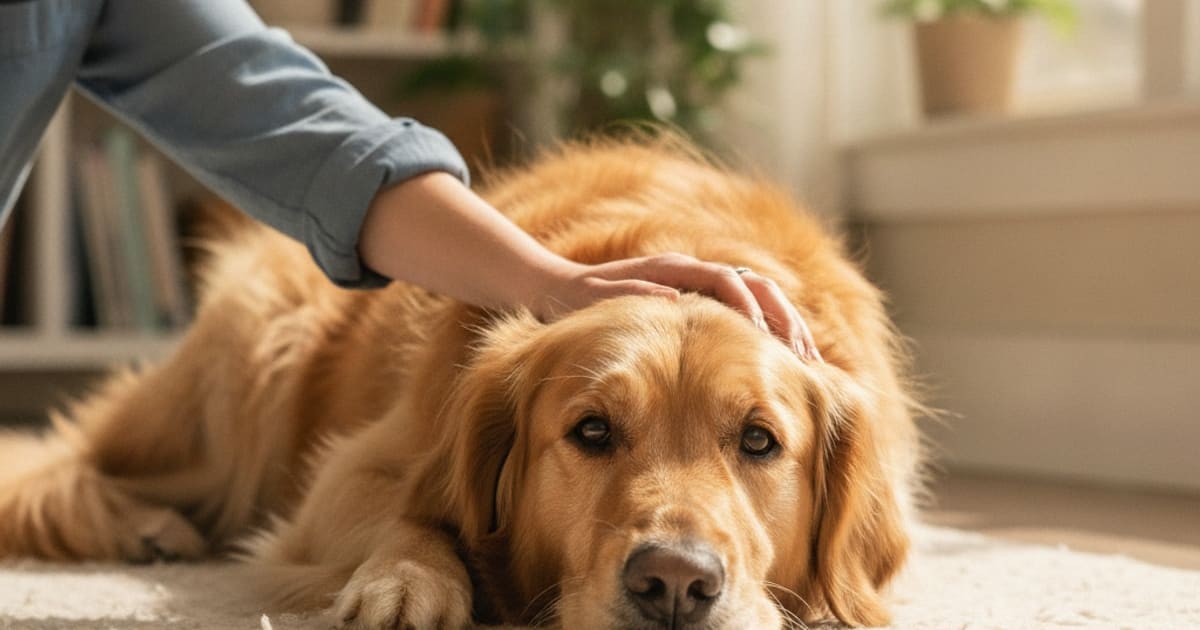
Panting and shaking during a storm is a reason to see a vet, because fear and a health problem can look the same. Go to an emergency vet now if your dog collapses or cannot stand, has a seizure, struggles to breathe, or is hurt or bleeding after trying to escape; otherwise book a same-day appointment. A dog panting and shaking during storm season, during fireworks or after a loud noise can be frightened, but pain, heat or an illness can cause the same signs. If your dog is shaking and panting in the car, the reason can be fear of travel, motion sickness, heat inside the car, pain or an illness that has nothing to do with the trip, and your vet is the one who can find which. Talk to your vet today and describe what you saw, when it started and what was happening around your dog.
When to go to the vet now
Go to an emergency vet now if your dog has any of these during or after a storm, fireworks, a car ride or time alone:
- Collapse, or your dog cannot stand or get up
- A seizure, or shaking your dog does not seem aware of
- Struggling to breathe, or very heavy panting with weakness or wobbling, in a warm room or car
- Bleeding or an injury after trying to escape, hide or break out
- Getting into food, rubbish or medicine during the panic: call your vet or an animal poison control service now
If your dog is bleeding, gentle pressure with a clean cloth on the way to the vet is the only thing to do. For a wider list of urgent signs, read Dog Emergency Signs. For shaking and panting without any of the signs above, book a same-day appointment so your vet can look for the cause.
What can cause panting and shaking during a storm
Shaking and panting are two of the ways a dog's body can react to stress, and fear is one possibility your vet will consider when the signs start during a thunderstorm, fireworks, a car ride or time alone. A loud noise can set off a fear response in the body: the heart beats faster, breathing speeds up and the muscles tense, and that can show as trembling and heavy panting. A dog shaking and panting when scared may also pace, hide, drool, yawn, cling to you, try to get out of the house or have accidents indoors. These signs on their own do not tell you what is happening inside your dog, which is why the vet looks at the whole picture rather than one sign.
A storm brings more than thunder. Changes in air pressure, wind, rain against the windows, flashes of lightning and a darker sky may all be part of what a dog reacts to, and a dog shaking and panting from thunder can be reacting to several of these at once. Your vet may ask whether the signs start before you can hear the storm and how they change as it passes, because the timing helps build a picture of what your dog is responding to.
Fireworks bring sudden, unpredictable bangs and flashes, and they can go on late into the night or across a holiday period. A dog shaking and panting because of fireworks may be reacting to fear, and the same is true of a dog still shaking and panting after the fireworks have stopped. But a frightened dog can also hurt itself while trying to hide or escape, can overheat from panting hard in a warm room, or can have a problem that started at the same time by chance. Your vet keeps all of these in mind, not only fear.
In the car, the possibilities your vet checks include fear of travel or of where the car is going, motion sickness, heat building up inside the car, and pain when your dog braces against the turns and stops. A dog whose car rides end at the clinic may link the car with the visit, and a dog with sore joints or a sore back can find standing in a moving car painful. Any of these can lead to a dog shaking and panting in the car, and more than one can be present at the same time.
When the shaking and panting start as you get ready to leave, or while your dog is alone, fear of separation is one possibility. Your vet will also think about whether pain, a change in hearing or sight, or an illness is making your dog more still developing than before, as these can make it harder for a dog to cope with being left.
Panting and shaking are not only signs of fear. Pain anywhere in the body, including the joints, back, belly, ears or mouth, can cause trembling and panting. Overheating can cause heavy panting, and a frightened dog in a warm room or a car can overheat faster because panting and pacing add heat. Nausea, a fever, an infection, low blood sugar, hormone problems such as an overactive adrenal gland, heart or lung disease, and problems of the nervous system that cause tremors are among the things your vet may look for. An older dog can develop changes in hearing, sight or thinking that make storms and noise harder to handle. Some medicines can cause panting or trembling as a side effect, so bring a list of everything your dog takes. You can read more about many of these problems in the conditions library.
A frightened dog can also get into things it would leave alone on a calm day, such as food on a counter, rubbish or medicine. If your dog got into anything during the storm, the fireworks or while alone, call your vet or an animal poison control service now.
Shaking and panting from anxiety is a phrase you may hear, and anxiety is a real possibility, but it is a diagnosis your vet reaches after looking for other causes, not one to settle at home. Because fear and a medical problem can look the same, and because a frightened dog can also be in pain or unwell, your vet works out the cause with an exam and, where needed, tests.
What your vet may do
Your vet will start with questions about what you saw: when the shaking and panting started, what was happening around your dog, how long each episode lasted and whether anything has changed. A short video of an episode, taken on your phone, can help, because a dog can look calm by the time it reaches the clinic.
If the shaking happens in the car, your vet may ask how long the trip was, whether the car was warm, whether your dog vomited or drooled, and whether the same thing happens on short trips. For storms and fireworks, your vet may ask whether the reaction has grown stronger or has started with sounds that did not bother your dog before.
Next comes a physical exam. Your vet listens to the heart and lungs, takes your dog's temperature, looks at the gums and checks for signs of dehydration. Your vet feels the belly for pain, moves the joints and spine gently, looks in the mouth, eyes and ears, and checks the nerves and reflexes. Pain that does not show at home can show up when the vet feels a sore area, which is one reason the exam matters even when fear looks like the answer. If your dog is very frightened at the clinic, your vet may suggest light sedation for a proper exam, or a quieter time to visit.
Depending on what the exam finds, your vet may suggest blood tests to look at the organs, blood sugar and signs of infection, a urine test, a blood pressure check, or X-rays or an ultrasound of the chest or belly. If a hormone problem is a possibility, there are specific blood tests for that. If the trembling looks like it comes from the nervous system, your vet may refer your dog to a specialist for more tests.
If no other cause turns up and fear looks like the reason, the next step is a plan built around your dog. That plan can include ways to limit how much your dog is exposed to storms, fireworks or travel, training that aims to build calmer responses to the trigger, a referral to a vet who focuses on behaviour, and in some cases a medicine your vet prescribes for a known event such as fireworks night or a long drive. For car rides, your vet may also talk about motion sickness and how to plan the trip. Do not give your dog any medicine from home for fear or travel unless your vet has prescribed it for your dog, because some human medicines are dangerous for dogs and some can interact with what your dog already takes. Your vet can tell you how a plan for fear fits around any existing condition your dog has.
Call your vet again if the shaking and panting change, or start without a storm, fireworks, a car ride or time alone behind them, and go to an emergency vet now for collapse, a seizure or trouble breathing.
What to tell your vet
Before you call, write down what you can remember. It helps your vet to know:
- When you first noticed the shaking and panting, and what was happening at the time
- Any change since then, such as longer episodes, new triggers or shaking with no trigger
- Any bleeding or injury, including from trying to escape or hide
- Any licking at one spot, such as a paw, leg or belly
- Other signs: vomiting, diarrhoea, drooling, coughing, limping, hiding, or eating or drinking less or more
Also tell your vet your dog's age, any medicine your dog takes, and whether the same reaction has happened before with storms, fireworks, car rides, other loud noise or being left alone. Plain details about what you saw help your vet choose which checks and tests to start with. Talk to your vet today, and go to an emergency vet now if your dog collapses, has a seizure, struggles to breathe or is hurt.
Frequently asked questions
- Is panting and shaking during a storm an emergency in dogs?
- It is an emergency if your dog collapses or cannot stand, has a seizure, struggles to breathe, or is hurt or bleeding after trying to escape: go to an emergency vet now. For panting and shaking during a storm without those signs, book a same-day appointment so your vet can look for the cause.
- What should I do if my dog has panting and shaking during a storm?
- Call your vet today and describe what you see, when it started and what was happening around your dog. If your dog collapses, has a seizure, struggles to breathe or is hurt, go to an emergency vet now. Until you reach the vet, keep your dog indoors and away from open doors so a frightened dog cannot bolt.
- Can I treat panting and shaking during a storm at home?
- No, because fear, pain, heat and illness can all cause it, and only a vet exam can tell them apart. Do not give any medicine, and do not put anything on your dog or remove anything, before the vet exam. If your dog is bleeding, use gentle pressure with a clean cloth on the way to the vet only.
- Why is my dog shaking and panting in the car?
- Shaking and panting in the car can come from fear of travel, motion sickness, heat, pain when sitting or moving, or an illness that has nothing to do with the trip. Fear and a medical problem can look the same, so book a same-day vet appointment and tell your vet when the shaking starts and stops.
- Why is my dog shaking and panting after fireworks?
- Shaking and panting after fireworks can be fear that has not passed, but it can also be pain from an injury during a panic, heat, something your dog got into, or an illness. If your dog got into anything, call your vet or an animal poison control service now. Otherwise, book a same-day appointment.
- Why does my dog shake and pant from thunder?
- A dog can shake and pant from thunder because of fear of the noise, but changes in air pressure, wind, flashes of light and a dark sky can also unsettle a dog. Pain or an illness can look the same as storm fear, so talk to your vet and book a same-day appointment to find the cause.
- Why is my dog shaking and panting after a loud noise?
- A sudden bang can startle a dog into shaking and panting, and fear is one possibility your vet will consider. The noise can also come at the same time as pain, heat or an illness that causes the same signs. Book a same-day appointment, and go to an emergency vet now for collapse, a seizure or trouble breathing.
- Can shaking and panting when scared be a sign of anxiety?
- Fear and anxiety are possibilities your vet considers for shaking and panting when scared, along with pain, heat and illness. Anxiety is a diagnosis your vet makes after an exam, not one to reach at home. Your vet may suggest a plan for fear, which can include training help or a medicine your vet prescribes.
- Can my vet help a dog that is afraid of storms and fireworks?
- Yes, your vet can examine your dog to rule out pain or illness and then talk through a plan for fear of storms, fireworks or car rides. That plan may include behaviour training, a referral to a vet who focuses on behaviour, or a medicine your vet prescribes. Talk to your vet before fireworks night or the storm season.
- What will my vet ask about the shaking and panting?
- Your vet will ask when you first noticed the shaking and panting, what was happening at the time, how long each episode lasted and whether anything has changed. Your vet will also ask about bleeding, licking at one spot, eating, drinking, vomiting and any other signs. A short video of an episode can help your vet.
Educational content, not veterinary advice. Ask your vet about your dog.