Dog Shivering and Not Eating but Drinking Water: See a Vet
A dog shivering and not eating but still drinking water needs a same-day vet visit. If your dog is refusing water too, is weak, keeps vomiting or starts to twitch, go to an emergency vet now. Here is what can cause it and what your vet may do.
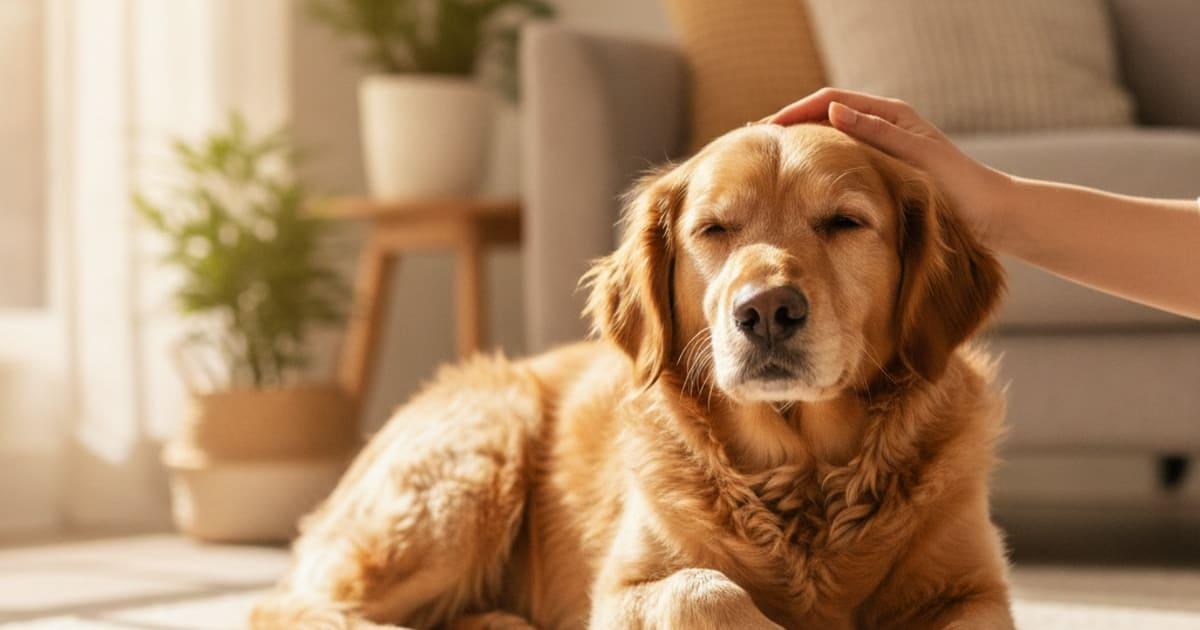
A dog shivering and not eating but drinking water needs a vet today, because shivering and appetite loss together can be a sign of pain or illness. Go to an emergency vet now if your dog is refusing water as well as food, is weak or collapsing, is vomiting again and again or has a swollen belly, or has shivering that turns into twitching or a seizure; otherwise book a same-day appointment. If your dog may have got into a medicine, a plant, rat bait or anything else that could be toxic, call your vet or an animal poison control service now. The reason a dog shivers and stops eating or drinking can sit in the gut, the kidneys, the liver, the hormones, the nerves or the muscles, or it can be pain, a fever, nausea or poisoning. A vet exam may help find which one it is. A dog that is still drinking water can still be seriously unwell. A dog that has stopped drinking as well can become dehydrated quickly, and that is why refusing water moves the visit from today to right now.
When to go to the vet now
- Your dog is refusing water as well as food.
- Your dog is weak, wobbly, collapsing or cannot stand.
- Your dog is vomiting again and again, retching without bringing anything up, or has a swollen, tight belly.
- The shivering turns into twitching, jerking or a seizure.
- Your dog is breathing fast or hard while resting.
- Your dog cries out, hides or stands hunched as if in strong pain.
- Your dog may have eaten something toxic: call your vet or an animal poison control service now.
What can cause shivering and appetite loss
Shivering and appetite loss have a wide range of possible causes, and the signs alone cannot tell you which one your dog has. The causes below are possibilities your vet checks, not something to sort out at home. Whether your dog is still drinking, drinking more than before, or refusing water changes how fast your dog needs care, but it does not point to one cause. For a wider guide to urgent signs, read Dog Emergency Signs, and for more on individual illnesses, see the conditions library.
Pain is one possible cause. A dog in pain can shiver, tremble and turn away from food while still lapping at water. The pain can come from the belly, for example inflammation of the pancreas or the stomach, from the back or neck, from the joints, from the mouth and teeth, or from an injury you did not see happen. A dog with a sore neck or back can find it hard to lower its head to a bowl, and a dog with a sore mouth can find chewing painful. Your vet checks each area gently during the exam to find where the pain is coming from.
Nausea and gut problems are another possibility. A dog that feels sick can shake, drool, lick its lips and refuse food, yet still drink, and sometimes the water comes back up soon after. Your vet considers an upset stomach, an infection of the gut, inflammation of the pancreas and a blockage from something swallowed, such as a toy, a sock, a corn cob or a piece of bone. A blockage can stop a dog from keeping anything down at all and needs prompt care. If your dog may have swallowed an object or a bone, call your vet now.
Fever and infection can also cause shivering. A dog with a fever can shiver even in a warm room and lose all interest in food, while still drinking or even drinking more. Infections can start in the lungs, the urinary tract, the skin, a wound, the mouth, the joints or the blood, and some infections are carried by ticks. In an unspayed female, your vet checks for an infection of the womb, which can follow a heat season and needs urgent care. Your vet takes your dog's temperature at the clinic as part of the exam.
Poisoning is a possibility your vet takes seriously. Some medicines meant for people, some garden and house plants, rat and mouse bait, slug bait, certain mushrooms, some foods and some household products can cause shaking, tremors, drooling and a dog that will not eat. Some toxins act on the nerves and muscles, and others harm the kidneys or the liver. If there is any chance your dog got into something toxic, call your vet or an animal poison control service now, and bring the packaging or the label to the clinic if you have it.
When a dog is shaking, not eating and drinking a lot, your vet looks at illnesses that change thirst. These include kidney disease, liver disease, diabetes and its complications, and hormone illnesses such as Addison's disease and Cushing's disease. Addison's disease can cause shaking, weakness, appetite loss, vomiting and diarrhea, and a crisis from it needs emergency care. Low blood sugar can also cause trembling, weakness and a dog that seems dull or confused. Drinking more than before is a sign in its own right, so tell your vet about it even if your dog seems otherwise bright.
Problems with the nerves, the brain or the muscles can show up as shivering or trembling. Your vet considers tremor conditions, the early stage of a seizure, an imbalance of minerals such as calcium or potassium in the blood, and muscle weakness from other illness. A dog that feels unwell from any of these can lose interest in food. Shivering that changes into twitching, paddling, stiffness or a loss of awareness is a reason to go to an emergency vet now.
Fear and stress can bring on shaking and a loss of appetite, for example after fireworks, a storm, a stay away from home or a move. Being cold or wet can also make a dog shiver. The signs of stress look the same from the outside as the signs of pain, fever or nausea, so your vet checks for a medical cause first rather than putting the shaking down to nerves. A dog that stops eating needs that check whatever the setting.
A reaction to a medicine your dog already takes, or to a recent vaccine, can cause shaking and appetite loss in some dogs. Tell your vet about every medicine your dog is on, including any started recently. Do not stop or change a medicine on your own: talk to your vet first, because stopping some medicines suddenly can cause problems of its own.
When a senior dog is shivering and not eating but still drinking water, your vet looks closely at kidney and liver disease, hormone illnesses, pain from the joints, back or teeth, and growths inside the body. Age does not explain any of these signs on its own. An older dog can lose strength and fluid quickly once it stops eating, so a same-day visit matters just as much for a senior dog as for a younger one, and refusing water is a reason to go now.
When a dog is shivering and not eating or drinking, any of the causes above is possible, and the lack of water makes the situation more urgent. A dog that will not drink can become dehydrated, and dehydration can make shaking, weakness and nausea worse. Your vet can replace that lost fluid at the clinic while looking for the cause, which is why a dog that is refusing water needs an emergency vet now.
What your vet may do
Your vet starts by asking about your dog's history and then does a full physical exam. This includes taking your dog's temperature to look for a fever, listening to the heart and lungs, feeling the belly for pain, swelling or a blockage, looking in the mouth and at the teeth, checking the gums and how well hydrated your dog is, and moving the joints, back and neck to find sore areas. Your vet may also check the skin for ticks and wounds and feel the lymph nodes.
Blood tests can show signs of infection and inflammation, how well the kidneys and liver are working, blood sugar, mineral levels such as calcium and potassium, and hormone problems. A urine test can show infection and how well the kidneys are concentrating urine, and helps explain a dog that is drinking a lot. Your vet may suggest X-rays or an ultrasound scan of the belly or chest to look for a blockage, fluid, an enlarged organ, an infection of the womb or a growth. Other tests can include a test for tick-borne infections, a specific hormone test or a pancreas test. Some dogs need light sedation for a proper look at a painful area.
If poisoning is possible, your vet may give treatment to limit how much of the toxin your dog takes in and may give medicine to control tremors. Do not try to make your dog vomit at home.
Treatment for a dog shivering and not eating but drinking water depends on the cause your vet finds. It can include fluids given under the skin or through a drip to replace lost water, a medicine your vet prescribes for nausea, pain, infection or a hormone problem, a change of diet set by your vet, or surgery to remove a blockage. Some dogs need a stay in the hospital so the team can give fluids and check them closely. There is no home treatment for these signs: do not give medicine meant for people and do not force food or water. Talk to your vet about each step of the plan. After the visit, call your vet again if your dog stops drinking, collapses, vomits again and again or starts to twitch.
What to tell your vet
- When you first noticed the shivering and when your dog last ate.
- Any change since then, such as the shivering getting stronger or your dog becoming quieter.
- Whether your dog is drinking more, less or not at all, and any change in peeing.
- Any vomiting, diarrhea or bleeding, including blood in vomit, stool or urine.
- Any licking of the lips, drooling or licking at one spot on the body.
- Anything your dog may have eaten or got into, and every medicine your dog takes.
- Other signs, such as coughing, limping, hiding, or a recent heat season in an unspayed female.
Frequently asked questions
- Is shivering and appetite loss an emergency in dogs?
- Go to an emergency vet now if your dog is refusing water as well as food, is weak or collapsing, or is vomiting repeatedly or has a swollen belly. If your dog may have eaten something toxic, call your vet or an animal poison control service now. For anything else, book a same-day appointment.
- What should I do if my dog has shivering and appetite loss?
- Call your vet today and book a same-day appointment. Tell them when the shivering started, whether your dog is still drinking, and any vomiting, diarrhea or other signs. If your dog stops drinking, collapses, keeps vomiting, has a swollen belly or starts to twitch or seize, go to an emergency vet now.
- Can I treat shivering and appetite loss at home?
- No, because shivering and appetite loss can come from pain, infection, poisoning or an illness that only a vet can find. Do not give any medicine, put anything on your dog or remove anything. If there is bleeding, hold a clean cloth gently on it on the way to the vet. Call your vet today.
- Why is my dog shivering and not eating or drinking?
- A dog that is shivering and refusing both food and water can have pain, a fever, nausea, a blockage in the gut, poisoning or an illness such as kidney or liver disease. A dog that will not drink can lose fluid fast, so go to an emergency vet now rather than waiting.
- Why is my dog shaking and not eating but still drinking water?
- Shaking with appetite loss in a dog that still drinks can come from nausea, belly pain, a fever, an infection, a reaction to a medicine or an illness of the kidneys, liver or hormones. Still drinking does not rule out a serious problem, so book a same-day vet appointment and tell your vet how much your dog is drinking.
- Why is my dog shaking and not eating or drinking?
- Shaking while refusing food and water can be a sign of pain, fever, poisoning, a blocked gut, low blood sugar or a kidney, liver or hormone illness. A dog that will not drink can become dehydrated quickly, so go to an emergency vet now. If a toxin is possible, call your vet or an animal poison control service now.
- What does it mean if my dog is shaking, not eating and drinking a lot?
- Drinking more, alongside shaking and appetite loss, can come from kidney disease, diabetes, a hormone illness, a liver problem or an infection. In an unspayed female, your vet checks for an infection of the womb, which needs urgent care. Book a same-day vet appointment, and go to an emergency vet now if your dog is weak or vomiting repeatedly.
- Why is my senior dog shivering and not eating but drinking water?
- In an older dog, shivering with appetite loss can come from pain in the joints, back or belly, kidney or liver disease, a hormone illness, dental pain, an infection or a growth inside the body. Age never explains these signs on its own, so book a same-day vet appointment and mention any change in thirst or weight.
- What treatment does a vet give a dog that is shivering and not eating?
- Treatment depends on the cause your vet finds. It can include fluids to replace lost water, a medicine your vet prescribes for nausea, pain or infection, a special diet, surgery for a blockage, or a hospital stay for close care. Talk to your vet about the plan, and do not give any medicine at home first.
- Can stress or fear make a dog shiver and stop eating?
- Yes, fear and stress, such as after fireworks, a storm or a move, can bring on shivering and a loss of appetite. Your vet still needs to check for pain, fever, nausea and other illness first, because these signs look the same from the outside. Book a same-day appointment rather than assuming it is stress.
Educational content, not veterinary advice. Ask your vet about your dog.