Is a Dog Third Eyelid Showing and Squinting an Emergency?
A squinting eye with the third eyelid showing is a sign of eye pain and a reason to see a vet today. Learn which signs need an emergency vet now, what your vet may check, and what to tell your vet.
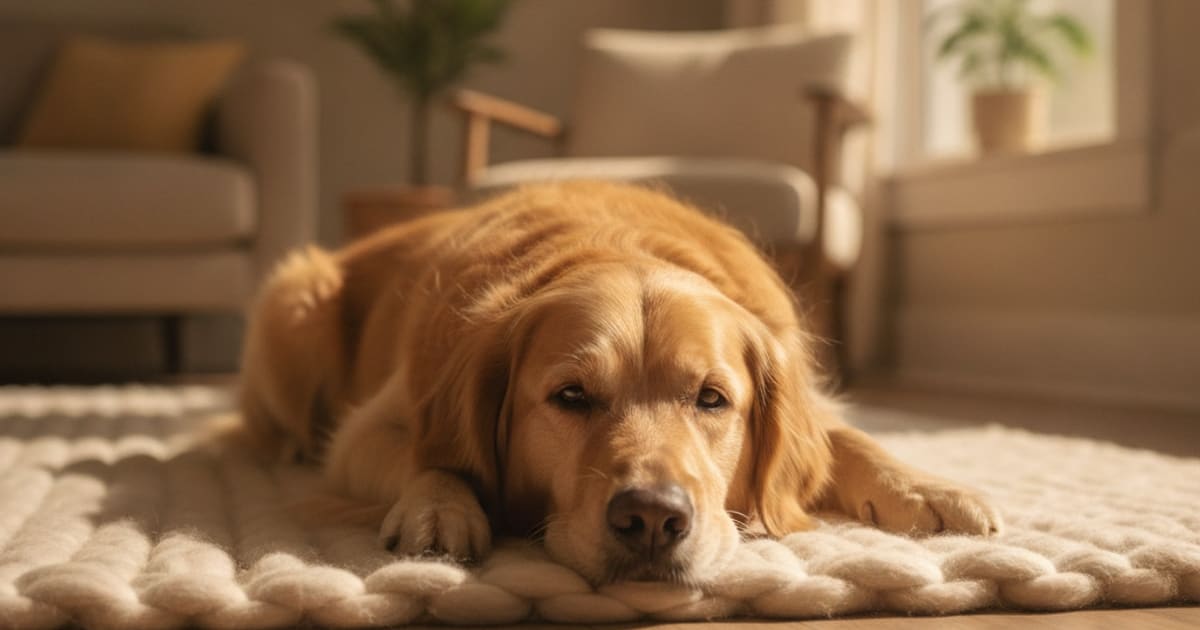
A squinting eye with the third eyelid showing is a sign of eye pain and a reason to see a vet today. Go to an emergency vet now if the eye has been hurt or something is stuck in it, the eye looks bulging or cloudy, there is blood in or around the eye, or your dog seems suddenly unable to see; otherwise book a same-day appointment. So the plain answer for a dog third eyelid showing and squinting is the vet: emergency care for the signs above, and a same-day visit for everything else. The third eyelid is a thin fold of tissue in the inner corner of each eye. When an eye hurts, the eyeball draws back a little and this fold slides partly across it. Squinting and a showing third eyelid together are how a dog shows a painful eye. A painful eye can get worse quickly, and a vet exam may help find the cause before the eye is harmed.
When to go to the vet now
- The eye has been hurt, scratched or poked, or something is stuck in it
- The eye looks bulging or cloudy
- There is blood in or around the eye
- Your dog seems suddenly unable to see or is bumping into things
For any of these, go straight to an emergency vet now, and do not stop to rinse or treat the eye on the way. Every other squinting eye with the third eyelid showing needs a same-day appointment, whether it is one eye or both. For other signs that need care straight away, see Dog Emergency Signs.
What can cause a squinting eye with the third eyelid showing
Squinting with the third eyelid showing is a sign, not a diagnosis. It tells you that the eye hurts, but not why. Quite different problems can sit behind the same two signs, and some of them can get worse within a short time, so the cause is something your vet works out with an exam. The possibilities below are the kinds of things your vet considers and checks. They are not a way to name the problem from how the eye looks at home.
A scratch or sore on the surface of the eye is one possibility. The clear front of the eye, called the cornea, is packed with nerve endings, so even a small scratch can hurt a great deal. A branch, a claw during play, grit, sand or a grass seed can all scratch it. A deeper sore on the cornea is called a corneal ulcer, and an ulcer can deepen if it is not treated. Your vet checks the cornea for scratches and ulcers in every squinting eye, because they cannot be ruled out by looking.
Something stuck in the eye or under the lids is another. Grass seeds, plant awns, sand, hair and other small bits can lodge under the upper or lower eyelid or behind the third eyelid itself. From there, they rub on the eye with every blink. They can sit where they cannot be seen without bright light, magnification and sometimes numbing drops, which is part of why your vet looks behind the third eyelid. Do not try to look for or remove anything yourself, because handling the eye can push an object deeper or scratch the cornea.
Conjunctivitis is inflammation of the pink tissue that lines the eyelids and covers the white of the eye. It can come from allergies, irritants such as smoke or dust, infection, or a problem elsewhere in the eye that sets off the inflammation. It can bring redness, discharge, rubbing, and squinting with the third eyelid showing. Conjunctivitis with the third eyelid showing and squinting can look a great deal like a scratched eye, inflammation inside the eye or raised pressure in the eye, and those need very different care. That is why conjunctivitis is something your vet confirms or rules out with an exam, not a label to settle on at home.
Irritants and chemicals can also be behind it. Smoke, sprays, cleaning products and shampoo that get into the eye can sting and inflame its surface. If a chemical or cleaning product got into your dog's eye, call your vet now.
Eyelid and eyelash problems are another possibility. Eyelids that roll inward, extra eyelashes, or lashes that grow from the wrong place can rub on the cornea with every blink. Some dogs are born with eyelid shapes that let this happen, and an injury or scarring can change how a lid sits. Your vet looks closely at both lids and every row of lashes as part of the exam, sometimes with magnification.
Problems inside the eye are a key reason for a same-day visit. Inflammation inside the eye, called uveitis, and raised pressure inside the eye, called glaucoma, can both cause squinting and a showing third eyelid. Both can damage sight quickly, and neither can be confirmed or ruled out without the vet's instruments. Uveitis can be linked to infection, injury or illness elsewhere in the body, so your vet may suggest blood tests to look for a cause outside the eye. These problems are a large part of why every squinting eye with the third eyelid showing needs a vet the same day, even when the eye does not look badly hurt.
Dry eye happens when the eye does not make enough tears. The surface becomes sore, and it can develop sores and thick discharge. Dry eye can cause squinting and a showing third eyelid, and your vet can measure tear production with a short test in the clinic.
Nerve and whole-body causes are part of the picture too. A problem with the nerves that supply the eye and face can make the third eyelid show and the eye look narrowed, and your vet has tests in the clinic for this. Pain elsewhere in the body, dehydration and general illness can also bring the third eyelids up. Your vet checks for these with an exam of the whole dog, not just the eye.
A dog third eyelid showing and squinting in both eyes is still a reason for a same-day visit, and the emergency signs above apply to either eye. When both eyes are involved, your vet considers causes that can affect the two eyes together, such as allergies, irritants, dry eye, eyelid shape and illness elsewhere in the body, as well as a separate problem in each eye. For more on this, see Why Is My Dog Squinting Both Eyes?, and for a single eye, see What to Do If Your Dog Is Squinting One Eye. You can read about eye problems and other health topics in the conditions library.
What your vet may do
Your vet starts by asking when the squinting began, whether it is one eye or both, and whether anything happened before it, such as a knock to the head, a run through long grass or a bath. Then comes a look at your dog as a whole, because some eye problems are linked to illness elsewhere in the body.
The eye exam uses a bright light and magnification to look at the eyelids, the lashes, the surface of the eye and the structures inside it. Your vet may put numbing drops in the eye so your dog can open it more easily, and then look behind the third eyelid for anything stuck there. Some dogs need light sedation for a proper look at a painful eye.
A stain test is one of the first checks for a squinting eye. Your vet places a drop of orange dye on the eye. The dye sticks to any scratch or sore on the cornea and glows under a blue light, which shows the size and depth of the damage.
Your vet may also measure the pressure inside the eye with a small handheld instrument after numbing drops, which checks for glaucoma. Tear production can be measured with a thin paper strip placed at the edge of the lower lid for a short time, which checks for dry eye. If inflammation inside the eye is found, or both eyes are affected, blood tests or other tests may help look for a cause in the rest of the body. For some problems, your vet may refer your dog to a veterinary eye specialist.
Treatment for a dog with the third eyelid showing and squinting depends on what the exam finds, so there is no single treatment for these two signs. It can include removing a grass seed or other object, a medicine your vet prescribes as drops or ointment for the eye, medicine for pain, treatment to bring down pressure inside the eye, or surgery for an eyelid problem or a deep ulcer. Some eye drops can make a scratched eye worse, so never use drops or ointment left over from an earlier problem or from another pet. Ask how to give each medicine, and talk to your vet about any step of the plan you are unsure of.
Your vet may ask to see the eye again to check how it is responding to treatment. If the eye looks bulging, cloudy or bloody at any point, or your dog seems unable to see, go to an emergency vet now rather than waiting for a planned recheck.
What to tell your vet
- When you first noticed the squinting and the third eyelid showing
- Any change since then, and whether it is one eye or both
- Any bleeding, discharge or tears from the eye
- Any licking, rubbing or pawing at the eye or face
- Other signs, such as a knock to the head, time in long grass, eating less, low energy, or any medicine your dog already takes
Also tell your vet about any eye problems your dog has had before, and any drops or ointment that have already gone into the eye. Do not add anything else to the eye before the visit. If you have questions while you wait for the appointment, talk to your veterinarian by phone. If the eye becomes bulging or cloudy, you see blood in or around the eye, or your dog starts bumping into things, go to an emergency vet now rather than waiting for the booked time.
Frequently asked questions
- Is a squinting eye with the third eyelid showing an emergency in dogs?
- It is an emergency if the eye has been hurt or something is stuck in it, the eye looks bulging or cloudy, there is blood in or around the eye, or your dog seems suddenly unable to see. Go to an emergency vet now for any of these. For anything else, book a same-day vet appointment.
- What should I do if my dog has a squinting eye with the third eyelid showing?
- Call your vet today and book a same-day appointment, because squinting with the third eyelid showing is a sign of eye pain. Do not rinse, wipe or put anything in the eye. If the eye is hurt, bulging, cloudy or bleeding, or your dog seems unable to see, go to an emergency vet now.
- Can I treat a squinting eye with the third eyelid showing at home?
- No, because the cause needs a vet exam first. Do not put drops, ointment or anything else in the eye, and do not try to remove anything from it. For bleeding, hold a clean cloth gently on the skin around the eye, never on the eye itself, on the way to the vet only.
- Is it an emergency when a dog's third eyelid is showing?
- A third eyelid that is showing is a reason to call your vet today, with or without squinting. Go to an emergency vet now if the eye is hurt, bulging, cloudy or bleeding, or your dog seems suddenly unable to see. Otherwise book a same-day appointment so your vet can find the cause.
- What does it mean if my dog is squinting both eyes with the third eyelids showing?
- It means both eyes may be painful, and it needs a same-day vet visit. Your vet checks each eye for problems on the surface, eyelids and inside the eye, and may also look for illness elsewhere in the body. Go to an emergency vet now if either eye is hurt, bulging, cloudy or bleeding.
- Can conjunctivitis cause squinting with the third eyelid showing?
- Yes, conjunctivitis can cause squinting and a showing third eyelid, but so can a scratched eye, something stuck under the lids, raised eye pressure and inflammation inside the eye. These can look alike, so your vet examines the eye to find the cause. Book a same-day appointment rather than treating it as conjunctivitis at home.
- How is squinting with the third eyelid showing treated?
- Treatment depends on the cause your vet finds. It can include removing something stuck in the eye, a medicine your vet prescribes as drops or ointment, medicine for pain, treatment to lower pressure inside the eye, or surgery for eyelid problems or a deep sore. Talk to your vet about each step of the plan.
- Why does the third eyelid show when a dog's eye hurts?
- When the eye is sore, the muscles around it pull the eyeball back slightly into the socket. That lets the third eyelid, a thin fold in the inner corner, slide partly across the eye. Squinting and a showing third eyelid together are a sign of eye pain and a reason to see your vet today.
- Could something be stuck behind my dog's third eyelid?
- It can happen, because grass seeds, plant awns and grit can lodge behind the third eyelid where they are hard to see. Do not try to look behind the eyelid or remove anything yourself, as this can scratch the eye. Your vet can check behind it, sometimes after numbing drops, at a same-day visit.
- Can a painful eye with the third eyelid showing harm my dog's sight?
- Some causes can, which is why the eye needs a vet the same day. A deep sore on the eye, raised pressure inside the eye and inflammation inside the eye can damage sight quickly. Go to an emergency vet now if the eye is bulging, cloudy, bleeding or your dog seems unable to see.
Educational content, not veterinary advice. Ask your vet about your dog.