Why Is My Dog Squinting Both Eyes? When to See a Vet
Squinting in both eyes is a sign of eye pain or irritation in dogs and a reason to see a vet the same day. Learn the emergency signs, the possible causes your vet checks and what to tell your vet.
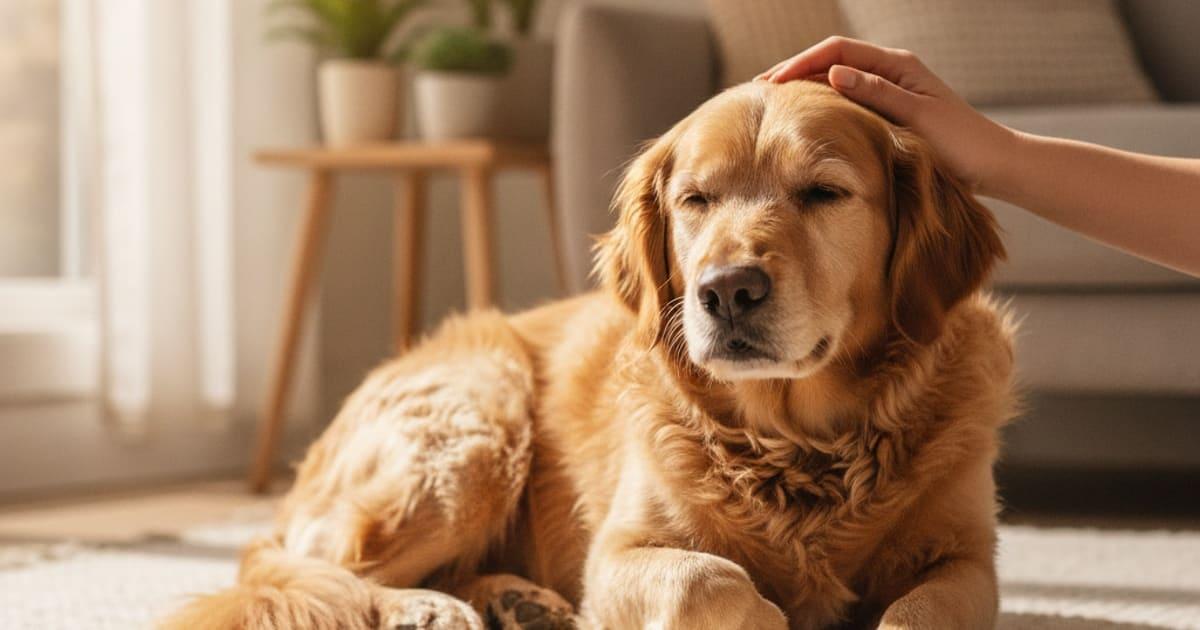
Squinting in both eyes is a sign of eye pain or irritation, and it is a reason to see a vet. Go to an emergency vet now if your dog has had an eye injury or a chemical splash, if an eye looks cloudy, bulging or bloody, if your dog seems unable to see, or if the squinting comes with lethargy, shaking or collapse; otherwise book a same-day appointment. Only an eye exam can answer the question 'why is my dog squinting both eyes', because the same squint can come from a scratch on the eye, an infection, dry eye, raised pressure inside the eye or an illness that affects the whole body. The eye has very little room to cope with damage, and eye pain can get worse fast, so a dog squinting both eyes suddenly needs to be seen the same day even when nothing else seems wrong.
When to go to the vet now
- An injury to the face or eyes, such as a scratch, a bite, a knock or a run-in with a branch
- A chemical, cleaner, spray or other substance that got into the eyes
- An eye that looks cloudy, bulging or bloody
- Bumping into things or sudden trouble seeing
- Squinting with lethargy, shaking, vomiting, hiding or collapse
These signs mean the eyes or the whole body need urgent care. Do not put anything in or on the eyes and do not try to open them on the way. If a chemical or another substance got into the eyes, or your dog may have swallowed something, call your vet or an animal poison control service now while you travel. Our guide to Dog Emergency Signs covers other signs that mean you should go now.
What can cause squinting in both eyes
Squinting is how a dog protects an eye that hurts. The muscles around the eye tighten, the lids close partly or fully, and the dog may blink a lot, turn away from light or rub at the face. When both eyes are affected at the same time, your vet looks at causes that can reach both eyes at once, such as something in the air or the environment, a problem with the tears or eyelids, or an illness elsewhere in the body that shows up in the eyes. The causes below are possibilities your vet checks. None of them can be told apart by looking at the eyes at home, and the look of the eyes does not show how serious the problem is.
Damage to the clear front of the eye, called the cornea, is one possibility. A scratch or an ulcer on the cornea can be very painful, and both eyes can be affected after a run through long grass or undergrowth, a day on a windy beach, digging or rough play. Grass seeds, sand, dust or other small bits of material can also lodge under the eyelids or behind the third eyelid, out of sight. Your vet checks for these with a dye that shows damage on the eye surface and with a careful look under the lids. Do not try to open the eyes, look under the lids or remove anything yourself, because this can add to the damage.
Irritants in the air or on the coat are another possibility. Smoke, aerosol sprays, cleaning products, perfumes, chlorinated water, shampoo and dust can all sting the eyes. Allergies to pollen, dust or other things in the environment can make both eyes itchy and sore at the same time. Conjunctivitis, which is inflammation of the pink tissue around the eye, can come from allergies, irritants or infection, and it can make the eyes look red and swollen. If a chemical or cleaning product got into the eyes, go to an emergency vet now and call your vet or an animal poison control service now on the way.
A dog squinting both eyes with red eyes may have one of these surface problems, but redness can also come with inflammation inside the eye or raised eye pressure. Red eyes do not point to one cause, so redness is a reason for a same-day exam rather than a clue to sort out at home.
A dog squinting both eyes with no discharge still needs a vet. Scratches, ulcers, raised pressure and inflammation inside the eye can all hurt with little or no discharge, so clear eyes do not rule out a painful problem. Discharge, when it is there, is one more thing to mention to your vet.
Dry eye is another possibility your vet considers. When the eyes make too few tears, the surface dries out, becomes sore and can develop ulcers, and this can affect both eyes. Eyelid and eyelash problems can also cause squinting in both eyes: lids that roll inward, lashes that grow toward the eye, or extra hairs that rub the surface. These can be present in some face shapes from a young age or can develop later in life. Your vet checks tear production with a simple tear test and looks closely at the lids and lashes.
Problems inside the eye can cause strong pain in both eyes. Uveitis is inflammation inside the eye, and it can be linked to infection, immune problems or other illness in the body. Glaucoma is a rise in pressure inside the eye, and it can damage sight quickly. Both can make a dog squint, avoid light and seem quiet or withdrawn. Your vet measures the pressure inside the eyes to check for these, and this is one reason sudden squinting needs to be seen the same day.
When a dog is squinting both eyes and lethargic, your vet considers illness that affects the whole body as well as the eyes. Infections, including some passed on by ticks, immune conditions, fever and other illness can show up in both eyes at once. A senior dog squinting both eyes and lethargic needs the same urgent care as a younger dog: go to an emergency vet now. Age is never the explanation for new squinting or a change in the eyes, and your vet looks for the cause at any age.
Squinting and shaking together can come from strong pain, fever, nausea, fear or exposure to something toxic. Shaking with squinting is a reason to go to an emergency vet now. If your dog may have got into a chemical, a plant, a medicine or any other substance, call your vet or an animal poison control service now as you head to the clinic.
The third eyelid is a thin fold in the inner corner of each eye. In a dog with the third eyelid showing and squinting both eyes, the eyelid can rise because the eyes hurt, or because of dehydration, weight loss, a nerve problem or an illness elsewhere in the body. Your vet examines the eyes and the whole dog to find out which applies.
A dog that keeps squinting both eyes, whether the squint is constant or comes and goes, needs a same-day appointment. Ongoing or returning squinting can point to an eyelid or lash problem, dry eye, allergies or an ulcer that has not healed, and these can damage the eye if they are not treated. Do not wait for the squinting to stop before you call.
This list cannot tell you which cause is behind your dog's squint, and nothing you can see at home can either. For more background on eye problems and other conditions, see the conditions library, and talk to your vet about anything you read there.
What your vet may do
Your vet starts by asking when the squinting began and whether anything else has changed. Then your vet checks your dog's whole body, including temperature, heart, breathing and lymph nodes, because some eye problems come from illness elsewhere.
The eye exam uses a bright light and magnification to look at the lids, lashes, third eyelid, the surface of each eye and the structures inside. Your vet may put numbing drops in the eyes so your dog can open them for the exam, and some dogs need light sedation for a proper look at a painful eye.
Tests your vet may use include a dye stain that shows scratches and ulcers on the eye surface, a tear test where a small paper strip rests against the lid to measure how many tears the eye makes, and a pressure measurement with a small handheld device that touches the eye surface briefly to check for glaucoma. Your vet may also take a closer look under the eyelids and behind the third eyelid for trapped material. If your dog is lethargic, shaking or unwell in other ways, your vet may suggest blood tests, tests for infections including those passed on by ticks, a urine test or imaging. In some cases your vet may refer your dog to a vet who specialises in eyes.
Treatment for a dog squinting both eyes suddenly depends on what the exam and tests find. Your vet may prescribe eye medicine, medicine for pain, treatment for an illness elsewhere in the body, or in some cases surgery for an eyelid problem. Your vet may also want to recheck the eyes to see how they are responding. Do not use eye drops left over from another pet or an earlier problem, because some eye medicines can make certain eye problems worse.
What to tell your vet
- When you first noticed the squinting and whether it started suddenly
- Any change since then, such as the squint getting worse or spreading from one eye to both
- Any bleeding, discharge or redness around the eyes
- Any licking, rubbing or pawing at the face
- Other signs, such as lethargy, shaking, eating less, vomiting or bumping into things
- Anything your dog may have been near, such as smoke, sprays, cleaners, plants, long grass or sand
If anything changes before the appointment, such as the squint getting worse, an eye looking cloudy, bulging or bloody, trouble seeing, or new lethargy or shaking, go to an emergency vet now rather than holding on for the booked time.
Frequently asked questions
- Is squinting in both eyes an emergency in dogs?
- It can be. Go to an emergency vet now if there was an eye injury or chemical splash, if an eye looks cloudy, bulging or bloody, if your dog seems unable to see, or if the squinting comes with lethargy, shaking or collapse. For squinting in both eyes without these signs, book a same-day vet appointment.
- What should I do if my dog has squinting in both eyes?
- Call your vet today and ask for a same-day appointment, because eye pain can get worse quickly. Go to an emergency vet now instead if there are emergency signs such as an injury, a cloudy or bulging eye, trouble seeing or lethargy. Do not put anything in the eyes before the vet sees them.
- Can I treat squinting in both eyes at home?
- No, because the cause has to be found first, and some eye treatments can make problems worse. Do not put drops, rinses or anything in or on the eyes, and do not remove anything. For bleeding around the eye, use gentle pressure with a clean cloth on the skin, never the eye, on the way to the vet only.
- Why is my dog squinting both eyes?
- Squinting in both eyes is a sign of eye pain or irritation. Possible causes your vet checks include scratches or ulcers on the eye, material under the lids, irritants, allergies, dry eye, eyelid problems, inflammation inside the eye, raised eye pressure and illness affecting the whole body. Book a same-day vet appointment to find the cause.
- Why is my dog squinting both eyes and shaking?
- Shaking with squinting can come from strong pain, fever, nausea or exposure to something toxic, and the vet needs to find which. Go to an emergency vet now. If your dog may have got into a chemical, plant, medicine or other substance, call your vet or an animal poison control service now on the way.
- Why is my dog squinting both eyes and lethargic?
- Squinting with lethargy can mean an illness that affects the whole body, such as an infection, a condition passed on by ticks, an immune problem or a fever, or strong pain inside the eye. Go to an emergency vet now. This applies to dogs of every age, including senior dogs, and age is not an explanation for it.
- Why does my dog keep squinting both eyes?
- Squinting that keeps coming back or never fully stops can point to a problem your vet needs to look for, such as eyelids or lashes rubbing the eye, dry eye, allergies or an ulcer that has not healed. Book a same-day appointment, even if the squint comes and goes, and call again each time it returns.
- Why is my dog squinting both eyes all of a sudden?
- Sudden squinting in both eyes can follow a scratch, dust or sand in the eyes, contact with smoke or a spray, an allergy flare, or a rise in pressure or inflammation inside the eye. Book a same-day vet appointment, or go to an emergency vet now if there was an injury, a chemical splash, trouble seeing or lethargy.
- Why is my dog squinting both eyes with no discharge?
- Squinting without discharge means the eyes hurt or are irritated. Scratches, ulcers, raised eye pressure and inflammation inside the eye can cause pain with little or no discharge, so a clear-looking eye does not rule them out. Book a same-day vet appointment, and go to an emergency vet now if there was an injury or your dog is lethargic.
- Why is my dog's third eyelid showing while he squints both eyes?
- The third eyelid can rise across the eye when the eye is painful, or with dehydration, weight loss, nerve problems or an illness that affects the whole body. The vet examines the eyes and the rest of the body to find the cause. Book a same-day appointment, or go to an emergency vet now if your dog is lethargic.
- How will the vet treat sudden squinting in both eyes?
- Treatment depends on the cause the vet finds, so it starts with an eye exam and tests such as a dye stain, a tear test and an eye pressure check. Your vet may prescribe eye medicine, pain relief or treatment for an illness elsewhere in the body. Do not use drops left over from another problem or pet.
Educational content, not veterinary advice. Ask your vet about your dog.