How Do I Know If My Dog Has a UTI? (Symptoms and Vet Care)
A dog with a UTI can strain while peeing, pee small amounts again and again, have accidents, lick the genitals, or pass bloody, cloudy or strong-smelling urine. Only a vet exam with a urine test can confirm it. Go to an emergency vet now if your dog strains with little or no urine.
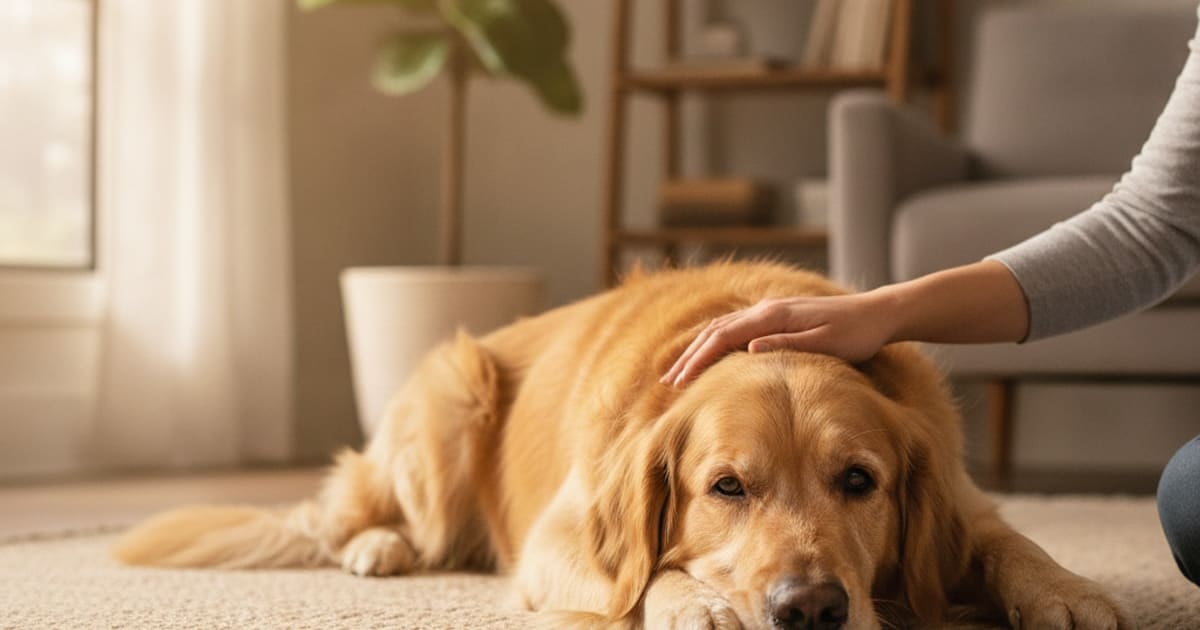
A dog with a urinary tract infection (UTI) can strain or whimper while peeing, pee small amounts again and again, have accidents in the house, lick the genital area, or pass urine that looks bloody or cloudy or smells strong, and only a vet exam with a urine test can confirm it. Go to an emergency vet now if your dog is straining with little or no urine coming out, cannot pee at all, is vomiting, or seems weak or in pain; otherwise book a same-day appointment with your vet.
A UTI in a dog is a bacterial infection of the lower urinary tract: the bladder and the urethra, the tube that carries urine out of the body. Infection can also climb to the kidneys or, in male dogs, involve the prostate. Its signs overlap with several other bladder and kidney problems, which is why the urine test matters.
The signs of a urinary tract infection in dogs
An infection irritates the lining of the bladder. An irritated bladder sends the message that it needs to empty even when there is very little inside it, and that single change sits behind the first several UTI symptoms below.
- Peeing small amounts again and again: your dog asks to go out far more than their usual pattern, squats or lifts a leg many times on one walk, and produces only a few drops each time.
- Straining or taking a long time to pee: holding the squat, pushing, or going back to the same spot over and over without much coming out.
- Crying, whimpering or flinching while peeing: vets call painful urination dysuria, and your dog may stop partway through or look back at their rear end.
- Accidents indoors: a reliably house-trained dog leaving puddles or drips in the house, or wet patches on their bed.
- Licking the genital area: more licking at the vulva or penis than your dog's usual habit, sometimes right after peeing.
- Blood in the urine: urine that looks pink, red or brown, or drops of blood at the end of the stream. This sign has its own section below.
- Cloudy or strong-smelling urine: a change in how the urine looks or smells compared with what you know of your dog.
- Drinking more water than before: this can come with a UTI, and it can also be a sign of other conditions your vet looks for.
- Seeming unwell: low energy, a poor appetite, vomiting, a hunched posture or discomfort when picked up. Alongside urinary signs, any of these needs a vet the same day, and vomiting, weakness or obvious pain means an emergency vet now.
None of these signs belongs to a UTI alone. Bladder stones, crystals in the urine, prostate problems in male dogs, a growth in the bladder, and conditions such as diabetes, kidney disease or Cushing's disease can produce some of the same signs, and a UTI can also sit on top of one of those problems. That is why your vet confirms with a urine test rather than going by signs, and why there is no reliable way to sort out the cause at home.
What helps your vet is a clear picture. Note when you first saw each sign, how many times your dog has asked to go out, whether anything came out, any accidents, any change in drinking or appetite, and everything your dog is currently given. Bring those notes to the appointment, and ask the clinic whether they want you to bring a urine sample or would rather collect one themselves.
When straining or blood in the urine means go now
A dog who is straining and producing little or no urine needs an emergency vet now, because a blocked bladder can become dangerous quickly. A stone, a plug of crystals or swelling can lodge in the urethra so that urine cannot get out. The kidneys keep making urine, the bladder keeps filling, and waste the body would otherwise flush out begins to build up in the blood.
From the outside, a blocked dog and a dog with a bladder infection can look alike: both squat, strain and return to the same spot. You cannot tell them apart by looking, and the same goes for straining to pee versus straining to pass stool, so treat any straining with little or nothing coming out as an emergency.
Go to an emergency vet now for any of these:
- Straining with little or no urine, or no urine at all
- Vomiting or refusing food alongside urinary signs
- Weakness, collapse, or a dog who seems flat and unresponsive
- Obvious pain: crying out, a hunched back, or not wanting to move or be handled
- A lot of blood in the urine, or clots
Blood in the urine has several possible sources, and a UTI is only one of them. Bladder stones, a growth in the bladder or urethra, an injury, a clotting problem and, in male dogs, prostate disease are among the causes your vet considers. In a female dog, the vet also checks whether the blood is coming from the urine itself or from the reproductive tract. Book a same-day appointment for any blood in your dog's urine, even a small amount, and go to an emergency vet now if there is a lot of blood, clots, straining, weakness or vomiting.
For every other sign listed here, the rule is a same-day appointment. A dog who seems bright and playful but keeps squatting or has started having accidents still needs to be seen today, because the cause cannot be confirmed without a urine test.
How a UTI affects a dog, and why signs can come and go
The urinary tract has its own defences. Urine flowing out flushes bacteria away, the bladder lining carries a protective surface layer, and immune cells patrol the area. A UTI starts when bacteria from the skin and the area around the tail and genitals climb up the urethra and get past those defences. Once they attach to the bladder lining, they multiply and the lining becomes inflamed.
That inflammation explains what you see. Swollen, irritated tissue makes the bladder feel full and urgent, so your dog asks to go out again and again and passes only small amounts. Peeing stings, which brings the whimpering and the licking. Inflamed tissue can bleed, which tints the urine, and bacteria together with the white blood cells sent to fight them can make urine cloudy and change its smell.
Infection does not always stay in the bladder. It can travel up the ureters to the kidneys, a kidney infection vets call pyelonephritis, or in male dogs it can involve the prostate. Infection at these levels can make a dog unwell more broadly, with fever, low energy, a poor appetite, vomiting or a sore back. This is one reason the same-day rule holds even when the urinary signs look small.
Your vet also looks for anything that makes it easier for bacteria to take hold:
- A bladder that does not empty fully, for example because of a nerve or spine problem
- Bladder stones or crystals, which give bacteria a surface to cling to
- Very dilute urine, or sugar in the urine, as can happen with diabetes
- Conditions such as Cushing's disease, or some prescribed medicines, that lower the body's immune response
- Skin folds around the vulva, or leaking urine that keeps the area damp
If your dog takes a prescribed medicine, do not stop it or change it because of anything you read here; talk to your veterinarian, who weighs the whole picture. If your dog already lives with a condition such as diabetes or kidney disease, your vet can tell you how a UTI fits into the care plan you already have.
A UTI can also turn up on a urine test run for another reason, in a dog with no outward sign of trouble. Whether that finding needs treatment is a decision for your vet.
The signs can also seem to come and go. Inflammation can rise and fall through the day, a dog who drinks more can flush the bladder for a while, and dogs can hide discomfort when they are distracted or excited. An underlying problem, such as a stone, stays put through all of it. A quiet afternoon does not mean the infection has gone, so a dog whose signs have eased still needs a same-day appointment.
Signs can return after treatment, too. If your vet prescribes medicine, give the full course exactly as directed and do not stop when your dog seems better. Call your vet again if signs return after the course or new signs appear. A repeat infection gives your vet reason to look deeper, with a urine culture, imaging or blood tests to find what is letting bacteria back in.
What the vet checks to confirm a UTI
Signs point to the urinary tract; tests show what is happening inside it. Your vet starts with your notes and an exam, then chooses tests based on your dog's age, sex, history and how unwell they seem.
| What the vet checks | Why it matters |
|---|---|
| History and physical exam | Your notes plus a hands-on check of the belly, bladder size and genital area help the vet decide which tests come first. |
| Urinalysis | Looks at urine concentration and for blood, white blood cells, bacteria, crystals and sugar. |
| Sample taken straight from the bladder (cystocentesis) | The vet passes a fine needle through the belly wall into the bladder to collect a clean sample, free of skin bacteria. |
| Urine culture and sensitivity | Grows any bacteria present to confirm infection and shows which medicines can act against them. |
| Blood tests | Check kidney function and look for conditions such as diabetes that can make infection more likely. |
| X-rays or ultrasound | Look for bladder stones, a growth, kidney changes or an enlarged prostate. |
| Rectal exam in male dogs | Checks the size and feel of the prostate. |
The way the sample is collected matters. Urine caught mid-stream can pick up bacteria from the skin on the way out, which can muddy a culture, so your vet may prefer a sample taken straight from the bladder when a culture is needed. A culture takes time to grow, so your vet may start care before the result is back and adjust it once the result arrives.
Before the appointment, do not give leftover medicine from a past illness, any human medicine or any home product, and do not put anything on your dog's genital area. The wrong medicine can harm your dog and can make the urine results harder to read. Do not restrict water unless your vet tells you to, and talk to your vet about anything you have already given.
Key Takeaways
- The signs of a UTI in a dog are peeing small amounts again and again, straining, crying while peeing, accidents, licking the genitals, and bloody, cloudy or strong-smelling urine.
- A vet exam with a urine test is the only way to confirm a UTI, because stones, crystals, prostate problems, kidney disease and other conditions can cause the same signs.
- Straining with little or no urine, not peeing at all, vomiting, weakness, collapse or obvious pain means an emergency vet now.
- Any blood in the urine means a same-day vet visit; a lot of blood or clots means an emergency vet now.
- Signs that ease and then return still mean a same-day vet visit.
- If your vet prescribes medicine, give the full course as directed and call your vet again if signs return.
Your vet leads from here
A UTI is one of several problems that can sit behind the signs listed here, and the only way to know which is a vet exam with a urine test. Bring your notes, describe what you have seen as plainly as you can, and talk to your veterinarian about any condition or medicine your dog already has. If anything changes on the way, such as straining with nothing coming out, vomiting or weakness, go to an emergency vet now.
For the wider list of signs that need emergency care, read Dog Emergency Signs, and for related bladder, kidney and prostate topics, browse the Conditions library.
Your vet owns the diagnosis and the treatment plan for your dog's urinary signs, and the right next step is that appointment.
Frequently asked questions
- How do I know if my dog has a UTI?
- You know for certain only after a vet exam with a urine test. Signs a UTI can cause include straining, peeing small amounts again and again, crying while peeing, accidents, licking the genitals and bloody or cloudy urine. Book a same-day vet visit, or go to an emergency vet now if your dog strains with little or no urine.
- How can I know if my dog has a UTI?
- Only your vet can confirm it, using a urinalysis and, when needed, a urine culture that grows any bacteria present. Your part is noting changes, such as straining, accidents or blood in the urine, and booking a same-day appointment. Straining with little or no urine needs an emergency vet now.
- How does a UTI affect a dog?
- A UTI inflames the bladder lining, which can give your dog an urgent need to pee, small amounts each time, pain while peeing and blood in the urine. Infection can also spread to the kidneys or prostate, causing fever, vomiting or low energy. Book a same-day vet visit, and go to an emergency vet now for vomiting or weakness.
- Can dog UTI symptoms come and go?
- Yes, the signs can seem to ease and then return, because inflammation can rise and fall and dogs can hide discomfort. A quiet day does not mean the infection has gone, and any underlying cause such as a stone is still there. Book a same-day vet visit even if the signs have eased.
- What are dog UTI symptoms?
- Dog UTI symptoms include peeing small amounts again and again, straining, crying or whimpering while peeing, accidents in the house, licking the genitals, and urine that looks bloody or cloudy or smells strong. Book a same-day vet visit for any of these. Go to an emergency vet now if your dog strains with little or no urine.
- Is a UTI an emergency in dogs?
- A UTI needs a same-day vet visit, and some signs make it an emergency. Go to an emergency vet now if your dog strains with little or no urine, cannot pee, is vomiting, seems weak or in pain, collapses, or passes a lot of blood or clots. For any other urinary sign, book a same-day appointment.
- What should I do if my dog has UTI symptoms?
- Call your vet today and book a same-day appointment, or go to an emergency vet now if your dog is straining with little or no urine, vomiting or weak. Note when the signs started, how many times your dog asks to go out and any accidents, and do not give leftover or human medicine before the visit.
- Can I treat a dog UTI at home?
- No, because a UTI can only be confirmed with a urine test, and the right medicine depends on what that test shows. Do not give leftover or human medicine and do not put anything on your dog's genital area. Talk to your vet today, and go to an emergency vet now for straining with little or no urine.
- Can a UTI cause blood in a dog's urine?
- Yes, a UTI can make the inflamed bladder lining bleed, turning urine pink, red or brown. Stones, a bladder growth, a clotting problem or prostate disease can also cause it, so the vet needs to find the cause. Book a same-day visit for any blood, and go to an emergency vet now for a lot of blood or clots.
Educational content, not veterinary advice. Ask your vet about your dog.