Dog Wheezing When Excited: Why and When to See a Vet
Wheezing when excited is a reason to see a vet, because it can point to a problem in the airway, lungs or heart. Learn the emergency signs, the causes a vet may check, the tests involved and what to tell your vet.
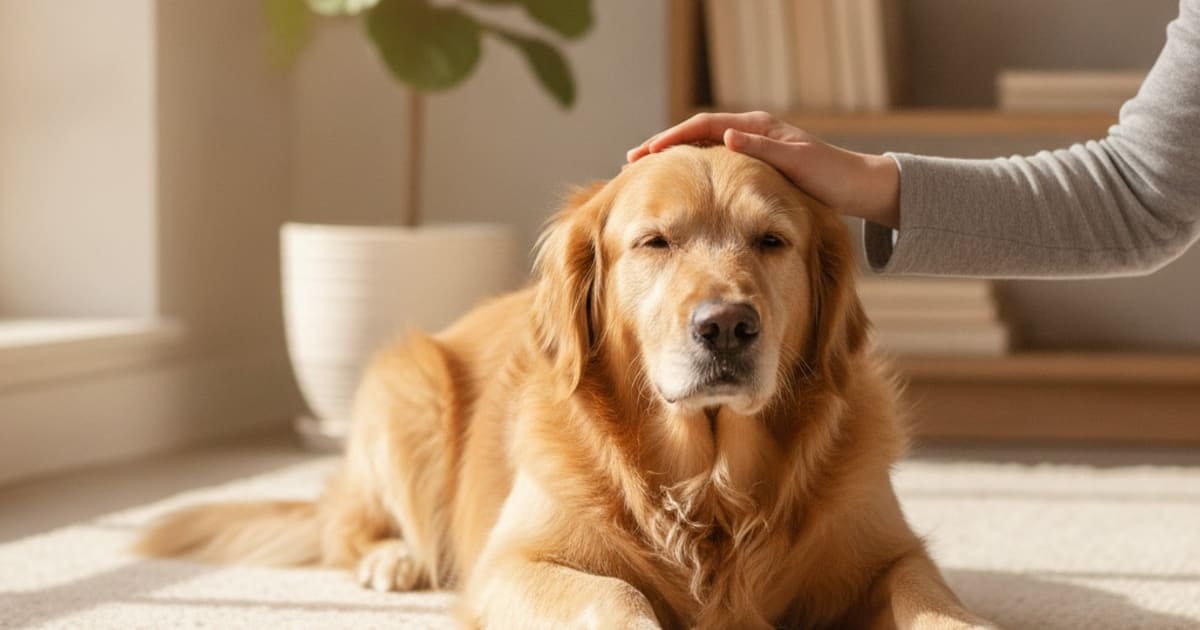
Wheezing when excited is a reason to see a vet, because it can mean your dog's airway is narrowed, irritated, soft or under pressure. Go to an emergency vet now if your dog is struggling to breathe, has blue, grey or pale gums or tongue, collapses or faints, or keeps breathing hard and noisily after calming down; otherwise book a same-day appointment. A dog wheezing when excited is moving air fast and hard, and that extra force can turn a narrowing in the nose, throat, windpipe or lungs into a sound you can hear. This is why your dog may wheeze when excited but breathe quietly at rest. A vet exam may help find the cause.
When to go to the vet now
Go to an emergency vet now if your dog has any of these signs during or after excitement:
- Struggling to breathe, with the neck stretched out, the mouth open or the belly working hard on every breath
- Blue, grey, pale or white gums or tongue
- Collapse, fainting or sudden weakness
- Loud, harsh breathing that carries on after your dog has calmed down
- Hard panting with weakness or wobbling on a warm day or after play in the heat
- Coughing up blood or pink, frothy fluid
If your dog is wheezing when excited but has none of these signs, call your vet today and book a same-day appointment. Breathing problems can get worse fast, and the next episode can be harder than the last, so the visit should not wait. The guide to dog emergency signs covers other signs that need care straight away.
What can cause wheezing when excited
Wheezing is a whistling, rasping or squeaking sound made when air is forced through a space that is narrower than it should be. When your dog gets excited, the heart beats faster and the breaths come quicker and deeper. That extra pull on the airway can bring out a narrowing, a soft spot or an irritation that stays quiet when your dog is resting. The possibilities below are the ones a vet may check, and only an exam and tests can tell them apart. The sound alone cannot show which one is behind it, because a whistle, a rasp, a honk, a snort or a rattle can come from more than one cause. Describe what you hear to your vet. Do not try to name the cause from the sound.
The windpipe, or trachea, is a tube held open by rings of cartilage. In some dogs these rings can lose their stiffness, so the tube flattens as air rushes through it. This is called a collapsing trachea. Excitement, pulling on the lead or pressure on the neck can set off coughing, a wheezing cough or a struggle to breathe. Small and toy breeds are among the dogs in which a vet may look closely at the windpipe, so a small dog wheezing when excited is one reason for that check. Irritation of the windpipe from an infection or from something breathed in can also narrow it.
At the top of the windpipe sits the voice box, or larynx. Its flaps open wide when a dog breathes in hard. If the nerves to these flaps stop working well, a problem called laryngeal paralysis, the flaps can stay partly closed. The breathing can then become loud and strained when the dog is excited, hot or exercising, and the bark may change as well. Your vet may check the voice box in a senior dog wheezing when excited, along with the heart and lungs, because changes in any of them can show first when breathing is pushed. Age is not an explanation on its own, and any change in an older dog's breathing is a reason for a vet check.
Flat-faced breeds can have narrow nostrils, a long soft palate that hangs into the throat, small folds in the voice box and a narrow windpipe. Together these are called brachycephalic airway syndrome. Excitement asks for more air than these narrow spaces let through, and the result can be snorting, wheezing, gagging or a struggle to breathe. Noisy breathing in a flat-faced dog is a reason for a vet exam, not a feature of the breed.
The nose and the back of the throat can also make noise. Reverse sneezing is a sudden spasm in which a dog pulls air in hard and fast through the nose, and excitement can set it off. Irritation, a narrow nose, something stuck in the nose or a growth further back can all play a part. Because the noise can resemble other airway sounds, a vet exam is the way to know what it is.
Deeper in the chest, the windpipe divides into smaller airways called bronchi. Inflammation here, called bronchitis, can narrow the airways and cause coughing and wheezing. What is called asthma in dogs in plain speech is this kind of airway inflammation, and allergy or something in the air, such as smoke, dust, pollen or strong sprays, can be part of it. A wheezing cough when excited can come from these smaller airways as well as from the windpipe.
Infections of the airways, including kennel cough, can inflame the windpipe and bronchi. A dog with an airway infection may cough, gag or wheeze, and excitement can bring on a coughing fit. Parasites such as lungworm and heartworm can also affect the lungs and airways. A vet may test for these in a dog of any age.
A puppy wheezing when excited may have picked up an airway infection or breathed something in. A puppy can also have a narrowed airway or a heart problem present from birth. Puppies get excited fast and breathe hard in play, and that can make the noise easier to hear. A puppy that wheezes needs the same vet check as an adult. If your puppy is struggling to breathe, weak or collapsing, go to an emergency vet now.
Grass seeds, small pieces of a toy, food or a bone fragment can lodge in the nose, throat or airway. A dog wheezing and gagging when excited may have something stuck, though gagging can also come with kennel cough, a collapsing trachea, a throat problem or a heart problem. Do not try to look into the throat or pull anything out at home, because that can push it deeper or lead to a bite. A dog that is choking or cannot breathe needs an emergency vet now.
The heart sits next to the main airways. An enlarged heart can press on them and cause coughing. A heart that is not pumping well can let fluid build up in the lungs, which makes breathing harder. Excitement asks more of the heart, so heart disease can show up as coughing, wheezing or tiring fast during or after excitement. Your vet may listen closely to the heart in any dog that wheezes.
Other possibilities include a growth or swelling in the throat, neck or chest that presses on the airway. Extra weight around the neck and chest can leave less room to breathe. An allergic reaction can swell the face or throat, and overheating can also make breathing loud and hard. A suddenly swollen face or throat with noisy breathing needs an emergency vet now.
The same possibilities apply whether your dog is male or female, young or old, large or small. When she gets excited and starts wheezing, the excitement is the trigger, not the cause. The cause sits in the airway, the lungs or the heart, and a vet exam can look for it. You can read more about airway and heart problems in the conditions library, and talk to your vet about which of them may apply to your dog.
What your vet may do
Your vet will start by asking about the wheezing and looking at how your dog breathes at rest. The exam can include listening to the heart and lungs with a stethoscope, looking at the nose, mouth and throat, feeling the neck and windpipe, and checking gum colour, temperature and weight. Your vet may press gently on the windpipe to see whether it sets off a cough. Your vet may also ask to see your dog walk or move around to hear the sound.
If your dog is struggling to breathe on arrival, the first step can be oxygen and a calm, cool place before any tests. Some dogs need light sedation to keep them calm while the team helps them breathe.
Tests depend on what the exam finds. Chest x-rays can show the size of the heart, the shape of the windpipe and changes in the lungs. Some vets take x-rays while the dog breathes in and out, or use a moving x-ray to see the windpipe change shape with each breath. Blood tests can check general health and look for infection. A heartworm test and a stool test for lungworm may be part of the workup. An ultrasound of the heart can show how well it pumps and whether it is enlarged.
For a closer look at the airway, your vet may suggest examining the voice box under light sedation to see whether its flaps move as they should. Your vet may also suggest passing a small camera into the windpipe and airways under anaesthetic. A sample of fluid from the airways can be taken at the same time and checked for infection or inflammation. A swab from the nose or throat can look for infection. If something is stuck, the camera can help find it and remove it.
Treatment depends on what the tests find, and there is no single treatment for wheezing when excited. It can include medicine your vet prescribes or treatment for an infection or parasites. It can also include removing something stuck, advice about smoke, dust and other things in the air at home, a weight plan, or surgery for some airway problems. If your dog carries extra weight, your vet can tell you how a diet plan fits in with the rest of the care. Do not give any human medicine or medicine left over from another pet, because some medicines can make breathing worse or harm your dog. Talk to your veterinarian before changing anything in your dog's routine, and follow the plan your vet sets.
What to tell your vet
- When you first noticed the wheezing and what your dog was doing at the time
- Any change since then, such as louder noise, more episodes, or wheezing at rest or during sleep
- Any bleeding from the nose or mouth, or blood in anything coughed up
- Any licking of the lips, repeated swallowing, gagging or pawing at the mouth or throat
- Other signs, such as coughing, sneezing, nasal discharge, a changed bark, tiring on walks, fainting or eating less
- Whether it happens on the lead, in warm weather, after eating or drinking, or around smoke or dust
If you can do it without delaying help, a short phone recording of an episode lets your vet hear the sound. Tell your vet about any medicine your dog takes. Also tell your vet whether your dog could have breathed in or swallowed anything, such as a grass seed or part of a toy.
Frequently asked questions
- Is wheezing when excited an emergency in dogs?
- It is an emergency if your dog is struggling to breathe, has blue, grey or pale gums or tongue, collapses or faints, or keeps breathing hard and noisily after calming down. Go to an emergency vet now for any of these. For wheezing when excited without these signs, book a same-day vet appointment.
- What should I do if my dog has wheezing when excited?
- Call your vet today and book a same-day appointment so the airway, lungs and heart can be checked. If your dog is struggling to breathe, has blue, grey or pale gums, or collapses, go to an emergency vet now. Note when the wheezing started and what set it off, and tell your vet.
- Can I treat wheezing when excited at home?
- No, because the cause needs a vet exam before anything is done. Do not give any medicine, put anything in your dog's mouth or nose, or try to remove anything from the throat before the vet sees your dog. If there is bleeding, gentle pressure with a clean cloth on the way to the vet is the only step.
- Why does my dog wheeze when excited?
- Excitement makes your dog breathe faster and harder. That extra force can bring out a narrowing or irritation in the nose, throat, windpipe or lungs, or a heart problem pressing on the airways. The sound means air is being forced through a tighter space. A vet exam may help find the cause, so book a same-day appointment.
- Why is my dog wheezing when she gets excited?
- When she gets excited, her breathing speeds up and pulls air hard through her airway. A collapsing windpipe, a voice box problem, airway inflammation, an infection, something inhaled or a heart problem can all make that sound. The same causes apply to male and female dogs. Call your vet today for a same-day check.
- Why does my dog start wheezing when excited?
- Excitement raises the speed and force of breathing, and a weak spot in the airway can make noise once the air moves fast enough. A soft windpipe, narrow nostrils, a long soft palate, inflamed airways or a heart that is working harder can all show up this way. A vet exam may help find which one.
- Why do dogs wheeze when excited?
- Dogs wheeze when excited because fast, deep breathing forces air through any narrowed or irritated part of the airway, and that makes a whistling or rasping sound. The cause can sit in the nose, throat, voice box, windpipe, small airways or lungs, or in the heart. Wheezing in any dog is a reason to see a vet.
- Why is my dog wheezing when excited?
- Your dog may be wheezing when excited because of a soft or narrowed windpipe, a voice box that does not open fully, inflamed airways, an infection, lungworm or heartworm, something stuck, or a heart problem. The sound cannot tell them apart. Book a same-day vet visit, or go to an emergency vet now if breathing is a struggle.
- What treatment can a vet give for wheezing when excited?
- Treatment depends on the cause your vet finds after the exam and tests. It can include prescribed medicine, treatment for infection or parasites, removing something stuck, a weight plan, advice about smoke and dust at home, or surgery for some airway problems. Do not give human medicine or leftover pet medicine. Call your vet today instead.
- Why does my puppy wheeze when excited?
- A puppy can wheeze when excited because of an airway infection such as kennel cough, something breathed in, parasites, or a narrowing in the airway or a heart problem present from birth. Call your vet today, and go to an emergency vet now if your puppy struggles to breathe or collapses.
Educational content, not veterinary advice. Ask your vet about your dog.