Excessive Panting in Puppies: When to See the Vet
Excessive panting in puppies can come from heat, pain, fever, stress, or a breathing or heart problem. Learn which signs mean you should go to an emergency vet now, what your vet may check, and what to tell the clinic.
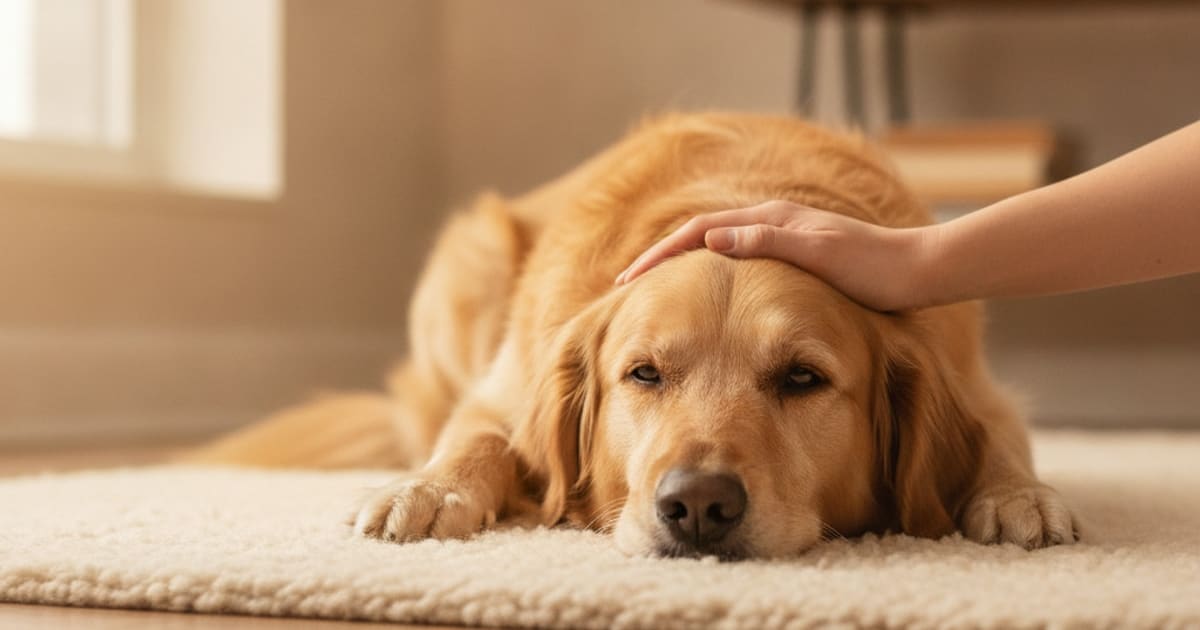
Excessive panting in puppies is a reason to see a vet, because heat, pain, fever, a breathing or heart problem, or something swallowed can all cause it. Go to an emergency vet now if your puppy is struggling to breathe, has pale, white, blue or grey gums or tongue, is weak, wobbly or collapsing, or is panting hard after time in the heat; otherwise book a same-day appointment. Panting is how a puppy cools itself. It is also how a young body responds to excitement, fear, pain and illness, so the honest answer to why a puppy is panting so much is that only an exam can show which of these is behind it. Panting that comes on suddenly, is faster than before, or will not ease needs a vet to look at your puppy today. The sections below cover the signs that mean you should go now, the causes the vet considers, what the vet may do, and what to tell the clinic when you call.
When to go to the vet now
Go to an emergency vet now, without waiting for an appointment, if your puppy has any of these signs along with the panting:
- Struggling to breathe, noisy or rasping breathing, or heavy effort from the chest and belly with each breath
- Gums or tongue that look pale, white, blue or grey
- Weakness, wobbling, collapse or not being able to stand
- Panting hard after time in a hot car, a warm room, direct sun or hard play in warm weather
- A swollen or tight belly, or retching without bringing anything up
- A seizure, shaking that will not stop, or not responding to you
- Panting after your puppy may have eaten, chewed or licked something it should not have
If there is any chance your puppy got into a medicine, a plant, a cleaning product, chocolate, xylitol or anything else that could be a toxin, call your vet or an animal poison control service now. Do not wait for more signs. Phone the emergency clinic on the way so the team is ready when you arrive. For a wider list of signs that need care straight away in dogs of any age, see dog emergency signs.
What can cause excessive panting
Panting is how a puppy loses heat. Dogs do not sweat through their skin the way people do, so a puppy moves air quickly across its tongue, mouth and airways to cool down. The same fast breathing also happens when a puppy is excited, frightened or hurting, and when its body needs more oxygen than it is getting. That is why the list of possible causes of heavy panting in puppies and other young dogs is long, and why the vet looks at the whole puppy rather than at the panting alone. Each possibility below is something the vet checks for. None of them is a conclusion to reach at home.
Heat and activity are among the first things the vet asks about. A young puppy is still learning to pace itself. It can play far harder than its body is ready for, and it has less ability to manage heat than an adult dog. Heat stress and heatstroke can develop quickly in a puppy that is left in a car, shut in a warm room, kept in direct sun or played with hard on a warm day. Heatstroke can harm the brain, kidneys and other organs and is an emergency, which is why panting hard after time in the heat is on the list above. Puppies of short-faced breeds and puppies with thick coats can struggle more with heat, and the vet takes this into account.
Stress, fear and change can also raise a puppy's breathing rate. A new home, a car journey, loud noises such as fireworks or storms, time alone, or a first visit somewhere unfamiliar can all bring on panting, sometimes with pacing, whining, trembling or hiding. The vet weighs these against other causes. A frightened puppy and a puppy in pain can look much the same from the outside, and stress does not rule out an illness underneath.
Pain is another possibility the vet checks. A puppy cannot say where it hurts, and panting can be one of the few outward signs that something is sore. Pain can come from an injury after a fall, a jump or a rough game. It can also come from a sore bone or joint in a fast-growing puppy, from belly pain, from an ear infection or from a sore mouth. Teething can make the gums tender while the adult teeth come through, and the vet looks in the mouth for sore gums, retained baby teeth or a broken tooth. A sore mouth is only one item on the list, though, so teething is not a reason to put off the visit.
Fever and infection can make a puppy pant more than before. Young puppies are still building their defences against illness. Infections of the nose, throat, windpipe and lungs, such as kennel cough or pneumonia, can make breathing faster and harder. A raised temperature on its own also speeds up breathing, and the vet measures it during the exam. A puppy with an infection may also seem tired, eat less, cough, sneeze or have a runny nose or eyes, and the vet will want to hear about any of these.
Problems with the airway itself are also on the vet's list. Puppies of short-faced breeds can have narrow nostrils, a long soft palate or a narrow windpipe. These make it harder to move air in and out, and harder to cool down by panting. Something stuck in the nose or throat, swelling from an allergic reaction or a sting, or a weak, floppy windpipe can also cause noisy or effortful breathing. Swelling of the face or throat with breathing trouble is an emergency.
Heart problems can cause fast breathing and panting, including heart defects a puppy is born with. A heart that does not pump well can let fluid build up in or around the lungs, so the puppy breathes faster to get enough oxygen. A heart problem in a puppy can show up as panting, tiring quickly during play, a cough, poor growth or a swollen belly. The vet listens for a murmur or an irregular beat during the exam.
A low red blood cell count, called anaemia, can make a puppy pant because its blood carries less oxygen. In puppies this can come from a heavy load of fleas or intestinal worms such as hookworms, from bleeding, or from other blood problems. Low blood sugar can also affect small and very young puppies, particularly after missed meals, sickness or getting chilled. It can come with weakness, shaking, wobbliness or a seizure, and a puppy with any of those signs needs an emergency vet now.
Toxins and swallowed objects are another possibility. Some poisons speed up the heart and breathing, and a puppy that has swallowed something may pant from nausea or belly pain. If there is any chance your puppy ate, chewed or licked something it should not have, call your vet or an animal poison control service now. A swollen, tight belly can press against the chest and make breathing harder, and the vet treats this as urgent. A medicine your puppy has already been prescribed can also change its breathing, so tell the vet about anything your puppy is taking.
Because so many different problems can show up as panting, a puppy that keeps panting, pants while resting or asleep, or pants more than before needs a vet to find the cause. The panting is the reason to go, not a guess about why it is happening. To read about other health problems in dogs, browse the conditions library.
What your vet may do
The visit starts with questions. The vet asks when the panting began, what your puppy was doing beforehand, whether it has been in the heat, whether it could have eaten anything, and whether there are other signs such as coughing, vomiting or tiredness. They also ask about vaccinations, worming, flea treatment and any medicine your puppy takes. If your puppy arrives struggling to breathe, the team may give oxygen and steady your puppy first, then ask the questions once it is stable.
The physical exam looks at the whole puppy. The vet looks at how your puppy breathes at rest, counts the breathing and heart rates, and listens to the heart and lungs with a stethoscope for a murmur, an irregular beat, crackles or wheezes. They check the colour of the gums and how fast the colour returns after a light press, take your puppy's temperature, feel the belly, check the mouth and teeth, look in the ears, and handle the legs and joints to find any sore spot. Your puppy is also weighed, because the vet matches any treatment to your puppy's size.
Depending on what the exam shows, the vet may suggest tests. Blood tests can show a low red blood cell count, signs of infection, low blood sugar and how the organs are working. A stool test looks for intestinal worms. Chest X-rays show the size and shape of the heart and whether there is fluid or infection in the lungs. An ultrasound scan of the heart, sometimes called an echo, shows how the heart is built and how well it pumps, and an ECG records the heart's rhythm. The vet may also measure the oxygen level in the blood with a small clip on the tongue or ear. If an airway problem is suspected, the vet may look at the throat and windpipe under anaesthesia. Some puppies need light sedation to stay still for X-rays or for a proper look at the throat.
Treatment depends on the cause the vet finds. A puppy with heatstroke is cooled under the vet's care and may need fluids into a vein and close monitoring. A puppy that is short of oxygen may spend time in an oxygen cage at the clinic. Pain, infection, fever or a heart problem may be treated with a medicine your vet prescribes, and worms or fleas with a treatment from the vet. Some airway problems in short-faced breeds may need surgery, and a puppy that swallowed a toxin may need treatment to remove it or stop it being absorbed. Do not give your puppy any medicine of your own before the vet has seen it, because some human medicines are toxic to dogs.
Talk to your vet about anything you do not understand during the visit, including what each test is for and what the next steps are.
What to tell your vet
When you call, and again at the visit, these details help the vet find the cause:
- When you first noticed the panting and what your puppy was doing at the time
- Any change since then, such as faster panting, harder breathing, or panting while resting or asleep
- Any bleeding, from the mouth, nose, gums or anywhere else
- Any licking or chewing at one part of the body or at the mouth
- Other signs, such as coughing, vomiting, diarrhoea, weakness, shaking, hiding or eating less
Also tell the vet whether your puppy has been in a hot car, a warm room or the sun, and whether it could have eaten, chewed or licked anything. Say whether it is still eating, drinking and passing urine and stools as before. Mention your puppy's age, breed, vaccinations, worming and flea treatment, and any medicine it takes. Do not delay the visit to gather these details; you can give them on the phone or at the clinic. If the breathing gets harder, or your puppy becomes weak, wobbly or collapses before or after the visit, go to an emergency vet now.
Frequently asked questions
- Is excessive panting an emergency in dogs?
- It is an emergency when your puppy is struggling to breathe, has pale, white, blue or grey gums or tongue, is weak, wobbly or collapsing, or is panting hard after time in the heat. Go to an emergency vet now for any of these. For any other excessive panting, book a same-day appointment with your vet.
- What should I do if my dog has excessive panting?
- Call your vet today and describe the panting, when it started and any other signs, so the clinic can see your puppy the same day. If your puppy is struggling to breathe, has pale, white, blue or grey gums or tongue, is weak or collapsing, or has been in the heat, go to an emergency vet now instead.
- Can I treat excessive panting at home?
- No, because excessive panting has a cause that needs a vet exam. Do not give your puppy any medicine, put anything on it or remove anything before the vet sees it. If there is bleeding, gentle pressure with a clean cloth on the way to the vet is the only step.
- Why is my puppy panting so much?
- A puppy pants to cool down and also pants when it is excited, scared, in pain, feverish or short of oxygen. Heat, an infection, an airway or heart problem, worms or fleas causing anaemia, or a toxin can all be behind it. Call your vet today so they can find the cause with an exam.
- Why is my puppy panting more than usual?
- A change in how much your puppy pants is a reason to call your vet today. Possible causes the vet checks include heat stress, pain from an injury or a sore mouth, a fever or infection, stress, a heart or airway problem, and anaemia from worms or fleas. Go to an emergency vet now if breathing is hard.
- Why is my puppy always panting?
- Panting that seems to go on all the time, including while your puppy is resting or asleep, needs a same-day vet visit. The vet checks for pain, fever, an airway problem, a heart problem, anaemia and other illness. Go to an emergency vet now if your puppy is struggling to breathe, weak or collapsing.
- Why is my puppy panting so fast?
- Fast panting can come with heat stress, pain, fever, fear, a lung infection, an airway problem or a heart problem, and some toxins speed up breathing too. Go to an emergency vet now if your puppy is struggling to breathe, has pale or blue gums or tongue, or is weak; otherwise book a same-day appointment.
- Why does my puppy keep panting?
- Panting that keeps coming back or will not settle has a cause the vet needs to find, such as pain, an infection, a heart or airway problem, anaemia or low blood sugar. If your puppy may have eaten or chewed something, call your vet or an animal poison control service now. Otherwise call your vet today.
- Does teething cause panting in puppies?
- Teething can make a puppy's gums sore, and pain or discomfort of any kind can cause panting. Teething is only one possibility, though, and the same panting can come from heat, fever, an infection or a heart or airway problem. Call your vet today so the mouth and the rest of your puppy can be checked.
- Can stress or fear make my puppy pant?
- Stress and fear can make a puppy pant, for example in a new home, in the car or during loud noises. Pain and illness can cause the same panting, so stress is a possibility the vet weighs during an exam rather than an answer to settle on at home. Call your vet today about excessive panting.
Educational content, not veterinary advice. Ask your vet about your dog.