Conjunctivitis in Puppies: When to See the Vet
Puppies can get conjunctivitis at any age. This guide covers what can cause a red, swollen or weeping eye in a puppy, which signs mean you should go to an emergency vet now, and what your vet may check during a same-day visit.
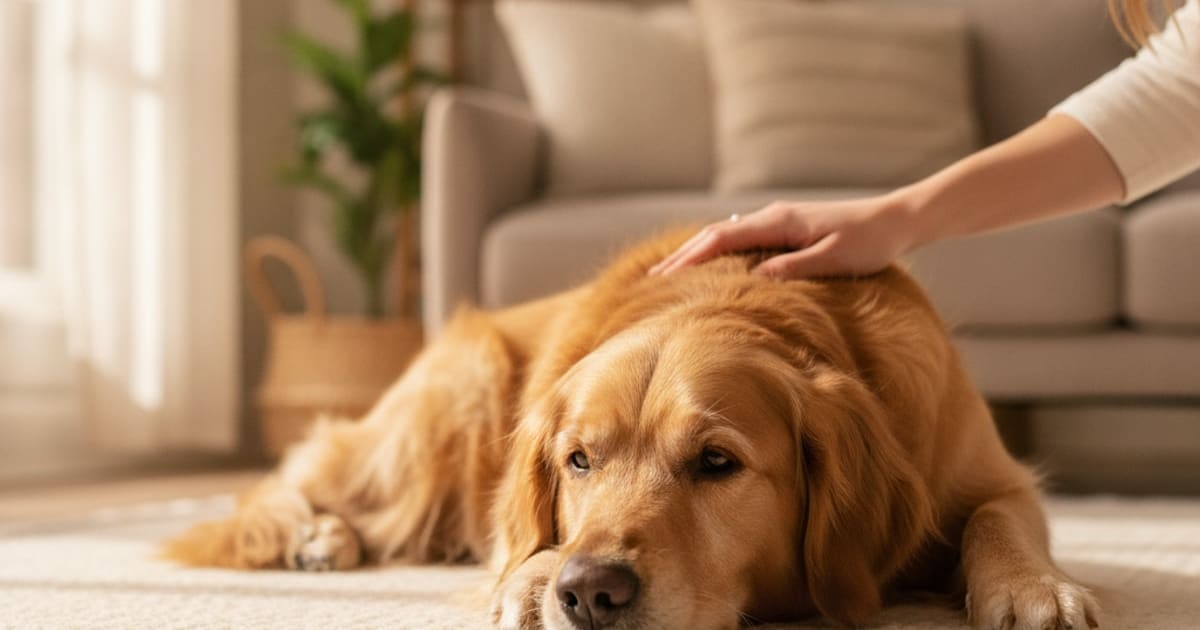
Puppies can get conjunctivitis, and conjunctivitis in puppies is a reason to see a vet the same day. Go to an emergency vet now if your puppy has an eye injury, holds an eye shut in pain, has a cloudy or bulging eye, or is a newborn with swelling or discharge under eyelids that have not opened yet; otherwise book a same-day appointment. Conjunctivitis, also called pink eye, means the thin tissue lining the eyelids and covering part of the white of the eye is inflamed. It can show as redness, swollen lids, watery or thick discharge, crusting, squinting, extra blinking, or rubbing and pawing at the face, in one eye or both. A puppy is still building its defences against infection, and the eye can change quickly, so talk to your vet rather than trying anything at home.
When to go to the vet now
- An injury to the eye, or something stuck in or near it
- An eye your puppy holds shut, squints hard or paws at because of pain
- An eye that looks cloudy or bulging, or a sudden change in how the eye looks
- Swelling, bulging or discharge under the eyelids of a newborn puppy whose eyes have not opened yet
- Eye signs together with weakness, refusing food, coughing, nasal discharge, vomiting or diarrhoea
- Bumping into things or other signs that your puppy cannot see well
For any of these signs, go straight to an emergency vet. For any other red, swollen or weeping eye in a puppy, book a same-day appointment with your vet. Our guide to dog emergency signs covers other signs in dogs and puppies that need emergency care.
What can cause conjunctivitis
Conjunctivitis is a sign that something is irritating or infecting the eye, not a final answer in itself. A range of problems can inflame the conjunctiva, and the right treatment depends on which one is behind it. Your vet considers each of the possibilities below during the exam. You cannot tell them apart by how the eye looks, so this part of the page is here to explain what the exam is for, not to help you sort it out at home.
Puppies meet a lot of new things in a short time: littermates, a new home, other dogs at classes and parks, new bedding, new cleaning products and new plants in the garden. Each of these can bring infection, allergens, irritants or debris into contact with the eyes. Rough play with littermates or other pets can scratch the eye. Problems a puppy is born with, such as an eyelid that rolls inward, can start to rub the eye as the face grows. This is how puppies get conjunctivitis, and it is why your vet asks about your puppy's recent days in detail.
Bacterial infection is one possibility your vet checks. Bacteria can grow on the surface of the eye on their own, or take hold after the eye has been irritated or scratched. A swab from the eye can help show whether bacteria are involved and which treatment is likely to work against them. For more on discharge and infection, see eye discharge and conjunctivitis in dogs.
Viral infection is another possibility. In puppies, the vet thinks about viruses that affect more than the eye, such as canine distemper and the viruses involved in respiratory infections that pass between dogs in kennels, shelters, pet shops and puppy classes. Some of these illnesses can make a puppy very unwell, which is why your vet asks about vaccines, where your puppy came from, and any coughing, sneezing, nasal discharge, vomiting or diarrhoea. In very young puppies, the vet may also consider a herpes virus that can affect newborns.
Newborn puppies need special mention. Before the eyelids open, an infection can build up underneath them and cause swelling, bulging or discharge at the edge of the closed lids. This needs a vet now, because the vet may need to open the lids gently and treat the eye directly. Do not try to open a newborn puppy's eyelids yourself.
Allergies can inflame the eye too. A puppy can react to pollen, dust mites, mould or other things in the air, and eye signs from allergies can come with itchy skin, licking of the paws or rubbing of the face. Irritants are another possibility: smoke, dust, sprays, cleaning products, perfume, shampoo during a bath, and wind on a car ride with the head out of the window. Your vet asks about recent changes at home because they can help point toward a cause.
Something in the eye is another possibility. Grass seeds, bits of plant, sand, fur and debris from play can lodge under an eyelid or behind the third eyelid, the extra lid in the inner corner of the eye. Scratches from a littermate, another pet or a bush can inflame the conjunctiva and can damage the clear surface of the eye. Puppies explore the world face first, and an object behind a lid can be hidden from view, so your vet checks under the lids during the exam. Never try to remove anything from your puppy's eye yourself.
Problems with the eyelids and lashes that are present from birth are something your vet checks in puppies. Entropion means the eyelid rolls inward so the hair and lashes rub on the eye. Ectropion means the lid droops outward and leaves the eye exposed. Distichiasis and ectopic cilia are extra lashes growing from the wrong place on the lid, where they can rub the eye. Some breeds with loose facial skin, deep folds or prominent eyes can be more prone to these problems, and your vet can tell you how your puppy's eyelid shape and breed fit in.
Tear problems are another possibility. Dry eye, called keratoconjunctivitis sicca, means the eye does not make enough of the watery part of the tears, so the surface becomes dry, sticky and inflamed. A blocked or narrow tear duct can stop tears from draining away, so they spill onto the face. A prolapsed gland of the third eyelid, sometimes called cherry eye, can also irritate the conjunctiva.
Conjunctivitis can also sit alongside a deeper problem in the eye, such as an ulcer on the clear surface (the cornea), inflammation inside the eye, or raised pressure inside the eye. These need prompt treatment, and they are part of why a red eye in a puppy needs a proper exam rather than a guess.
Whether conjunctivitis can spread depends on the cause. Conjunctivitis from a bacterial or viral infection can pass between dogs through close contact and shared bowls, bedding and toys, while conjunctivitis from allergies, an irritant, an object in the eye or an eyelid problem does not spread. Until your vet has found the cause, keep your puppy away from other dogs, wash your hands after handling your puppy, and ask your vet whether there is any risk to you or your family. You can read more about the condition in adult dogs in is it conjunctivitis in dogs, and find other eye problems in our conditions library.
What your vet may do
Your vet starts with a full history and a general exam, not just a look at the eye. Your vet asks when the signs began, whether one eye or both are affected, which vaccines and deworming treatments your puppy has had, where your puppy came from, and whether there are any other signs such as coughing, sneezing, vomiting, diarrhoea or a change in appetite. The vet checks your puppy's temperature, listens to the heart and lungs, and looks at the skin, ears, nose and mouth, because conjunctivitis can be part of an illness that affects the whole body.
The eye exam itself looks at the eyelids, lashes, conjunctiva, third eyelid and the clear surface of the eye under a bright light, sometimes with magnification. The vet can lift the lids and check behind the third eyelid for a grass seed or other object, sometimes after a drop to numb the surface of the eye. Some puppies need light sedation for a proper look at a painful or wriggly eye.
A few simple tests help your vet find the cause. A tear test uses a small paper strip at the edge of the lid to measure how many tears the eye makes, which checks for dry eye. A dye test places a coloured stain on the eye that sticks to scratches and ulcers, so they show up under a special light. Your vet may measure the pressure inside the eye with a small handheld instrument. If a tear duct may be blocked, your vet can flush it to see whether fluid passes through to the nose.
If infection is possible, your vet can take a swab or a small sample of cells from the conjunctiva. The sample can go to a lab to grow bacteria and see which treatment works against them, or to look for viruses. When your puppy has signs beyond the eye, blood tests and other tests can help show whether a wider infection is involved. In some cases your vet refers your puppy to a veterinary eye specialist for a closer look.
Treatment depends on what your vet finds. It can include a medicine your vet prescribes for the eye, removal of an object from under the lid, treatment for an infection that affects the whole body, or a plan for an eyelid or eyelash problem, which can involve surgery as your puppy grows. This is how conjunctivitis and pink eye in puppies are treated: through your vet, after an exam, not at home. Give only what your vet prescribes, exactly as directed, and do not use leftover eye medicine from another pet or from a person.
How long conjunctivitis lasts in a puppy depends on the cause and the treatment, so there is no fixed timeline to rely on. Talk to your veterinarian about the plan for your puppy. Your vet sets how long to give any treatment, tells you when to bring your puppy back for a recheck, and explains how to keep other pets apart if the cause can spread.
What to tell your vet
Before the visit, note these points so you can give your vet a clear picture. Do not try to look closely into the eye or clean it to check anything; simply tell your vet what you have seen.
- When you first noticed the eye signs, and whether one eye or both are affected
- Any change since then, such as more redness, swelling or discharge, or the other eye starting
- Any bleeding from or around the eye
- Licking, rubbing, pawing or scratching at the eye or face
- Other signs, such as sneezing, coughing, nasal discharge, vomiting, diarrhoea, low energy or eating less
- Your puppy's age, vaccines, where it came from, and any contact with other dogs or new things at home
If your puppy shows any of the emergency signs above, go to an emergency vet now; for anything else, book a same-day appointment with your vet.
Frequently asked questions
- Is conjunctivitis an emergency in dogs?
- It can be. Go to an emergency vet now if your dog or puppy has an eye injury, holds an eye shut in pain, has a cloudy or bulging eye, or is a newborn with swelling under closed eyelids. For any other red, swollen or weeping eye, book a same-day appointment with your vet.
- What should I do if my dog has conjunctivitis?
- Call your vet today and book a same-day appointment, or go to an emergency vet now if there is an injury, pain, a cloudy or bulging eye, or a newborn with swelling under closed lids. Until the visit, do not put anything in the eye, and keep your puppy away from other dogs.
- Can I treat conjunctivitis at home?
- No, because the cause needs a vet exam first. Do not put drops, washes or anything else in or on the eye, and do not try to remove anything you think is stuck. Leftover eye medicine from another pet or a person can harm the eye. Your vet will prescribe the right treatment.
- Can puppies get conjunctivitis?
- Yes, puppies can get conjunctivitis at any age, from newborns whose eyes have not opened yet to young dogs. A young puppy's immune system is still developing, so any red, swollen or weeping eye in a puppy is a reason to book a same-day appointment with your vet.
- What is conjunctivitis in puppies?
- Conjunctivitis is inflammation of the conjunctiva, the thin moist tissue that lines the eyelids and covers part of the white of the eye. It can make the eye look red and swollen and can cause discharge, squinting or rubbing. It is a sign that something is irritating or infecting the eye, so your vet needs to find the cause.
- How do puppies get conjunctivitis?
- Puppies can pick it up from contact with other dogs that carry an infection, from dust, smoke, grass seeds or scratches during play, or from an eyelid or eyelash problem present from birth. Newborns can develop an infection under eyelids that have not opened. Your vet looks for the cause during the exam.
- Is conjunctivitis in puppies contagious?
- It can be, depending on the cause. Conjunctivitis from a bacterial or viral infection can spread between dogs, while conjunctivitis from allergies, dust or an eyelid problem does not. Until your vet has found the cause, keep your puppy away from other dogs, wash your hands after handling it, and ask your vet about risk to your family.
- What causes conjunctivitis in puppies?
- Possible causes your vet checks include bacterial and viral infections, allergies, irritants such as dust or smoke, a grass seed or other object in the eye, eyelids that roll inward or outward, extra eyelashes rubbing the eye, low tear production and a blocked tear duct. The exam and tests help your vet find which one applies.
- What does conjunctivitis look like in a puppy?
- Conjunctivitis can show as redness around the eye, swollen eyelids, watery or thick discharge, crusting on the lids, squinting, extra blinking, or rubbing and pawing at the face. It can affect one eye or both. The look alone does not tell you the cause, so book a same-day appointment with your vet.
- How do vets treat conjunctivitis in puppies?
- Treatment depends on the cause your vet finds. It can include a medicine your vet prescribes for the eye, removing an object from under the lids, treating an infection that affects the whole body, or correcting an eyelid or eyelash problem. Your vet sets the plan and tells you when to bring your puppy back for a recheck.
Educational content, not veterinary advice. Ask your vet about your dog.