First Signs of Parvo in Dogs: When to See the Vet
The first signs of parvo in dogs can be quiet ones, such as tiredness and loss of appetite. Learn when to go to an emergency vet now, what your vet may check, and what to tell the clinic when you call.
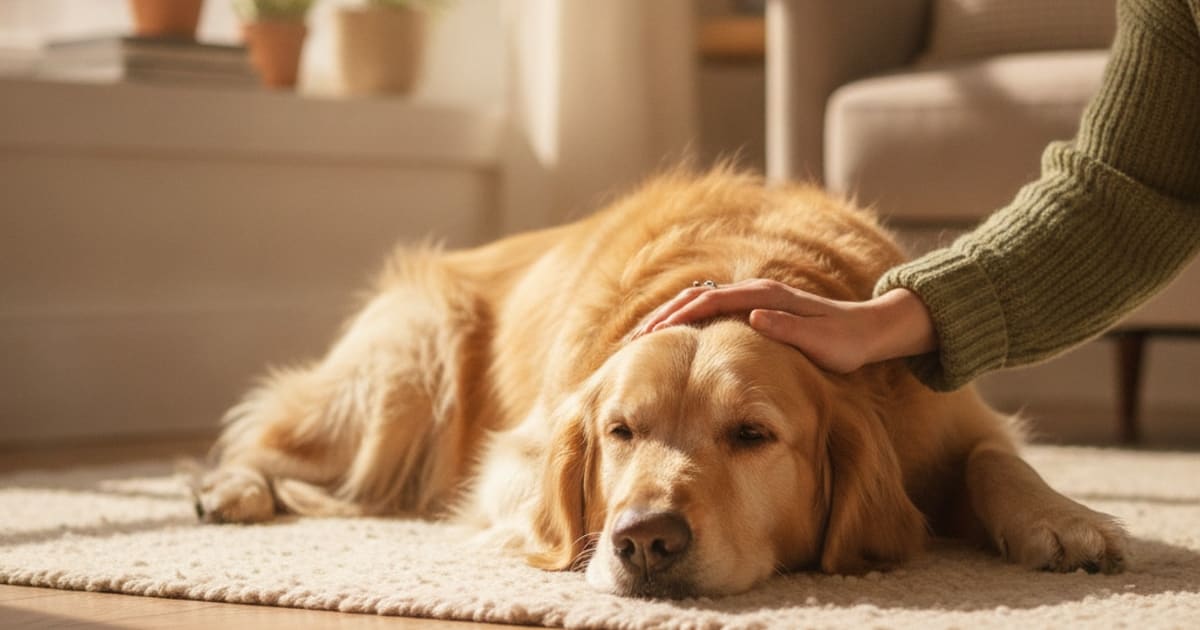
The first signs of parvo in dogs, such as tiredness and loss of appetite, are a reason to see a vet today. Go to an emergency vet now if your dog is vomiting, has diarrhea or bloody diarrhea, seems weak or collapses, or will not drink; otherwise book a same-day appointment.
When to go to the vet now
- Vomiting, even once
- Diarrhea, and above all diarrhea with blood in it
- Weakness, collapse or a dog that will not get up
- Refusing water or not keeping water down
Any one of these signs in a puppy, or in a dog with an unknown or incomplete vaccine history, is a reason to go to an emergency vet now. Parvo can get worse fast, and a young dog can lose fluid and body salts quickly through vomiting and diarrhea. Go straight away rather than holding off for another bout or another meal.
The early stages of parvo can look quiet. Your dog may seem tired, sleep more than before, lose interest in play or walks, or turn away from food and treats. Your dog may also seem flat and withdrawn, lick their lips, drool or gulp, and a fever may already be present before any vomiting or diarrhea begins, which your vet can find on the exam. These are the early warning signs of parvo in dogs, and they can come before the gut signs that make the illness so serious.
These beginning symptoms of parvo are easy to put down to a tiring day, hot weather or a fussy appetite. In a puppy or a dog that is not fully vaccinated, they are reason enough to book a same-day appointment. You do not need vomiting or diarrhea to start before you call the clinic.
A puppy that has recently moved to a new home, or has been to a park, a training class, a kennel or a groomer, has had more chances to meet the virus. Tiredness or a dropped appetite in that puppy is a reason for a same-day visit.
Even mild symptoms of parvo in dogs need a vet. There is no version of this illness to manage at home, and the step from a quiet, tired dog to a dog that is vomiting and weak can be short. Seeing a vet early can matter, because it gives your vet the chance to start care before your dog loses a lot of fluid.
When you call the clinic, say that you think it could be parvo. The team may ask you to wait outside or use a separate door so the virus does not reach other dogs in the building. Until your dog has been seen, keep them away from other dogs, parks, training classes and shared spaces. For a wider look at signs that need urgent care, read Dog Emergency Signs.
What can cause parvo
Parvo is caused by canine parvovirus, a virus that spreads between dogs. Once inside the body, it attacks cells that divide quickly, above all the lining of the gut and the cells in the bone marrow that make white blood cells. Damage to the gut lining leads to vomiting, diarrhea and bleeding into the gut, and the drop in white blood cells leaves the body less able to fight infection. That is why parvo can turn serious so quickly, and why the first symptoms need a vet.
The virus leaves the body in an infected dog's stool. A dog can pick it up by sniffing or licking ground where an infected dog has been, or from shoes, hands, bowls, leads, bedding, kennel floors and car seats that have touched contaminated stool. Your dog does not need to meet a sick dog face to face. The virus can stay on surfaces and in soil for a long time and is hard to remove, so a yard, park or kennel can carry it long after the sick dog has gone.
There is a gap between the moment a dog picks up the virus and the moment the first signs appear. During that time your dog can look well while the virus is already at work, and an infected dog can shed the virus in stool before and after it looks unwell. This is why a dog with no clear contact with a sick dog can still develop parvo, and why a recent visit to a park, kennel, groomer or new home is worth telling your vet about.
Some dogs are at higher risk than others. Puppies that have not finished their vaccine course, dogs that have never been vaccinated, and dogs whose vaccines are out of date are all more open to infection. Places where lots of dogs pass through, such as shelters, kennels, dog parks and breeding settings, can raise the chance of contact with the virus. Talk to your vet about when your puppy's vaccines are due, or about a plan for an adult dog with an unknown history. For more on how the virus spreads, read What Causes Parvo in Dogs.
The early signs of parvo in a dog overlap with other problems, so your vet considers other possibilities alongside parvo. These include other viral infections of the gut, bacterial infections, intestinal parasites, an object such as a toy or a piece of fabric blocking the gut, spoiled food or rubbish, something toxic, inflammation of the pancreas, and other illnesses that leave a dog tired and off their food. Some of these can be present at the same time as parvo, such as worms in a puppy that also has the virus. If you know or think your dog has eaten something toxic, call your vet or an animal poison control service now, and if your dog may have swallowed an object, call your vet now.
These possibilities cannot be told apart from the signs alone. Tiredness, a poor appetite, vomiting and diarrhea look much the same whichever of them is behind it, which is why your vet relies on an exam and tests rather than on how the signs look. You can read about other gut and whole-body illnesses in our conditions library.
What your vet may do
Because parvo spreads so easily, the clinic may see your dog in an isolation room or ask you to stay in the car until a room is ready. The team may wear gowns and gloves while they handle your dog. This protects other patients in the building.
Your vet will start by asking about your dog's history: age, vaccines, where your dog came from, recent contact with other dogs, recent trips to parks, kennels or groomers, and when the first signs began. They will want to know what your dog has eaten and whether there has been any vomiting, diarrhea or blood. Your vet may also ask about other dogs in the litter or household and whether any of them have been unwell.
The physical exam may include taking your dog's temperature, checking heart rate and breathing, looking at the colour of the gums, and checking hydration. Your vet may gently feel the belly for pain, gas or anything that could suggest a blockage.
A quick in-clinic test on a stool sample can detect the parvo virus. A negative result early in the illness does not always rule parvo out, because the virus may not show up in the stool at the very start, so your vet may repeat the test or send a sample to a lab. Blood tests can look at the white blood cell count, red blood cells, protein, blood sugar and body salts, which helps your vet judge how unwell your dog is and plan fluids. A stool exam can look for worms and other parasites. If a blockage is possible, your vet may suggest x-rays or an ultrasound of the belly.
There is no medicine that kills the parvo virus directly, so treatment for the early signs of parvo in dogs is about supporting the body while it fights the infection. Your vet may recommend a stay in an isolation ward, with fluids given through a drip into a vein to replace lost fluid and body salts. Medicines your vet prescribes can help control nausea, vomiting and pain, and your vet may add medicine to guard against bacteria that get into the blood through the damaged gut. Blood sugar may need support, and some dogs need nutrition through a feeding tube or blood products. Your vet will repeat blood tests to follow how your dog is doing. You can read more in Parvo in Dogs Treatment.
Your vet will talk you through the plan, what each step is for, and any choices you need to make. If more than one dog in your home is affected, the plan may include all of them. Ask your vet how to clean your home, yard and car after a parvo diagnosis, and whether other dogs in your household need an exam or a vaccine review. If your dog is sent home and then gets worse, with new vomiting, diarrhea, weakness or collapse, call your vet again or go to an emergency vet now.
What to tell your vet
- When you first noticed a change, and what that change was
- Any change since then, such as more tiredness, refusing food, vomiting or diarrhea
- Any blood in the vomit or stool
- Any licking of the lips, drooling or gulping
- Other signs, along with your dog's vaccine history and any recent contact with other dogs
Bring vaccine records if you have them, including any papers from a breeder, shelter or rescue. If your dog joined your home recently, say so and share where they came from. Tell your vet about any other dogs in your home or that your dog has met recently, so the team can advise you about them too.
It can help to write down the times your dog vomited or passed diarrhea, and when your dog last ate and drank. This is a note for your vet, not a way to judge the illness at home. If you are unsure about any part of your dog's care, talk to your vet. Clear answers to these questions help your vet move quickly, and with parvo, time can matter.
Frequently asked questions
- Is parvo an emergency in dogs?
- Yes, parvo is an emergency when your dog is vomiting, has diarrhea or bloody diarrhea, is weak or collapses, or will not drink, so go to an emergency vet now. Earlier, quieter signs such as tiredness and loss of appetite in a puppy or unvaccinated dog still need a same-day vet appointment.
- What should I do if my dog has parvo?
- Call your vet today and say you think it could be parvo, so the clinic can plan how to see your dog away from other patients. If your dog is vomiting, has diarrhea, is weak or will not drink, go to an emergency vet now. Keep your dog away from other dogs in the meantime.
- Can I treat parvo at home?
- No, because parvo needs vet care, including fluids into a vein and medicines your vet prescribes. Do not put anything on your dog, give any remedy, or remove anything before the vet sees them. For any bleeding, use only gentle pressure with a clean cloth on the way to the vet.
- What are the first signs of parvo in dogs?
- The first signs of parvo in dogs can be quiet: tiredness, sleeping more, less interest in play, and turning away from food. A fever may start before vomiting or diarrhea. In a puppy or a dog that is not fully vaccinated, these early signs are a reason to see a vet the same day.
- Can a dog have mild symptoms of parvo?
- A dog can show only mild signs at first, such as tiredness or a smaller appetite, but mild early signs are still a reason for a same-day vet visit. Parvo can move from quiet signs to vomiting, diarrhea and weakness quickly, and there is no form of it you should manage at home.
- How quickly can parvo get worse in dogs?
- Parvo can get worse quickly, moving from tiredness and loss of appetite to repeated vomiting, diarrhea and weakness in a short time. Young puppies can lose fluid and salts fast. That is why early signs need a same-day vet visit, and vomiting, diarrhea, weakness or collapse mean going to an emergency vet now.
- Can a vaccinated dog get parvo?
- A vaccinated dog can still get parvo, particularly a puppy that has not finished its vaccine course or a dog whose vaccines are not up to date. Vaccination lowers the risk but does not remove it. If your dog shows early signs of parvo, see a vet the same day whatever the vaccine history.
- How does a vet test for parvo?
- Your vet may run a quick test on a stool sample that can detect the parvo virus, along with blood tests to look at white blood cells, hydration, blood sugar and salts. If the first test is negative but signs point to parvo, your vet may repeat it or send a sample to a lab.
- What is the treatment for the early signs of parvo in dogs?
- Treatment is vet care. Your vet may give fluids into a vein, medicines your vet prescribes for nausea, vomiting and pain, and medicine to guard against infection from the gut, with care in an isolation ward. There is no home treatment for parvo, so book a same-day visit for early signs.
- How do dogs catch parvo?
- Dogs catch parvo from the virus in an infected dog's stool. The virus can be picked up from the ground, shoes, hands, bowls and bedding, and it can stay on surfaces for a long time. Puppies and dogs that are not fully vaccinated are at higher risk, so talk to your vet about vaccines.
- Should I keep my dog away from other dogs if I think it is parvo?
- Yes, because parvo spreads through stool and on shoes, hands and surfaces. Keep your dog away from other dogs, parks and shared spaces, and tell the clinic when you call that you think it could be parvo so they can see your dog away from other patients. Ask your vet whether other dogs at home need a check.
Educational content, not veterinary advice. Ask your vet about your dog.