Heat Stroke Symptoms in Puppies: When to See the Vet
Heat stroke in puppies is an emergency that can get worse within minutes. Go to an emergency vet now if your puppy is panting hard, weak, wobbly or collapsing, and book a same-day appointment for a puppy that has been in the heat and seems unwell in any other way.
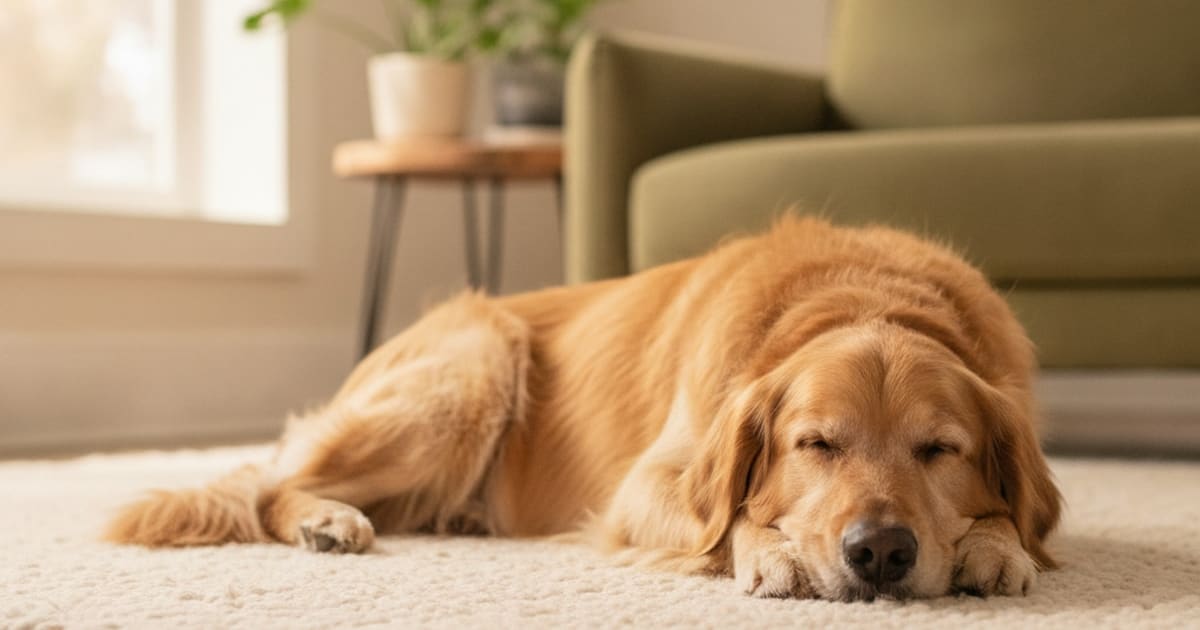
Heat stroke symptoms in puppies are a reason to see a vet straight away. Go to an emergency vet now if your puppy is panting hard, weak, wobbly or collapsing, otherwise book a same-day appointment. Heat stroke in puppies happens when the body takes in or builds up more heat than it can get rid of, and it can get worse within minutes. The heat can harm the brain, kidneys, liver, gut and the blood's ability to clot, and some of that harm cannot be seen from the outside. That is why a puppy that has been in the heat and now seems quiet, off its food or not quite itself still needs a vet the same day. Phone the clinic as you set off so the team can be ready when you arrive, and bring your puppy straight there. For a wider look at urgent signs in dogs of any age, see Dog Emergency Signs.
When to go to the vet now
Go to an emergency vet now if your puppy shows any of these signs after time in the heat, in the sun, in a car or during play:
- Hard, fast panting that does not slow down
- Weakness, wobbling, stumbling or trouble standing
- Collapse, fainting or not responding to you
- Seizures, shaking or twitching
- Vomiting or diarrhea, with or without blood
- Gums or tongue that have changed color, or look pale, blue or gray
- Heavy drooling, confusion or a dazed look
- Bleeding or bruising anywhere on the body
What can cause heat stroke
At its core, heat stroke means your puppy's body has become hotter than it can cope with. Dogs do not sweat all over the way people do. They shed heat by panting, which moves warm air out and cooler air in, and through a little sweat from the paw pads. When the air is hot or humid, or when the body is working hard, panting may not be enough, and body heat keeps climbing. A puppy's body is still growing and still developing the ways it handles heat, and a young puppy has little sense of when to stop and rest. Your vet looks at the whole picture, including where your puppy was, what it was doing and its general health, to work out what led to the problem and whether anything else is going on.
Hot weather is the clearest risk, but humid weather can be just as hard on a puppy, because damp air makes panting work less well. A day that feels pleasant to you can still be too much for a small, excited puppy, particularly after play in direct sun. The first warm spell of the year can also catch a puppy out, because its body has not had time to get used to the heat. Heat builds through the day, so the middle of the day and the afternoon can be harder on a puppy than the early morning or late evening. Little or no shade, no fresh water and no chance to rest can all play a part, and your vet will ask about each of them.
Water matters too. A puppy that could not reach water, knocked its bowl over or was too busy playing to drink can become low on fluids, and a body that is short of fluids has less room to cope with heat. Your vet will want to know when your puppy last drank and whether it kept the water down.
Hot ground adds heat as well. Pavement, sand, artificial grass and decking can soak up sunshine and pass it on to a puppy lying or running on them. Hot surfaces can also burn the paw pads. Blistered, raw or bleeding pads, limping or refusing to walk need a same-day vet visit, and if your puppy is also panting hard, weak or wobbly, go to an emergency vet now.
A parked car can heat up fast, even on a mild day and even with a window open a little, and a puppy left inside can overheat within minutes. Never leave your puppy in a parked car, not even for a quick errand. A closed room with sun coming through the glass, a sunroom, a shed or a garage can trap heat in the same way. Long car journeys in warm weather can add to the problem, particularly if the car is crowded or the air is still.
Long walks, running beside a bike, games of fetch and rough play with other dogs all build heat inside the body. A puppy may keep going long after it needs a break, because play is exciting and young dogs do not pace themselves. Stress and excitement, such as a trip to a busy place, a new home or loud noise, can make a puppy pant harder and build up even more heat. It makes sense to plan walks and play around the heat of the day, so talk to your vet about how much exercise suits your puppy's age and breed when the weather turns warm.
Some things about your puppy can raise the risk. Flat-faced breeds, such as pugs, bulldogs, French bulldogs, Boston terriers and shih tzus, have short noses and narrow airways that can make panting less able to shed heat. Puppies with thick or dark coats, extra weight, a heart problem or an airway problem can also overheat more easily. Vomiting or diarrhea in a puppy is a reason to call your vet now on its own, before heat even comes into it. Your vet can tell you how your puppy's breed, coat or any existing health condition affects time outdoors in warm weather.
A very hot body does not always come from the weather. Fever from an infection, a long seizure, heavy shaking, or a toxin that makes the muscles work hard can all raise body heat, and some of these can look like heat stroke at first. If you think your puppy may have eaten or chewed something it should not have, call your vet or an animal poison control service now. Your vet considers each of these possibilities alongside heat stroke, and the exam and tests below help tell them apart.
For more on how heat stroke shows up in dogs of all ages, see Dog Heat Stroke Signs and Dog Heat Stroke Symptoms. You can also browse the conditions library for other health topics.
What your vet may do
When you arrive with a puppy that may have heat stroke, the team works quickly. The first steps are to look at breathing, heart rate, gum color and how alert your puppy is, and to take its temperature. The team may do several of these at once while someone asks you what happened, so have the key details ready.
Bringing body heat down is the first part of treatment for heat stroke in puppies. The vet team cools your puppy in a controlled way at the clinic and takes its temperature again and again as they work. Cooling has to be steady and measured, because cooling too fast or too far can cause problems of its own, and the team stops at the right point.
The vet also gives your puppy a full exam. This can include listening to the heart and chest, feeling the belly, looking at the eyes, mouth and skin for small bleeding spots or bruises, and looking at the paw pads for burns. Each part of the exam helps the vet see which parts of the body the heat has reached.
Fluids through a drip into a vein support blood pressure and help protect the kidneys, liver and other organs. Oxygen may be given through a mask or a tube near the nose if breathing is hard. Your vet may also give medicines to calm seizures, protect the stomach and gut, or help with blood clotting, and each one is a medicine your vet prescribes for your puppy's needs. Some puppies need light sedation so they can breathe more calmly and the team can work.
Tests show what the heat has done inside the body. Blood tests can include a blood count, clotting tests, blood sugar, the salts in the blood, and kidney and liver values. Puppies can run low on blood sugar, so the vet may test it early. A urine test can show how the kidneys are working and whether damaged muscle has released proteins into the urine. The vet may measure blood pressure and look at the heart rhythm with a heart tracing. If there is any chance of an infection, a toxin or a seizure problem, the vet may add tests for those as well.
Heat stroke can keep causing harm after the body has cooled. Clotting problems, kidney changes, gut damage and swelling in the brain can show up later, even when a puppy looks brighter. For that reason, the vet may keep your puppy in hospital, keep fluids going and repeat blood tests to follow any change. Some puppies need care through the night, and your vet may arrange a move to a clinic with overnight staff.
Before your puppy comes home, talk to your vet about rest, food, water, any medicine your vet prescribes and follow-up checks, and ask how to plan walks and play from here. Call your vet again now if any sign returns or changes after your puppy comes home.
What to tell your vet
Clear details help the vet act quickly. Give the key facts when you phone on the way, and go over them again when you arrive. If someone else can drive, use the journey to jot down what you remember. Your vet may ask about:
- When you first noticed the signs, and how long your puppy was in the heat, the sun or the car
- Where your puppy was and what it was doing, such as a walk, play or a car journey
- Any change in the signs since you first noticed them
- Any bleeding, from the nose or mouth, or in vomit, stool or urine
- Any licking, heavy drooling or drinking, and whether your puppy kept water down
- Other signs, such as vomiting, diarrhea, shaking, confusion or a seizure
- Any health problems, any medicine your puppy takes, and its breed and age
If you are unsure about any of these details, go anyway. Getting your puppy to the vet comes first, and the team can fill in the gaps with an exam and tests.
Frequently asked questions
- Is heat stroke an emergency in dogs?
- Yes, heat stroke is an emergency because it can harm the brain, kidneys, liver and blood clotting within minutes. Go to an emergency vet now if your puppy is panting hard, weak, wobbly, collapsing, vomiting or having a seizure. For a puppy that has been overheated and seems unwell in any other way, book a same-day vet visit.
- What should I do if my dog has heat stroke?
- Call your vet today, and if your puppy is panting hard, weak, wobbly or collapsing, go to an emergency vet now. Phone the clinic as you leave so the team is ready when you arrive. Bring your puppy straight there, and tell the vet where your puppy was, what it was doing and when the signs started.
- Can I treat heat stroke at home?
- No, because heat stroke can damage organs in ways you cannot see, and only a vet can treat it and run the tests that show that harm. Do not put anything on your puppy or give it any medicine before the vet sees it. Get your puppy to the vet now and phone ahead while you travel.
- What are the symptoms of heat stroke in puppies?
- Signs can include hard, fast panting, heavy drooling, weakness, wobbling, stumbling, vomiting, diarrhea, confusion, shaking, seizures and collapse. Gums or a tongue that have changed color, or look pale, blue or gray, are also signs. Any of these after time in the heat, on a walk or in a car means going to an emergency vet now.
- How is heat stroke in puppies treated?
- Treatment for heat stroke in puppies takes place at the vet clinic. The team brings body heat down in a controlled way, gives fluids into a vein and may give oxygen and medicines your vet prescribes. Blood and urine tests show how organs are coping, and your puppy may stay in hospital so the team can repeat them.
- Why are puppies at risk of heat stroke?
- Puppies can overheat because their bodies are still developing the ways they handle heat, and they may keep playing long after they need to rest. Dogs cool themselves by panting rather than sweating, so hot or humid air, sun and exercise can push body heat up fast. Any signs of overheating mean going to a vet now.
- Can a puppy get heat stroke in a parked car?
- Yes, because a parked car can heat up fast, even on a mild day with a window open a little. Never leave your puppy in a parked car. If your puppy has been in a hot car and is panting hard, weak, wobbly or collapsing, go to an emergency vet now, otherwise call your vet today.
- Which puppies are more at risk of heat stroke?
- Flat-faced breeds such as pugs, bulldogs and French bulldogs can struggle to cool down through panting. Puppies with thick or dark coats, extra weight, a heart or airway problem, or recent vomiting or diarrhea can also overheat more easily. Your vet can tell you how your puppy's breed or health affects time in warm weather.
- Can a puppy get heat stroke in the shade or indoors?
- Yes, a puppy can overheat in the shade or indoors when the air is hot or humid, when a room is closed with little air moving, or after hard play. Shade does not remove the risk on a hot day. If your puppy is panting hard, weak, wobbly or collapsing anywhere, go to an emergency vet now.
- How can I help prevent heat stroke in my puppy?
- Walk and play in the cooler parts of the day, keep sessions short in warm weather, and give your puppy shade and fresh water. Never leave your puppy in a parked car or a closed, sunny room. Talk to your vet about how much exercise suits your puppy's age, breed and health when the weather is warm.
- Why might my puppy need to stay in hospital after heat stroke?
- Heat stroke can affect the kidneys, liver, gut and blood clotting, and some of these changes can show up after a puppy looks brighter. Staying in hospital lets the team keep giving fluids, repeat blood tests and act quickly if a new problem appears. Call your vet again now if any sign returns or changes after your puppy comes home.
Educational content, not veterinary advice. Ask your vet about your dog.