Early Signs of Heat Stroke in Dogs: When to See the Vet
Heat stroke in dogs can begin with heavy panting, thick drooling and restlessness, and it can move fast to weakness, wobbling and collapse. Learn what heat stroke looks like, when to go to an emergency vet now, and what your vet may do.
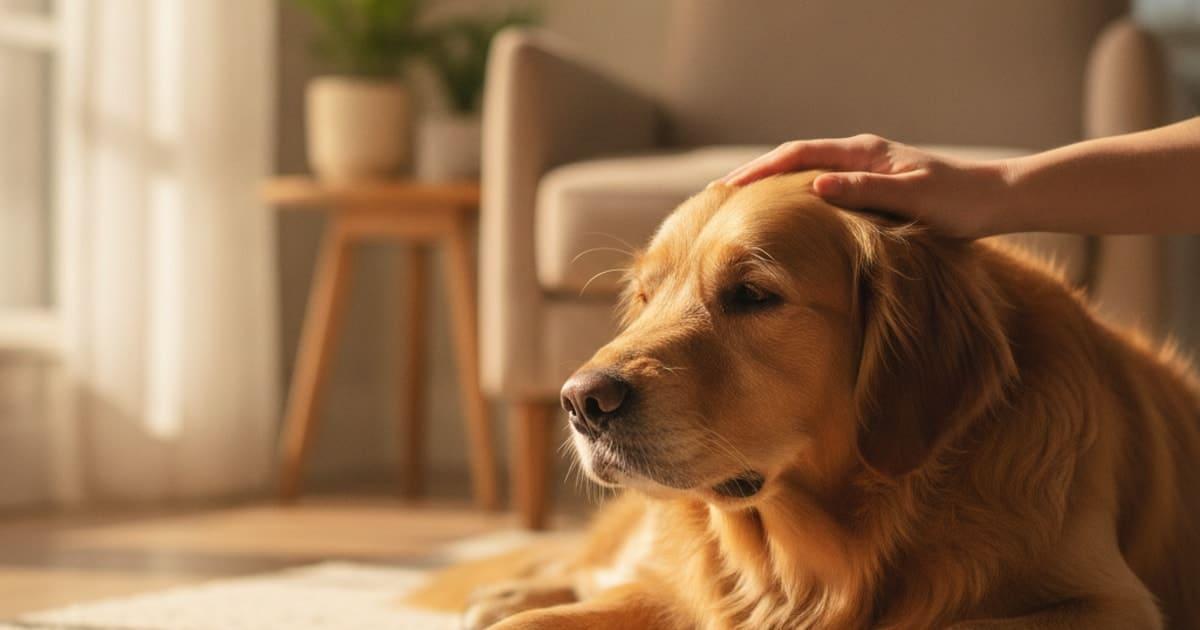
The early signs of heat stroke in dogs, such as heavy panting, thick drooling and restlessness in hot weather, are a reason to see a vet. Go to an emergency vet now if your dog is panting hard and cannot settle, is weak or wobbly, collapses or has a seizure; otherwise book a same-day appointment. Heat stroke can start during or soon after time in heat. At first your dog may pant fast with a wide mouth and a long, flat tongue, drool thick saliva, pace, search for shade or a cool floor, and seem unable to get comfortable. Heat stroke can turn the gums and tongue bright or dark red. As it gets worse, your dog can seem dull or confused, stare with glassy or unfocused eyes, shake or tremble, stumble, and vomit or pass diarrhea, which can contain blood. The gums can then turn pale, gray or blue, and your dog can collapse or have a seizure. Sun stroke is another name for heat stroke, and it looks the same. There is no mild heat stroke to manage at home, and heat stroke can move from early signs to collapse quickly, so do not wait for more signs before you call.
When to go to the vet now
Go to an emergency vet now if your dog shows any of these during or after time in heat:
- Panting hard and unable to settle or rest
- Weakness, wobbling, stumbling or trouble standing
- Collapse, or lying down and not getting up
- A seizure, or shaking and trembling
- Confusion, a dazed or glassy look, or not responding to you
- A change in the color of the gums or tongue
- Noisy breathing or a struggle to breathe
- Vomiting or diarrhea, or blood in either
- Bleeding from the nose or mouth, or new bruising on the skin
Do not wait to see whether the panting slows or your dog stands up again before you leave. Call the clinic as you set off so the team is ready for you, and follow what they tell you on the way. If you are not sure whether a sign counts, treat it as one and go. For other signs that need urgent care, see Dog Emergency Signs.
What can cause heat stroke
Heat stroke happens when your dog's body takes in or makes more heat than it can get rid of. Dogs shed heat mainly by panting and a little through their paw pads, and they cannot sweat across the skin the way humans do. When the air around them is hot or humid, or when they are working hard, panting may not be enough, and the heat inside the body keeps climbing. The causes below are possibilities your vet checks. You do not need to work out which one applies before you go.
Heat stroke can build from heat stress, when your dog is working hard to stay cool, to heat stroke, when the body can no longer keep up. Heat stress and heat stroke can look alike in the first minutes. There is no clear line you can see from the outside between the two. That is why the early signs on this page are a reason for a same-day vet visit, not a reason to wait. Your vet can measure the temperature and run blood tests, and those show what heat has done inside the body.
Heat from the surroundings is one possibility. A parked car can heat up fast, even with a window open, even in the shade, and even on a day that does not feel hot to you. A closed room, a sunroom, a yard with no shade, a hot beach, or a long stop on hot pavement can all add heat. Heat can also build in places that do not seem hot, such as a tent, a greenhouse, a groomer's drying cabinet, or the back of a vehicle on a mild, sunny day. Humid weather makes panting less useful, so heat stroke can happen on a warm, sticky day as well as a hot, dry one. A dog without water or shade has fewer ways to cool down. Sun stroke is the same problem, with direct sun as the main source of heat.
Exercise and excitement are another possibility. Running, fetch, long walks, hiking, working or rough play in warm weather make heat inside the body faster than it can leave. Stress, a long car ride, a busy place or a lot of barking can add to it. A dog that is enjoying itself can keep going after it has started to overheat, so heat stroke can begin while your dog still looks keen to play. Older dogs and dogs with joint or heart problems can tire and overheat on a walk that once seemed easy for them.
Some things about your dog can make heat stroke more likely. Flat-faced breeds, such as Bulldogs, French Bulldogs, Pugs and Boxers, have a shorter airway that makes panting less useful. A thick or double coat, extra weight, older age, being a young puppy, a heart problem, an airway problem such as laryngeal paralysis, and some hormone conditions can all reduce how well a dog sheds heat. A dog that has had heat stroke before can be at higher risk. Some medicines can also affect how a dog handles heat, so tell your vet about any medicine your dog takes. Any dog can get heat stroke, though, including a fit, healthy dog on a hot day. If your dog has any of these risks, talk to your vet about how heat affects them, and you can read about long-term health problems in the conditions library.
Other problems can look like heat stroke or happen alongside it, and that is part of why the vet exam matters. Your vet may also check for poisoning, a seizure disorder, a heart problem, an airway blockage, bloat, an infection with a fever, low blood sugar, or a reaction to a bite or sting. A dog can also have heat stroke on top of one of these, such as a dog with a weak airway that overheats on a short walk. Heat stroke is also different from a stroke, which affects the blood supply to part of the brain. For those signs, see Dog Stroke Symptoms.
Heat stroke is more than being too hot. Once the body gets too hot, it can harm the brain, kidneys, liver, gut, muscles and the way blood clots. This damage can keep going after your dog is out of the heat and seems calmer, which is why every sign on this page needs a vet rather than rest at home.
What your vet may do
When you arrive with a dog that may have heat stroke, the vet team may start care straight away, before taking a full history. They can take your dog's temperature at once and begin cooling under their care, at a pace that protects the body from cooling too far. They check breathing, heart rate, pulse, gum color and how alert your dog is. If your dog is having a seizure or is not responding, the team may protect the airway and give oxygen first, and tests follow once your dog is more settled.
The exam can also include listening to the heart and lungs, looking at the skin and gums for small bruises or bleeding spots, feeling the belly, and checking the eyes and how your dog responds. This helps the vet see whether heat has affected the brain, the circulation or the blood's ability to clot.
Your vet will also ask about the hours before the signs began: where your dog was, what it was doing, whether it had water and shade, and when you first saw a change. These answers help the vet consider other causes while treating heat stroke at the same time.
Treatment for heat stroke can include fluids through a drip into a vein to support blood pressure and the organs, and oxygen if breathing is a struggle. Your vet may give medicines to control seizures, vomiting or other problems. Some dogs need sedation or a breathing tube if the airway is swollen or the dog is very distressed, and some need a plasma or blood transfusion if clotting is affected.
Blood tests can show how heat has affected the body. A blood count looks at red cells, white cells and platelets. Clotting tests check whether the blood can clot as it should, because heat stroke can upset clotting. Kidney and liver values, blood sugar, salts in the blood and muscle values show whether those organs and tissues are under strain. A urine test can show kidney or muscle damage, and a urinary catheter may be placed to measure how much urine your dog makes.
Your vet may keep your dog in hospital to monitor temperature, heart rhythm, blood pressure, urine output and breathing, and to repeat blood tests, because some changes from heat stroke can appear after the first exam. A heart trace, called an ECG, can check the heart rhythm, and blood pressure checks show whether the circulation is holding up.
If another problem could be behind the signs, your vet may suggest X-rays of the chest or belly, an ultrasound scan, or tests for poisoning or infection. A dog with a known airway or heart problem may need extra checks of that problem as part of the plan.
Heat stroke can affect several organs at once, so the vet looks at the whole body rather than one sign. The plan can change as test results come back and as your dog responds to treatment. Your vet will explain what each test is for and what the results mean for your dog's care. Talk to your veterinarian about any part of the plan you want explained, and ask what to do in warm weather from now on and which signs mean you should call again.
What to tell your vet
Tell the vet team as much as you can. If someone is with you, they can call the clinic with these details while you drive:
- When you first noticed the panting, drooling or other signs, and what your dog was doing then
- Where your dog was, such as a car, a sunny yard or a walk, and how long they were in the heat
- Any change since then, such as more weakness, shaking, vomiting or confusion
- Any bleeding from the nose or mouth, blood in vomit or stool, or new bruising
- Any licking, drinking a lot of water or refusing water
- Other signs or health problems, such as a heart or airway problem, past heat stroke, and any medicines your dog takes
Do not delay leaving to gather these details. Tell the team what you know when you arrive.
Frequently asked questions
- Is heat stroke an emergency in dogs?
- Yes, heat stroke is an emergency when your dog is panting hard and cannot settle, is weak or wobbly, collapses, has a seizure, or shows a change in gum color. Go to an emergency vet now for any of these. For any other sign after time in heat, such as heavy panting or drooling, book a same-day vet appointment.
- What should I do if my dog has heat stroke?
- Call your vet today, and go to an emergency vet now if your dog is panting hard and cannot settle, is weak or wobbly, collapses or has a seizure. Call the clinic as you set off so the team is ready, and tell them where your dog was and when the signs began.
- Can I treat heat stroke at home?
- No, because heat stroke can harm organs even after your dog seems calmer, and that needs a vet. Do not give anything by mouth or put any product on your dog. Call the clinic as you set off and follow what the team tells you. For bleeding, use gentle pressure with a clean cloth on the way to the vet only.
- What does heat stroke look like in dogs?
- Heat stroke in dogs can look like heavy, fast panting with a wide mouth, thick drool, restlessness and pacing at first. It can then move to weakness, wobbling, a dazed look, shaking, vomiting or diarrhea, gums that change color, collapse or a seizure. Any early sign needs a same-day vet, and the later signs need an emergency vet now.
- What does sun stroke look like in dogs?
- Sun stroke is another name for heat stroke, and it looks the same: heavy panting, thick drool and restlessness, then weakness, wobbling, confusion, vomiting, collapse or a seizure. It can happen in direct sun, a hot car or a closed room. Go to an emergency vet now for weakness, collapse or a seizure; otherwise book a same-day vet.
- What color are a dog's gums with heat stroke?
- Heat stroke can turn the gums and tongue bright or dark red, and as it gets worse they can turn pale, gray or blue. Any change in gum color during or after heat is a reason to go to an emergency vet now. Do not stop to check the gums: panting hard, weakness or wobbling are reason enough to go.
- Can heat stroke affect a dog's eyes?
- Yes, heat stroke can change how your dog's eyes look. Your dog may stare with glassy or unfocused eyes, seem not to see you, or have a dazed, confused look. This can show that heat is affecting the brain. A change in the eyes or alertness after heat is a reason to go to an emergency vet now.
- What are the symptoms of mild heat stroke in dogs?
- Heat stroke can start with signs that look small, such as heavier panting, thick drool, restlessness or seeking a cool spot, but there is no mild heat stroke to manage at home. Heat can harm the body before your dog looks unwell, so any of these signs needs a same-day vet, and weakness or collapse needs an emergency vet now.
- Which dogs are more at risk of heat stroke?
- Flat-faced breeds such as Pugs and Bulldogs, dogs with thick coats or extra weight, puppies, older dogs, and dogs with a heart or airway problem can overheat more easily. A dog left in a car or exercised in warm, humid weather is also at risk. If your dog fits any of these, talk to your vet about heat.
- Is heat stroke the same as a stroke in dogs?
- No, because heat stroke is overheating of the whole body, while a stroke is a problem with blood supply to part of the brain. Both can cause wobbling, confusion or collapse, so both need a vet. Go to an emergency vet now for collapse, a seizure or sudden weakness, whatever you think the cause is.
- How fast can heat stroke happen in a dog?
- Heat stroke can develop within minutes in a hot car or during hard exercise in warm weather, and early signs can turn into weakness or collapse quickly. That is why any sign after time in heat needs a vet the same day, and weakness, wobbling, collapse or a seizure needs an emergency vet now.
Educational content, not veterinary advice. Ask your vet about your dog.