How Do I Get Rid of My Dog's Smelly Ears? See Your Vet
An ear smell is a reason to see your vet, who can find the cause before anything goes in the ear. This page covers which signs need an emergency vet now, what can cause the smell, what the vet may do, and what to tell them.
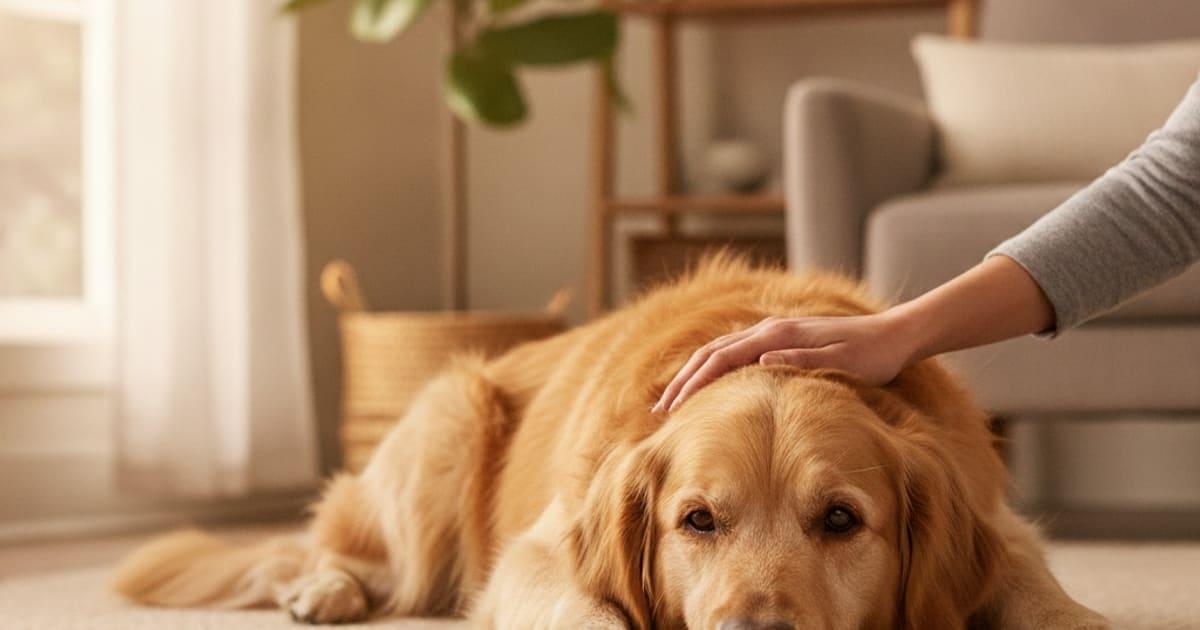
The answer to 'How do I get rid of my dog's smelly ears?' starts at the vet, because an ear smell is a reason to see a vet. Go to an emergency vet now if your dog has a head tilt or loss of balance, flicking eyes or a drooping face, bleeding from the ear that will not stop, or pain so bad it cries out when the head is touched; otherwise book a same-day appointment. The smell comes from something going on in or around the ear, and getting rid of it means finding and treating that cause. Before the visit, do not clean the ear or put drops, oils or a home mix in it, and do not give your dog anything by mouth for it.
When to go to the vet now
- A head tilt that appears suddenly
- Loss of balance, walking in circles, falling or rolling
- Eyes that flick from side to side, or a drooping eyelid, lip or ear on one side of the face
- Bleeding from the ear that will not stop
- Pain so bad your dog cries out, snaps or will not let the head be touched
- Weakness, not wanting to stand, or vomiting along with any ear sign
These signs can mean the problem has reached the middle or inner ear, or that a nerve or blood vessel is involved, and they need an emergency vet now. For a fuller list, read the guide to dog emergency signs. For an ear smell without any of these signs, book a same-day appointment with your vet.
What can cause an ear smell
An ear smell is a sign that something in or around the ear has changed. The smell on its own cannot tell anyone which cause is behind it, and very different problems can produce a similar smell. That is why your vet examines the ear and looks at a sample before choosing treatment. The causes below are possibilities your vet may check. None of them can be confirmed at home, and more than one can be present at the same time.
Yeast is one possibility. Yeast lives on the skin in small numbers, and warmth, moisture, wax and inflamed skin in the ear canal can let it grow past that point. Your vet can find yeast by looking at a swab from the ear under a microscope.
A bacterial infection of the ear canal is another. Bacteria can take hold when the lining of the canal is red, swollen or broken. Some bacteria respond to one medicine and not another, which is one reason your vet may send a sample to a laboratory before choosing treatment.
Ear mites are tiny parasites that live in the ear canal. They can cause intense itching and a build-up of debris, and they pass between animals that live together. If mites are a possibility, your vet may ask about other pets in your home, since every animal may need treatment at the same time.
Something stuck in the ear canal, such as a grass seed or a piece of plant, can irritate the lining and lead to infection. A seed can move deep down the canal toward the eardrum, where it cannot be seen without an otoscope. Pulling at the ear or trying to reach inside can push it further in.
Allergies can sit underneath an ear smell. An allergy to something in the environment, or to something in the diet, can inflame the skin of the ear canal and make it easier for yeast and bacteria to grow. When an ear problem comes back after treatment, your vet may look at allergy as a cause underneath the infection. Any change of food to look for an allergy is something your vet sets up and guides.
Moisture trapped in the ear after swimming or bathing can soften the lining of the canal and give yeast and bacteria a warm, damp place to grow. Your vet may ask whether your dog swims or had a bath before the smell started.
The shape of the ear plays a part. Long, heavy ears that hang down, narrow ear canals and hair growing inside the canal can hold in warmth and moisture. Your vet takes this into account when planning care, but ear shape does not explain a smell on its own, and a dog with this kind of ear still needs the cause found.
Some hormone conditions, such as an underactive thyroid gland, can change the skin and the lining of the ear canal and make ear infections more likely. Your vet checks for these with blood tests when the history or exam points that way.
A growth or polyp inside the ear canal can block air flow and trap wax and discharge behind it. Your vet may need to look deep in the canal, sometimes under sedation, and take a sample of any growth to find out what it is.
An infection can also sit behind the eardrum, in the middle ear. This can follow an infection of the outer canal, and because nerves that control balance and the face run close by, it can cause a head tilt, loss of balance or a drooping face. These signs need an emergency vet now.
An ear canal that has been inflamed for a long time can thicken and narrow. A narrowed canal traps more debris and is harder for medicine to reach, so finding the cause early gives your vet more ways to help.
Not every smell near the head comes from inside the ear. Infected skin on the ear flap, a sore from scratching, or a problem in the mouth can give off a smell that seems to come from the ears. Your vet checks the whole head and the skin as part of the exam.
Products and home mixes can add to the problem. A liquid put into an ear with a torn eardrum can reach the middle ear, and vinegar mixes, oils and other home mixes can sting or irritate skin that is already sore. Tell your vet about anything that has gone into the ear, even once. You can read more about ear and skin problems in the conditions library.
What your vet may do
Your vet starts with questions. These cover when you first noticed the smell, whether one ear or both are affected, what your dog eats, whether your dog swims, any past ear problems, and anything that has already been put in the ear. The answers help your vet decide which causes to look at first and which tests to run.
Next comes a physical exam. Your vet looks at the ear flaps, the skin around the ears and face, the paws and the rest of the coat, since skin and ear problems can be linked. Your vet also watches how your dog holds its head and walks, and checks whether the eyes and face move evenly on both sides, which shows whether the nerves near the ear are involved.
Your vet then looks down each ear canal with an otoscope, a small handheld light and magnifier that fits into the canal. This shows the lining of the canal, any discharge, swelling, growth or stuck object, and whether the eardrum is whole. Knowing the state of the eardrum matters, because some ear medicines and cleaners must not be used when it is torn.
A sore, swollen ear can be hard to examine while a dog is awake. Some dogs need light sedation or a general anaesthetic for a proper look, especially when the canal is packed with debris or an object may be lodged deep inside. Your vet will explain why sedation is needed if it is.
Ear cytology is one of the main tests for an ear smell. Your vet takes a swab of the material in the ear, rolls it onto a glass slide, stains it and looks at it under a microscope. This can show yeast, bacteria, the cells of inflammation, and mites or their eggs. Your vet may repeat it at a recheck to see how the ear is responding to treatment.
When the ear has had trouble before, when infection looks deep, or when treatment has not cleared it, your vet may send a sample to a laboratory for culture. The lab grows the bacteria and tests which medicines work against them, so your vet can choose treatment for your dog's ear in particular.
Your vet may flush the ear at the clinic, sometimes under anaesthesia, to remove wax, discharge and debris so that medicine can reach the lining of the canal. If the exam finds a grass seed or other object, your vet removes it with fine instruments while looking down the canal.
Other tests depend on what the first exam finds. These may include blood tests for hormone conditions and general health, imaging such as X-rays or a CT scan when the middle ear may be involved, and a biopsy of any growth. If allergy is a possibility, your vet may set up an allergy plan, which can include a diet trial that your vet designs and guides.
Treatment follows the cause. It may include ear drops, a medicine your vet prescribes by mouth, treatment for mites for every pet in the home, removal of an object, or longer care for an allergy or hormone condition. If your vet decides that ear care at home is part of the plan, your vet will show you how to do it and what to use for your dog's ears. Your vet can tell you how ear care fits with any skin or allergy condition your dog already has.
Do not swap in oils, rinses or home mixes for what your vet prescribes, and do not stop a treatment early because the smell has faded. Talk to your vet before using anything in or on the ear. If any part of the plan is unclear, talk to your veterinarian, who can explain it and adjust it for your dog.
What to tell your vet
- When you first noticed the smell, and whether it is in one ear or both
- Any change in the smell, discharge, redness or swelling since then
- Any bleeding from the ear or the ear flap
- Licking, scratching, head shaking or rubbing the head on the floor or furniture
- Other signs, such as itchy skin, paw licking, a head tilt, loss of balance or a change in appetite
- Recent swimming or bathing, and anything that has been put in the ear
- Past ear problems and what your vet used for them
Call your vet again if you notice a head tilt, loss of balance, bleeding or new pain after the visit.
Frequently asked questions
- Is an ear smell an emergency in dogs?
- An ear smell needs an emergency vet now if it comes with a head tilt or loss of balance, flicking eyes or a drooping face, bleeding from the ear that will not stop, or crying out in pain when the head is touched. For an ear smell without these signs, book a same-day vet appointment.
- What should I do if my dog has an ear smell?
- Call your vet today. Before the visit, do not clean the ear or put drops, oils or any home mix in it, because that can hide what the vet needs to see and can harm an ear with a damaged eardrum. Go to an emergency vet now for a head tilt, loss of balance or heavy bleeding.
- Can I treat an ear smell at home?
- No, because the smell comes from a cause that needs an exam, and the wrong product can harm the ear. Do not put anything on or in the ear and do not remove anything before the vet sees it. If the ear is bleeding, hold gentle pressure with a clean cloth on the way to the vet only.
- How do I get rid of my dog's smelly ears?
- Getting rid of the smell means treating its cause, and that starts with a same-day vet visit. Your vet looks into the ear, takes a swab to check for yeast, bacteria or mites, and then chooses treatment. Covering the smell or cleaning at home first can hide the cause and delay the right treatment.
- How do you clean smelly dog ears?
- The first cleaning should happen at the vet clinic, after your vet has checked the eardrum and taken a swab. Your vet uses a cleaner chosen for your dog's ear and may sedate a painful dog. If home ear care is part of the plan afterward, your vet will show you how and what to use.
- Should I clean my dog's smelly ears before the vet visit?
- No, because cleaning removes the discharge your vet needs to sample and can push debris or a grass seed deeper. If the eardrum is damaged, a liquid can reach the middle ear and cause harm. Leave the ear as it is and tell your vet if anything has already gone into it.
- How does a vet treat an ear smell?
- Your vet treats the cause found on the exam and swab. That may mean ear drops or a medicine your vet prescribes, a flush at the clinic, removing a grass seed, treating mites in every pet at home, or looking into allergies or a hormone condition. Talk to your vet before using anything else in or on the ear.
- Why do my dog's ears smell?
- An ear smell can come from yeast, a bacterial infection, ear mites, a grass seed or other object in the canal, trapped moisture, allergies, a hormone condition or a growth. The smell alone cannot show which one it is, so your vet examines the ear and looks at a swab under a microscope to find the cause.
- What should I tell my vet about the ear smell?
- Tell your vet when you first noticed the smell, whether it is in one ear or both, any change since, any bleeding, and whether your dog is scratching, shaking its head or licking. Mention swimming, baths, past ear problems and anything already put in the ear, since these details help your vet decide which tests to run.
- Why does my vet need to see the eardrum?
- Your vet needs to know whether the eardrum is whole before choosing ear drops or flushing the ear. Some products can harm the middle ear if the eardrum is torn, and an infection behind the eardrum needs different care. An otoscope exam, sometimes under sedation, lets your vet see it.
Educational content, not veterinary advice. Ask your vet about your dog.