How to Stop Dog Coughing After Drinking Water: See the Vet
A cough after drinking water is a reason to see a vet. Go to an emergency vet now for breathing trouble, blue, grey or pale gums, collapse or a coughing fit that will not stop; otherwise book a same-day appointment so the cause can be found and treated.
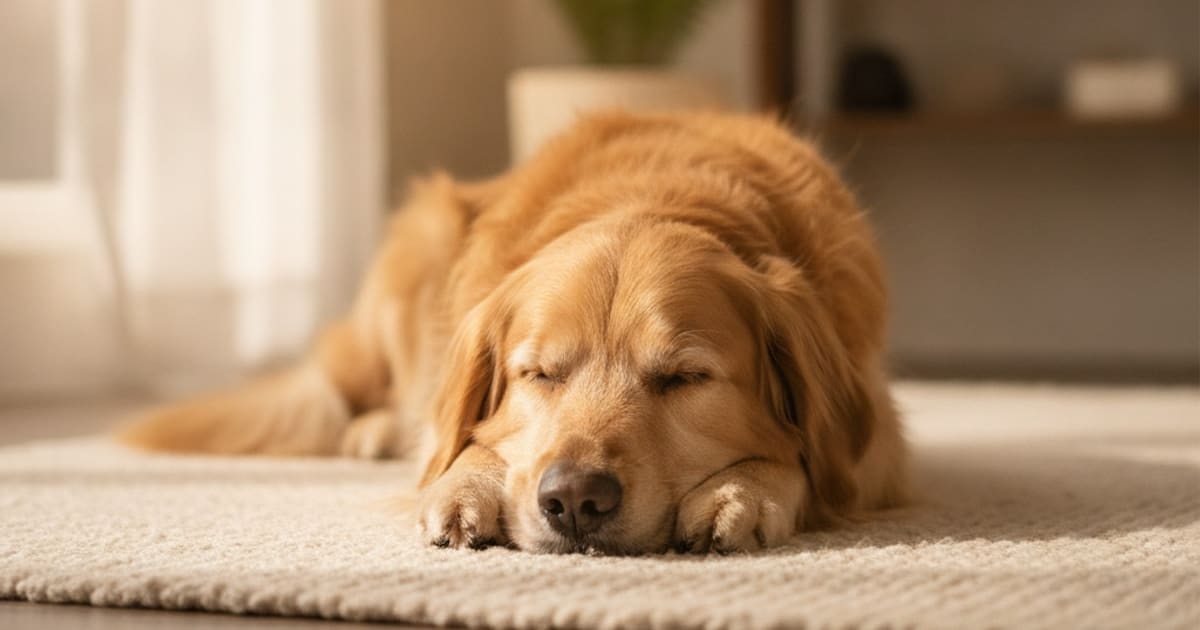
A cough after drinking water is a reason to see a vet, because how to stop dog coughing after drinking water depends on the cause your vet finds. Go to an emergency vet now if your dog is struggling to breathe, has blue, grey or pale gums or tongue, collapses or faints, or has a coughing fit that will not stop or brings up blood; otherwise book a same-day appointment. Talk to your vet before you change anything about how, when or where your dog drinks, and never hold back water unless your vet tells you to. The cough is a sign, not a diagnosis, and the right help for your dog starts with finding out what is behind it.
When to go to the vet now
- Struggling to breathe, breathing fast at rest or noisy breathing
- Blue, grey or pale gums or tongue
- Collapse, fainting or sudden weakness
- A coughing fit that will not stop, or coughing up blood or pink froth
If your dog has any of these, go now and call the emergency clinic on the way if you can. The page on Dog Emergency Signs covers other signs that need emergency care.
What can cause a cough after drinking water
A cough after drinking water can start in the throat and voice box, the windpipe, the lungs, the heart or the food pipe that carries water down to the stomach. Each of the causes below is a possibility your vet checks, not something to settle at home. The sound of the cough, the time of day and the way your dog drinks can all help your vet, but none of them on its own points to one cause, so the visit comes first. A vet exam may help find the cause, and only then can the right plan begin.
When a dog drinks, the throat muscles and a small flap over the windpipe work together so that water goes into the food pipe and stays out of the airway. If a little water slips toward the airway, the body coughs to push it back out. This can happen when a dog drinks fast or in big gulps, and it can also happen when the throat or the swallow is not working as it should. When a dog coughs after drinking water fast, it can look like simple gulping, but gulping and coughing together can also come from a throat, windpipe or food pipe problem. That is why drinking fast is a possibility your vet checks, not a reason to skip the visit.
The voice box sits at the top of the windpipe. Its folds open as a dog breathes in and close as it swallows. When those folds do not move as they should, a problem vets call laryngeal paralysis, water and food can slip toward the airway and set off coughing or gagging. This problem can make breathing harder too, which is one reason any breathing trouble means an emergency vet now. Your vet looks at how the voice box moves, and that check needs a light sedative in the clinic.
The windpipe is held open by rings of cartilage. If those rings soften or flatten, a problem called tracheal collapse, the airway narrows and becomes easy to irritate. In a dog with an irritated windpipe, drinking, eating, excitement, heat or pressure on the neck can all set off a coughing spell. Your vet checks the windpipe with an exam and X-rays, and sometimes with a small camera passed into the airway under an anaesthetic.
Infections of the airway, including kennel cough, can leave the throat and windpipe sore and sensitive, so even a few sips of water can set off a spell. Inflammation of the airways or lungs without infection, such as from allergies, smoke or dust, can do the same. If your dog has recently been in kennels, at daycare, at a groomer or around other dogs, tell your vet, because it changes what they look for. Pneumonia is another possibility your vet checks, including pneumonia that follows water or food reaching the lungs, and a dog with pneumonia can become tired, short of breath and unwell.
The food pipe, or oesophagus, carries water and food from the throat to the stomach. If it is stretched, weak, inflamed or partly blocked, water can pool in it or come back up, and some of that water can reach the airway. An enlarged food pipe, called megaoesophagus, is one example your vet considers, along with inflammation from stomach acid and a narrowing of the food pipe. If your dog brings water or food back up after drinking or eating, tell your vet, as it is part of what they check. The page on Dog Coughs After Eating looks at a cough linked to meals, which can share some of these causes.
Heart disease can lead to fluid building up in the lungs, and an enlarged heart can press on the airway. Either can bring on a cough, and that cough can follow drinking, excitement, exercise or lying down. Your vet listens to the heart, checks the pulse and may use X-rays or an ultrasound scan of the heart to look into this.
A cough that comes at night after drinking can be linked to the heart, the airway or the food pipe, and lying down soon after a drink can play a part. The timing helps your vet, but it does not point to one cause on its own. If your dog coughs at night after drinking, the way to stop it is the same as in the day: book a same-day appointment, note when each spell happens, and let your vet find the reason.
Something stuck in the throat or windpipe, such as a grass seed or a splinter of stick, and a growth in the throat or chest are other possibilities your vet checks. Do not look into or reach into your dog's mouth or throat to search for anything; leave that to your vet.
After surgery, the breathing tube placed during the anaesthetic can leave the throat and windpipe sore, so a drink may set off a cough. A cough after surgery can also come from water or food reaching the lungs while a dog is still drowsy, or from an infection, and these need prompt care. If your dog coughs after drinking water after surgery, call the clinic that did the operation today. Go to an emergency vet now if your dog struggles to breathe, seems weak or has blue, grey or pale gums.
There is no step to try at home before the visit. Holding back water, changing what your dog drinks from or giving anything from the cupboard can hide signs your vet needs to see, and holding back water can harm your dog. To help your dog, get the cause found first. Preventing the cough later depends on that cause, and once your vet has found it they can explain any changes to how your dog drinks, eats, exercises or rests that fit it. You can read more about airway, heart and swallowing problems in the conditions library.
What your vet may do
Your vet starts by asking about the cough: when it began, when it happens, what it sounds like, how long each spell lasts and whether your dog has any other signs. A short video of a coughing spell on your phone can help, because a dog may not cough in the exam room. Then comes a full physical exam. Your vet listens to the heart and lungs, checks the gums, pulse and temperature, and examines the throat, neck and chest. Your vet may also ask to see your dog drink in the clinic.
From there, the tests depend on what the exam shows. Chest X-rays let your vet look at the lungs, the heart, the windpipe and the food pipe, and X-rays of the neck can add detail about the upper airway. Blood tests check general health and can show signs of infection or inflammation. A swallowing study uses moving X-ray images to follow water or food as your dog swallows, which helps your vet see whether anything is going the wrong way. If the voice box or windpipe needs a closer look, your vet may examine the throat under a light sedative or an anaesthetic, or pass a small camera into the airway or food pipe. An airway wash, where a little sterile fluid is used to collect cells from the airway, can help find infection or inflammation. If the heart is a concern, an ultrasound scan of the heart and a heart tracing, called an ECG, let your vet see how it is working.
If your dog is struggling to breathe when you arrive, your vet will put that first. Oxygen, rest in a calm space and close checks of breathing may come before any tests, and some dogs need to stay in hospital while the cause is found.
Once your vet knows the cause, they can explain the treatment that fits your dog. Treatment for a dog that coughs after drinking water can include a medicine your vet prescribes for an infection, inflammation or a heart problem, care for a sore throat or food pipe, help with weight and exercise, or surgery for some voice box and windpipe problems. If you are asking how to treat a dog that coughs after drinking water, the plain answer is that the plan follows the diagnosis, and there is no single treatment for every cause. Do not give your dog any medicine from home, including one meant for people, unless your vet prescribes it.
If your dog already has a heart, airway or swallowing problem that has been diagnosed and now coughs after drinking, call your vet today. Your vet can tell you how any change to your dog's food, water or routine fits that existing condition, and whether the current plan needs to change. Talk to your vet before you change anything yourself.
What to tell your vet
Bring these details to the appointment, written down if you can, as they help your vet narrow down the cause:
- When you first noticed the cough after drinking, and whether it happens at other times too
- Any change in how often the cough comes, how hard it is or how it sounds
- Any blood, pink froth, or water or food brought back up
- Any licking of the lips, gulping, gagging or repeated swallowing
- Other signs, such as tiredness, faster breathing, eating less or a change in voice or bark
- Whether it happens at night, after drinking fast, after exercise or since a recent surgery, kennel stay or time with other dogs
- Any medicine your dog takes
Frequently asked questions
- Is a cough after drinking water an emergency in dogs?
- It is an emergency if your dog has trouble breathing, blue, grey or pale gums or tongue, collapses or faints, or cannot stop coughing or brings up blood. Go to an emergency vet now for any of these. For a cough after drinking water without these signs, book a same-day appointment with your vet.
- What should I do if my dog has a cough after drinking water?
- Call your vet today and book a same-day appointment. Tell them when the cough started, when it happens and any other signs, such as tiredness or bringing water back up. Go to an emergency vet now instead if your dog struggles to breathe, has blue, grey or pale gums, collapses or coughs up blood.
- Can I treat a cough after drinking water at home?
- No, because the cough needs a vet to find its cause before anything is tried. Do not give your dog anything, do not put anything in its mouth or throat, and do not try to remove anything you think is stuck. Do not hold back water unless your vet tells you to. Talk to your vet first.
- How do I stop my dog coughing after drinking water?
- You stop it by treating the cause, and that starts with your vet. A cough after drinking water can come from the throat, the windpipe, the lungs, the heart or the food pipe, and each needs a different plan. Book a same-day appointment and talk to your vet before you change anything.
- How do I stop my dog coughing after drinking water at night?
- Book a same-day appointment so your vet can find out why the cough comes at night. A night-time cough after drinking can be linked to the heart, the airway or the food pipe, and lying down can play a part. Note the times it happens and tell your vet. Go to an emergency vet now for breathing trouble.
- How can I prevent my dog from coughing after drinking water?
- Prevention depends on the cause, so the first step is a vet visit. Once your vet has found the reason, they can explain any changes to how your dog drinks, eats or rests that fit that cause. Do not hold back water to stop the cough, because your dog needs water. Talk to your vet first.
- How can I help my dog that coughs after drinking water?
- The best help is getting your dog seen by a vet today. Call your vet, book a same-day appointment, and write down when the cough happens, how long each spell lasts and any other signs. Go to an emergency vet now if your dog struggles to breathe, collapses, coughs up blood or has blue, grey or pale gums.
- What should I do if my dog coughs after drinking water after surgery?
- Call the clinic that did the surgery today. A breathing tube used during the anaesthetic can irritate the throat, but a cough after surgery can also come from water or food reaching the lungs, so the vet needs to check. Go to an emergency vet now if your dog struggles to breathe, seems weak or has blue, grey or pale gums.
- Can drinking water fast make my dog cough?
- It can, because water taken in big gulps may reach the airway and set off a cough. But drinking fast is only one possibility, and the same cough can come from the windpipe, the throat, the heart or the food pipe. Book a same-day appointment so your vet can check, and talk to your vet before changing anything.
- What treatment can a vet give for a cough after drinking water?
- Treatment depends on the cause your vet finds. It can include a medicine your vet prescribes for infection, inflammation or the heart, advice on weight and exercise, care for the throat or food pipe, or surgery for some airway problems. Your vet will explain the plan that fits your dog. Talk to your vet before giving anything.
Educational content, not veterinary advice. Ask your vet about your dog.