How to Stop a Dog Rubbing Its Eye: When to See the Vet
A dog rubbing its eye on the carpet, the furniture or you is showing a sign of a sore or itchy eye, and that needs a vet. This page covers when to go now, what can cause it, what your vet may do and what to tell your vet.
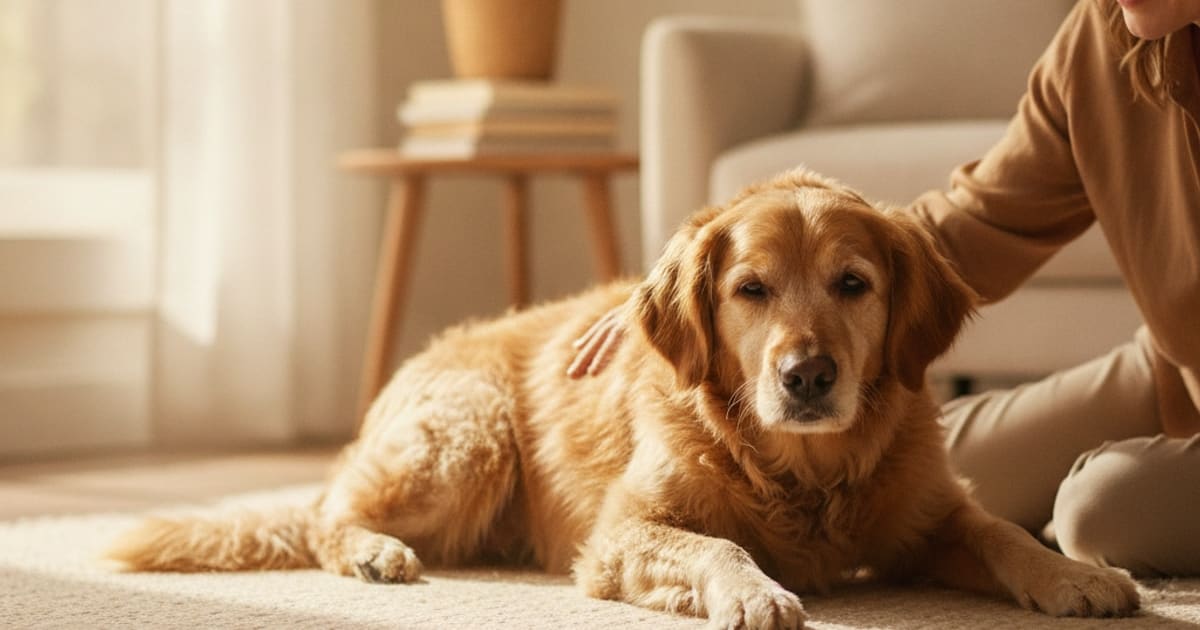
A sore or itchy eye is a reason to see a vet, and having a vet find and treat the cause is how to stop a dog rubbing its eye. Go to an emergency vet now if the eye is held shut, the eye looks cloudy, bloody or pushed forward, something hit, scratched or went into the eye, or your dog suddenly seems unable to see; otherwise book a same-day appointment. A dog that keeps rubbing its eye on the carpet, drags its face along the floor, pushes its head into the sofa or other furniture, rubs its eyes on you, or paws at its face with its feet is showing one sign in different places: something in or around the eye is bothering it. The rubbing itself can scratch the clear surface of the eye, push dirt or hair further under the lids and break the thin skin of the eyelids, so the rubbing can make the first problem worse. Nothing you can do at home treats the cause. While you arrange the visit, calmly call your dog away from the carpet, the furniture or your legs, keep it close to you and quiet, and leave the eye alone. Do not put anything in or on the eye, do not try to open the lids or look inside, and do not try to remove anything you think may be caught there. Your vet can then find what is causing the discomfort and treat it, and treating the cause is what stops the rubbing.
When to go to the vet now
Go to an emergency vet now if your dog is rubbing its eye and you notice any of these:
- The eye is held shut, or your dog is squinting hard
- The eye looks cloudy or hazy, or there is blood in or around it
- The eye looks swollen, bulging or pushed forward
- Something hit, scratched or went into the eye, such as a claw, a stick or a grass seed
- A chemical, cleaning product, shampoo or spray got into the eye
- Your dog suddenly seems unable to see
For any other rubbing, pawing or face dragging, book a same-day appointment rather than waiting. The page on dog emergency signs lists other signs that need urgent care.
What can cause a sore or itchy eye
Rubbing tells you that the eye or the skin around it is uncomfortable, but it does not tell you why. The same rubbing on the carpet, the floor, the furniture or your legs can come from a problem on the surface of the eye, inside the eye, in the eyelids and lashes, or in the skin of the face. The causes below are possibilities your vet checks for. Only an exam can tell them apart, and more than one can be present at the same time, so none of them is a conclusion to reach at home.
Something caught in the eye is one possibility. A grass seed, a piece of plant, sand, dust or a loose hair can lodge under the eyelids or behind the third eyelid, the extra lid that sits in the inner corner of the eye. A grass seed can work its way deeper with every blink and every rub, which is one reason the rubbing needs a vet rather than time. Your vet looks under the lids for anything trapped there and removes it with the right tools.
A scratch or an ulcer on the surface of the eye is another. The clear front window of the eye is called the cornea. A claw, a branch, a toy, a fall or the rubbing itself can scratch it, and a scratch can turn into an ulcer, which is a sore where the outer layer has worn away. Damage to the cornea can be painful, and pain can lead to more rubbing, which can deepen the damage. Your vet tests the eye surface at the visit for this reason.
Allergies can make the eyes and face itchy. A reaction to something in the environment, such as pollen, dust mites or moulds, to something in the food, or to flea bites can lead a dog to rub its face and eyes on the carpet and furniture, and to lick or chew its paws, scratch its ears or rub its body along the floor as well. When allergy is a possibility, your vet looks at the skin, the ears and the paws as well as the eyes. If your dog is also rubbing or licking its feet, the page on dog rubbing paws on carpet covers that sign, and both can be raised at the same visit.
Inflammation of the lining of the eye is another possibility. The pink tissue that lines the eyelids and covers the white of the eye is called the conjunctiva, and inflammation there is called conjunctivitis. It can come from allergy, dust or smoke, an infection, or another eye problem underneath, so your vet looks for the cause rather than treating the inflammation on its own.
Dry eye happens when the eye does not make enough tears. Without enough tear film, the surface of the eye dries out and becomes sore and sticky, and the discomfort can lead to pawing and rubbing. Your vet can measure tear production with a test at the visit.
Problems with the eyelids and lashes can rub the eye from the outside. Eyelids that roll inward, eyelashes that grow from the wrong place or point toward the eye, and folds of facial skin that touch the eye can brush against the surface every time your dog blinks. Your vet checks the position of the lids and lashes under magnification. Flat-faced dogs, whose eyes sit further forward and who have folds of skin near the nose, are one group your vet looks at closely for these problems.
Problems inside the eye can also cause rubbing. Raised pressure inside the eye, called glaucoma, and inflammation inside the eye, called uveitis, can both cause pain that a dog tries to relieve by rubbing. These problems can damage sight quickly, which is why a cloudy eye, a bulging eye or sudden trouble seeing means going to an emergency vet now.
Other problems near the eye can lead to rubbing too. Your vet considers skin infections around the eyes, mites, a blocked tear duct, a swollen gland in the third eyelid, and a tooth root problem in the upper jaw just below the eye, alongside the eye itself.
You can read about eye and skin problems in the conditions library, but that reading is background only. It is not a way to work out the cause at home and it does not replace the visit.
What your vet may do
Your vet starts by asking about the rubbing: when it began, where your dog rubs, whether one eye or both seem to bother it, and anything that might have reached the eye. Then your vet examines your dog's face, eyelids and eyes with a bright light and magnification. A vet exam may help find the cause even when the eye looks clear to you, because some problems on the surface of the eye and inside it cannot be seen without the right equipment and tests.
Your vet may place a dye on the eye that shows scratches and ulcers on the cornea under a blue light. A tear test uses a small paper strip held at the edge of the lower lid to measure how much tear fluid the eye makes. A pressure test uses a handheld instrument that touches the surface of the eye, after numbing drops, to look for raised pressure inside the eye. Your vet also looks under the eyelids and behind the third eyelid for anything caught there, and at the lashes and lid edges for hairs that rub the eye.
Some dogs need numbing drops or light sedation so the vet can look under the lids properly, flush the eye or remove something stuck. When skin or allergy is a possibility, your vet may also look at the skin, ears and paws, take a skin scraping, a swab or a sample of any discharge, and talk to you about an allergy plan or a food trial that your vet sets up and guides. If something inside the eye is a concern, your vet may suggest more tests, or refer you to a veterinary eye specialist who has equipment for looking deeper into the eye.
Treatment depends on the cause your vet finds, and that is the real answer to how to stop a dog rubbing its eyes, whether it rubs on the carpet, on the furniture, on you or with its paws. Treatment may mean removing a grass seed or other object, drops or a medicine your vet prescribes for an infection, an ulcer, dry eye, raised eye pressure or an allergy, treatment for skin or ear problems that make the face itch, or surgery to correct eyelids or lashes that rub the eye. Your vet may also talk to you about how to protect the eye from more rubbing while treatment goes on, and may ask to see your dog again to recheck the eye.
Use only the drops and medicines your vet gives you, in the way your vet explains, and do not use leftover eye drops or anything meant for people. Some products used for one eye problem can harm an eye with an ulcer, which is why the tests come first. If you are unsure about any part of the plan, or about what to give and when, talk to your vet.
What to tell your vet
Before the visit, note these points so you can share them with your vet:
- When you first noticed the rubbing, and whether it started suddenly or built up
- Any change since then, such as more rubbing, rubbing on both sides, or a change in how the eye looks
- Where your dog rubs: the carpet, the floor, furniture, your legs or hands, or with its paws
- Any bleeding, discharge or extra tears from the eye
- Licking or chewing of the paws, or scratching at the ears, face or body
- Anything that may have reached the eye, such as a scratch from another pet or a run through long grass or bushes
- Other signs, such as sneezing, tiredness or eating less
- Any medicines, drops or products your dog has had, and any past eye problems
Go back to your vet or to an emergency vet now if, at any point before or after the visit, the eye becomes cloudy or bloody, is held shut, starts to bulge, or your dog suddenly seems unable to see. If you are unsure whether a change in the eye needs care now, talk to your veterinarian straight away.
Frequently asked questions
- Is a sore or itchy eye an emergency in dogs?
- A sore or itchy eye is an emergency when the eye is held shut, looks cloudy, bloody or bulging, has been hit, scratched or splashed with a chemical, or your dog suddenly seems unable to see. Go to an emergency vet now for any of those. For any other eye rubbing or pawing, book a same-day appointment.
- What should I do if my dog has a sore or itchy eye?
- Call your vet today and book a same-day appointment, or go to an emergency vet now if the eye is held shut, cloudy, bloody, bulging or injured. Until the visit, calmly call your dog away from the carpet and furniture, keep it close and quiet, and do not put anything in or on the eye.
- Can I treat a sore or itchy eye at home?
- No, because the cause needs a vet exam. Do not put anything in or on the eye or remove anything caught there before the vet sees it. For bleeding from the skin near the eye, gentle pressure with a clean cloth on the way to the vet is the only step; never press on the eye.
- How do I stop my dog rubbing its eye?
- You stop the rubbing by having a vet find and treat the cause, such as a scratch, an allergy or something caught in the eye. Book a same-day appointment, or go to an emergency vet now if the eye is held shut, cloudy, bloody or injured. Meanwhile, calmly call your dog away and leave the eye alone.
- How do I stop my dog from rubbing his eyes on the carpet and floor?
- Calmly call him away from the carpet and floor, keep him close to you, and book a same-day vet appointment, because rubbing on surfaces is a sign the eyes are sore or itchy. Do not put anything in or on his eyes. Go to an emergency vet now if an eye is held shut, cloudy, bloody or injured.
- Why does my dog rub its eyes on furniture?
- Rubbing on furniture is a way a dog tries to relieve a sore or itchy eye or face. Possible causes your vet checks include something caught under the lids, a scratch or ulcer, allergies, conjunctivitis, dry eye and eyelid or lash problems. Only an exam can find the cause, so book a same-day appointment.
- Why does my dog rub its eyes on me?
- When your dog rubs its eyes on your legs or hands, it is showing the same sign as rubbing on the carpet: something in or around the eye is bothering it. It needs the same response. Book a same-day vet appointment, and go to an emergency vet now if an eye is held shut, cloudy, bloody or injured.
- What treatment does a vet give a dog rubbing its eyes with its paws?
- Treatment depends on the cause your vet finds after examining the eyes, lids, skin and paws. It may include removing something caught in the eye, drops or a medicine your vet prescribes for infection, an ulcer, dry eye or allergy, care for itchy skin, or surgery for eyelids or lashes that rub the eye.
- Can rubbing hurt my dog's eye?
- Yes, because rubbing can scratch the surface of the eye, push dirt or a grass seed further under the lids, and break the skin of the eyelids. An existing scratch or ulcer can also get deeper. That is why rubbing needs a same-day vet visit, and an emergency vet now if the eye is held shut, cloudy or bloody.
- Can allergies make a dog rub its eyes?
- Yes, allergies to things in the environment, food or flea bites can make the eyes and face itchy, and an itchy dog may rub its face on the carpet and furniture or paw at its eyes. Allergy is one of several possibilities. Book a same-day appointment so your vet can examine the eyes, skin and ears.
- When might my vet refer my dog to an eye specialist?
- Your vet may refer your dog to a veterinary eye specialist when a problem sits deep in the eye, such as raised pressure or inflammation inside the eye, when specialised tests or eye surgery are needed, or when the cause is unclear after the first exam. Talk to your vet about whether a referral fits your dog.
Educational content, not veterinary advice. Ask your vet about your dog.