How to Use the Wolverine Stack for Dogs? (Owner's Guide)
The Wolverine Stack for dogs is BPC-157 and TB-500 run together as a single recovery routine, most often alongside vet-directed rest and rehab. Owners typically reconstitute the vials, dose by body weight under veterinary guidance, and hold a consistent daily schedule through the whole recovery window rather than stopping early.
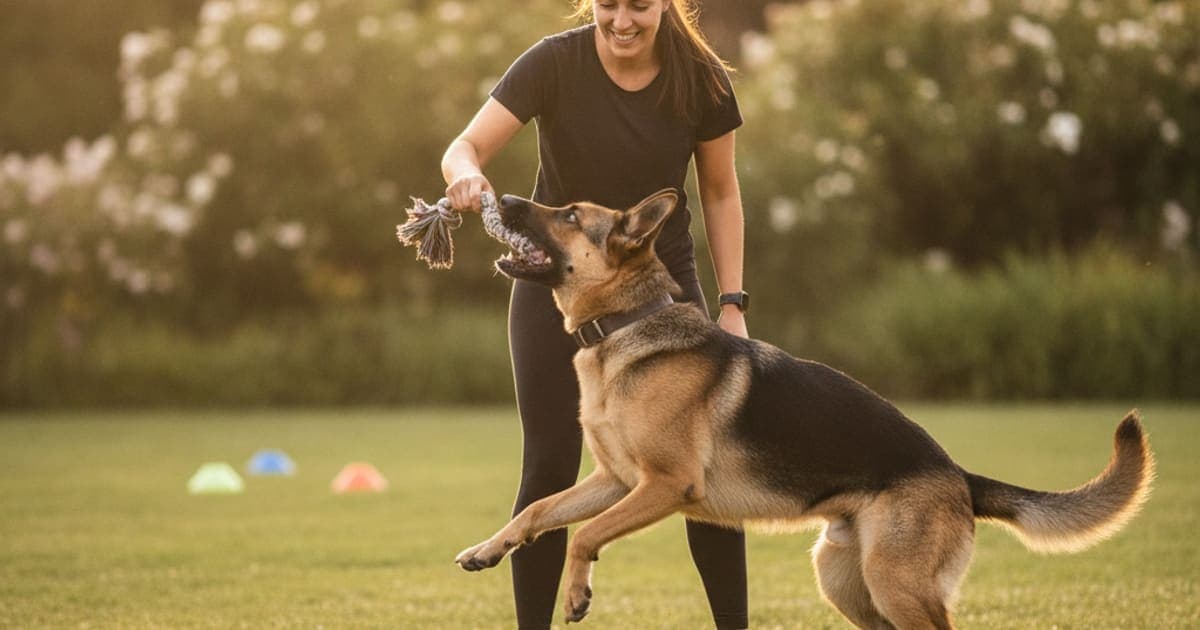
Using the Wolverine Stack for a dog means running BPC-157 and TB-500 together as one coordinated recovery routine, layered on top of a veterinary diagnosis and rehab plan rather than instead of it. In practice it comes down to four steps: confirm what is actually injured with your veterinarian, prepare and store the peptides correctly, set a weight-based amount with your vet's input, and stay consistent for the full length of the recovery window instead of stopping the week the limp looks better. K9-REPAIR is pawgen's formulation of that pairing, made for dogs, third-party tested and shipped direct to your door. BPC-157 and TB-500 are not FDA-approved veterinary drugs, and everything below is educational.
Where the name comes from and what is actually in the vials
The nickname came out of human peptide communities, borrowed from the comic-book character known for fast tissue repair. The name is folklore. The reason the two are paired is not — BPC-157 and TB-500 act on different parts of the repair cascade, which is exactly why owners run them together instead of choosing one.
BPC-157 is a synthetic peptide of fifteen amino acids, with a sequence derived from a protein identified in gastric juice. Preclinical research, largely in rodent models, suggests it influences angiogenesis — the formation of the small new blood vessels that feed a healing area — and the behaviour of fibroblasts, the cells that lay down and organise collagen at a tendon, ligament or soft-tissue injury. Research also points to interaction with nitric-oxide signalling and with growth-factor pathways involved in vessel formation. Put plainly: the science that owners find compelling is about the local environment a repairing tissue sits in.
TB-500 is a synthetic peptide corresponding to the active region of thymosin beta-4, a naturally occurring protein found throughout the body that binds actin. Actin is the internal scaffolding a cell uses to change shape and move. Because thymosin beta-4 sequesters and releases actin, research suggests it plays a role in cell migration, in new vessel growth, and in how inflammatory signalling resolves after tissue damage. Its effect is systemic and mobility-focused rather than tied to one spot.
That difference is the logic of the stack. One peptide is associated in research with the local building conditions, the other with getting repair cells to where the work is. It is emerging, promising science, and it is the pairing a growing number of owners now run through recovery — but no peptide promises an outcome for your specific dog, and any brand that tells you otherwise is selling you something other than honesty.
The veterinary groundwork that comes before the first dose
A limp is a symptom, not a diagnosis. Partial cranial cruciate ligament tears, medial shoulder instability, biceps tendinopathy, intervertebral disc disease, hip and elbow dysplasia, osteoarthritis and, occasionally, bone tumours can all present as a dog who is suddenly reluctant on stairs. These do not share a recovery path, and some of them get worse if the dog is simply rested and watched.
So the first step is an orthopaedic exam and whatever imaging your veterinarian recommends. If surgery is indicated — a TPLO for a ruptured cruciate, for example — that surgery is the repair. It restores mechanical stability that no supplement, peptide or chew can create. The same applies to prescribed medication: carprofen, gabapentin, Librela, prednisone and the rest are part of a plan a professional built, and nothing here is a reason to change or stop any of it.
The stack operates in the space your veterinarian's plan creates — diagnosis, surgical repair when it is needed, pain control and a structured rehab timeline — never in place of it.
Tell your vet exactly what you intend to give, including that BPC-157 and TB-500 are not FDA-approved veterinary drugs. That conversation matters for dogs on multiple medications, dogs with liver or kidney disease, and any dog with an undiagnosed mass. For puppies, pregnant dogs and nursing dogs, there is no owner-level routine to follow at all — those decisions belong entirely to your veterinarian.
Preparing and storing the peptides correctly
Peptides ship as a lyophilized powder — freeze-dried, stable, and inert until you add liquid. Handling is where most first-time owners get nervous, and it is genuinely straightforward once you have done it once.
- Check the certificate of analysis first. Look for lot-matched third-party testing that confirms identity and purity. If a seller cannot produce a COA tied to the lot in your hand, that is the moment to walk away, not after you have opened it.
- Set up a clean surface. Wash your hands, lay out the vial, bacteriostatic water, an unopened syringe and alcohol swabs. Swab the rubber stopper on both vials and let it dry.
- Add the diluent slowly. Direct the stream of bacteriostatic water down the inside wall of the vial rather than spraying it onto the powder. Peptides are fragile molecules and force is the enemy.
- Swirl, never shake. Roll the vial gently between your fingers until the solution is completely clear. Cloudiness or visible particles mean something is wrong — stop and contact the supplier.
- Label and date the vial the moment it is reconstituted, so you are never guessing later.
- Store it as directed — refrigerated, protected from light, not frozen once it is in solution. Unmixed vials stay stable far longer than mixed ones, which is why owners typically reconstitute one at a time.
- Draw only what you and your vet have agreed on, with a fresh syringe each time.
How much bacteriostatic water to use changes the concentration of everything that follows, so it is worth reading the specific guidance for the vial you own rather than copying a number off a forum.
How much to give, and why this article will not give you a number
The amount depends on your dog's body weight, the tissue involved, where you are in the recovery window, what else your dog is taking, and their overall health picture. That is a clinical judgement, not a blog-post variable, and any page that hands you a milligram figure for a dog it has never examined is guessing with your dog.
What is fair to say descriptively: K9-REPAIR is formulated for dogs and dosed by body weight, so the framework scales from a terrier to a mastiff without you doing chemistry at the kitchen counter. The specific amount, the schedule and the duration are a conversation to have with your veterinarian before you start — and the honest reason owners are told to have it is that a vet who knows the dog can spot the interactions and contraindications a label cannot.
Consistency beats intensity. Owners who report the best experience are the ones who kept the routine steady through the whole rehab window, not the ones who front-loaded and then drifted.
Building the routine around the rehab timeline
Soft tissue does not repair on a weekly schedule. After the initial inflammatory phase, the body lays down disorganised collagen, then spends months remodelling it — the fibres gradually realign along the lines of force the tissue actually experiences, and the tendon-to-bone interface reorganises over a span of weeks, not days. That remodelling is driven by controlled load, which is precisely what a rehab protocol is for.
So the routine wraps around the plan rather than competing with it. Keep the leash walks controlled even when your dog feels ready to sprint. Keep the physio, hydrotherapy or laser appointments your vet scheduled. Film a ten-second clip of your dog walking away from and back toward the camera on the same day each week — gait change is gradual and video catches what memory does not. Note appetite, stair use, willingness to sit square, and how the dog looks the morning after a bigger day.
The most common mistake is not dosing-related at all. It is a dog who looks fine at week three, gets their freedom back early, and re-injures tissue that had not finished remodelling.
How the stack compares with the other things owners reach for
| Approach | What it actually is | Why owners choose it | What to watch for |
|---|---|---|---|
| Kitchen-sink joint chew | Glucosamine, chondroitin, MSM and a long tail of extras | Cheap, palatable, easy | Proprietary blends hide per-serving amounts; a long ingredient list is not the same as a meaningful one |
| Single peptide | BPC-157 alone, or TB-500 alone | Simpler to start with | Covers one side of a two-part rationale |
| The stack (K9-REPAIR) | BPC-157 and TB-500 together, dosed by body weight, third-party tested with lot-matched COAs, shipped direct, backed by a 60-day money-back guarantee | The pairing owners run through recovery, with the sourcing transparency the chew aisle rarely offers | Still requires a real diagnosis and a real rehab plan underneath it |
| Surgery and prescribed medication | Veterinary care | It is the repair and the pain control | Not optional when indicated — everything else works around it |
What to monitor, and when to pick up the phone
Watch the injection site for swelling, heat or persistent tenderness. Watch for changes in appetite, stool, energy or thirst. Watch for a limp that worsens, a sudden non-weight-bearing episode, or any new lameness in a different leg. Any of those is a reason to stop and call your veterinarian the same day, and to report what you have been giving so they have the full picture.
Key Takeaways
- The Wolverine Stack is BPC-157 and TB-500 run together; K9-REPAIR is pawgen's dog-specific version of that pairing.
- Diagnosis comes first. Surgery, prescribed medication and rehab are the plan — the stack works inside it, never instead of it.
- Research suggests BPC-157 is associated with angiogenesis and fibroblast activity, and that thymosin beta-4 supports cell migration; owners adopt the pairing for that combined rationale.
- Reconstitute gently, label and date the vial, store it refrigerated and out of light, and use a fresh syringe every time.
- Amounts are weight-based and settled with your veterinarian — no article should give you a number.
- Run it consistently through the full rehab window, track gait on video, and resist giving freedom back early.
- Look for lot-matched third-party COAs. Underdosed proprietary blends are the thing to be sceptical of.
Your veterinarian owns the diagnosis and the treatment plan — the imaging, the surgical call, the prescriptions, the rehab timeline. What a peptide routine can do is occupy the space that proper veterinary care creates, quietly and consistently, while the tissue does the slow work of remodelling. Bring the plan to them, ask the questions, and build the routine around what they tell you.
Owners preparing their first vial usually read the k9-repair reconstitution guide alongside the companion piece on k9-repair how much bac water, and the formulation itself is K9-REPAIR from pawgen.
Owners exploring peptide support for their dog can review K9-REPAIR — BPC-157 + TB-500 formulated for dogs — at https://pawgen.com/. BPC-157 and TB-500 are not FDA-approved veterinary drugs. Nothing in this article treats, cures or prevents any condition; every decision about your dog's care belongs with your veterinarian.
Frequently asked questions
- What does TB-500 do for dogs?
- TB-500 is a synthetic peptide based on the active region of thymosin beta-4, a natural actin-binding protein. Research suggests thymosin beta-4 supports cell migration, new blood vessel formation and the resolution of inflammatory signalling after tissue damage. Owners run it through recovery for that rationale, with veterinary guidance.
- How much TB-500 should I give my dog?
- That number should come from your veterinarian, not from an article. The right amount depends on body weight, the tissue involved, the stage of recovery and any medications your dog is already taking. K9-REPAIR is dosed by body weight, but the specific schedule is a clinical decision.
- Is TB-500 legal for dogs?
- TB-500 is not an FDA-approved veterinary drug, so it is not sold as an approved treatment for any canine condition and is offered in an educational and research context instead. It is also prohibited by anti-doping bodies in competitive sport. Check local rules and discuss it with your veterinarian.
- Do vets recommend TB-500 for dogs?
- Practice varies widely. Because TB-500 is not an FDA-approved veterinary drug, it does not appear in standard formularies, so some veterinarians are comfortable discussing it while others prefer to stay with approved options. Bring it up directly — your vet needs to know everything your dog receives.
- Does TB-500 actually work for dogs?
- Published research on thymosin beta-4 suggests real mechanisms — actin binding, cell migration and angiogenesis — and many owners report running TB-500 through their dog's recovery window. No product can promise an outcome for an individual dog, which is why results are discussed as mechanism and owner experience.
- Is TB-500 worth the money for dogs?
- That depends on what you are comparing it against. Value here comes from verifiable sourcing: lot-matched third-party testing, published certificates of analysis, weight-based dosing and a 60-day money-back guarantee. A cheap proprietary-blend chew that hides per-serving amounts is often the more expensive mistake.
- What does BPC-157 do for dogs?
- BPC-157 is a fifteen-amino-acid peptide whose sequence derives from a protein found in gastric juice. Preclinical research suggests it influences angiogenesis and fibroblast activity — the cells that lay down collagen at an injury site. Owners pair it with TB-500 because the two address different parts of repair.
- Can the stack be used after orthopaedic surgery?
- Many owners ask about running it during post-operative rehab, and that timing question belongs to your surgeon. Surgery restores mechanical stability that nothing in a vial can replace, so the plan, the restrictions and the timeline stay with your veterinary team. Ask before your dog's procedure, not after.
Educational content. BPC-157 and TB-500 are not FDA-approved veterinary drugs. Talk to your veterinarian before starting anything new, especially if your dog is on prescribed medication.