Pneumonia in Dogs: Symptoms, Vomiting and When to See a Vet
Pneumonia in dogs can cause vomiting, diarrhea and loss of appetite, and each is a reason to see a vet. Go to an emergency vet now for breathing trouble, blue, grey or pale gums or collapse, and book a same-day appointment for anything else.
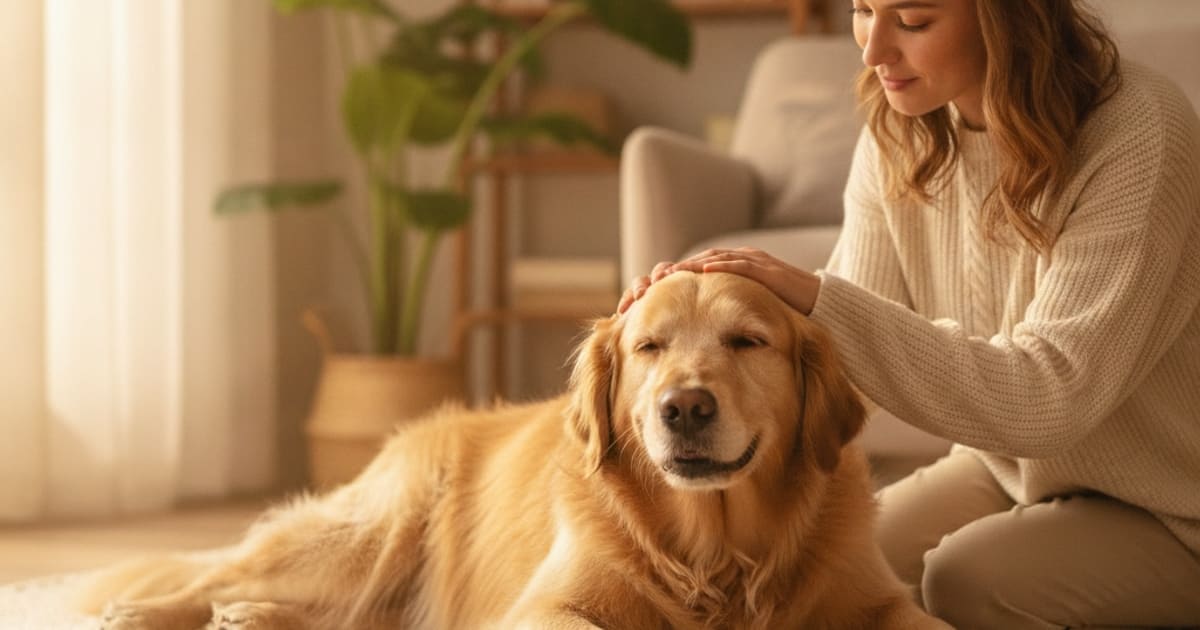
Pneumonia in dogs can cause vomiting, and pneumonia with vomiting is a reason to see a vet. Go to an emergency vet now if your dog is struggling to breathe, has blue, grey or pale gums, collapses, or keeps throwing up and then coughs or chokes; otherwise book a same-day appointment. Vomiting, diarrhea and not eating can all sit among pneumonia in dogs symptoms, next to a cough, fast breathing, fever and low energy, and each of them is something your vet needs to hear about.
When to go to the vet now
Go to an emergency vet now if your dog with a cough or with pneumonia has any of these:
- Struggling to breathe, breathing fast or hard while resting, or breathing with the mouth open and the neck stretched out
- Blue, grey, white or pale gums or tongue
- Collapse, fainting, or weakness so severe that your dog cannot stand
- Throwing up again and again, or vomiting followed by coughing, choking or noisy breathing
- Coughing up blood, or throwing up blood
For any other vomiting, diarrhea or loss of appetite in a dog with a cough or with pneumonia, book a same-day appointment. The page on dog emergency signs covers other signs that need emergency care now.
What can cause pneumonia with vomiting
Vomiting, diarrhea and loss of appetite in a dog with a cough can come from several directions, and finding the one behind your dog's signs is the vet's job. The possibilities below are things a vet may look into. None of them is something to work out at home, and a dog can have more than one at the same time.
Pneumonia is inflammation in the lungs, and infection is one possible reason for it. A lung infection can make the whole body feel unwell. Fever, low energy and nausea can follow, and a dog that feels sick can throw up, turn away from food or pass loose stool. So the direct answer to whether pneumonia in dogs causes vomiting is that it can: the illness in the chest can upset the stomach as well.
Hard coughing is another route. A deep, wet cough can end in a gag or a retch, and a dog may bring up foam, mucus or a little food at the end of a coughing fit. This can look like throwing up even when the trouble started in the airways. Your vet will ask about the order of events, so it helps to note whether coughing came before or after each episode.
The link can also run the other way. When a dog vomits or brings food back up, some of it can be breathed into the windpipe and down into the lungs. This is called aspiration pneumonia, and it means the vomiting may have come before the lung problem rather than after it. Your vet may look at what could have let food or fluid reach the airway. Possibilities include a widened, floppy food pipe known as megaesophagus, problems with swallowing or with the voice box, a recent anesthetic or sedation, a dog that was very drowsy or weak while being sick, and conditions of the nerves and muscles that control swallowing.
Your vet will also want to know how the food comes up: with heaving and effort from the belly, or more quietly, with little warning. These two point toward different tests, which is why your description matters. You do not need to decide which one it is. Telling the vet what you saw is enough.
Some infections reach more than one part of the body. Canine distemper, for example, can cause a cough, discharge from the eyes and nose, vomiting and diarrhea, and it is one reason the vet asks about your dog's vaccines. Some parasites can affect the lungs and some can affect the gut, so your vet may test for them. Some of the bacteria and viruses behind breathing illness can make a dog unwell enough to stop eating as well.
Pneumonia in dogs can cause diarrhea too, and diarrhea alongside pneumonia can have its own causes for the vet to check. Fever, stress, dehydration and the infection itself can each play a part. A medicine your vet prescribes can sometimes upset the gut as well. If your dog is already being treated for pneumonia and starts vomiting or having diarrhea, call your vet now rather than stopping or changing anything yourself. Vomiting and diarrhea together can also lead to dehydration, which can leave a dog weaker and less willing to eat or drink, and the vet checks for it.
Not eating can come with pneumonia in dogs for several reasons. A fever and feeling unwell can take away the wish to eat, and loss of appetite can be one of the first things you see. A blocked or runny nose can dull a dog's sense of smell, and smell matters a great deal to appetite. A dog that has to work hard to breathe may not be able to eat and breathe comfortably at the same time, and nausea or a sore throat from coughing can make food unappealing. Not eating matters because a sick dog still needs energy and fluids, which is part of why it calls for a same-day visit.
Pneumonia in dogs can cause weight loss when a dog eats less for a stretch of time while the body is also using energy to fight an illness, and vomiting or diarrhea adds to what is lost. Weight loss can also point the vet toward a longer-running problem, such as food not reaching the stomach because of a food pipe problem, or another illness alongside the lungs. Your vet will weigh your dog and compare the result with earlier records.
Other problems can look like pneumonia or sit alongside it. Heart disease, an inhaled or swallowed object such as a grass seed, a growth in the chest, and a gut problem that happens at the same time are all things a vet may consider. The guide to what causes pneumonia in dogs covers the lung side in more detail, and the conditions library has pages on other illnesses your vet may mention.
What your vet may do
Your vet will start with questions and a full exam. The vet may ask when the vomiting started, how many times it has happened, what came up, whether coughing came before or after, and whether your dog is eating and drinking. Questions about vaccines, travel, recent surgery or sedation, and any chance that something was inhaled or swallowed help the vet decide which tests to run.
During the exam the vet listens to the chest and heart with a stethoscope, takes your dog's temperature, looks at the gums, feels the belly and checks for signs of dehydration. How fast and how hard your dog is breathing gives the vet important information about the lungs.
If your dog is struggling to breathe, the team may give oxygen first and do tests once your dog is steadier. Some dogs need to stay in the clinic for this, and some need sedation before certain tests can be done.
Chest X-rays let the vet see the lungs and look for changes that fit pneumonia, a widened food pipe, heart changes or something that was inhaled. Blood tests can show signs of infection or inflammation and how the kidneys and liver are working, which matters when a dog has been vomiting or not eating. A small clip on the ear, lip or paw can measure how much oxygen is in the blood, and a blood gas test gives a closer look.
To find which germ is involved, the vet may collect a sample from the airways, called an airway wash or tracheal wash. This is done under sedation or a short anesthetic. The sample can be grown in a lab to help choose a medicine your vet prescribes. If vomiting or diarrhea is a large part of the picture, the vet may also test a stool sample, take X-rays or an ultrasound of the belly, or look more closely at swallowing and the food pipe.
Treatment depends on what the vet finds. It can include a medicine your vet prescribes for infection, medicine to ease nausea, fluids through a drip to replace what was lost through vomiting and diarrhea, and oxygen for a dog that is struggling to breathe. A dog that will not eat may need extra support with food, and some dogs need a feeding tube for a time. If aspiration is part of the problem, the vet will also look at what let food or fluid reach the lungs.
Some dogs are treated in hospital, where the team can give fluids and oxygen and monitor breathing closely. Others go home with a clear plan from the vet. Your vet will explain which suits your dog and why.
Your vet may want to recheck your dog, listen to the chest again and repeat X-rays to see how the lungs are responding. Talk to your vet about anything you are unsure of, from the treatment plan to how to give a medicine. Your vet can tell you what to feed while your dog is being treated, and your vet sets how much and how often. Go to an emergency vet now if breathing gets harder at any point, and call your vet again now if the vomiting or diarrhea comes back or your dog stops eating.
What to tell your vet
Write down what you can before the visit. Clear details help the vet put the picture together.
- When you first noticed the vomiting, diarrhea or loss of appetite, and when the cough or breathing change started
- Any change since then, such as more vomiting, new diarrhea, eating or drinking less, or less energy
- Any bleeding: blood in the vomit, in the stool or with a cough
- Licking or swallowing: lip licking, drooling, gulping or swallowing hard
- Other signs, such as a cough, noisy breathing, discharge from the eyes or nose, or weakness
- Recent surgery or sedation, travel, vaccines and any medicine your dog takes
A short video of a coughing fit, or of your dog breathing while resting, can help the vet see what happens at home. You do not need to work out what any sign means; describing it is enough. For more on the breathing side of this illness, see the page on dog pneumonia symptoms. Talk to your vet about every sign on this list, even the ones that seem small.
Frequently asked questions
- Is pneumonia with vomiting an emergency in dogs?
- It can be. Go to an emergency vet now if your dog is struggling to breathe, has blue, grey or pale gums, collapses, or keeps throwing up and then coughs or chokes. For any other vomiting, diarrhea or loss of appetite in a dog with pneumonia or a cough, book a same-day vet appointment.
- What should I do if my dog has pneumonia with vomiting?
- Call your vet today and describe the vomiting, any diarrhea, whether your dog is eating, and any cough or breathing change. If your dog is struggling to breathe, has blue, grey or pale gums or collapses, go to an emergency vet now. Do not give any medicine or change food before the vet sees your dog.
- Can I treat pneumonia with vomiting at home?
- No, because pneumonia and its vomiting need a vet to find and treat the cause. Do not give medicine or home remedies, and do not put anything on your dog or remove anything from the mouth before the vet sees your dog. For any bleeding, use gentle pressure with a clean cloth on the way to the vet only.
- Does pneumonia in dogs cause vomiting?
- It can. A lung infection can bring fever, nausea and a general feeling of being unwell, and a dog may throw up as a result. Hard coughing can also end in gagging and bringing up foam or food. Any vomiting in a dog with pneumonia or a cough is a reason for a same-day vet visit.
- Can pneumonia in dogs cause vomiting without much coughing?
- It can. Some dogs with pneumonia show vague signs such as low energy, not eating or throwing up, with only a soft cough or none that you notice. That is one reason vomiting with tiredness needs a same-day vet visit, where the vet can listen to the chest and look for the cause.
- Does pneumonia in dogs cause diarrhea?
- It can. Fever, dehydration and the strain of an infection can upset the gut, and some infections that affect the lungs can affect the bowel too. A medicine your vet prescribes can also cause loose stool. Call your vet now about diarrhea in a dog with pneumonia, and go to an emergency vet now for weakness or collapse.
- Does pneumonia in dogs cause loss of appetite?
- It can. Fever, nausea, a blocked nose that dulls smell and the effort of breathing can all put a dog off food. A dog with pneumonia that is not eating needs a same-day vet visit, because a sick dog still needs energy and fluids. Your vet can tell you what to offer and sets how much and how often.
- Can pneumonia in dogs cause weight loss?
- It can. A dog that eats less while the body fights an infection can lose weight, and vomiting or diarrhea adds to the loss. Weight loss can also point the vet toward a longer-running problem, such as food not reaching the stomach properly. Your vet will weigh your dog at each visit and compare it with earlier records.
- Can vomiting lead to pneumonia in dogs?
- Yes, it can. If vomit or food brought back up is breathed into the windpipe, it can reach the lungs and cause aspiration pneumonia. A cough or low energy after a bout of vomiting needs a same-day vet visit, and struggling to breathe or blue, grey or pale gums means go to an emergency vet now.
- Why is my dog with pneumonia not eating?
- Pneumonia can take away a dog's appetite through fever, nausea, a blocked nose and the work of breathing, and vomiting or a sore throat from coughing can add to it. Your vet checks each one. Call your vet now if your dog with pneumonia is not eating, and go to an emergency vet now for breathing trouble or collapse.
- What should I tell my vet about vomiting and pneumonia?
- Tell your vet when the vomiting started, how many times it has happened, what came up, whether coughing came before or after, any diarrhea or blood, whether your dog is eating and drinking, and any recent surgery, sedation or travel. A short video of a coughing fit can help the vet too.
Educational content, not veterinary advice. Ask your vet about your dog.