Dog Diarrhea and Not Eating: When to See the Vet
Diarrhea and not eating together is a reason to see a vet today. This page covers the signs that mean go to an emergency vet now, what can cause it, what your vet may do and what to tell your vet.
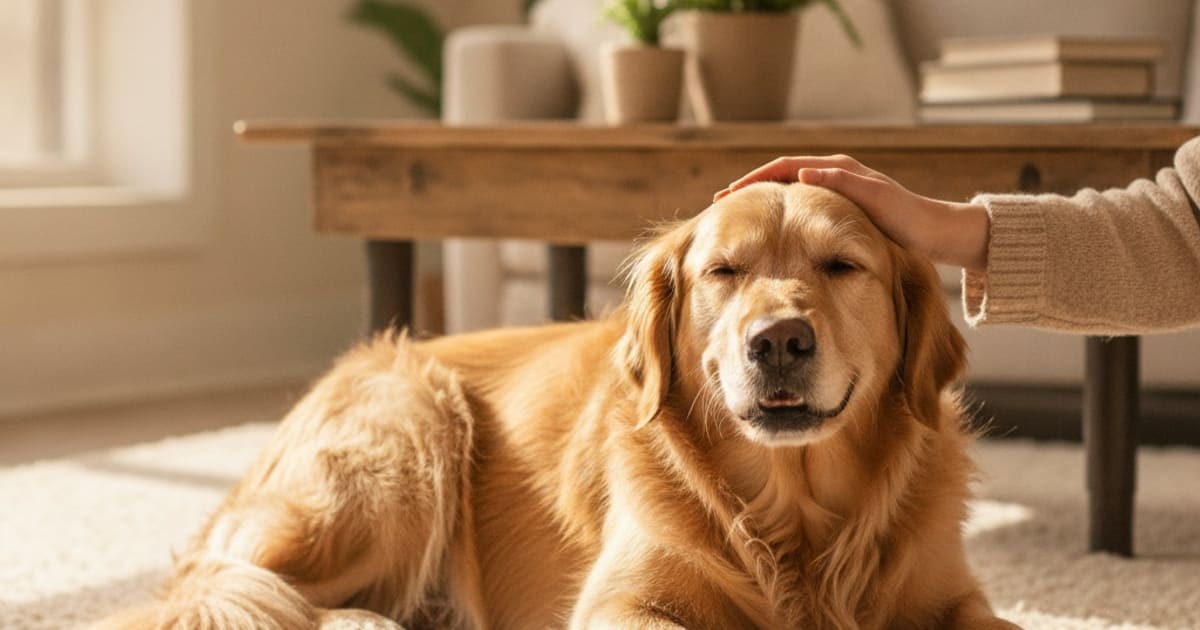
Dog diarrhea and not eating together is a reason to see a vet today. Go to an emergency vet now if there is blood in the stool or vomit, your dog is vomiting again and again or cannot keep water down, your dog is weak, collapsing or hard to rouse, or the belly looks swollen or tight; otherwise book a same-day appointment. When a dog stops eating and has loose stool at the same time, fluid is going out while very little is coming in. The problem behind it can range from something your dog ate to an infection, a swallowed object or an illness in another organ. These causes can look alike from the outside, so the answer comes from an exam and tests, not from guessing at home. Call your vet today, describe what you have seen, and do not give any medicine or food remedy before your dog has been seen.
When to go to the vet now
Go to an emergency vet now, without waiting for a booked slot, if your dog has diarrhea and is not eating and any of these are true:
- There is blood in the diarrhea or vomit, or the stool is black and tarry
- Your dog is vomiting again and again or cannot keep water down
- Your dog is weak, wobbly, collapsing or hard to rouse
- The belly looks swollen or tight, or your dog retches with nothing coming up
- Your dog is a puppy, or is not fully vaccinated
These signs can mean your dog is losing fluid faster than it can be replaced, or that something in the belly needs treatment straight away. Call the clinic on the way so they are ready for you. The guide to Dog Emergency Signs covers other signs that need care straight away.
What can cause diarrhea and not eating
Diarrhea and not eating can come from a problem inside the gut or from an illness elsewhere in the body that upsets the gut and takes away appetite. The possibilities below are things your vet may check for during the visit. They are not answers you can reach at home, and only the exam and tests can show which one applies to your dog.
Something your dog ate is one possibility. Food from the bin, spoiled food, fatty scraps, compost, a sudden change of food or a large amount of plant material can irritate the gut. If you know your dog got into something like this, call your vet today and tell them what it was and when. If what your dog ate may have been poisonous, such as a medicine, a household or garden chemical, a toxic plant, or a human food like grapes, raisins, onion, chocolate or anything sweetened with xylitol, call your vet or an animal poison control service now.
Infections are another group your vet considers. Viruses such as parvovirus, bacteria, and gut parasites such as roundworms, whipworms, hookworms and giardia can all bring on diarrhea and a loss of appetite. Some of these spread between dogs through stool, shared spaces and shared bowls, so tell the clinic when you call if your dog has been around other dogs who were unwell. A puppy, or any dog that is not fully vaccinated, with diarrhea and not eating should go to the vet now, because parvovirus and other infections can make a young dog very unwell quickly. You can read more in Puppy Diarrhea Causes and Dog Virus That Causes Vomiting and Diarrhea.
A swallowed object is another thing your vet looks for. Part of a toy, a sock, a corn cob, a bone, string or fabric can get stuck in the stomach or intestines. A blockage can cause vomiting, belly pain, not eating and small amounts of loose stool or none at all, and it needs treatment quickly. If you know or think your dog swallowed an object or a bone, call your vet now and tell them what it was.
Inflammation of the pancreas, called pancreatitis, can cause vomiting, diarrhea, a painful belly and refusing food, and it can follow a fatty meal or scraps from the table. Your vet may look for it with blood tests and imaging.
Problems outside the gut can show up as diarrhea and not eating too. Kidney disease, liver disease and a hormone condition of the adrenal glands called Addison's disease can each bring on diarrhea, vomiting, weakness and a poor appetite. These are checked with blood tests, so tell your vet if your dog has been drinking or peeing more than before, has lost weight or has seemed tired for a while.
Longer-term gut conditions are also on the list your vet considers, especially when your dog has had loose stool before or has been losing weight. These include inflammatory bowel disease, a reaction to an ingredient in the food, and growths in the gut. If your dog already has a gut or diet condition, your vet can tell you how it fits with what is happening now, so talk to your vet before changing the food your dog is on.
A medicine your dog already takes, a recent change of food, stress, travel, boarding or a move can also play a part. Do not stop, start or change any medicine on your own. Tell your vet about everything your dog takes, including anything bought without a prescription, so it can be looked at as part of the picture.
When your dog is vomiting, has diarrhea and is not eating, fluid is leaving from both ends while very little goes in, and dehydration can set in quickly. Vomiting that keeps coming back, vomit with blood in it, or not keeping water down means go to an emergency vet now. Vomiting together with diarrhea and not eating still needs a same-day visit even without those signs. My Dog Vomiting and Diarrhea covers that combination in more detail.
Blood in the diarrhea, whether as red streaks, jelly-like stool with blood, or black, tarry stool, along with not eating means go to an emergency vet now. Bloody diarrhea can come from an infection such as parvovirus, a sudden bleeding condition of the gut, a toxin, a clotting problem or a swallowed object, and the vet needs to find which one quickly. Go now even if there has only been one bloody stool.
A dog with diarrhea and not eating who is still drinking water still needs a same-day vet visit. Drinking does not mean your dog is keeping up with the fluid lost in the stool, and your vet checks hydration during the exam, so there is nothing to test at home. A dog that drinks and then vomits the water back up, or stops drinking altogether, should go to an emergency vet now. Drinking a lot more than before can also be a clue the vet follows up, for example toward a kidney or hormone problem, so mention it when you call.
A dog with diarrhea and not eating who still seems bright, wants to play and greets you at the door also needs a same-day vet visit. Refusing food is itself a sign that something is wrong, and a dog can stay lively while the problem behind it gets worse, so how your dog seems in the moment is not a guide to how serious the cause is. Book the visit today, and go to an emergency vet now if there is blood, repeated vomiting, weakness or a swollen belly.
You may wonder whether not eating has caused the diarrhea. Going without food can change the stool, and a sudden return to a full meal can upset the gut. When diarrhea and not eating happen at the same time, though, your vet looks for one problem behind both rather than treating one as the cause of the other, and that question is answered by the exam, not at home.
Eating grass alongside diarrhea, vomiting or not eating can be a sign of an upset gut, but it does not tell you what is behind it, and swallowed grass can come back up in vomit or pass in the stool. Tell your vet about any grass eating when you call. If the grass or garden plants your dog ate may have been sprayed with weed killer, fertiliser or a pest product, call your vet or an animal poison control service now.
If the diarrhea comes mainly overnight, Dog Diarrhea at Night explains what to tell your vet about the timing. For a wider look at gut problems and other illnesses, see the conditions library.
What your vet may do
Your vet starts with questions about when the diarrhea and not eating began, what your dog may have eaten, any vomiting, and any medicines or recent changes at home. Then comes a full physical exam. The vet checks hydration, temperature, heart rate and gum colour, listens to the belly, and feels it gently for pain, gas, swelling or anything that could be a blockage. A rectal exam may be part of this, to look at the stool and check for blood.
Tests depend on what the exam shows. Your vet may ask you to bring a fresh stool sample, or may collect one at the clinic, to look for worms, giardia and other parasites and to test for infections such as parvovirus. Blood tests can show dehydration, infection, blood loss, and how the kidneys, liver and pancreas are working, and a specific blood test for pancreatitis may be run. When Addison's disease is a possibility, your vet may add a hormone test.
Imaging helps the vet look inside the belly. X-rays can show a swallowed object, gas patterns that point to a blockage, or changes in the size of organs, and an ultrasound gives a closer view of the stomach, intestines, pancreas and other organs. Some dogs need light sedation for a proper look. If the cause is still unclear, the vet may suggest further tests such as biopsies of the gut.
Treatment depends on what the vet finds. A dehydrated dog may need fluids, given under the skin or through a drip, and a dog that is very unwell may need to stay in the hospital. Your vet may prescribe a medicine to calm the vomiting, treat parasites or an infection, or protect the gut, and may recommend a particular diet for a while. A blockage may need surgery. Your vet can tell you what to feed once your dog is home, and your vet sets how much and how often. Never give human medicines or leftover pet medicines, because some can upset the gut further or are toxic to dogs. Call your vet again if new signs appear after the visit, such as blood in the stool, vomiting, weakness or refusing water.
What to tell your vet
- When you first noticed the diarrhea, and when your dog last ate a full meal
- Any change since then in the stool, the amount, or how your dog seems
- Any bleeding: blood in the stool or vomit, or black, tarry stool
- Any licking at the bottom or belly, straining, or accidents in the house
- Other signs: vomiting, drinking more or less, weakness, weight loss, grass eating
- Anything your dog may have eaten, chewed or swallowed, and any recent change of food
- Any medicines your dog takes, and when your dog was last vaccinated and wormed
Have these details ready when you call, and talk to your veterinarian about anything else you have noticed, even if it seems small.
Frequently asked questions
- Is diarrhea and not eating an emergency in dogs?
- It is an emergency if there is blood in the stool or vomit, vomiting again and again, your dog cannot keep water down, is weak or collapsing, has a swollen belly, or is a puppy: go to an emergency vet now. For diarrhea and not eating without these signs, book a same-day vet appointment.
- What should I do if my dog has diarrhea and not eating?
- Call your vet today and book a same-day appointment, or go to an emergency vet now if you see blood, repeated vomiting, weakness or a swollen belly. Tell the vet when it started, anything your dog may have eaten and any other signs, and do not give food remedies or medicines before the visit.
- Can I treat diarrhea and not eating at home?
- No, because the cause needs a vet exam, and a blockage, infection or toxin can need treatment quickly. Do not give medicines or food remedies, and do not put anything on your dog or remove anything before the vet sees them. For a bleeding wound, only use gentle pressure with a clean cloth on the way to the vet.
- What if my dog is not eating and has diarrhea?
- Treat it as a reason to see your vet today. Not eating and diarrhea together mean your dog is losing fluid while taking little in. Go to an emergency vet now if there is blood, repeated vomiting, weakness, collapse or a swollen belly; otherwise book a same-day appointment and do not give medicines or food remedies first.
- Can a dog not eating cause diarrhea?
- Going without food can change the stool, and a sudden return to food can upset the gut. When diarrhea and not eating happen together, though, your vet looks for one problem behind both, such as an infection, a blockage or pancreatitis, so call your vet today rather than treating the appetite on its own.
- Why does my dog have diarrhea and not want to eat?
- Possible causes include eating something that disagreed with them, infections, parasites, a swallowed object, pancreatitis, kidney or liver disease, Addison's disease and long-term gut conditions. These can look alike from the outside, so the cause can only be found with an exam and tests. Call your vet today for a same-day appointment.
- What if my dog has diarrhea and is not eating but is drinking water?
- Your dog still needs a same-day vet visit. Drinking does not mean your dog is keeping up with the fluid lost in the diarrhea, and your vet checks hydration during the exam. If your dog drinks and then vomits the water back up, or stops drinking, go to an emergency vet now.
- What if my dog has diarrhea and is not eating but seems lively?
- Your dog still needs a same-day vet visit. Refusing food is itself a sign that something is wrong, and a dog can stay bright and playful while the problem behind it gets worse. Book today, and go to an emergency vet now if you see blood, repeated vomiting, weakness or a swollen belly.
- What if my dog is vomiting, has diarrhea and is not eating?
- Your dog is losing fluid from both ends and taking little in, which can lead to dehydration quickly. Go to an emergency vet now if the vomiting keeps coming back, your dog cannot keep water down, or there is blood or weakness. Otherwise call your vet today for a same-day appointment.
- What if my dog has bloody diarrhea and is not eating?
- Go to an emergency vet now. Blood in the diarrhea or black, tarry stool together with not eating can mean an infection such as parvovirus, a bleeding problem in the gut, a toxin or a clotting problem, and these need treatment quickly. Call ahead on the way so the clinic is ready.
- Why might my dog eat grass when they have diarrhea?
- Eating grass alongside diarrhea or not eating can be a sign of an upset gut, but it does not show the cause. Tell your vet about it at the same-day visit. If the grass or plants may have been sprayed or treated, call your vet or an animal poison control service now.
Educational content, not veterinary advice. Ask your vet about your dog.