Why Does My Dog's Ear Smell Like Yeast? When to See the Vet
A yeasty ear smell is a reason to see your vet the same day. Learn which signs mean you should go to an emergency vet now, what can cause the smell, and what your vet may check and do.
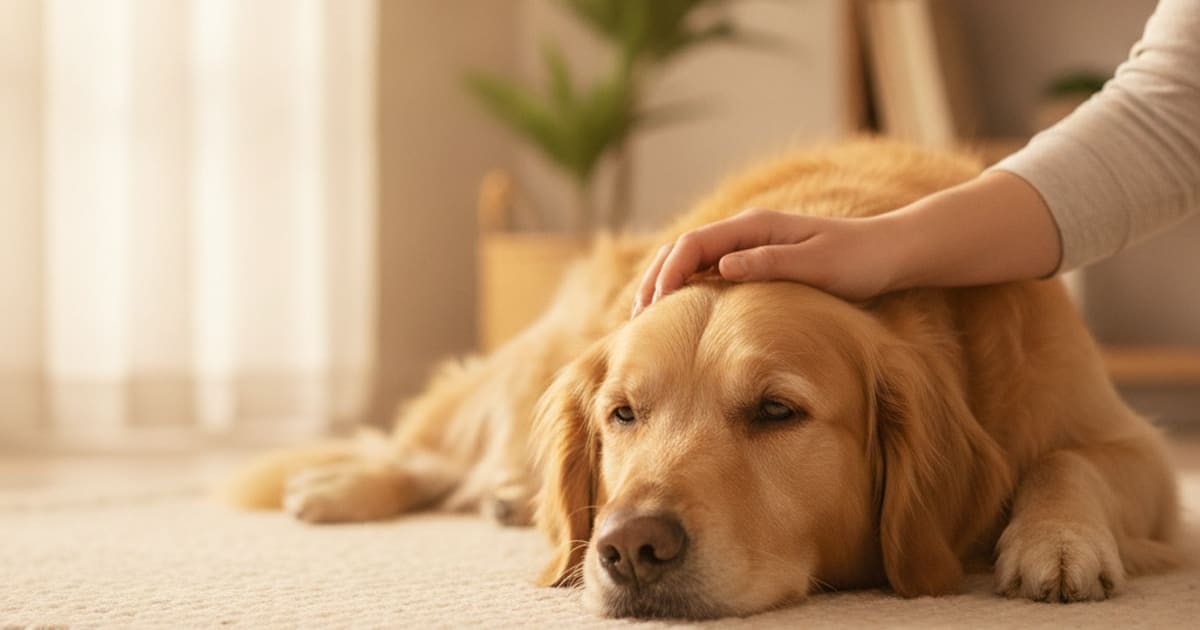
A yeasty ear smell is a reason to see your vet, because it can be a sign of yeast overgrowth or infection in the ear canal. Go to an emergency vet now if your dog has a sudden head tilt, loses balance or walks in circles, cries out when the head or ear is touched, or has a face that droops on one side; otherwise book a same-day appointment. The plain answer to 'why does my dog's ear smell like yeast' is that something in or around the ear has let yeast grow far more than it should, and your vet needs to find out what that is. The smell is a sign, not a diagnosis. Yeast, bacteria, mites, a torn eardrum or something stuck in the canal can all be part of it, and only an exam and an ear swab can show what is there. Do not put anything in the ear before your dog is seen.
When to go to the vet now
- A head tilt that has come on suddenly
- Loss of balance, falling over, or walking in circles
- Crying out, yelping or snapping when the head or ear is touched
- A face that droops on one side, or eyes that flick from side to side
These signs need a vet now because the ear can be very painful and the problem can involve the deeper parts of the ear that control balance. For a yeasty ear smell without these signs, book a same-day appointment so your vet can examine the ear and take a swab. For a wider guide to signs that need urgent care, see Dog Emergency Signs.
What can cause a yeasty ear smell
A yeast smell in your dog's ears comes from a yeast called Malassezia. It lives on healthy dog skin and in healthy ear canals in small numbers. A yeasty ear smell can appear when conditions inside the canal change so that this yeast multiplies, feeding on the wax and oils the ear makes. The overgrowth is a sign that something has changed, so your vet looks for what changed rather than treating the smell on its own. The paragraphs below describe the possibilities your vet checks. None of them can be confirmed at home.
A dog ear infection that smells like yeast can involve yeast alone, bacteria alone, or both together, and the smell cannot tell these apart. Different organisms need different medicine. That is why your vet takes a swab and looks at it under a microscope before choosing a treatment.
Allergy is one of the first things your vet considers. Allergies to things in the environment, such as pollens, dust mites and moulds, or to something in the food, can make the skin lining the ear canal red, itchy and inflamed. Inflamed skin makes more wax and oil, swells and holds warmth, and that gives yeast what it needs to grow. Allergy is a cause that sits underneath the yeast: treating the ear alone does not deal with it, which is why your vet asks about itching on the paws, face, belly and other parts of the body.
Trapped moisture is another possibility. Water left in the canal after swimming or a bath, or a warm and humid climate, can keep the ear damp. Yeast grows well in warm, damp places, so your vet may ask how much time your dog spends in water and what happens with the ears after baths and grooming. Moisture can add to a problem that is already there, such as an allergy, rather than standing alone.
The shape of the ear plays a part too. A dog's ear canal runs down and then turns in toward the eardrum, so air does not move through it freely. Long, heavy or floppy ear flaps, narrow canals, and canals with a lot of hair growing inside can trap more warmth and moisture. Ear shape is not a diagnosis on its own, but your vet weighs it alongside the other possibilities.
Other organisms and objects in the canal can be part of the picture. Bacteria can grow alongside the yeast or in its place, and some bacteria need different medicine from yeast. Ear mites, tiny parasites that live in the ear canal, can cause intense itching and inflammation. A grass seed, awn or other object lodged deep in the canal can also set up irritation and infection around it. Do not try to look into the ear or remove anything yourself; your vet checks for all of these with the right tools.
Some conditions affect the skin across the whole body and show up in the ears. Your vet may consider an underactive thyroid gland, an overactive adrenal gland, or other hormone problems that change how the skin protects itself. Skin conditions that make the skin produce too much oil, and problems with the body's immune defences, are also on the list. These causes need blood tests or other tests at the clinic to find.
Long-standing inflammation can thicken the lining of the canal and narrow it, which makes it harder for the ear to stay dry and clear itself of wax. A polyp or other growth inside the canal can block it in a similar way. Your vet looks for narrowing and growths during the exam and may suggest imaging to see further in.
Infection can also reach past the eardrum into the middle ear, or the eardrum can be torn. When that happens the smell can come from deeper inside, and some ear medicines and cleaners can do harm. This is one more reason the vet needs to see the eardrum before anything goes into the ear.
A yeasty ear smell can sit close to other ear smells. For a smell that reminds you of corn chips, see Why Does My Dog's Ear Smell Like Fritos?, and for other unpleasant ear smells, see Why Does My Dog's Ear Smell Bad?. You can read about related ear and skin problems in the conditions library. Whatever the smell, the next step is the same: a same-day vet visit.
What your vet may do
Your vet starts with questions about when you first noticed the smell, whether it is in one ear or both, how much your dog scratches or shakes the head, and whether there is itching anywhere else on the body. Past ear problems, recent swimming or baths, diet, and any product used in or near the ears all help your vet narrow down the cause.
Next comes a physical exam. Your vet looks at both ear flaps and the skin around the ears, checks both ears even if only one seems to smell, and gently feels along the canals for thickening or pain. A full look at the skin on the rest of the body can help your vet decide whether allergy or another skin condition is part of the problem.
Your vet then uses an otoscope, a handheld light with a narrow tip, to look down the canal. This shows the lining of the canal, the amount of wax and debris, any foreign body or growth, and whether the eardrum is whole. Some dogs need light sedation for a proper look when the ears are very painful or packed with debris.
The key test is ear cytology. Your vet rolls a swab through the debris in each ear, spreads it on a glass slide, stains it and looks at it under a microscope. Malassezia yeast has a distinctive shape that the vet can recognise, and the slide also shows bacteria, white blood cells and sometimes ear mites. This is how your vet confirms whether a dog ear smell is a yeast infection, a bacterial infection or both, and it guides the choice of medicine. Cytology may be repeated at recheck visits to see how the ear is responding.
If the slide shows certain types of bacteria, or the ear has had trouble before, your vet may send a sample to a lab for culture. The lab grows the bacteria and tests which medicines work against them.
When the canal is packed with debris, or the eardrum cannot be seen, your vet may flush and clean the ears at the clinic under sedation or anaesthesia. This lets the vet see the full canal and eardrum and helps medicine reach the lining of the ear.
For deep or long-standing problems, or signs that the middle ear is involved, your vet may suggest X-rays or a CT scan to look at the middle ear and the bone around it, or referral to a vet who specialises in skin and ears.
Because yeast overgrowth sits on top of another problem, your vet also looks for the cause underneath. For a suspected food allergy, your vet may set up a food trial with a diet they choose, and your vet can tell you how a diet trial fits with your dog's current food. For environmental allergy, your vet may discuss skin or blood allergy testing. Blood tests can check the thyroid and adrenal glands when a hormone problem is possible.
Treatment for a dog's ear that smells yeasty is set by your vet after the exam and the swab. It can include cleaning at the clinic, an ear medicine your vet prescribes to target yeast, bacteria and inflammation, and in some cases a medicine by mouth. Your vet will explain how each medicine is given and when to come back for a recheck. Do not swap in other ear products or use leftover medicine from an earlier problem, because the wrong product can harm an ear with a damaged eardrum. For more on how yeast smell on the skin and coat is treated, see How to Treat Yeast Smell on Dogs.
If anything in the plan is unclear, talk to your vet. Call your vet again today if the smell comes back after treatment, and go to an emergency vet now if your dog develops a head tilt, loses balance or cries out in pain.
What to tell your vet
- When you first noticed the smell, and whether it is in one ear or both
- Any change in the smell, discharge or redness since then
- Any bleeding from the ear or the skin around it
- Scratching, head shaking, rubbing the head on the floor, or licking the paws or body
- Other signs, such as a head tilt, itchy skin elsewhere, or a change in appetite or energy
- Recent swimming, baths, grooming, or any product used in or near the ears
- Past ear problems, known allergies, recent food changes and any medicines your dog takes
Bring any ear products or medicines you have already used, so your vet can see exactly what has gone into the ear.
Frequently asked questions
- Is a yeasty ear smell an emergency in dogs?
- Go to an emergency vet now if your dog has a yeasty ear smell along with a head tilt, loss of balance or walking in circles, crying out when the head is touched, or a face that droops on one side. For a yeasty ear smell without those signs, book a same-day appointment with your vet.
- What should I do if my dog has a yeasty ear smell?
- Call your vet today and book a same-day appointment. Do not put anything in the ear before the visit, because cleaners and drops can wash away what the vet needs on the swab and can hurt a damaged eardrum. Go to an emergency vet now if there is a head tilt, loss of balance or severe pain.
- Can I treat a yeasty ear smell at home?
- No, because the smell can come from yeast, bacteria, mites or something stuck in the canal, and only an exam and a swab can show which. Do not put anything in the ear or remove anything before the vet sees it. If the ear is bleeding, hold a clean cloth gently against it on the way to the vet.
- Why does my dog's ear smell like yeast?
- Your dog's ear can smell like yeast when Malassezia, a yeast that lives on healthy skin in small numbers, overgrows in the ear canal. Allergies, trapped moisture, ear shape, bacteria, mites, hormone problems or something stuck in the canal can all set this up. Book a same-day vet visit so the cause can be found.
- What does a vet look for when testing a yeasty ear?
- Your vet takes a swab of the debris in each ear, stains it on a slide and looks at it under a microscope. This shows whether yeast, bacteria, white blood cells or mites are present, which guides the choice of medicine. The vet also checks the canal and eardrum with an otoscope.
- How does a vet treat a dog's ear that smells yeasty?
- Your vet sets treatment after examining the ear and looking at a swab under the microscope. It can include cleaning the ear at the clinic, an ear medicine your vet prescribes, and medicine by mouth in some cases. Your vet also looks for the allergy or other problem underneath, because treating the yeast alone leaves that cause in place.
- Can allergies cause a yeasty ear smell in dogs?
- Yes, because allergies to things in the environment or to food can inflame the skin lining the ear canal. Inflamed skin makes more wax and oil and holds warmth, which lets yeast overgrow. Your vet may suggest a food trial or allergy testing, and your vet can tell you how a diet trial fits with your dog's food.
- Can water in the ears lead to a yeasty ear smell?
- Water left in the ear canal after swimming or a bath can keep it warm and damp, and yeast grows well in those conditions. Moisture can add to a problem that is already there, such as an allergy. Tell your vet about swimming and bathing, and do not dry or clean inside the ear yourself before the visit.
- What if my dog's ears smell like yeast again after treatment?
- Call your vet today if the smell comes back after treatment. A returning yeasty ear smell can mean the cause underneath, such as an allergy, a hormone problem or a narrowed canal, has not yet been found or controlled. Your vet may repeat the swab, send a culture to the lab, or look for the cause in other ways.
- Can a yeasty ear smell spread to other pets?
- Yeast overgrowth starts from changes in your dog's own ear and skin, so it is not passed from pet to pet in the way an infestation like ear mites can be. Ear mites are one of the things your vet checks for on the swab, and if they are found, your vet can advise on treating other pets in the home.
Educational content, not veterinary advice. Ask your vet about your dog.