Why Does My Puppy Have Hiccups? When to See the Vet
A puppy has hiccups when the diaphragm jerks in sudden spasms. Find out what can set them off, which signs mean an emergency vet now, and what your vet may check when hiccups keep coming back.
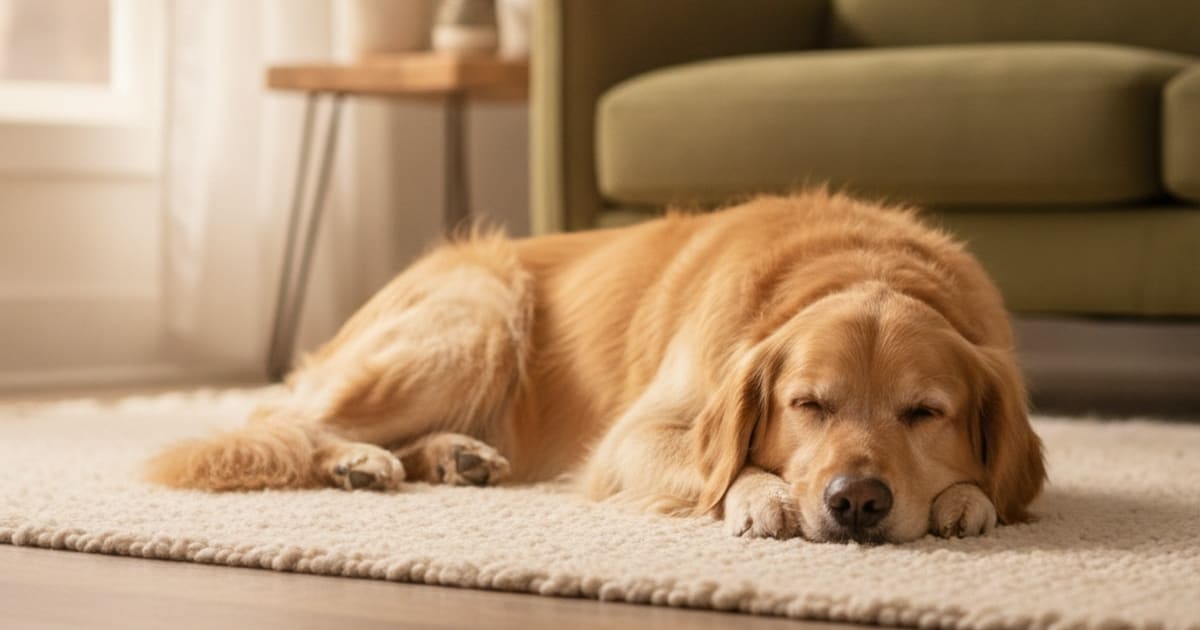
Hiccups in a puppy are a reason to see a vet, especially when they come back again and again or arrive with any other sign of illness. Go to an emergency vet now if your puppy is struggling to breathe, has pale, blue or grey gums, collapses or has a seizure; otherwise book a same-day appointment. The plain answer to 'why does my puppy have hiccups' is that the diaphragm, the sheet of muscle under the lungs that drives each breath, is jerking in sudden spasms, and something is setting those spasms off. That trigger can be as simple as gulping a meal or as serious as a problem in the chest, the belly or the nerves, and a vet exam may help find which one it is for your puppy. This page covers the possible causes, what the vet may do and what to tell the vet when you call. For the same sign in older dogs, see dog hiccups, and the conditions library covers related health problems in more depth.
When to go to the vet now
Go to an emergency vet now if your puppy has hiccups along with any of these:
- Trouble breathing, breathing with visible effort, or loud, rasping breaths between hiccups
- Pale, white, blue or grey gums or tongue
- Collapse, sudden weakness or not being able to stand
- Jerking with stiff legs, paddling, drooling or not responding to you, which can be a seizure
- Retching without bringing anything up, or vomiting again and again
- A chance that your puppy swallowed a toy, a bone, a sock or anything else that is not food
The guide to dog emergency signs sets out other signs that need care straight away. For hiccups without any of these signs, book a same-day appointment.
What can cause hiccups
Hiccups start when the diaphragm tightens suddenly and the opening to the windpipe snaps shut a split second later. That snap makes the small 'hic' sound, and the tightening makes the jerk you see in your puppy's chest or belly. Anything that irritates the diaphragm, the nerves that run to it or the part of the brain that controls breathing can set it off. The causes on this page are possibilities your vet checks, not a list to work through at home. Several of them can look the same from the outside, and only an exam can show which one applies to your puppy.
Eating and drinking fast is one possible trigger. Hiccups in puppies after eating can come from gulping: when a puppy eats or drinks quickly, air goes down with the food and the stomach stretches in a hurry. The stomach sits right up against the diaphragm, so that sudden stretch can irritate the muscle and start a bout. Your vet may ask how your puppy eats, what the food is, and whether the hiccups start during a meal, straight after it or later on. Your vet sets how much and how often your puppy eats, and your vet can tell you how a feeding plan fits your puppy's age, size and breed.
Excitement, hard play and stress can also play a part. A new home, a long game, meeting new people or a trip in the car can change how fast and how deeply a puppy breathes. Fast breathing pulls in extra air, and some of that air can end up in the stomach as well as the lungs. Both can affect the diaphragm. Your vet may ask what your puppy was doing just before each bout began.
A growing body can be one factor too. Puppies are still growing, and the nerves and muscles that control breathing and swallowing are still developing, which can be one factor in hiccups in young dogs. Age alone is never a reason to skip the vet: the same sign in a puppy can also come from a problem that needs treatment, and your vet weighs it alongside every other possible cause.
Hiccups in puppies while sleeping have the same range of triggers. The diaphragm keeps working through the night, so a full stomach or swallowed air can start a bout during sleep just as it can during the day. Rhythmic jerks in a sleeping puppy can also come from other things, though, including twitching muscles, a breathing problem or a seizure. These are hard to tell apart without an exam. A short phone video of a bout, taken without waking or handling your puppy, gives your vet something to look at alongside the physical check. Jerks with stiff legs, paddling or a puppy you cannot wake are a reason to go to an emergency vet now.
Stomach and gut problems are another possibility your vet checks. Gas, an upset stomach, acid coming back up from the stomach into the food pipe and intestinal worms can all irritate the area around the diaphragm. Your vet may ask about vomiting, diarrhoea, appetite and when your puppy was last dewormed, and may test a stool sample.
Something swallowed can cause hiccups as well. A piece of toy, a bone or a sock caught in the throat, the food pipe or the stomach can lead to hiccups, gagging and retching. If your puppy may have swallowed anything that is not food, call your vet now.
Breathing and chest problems are on the vet's list too. Infection in the airways or lungs, such as kennel cough or pneumonia, and other problems inside the chest can irritate the diaphragm or change how a puppy breathes. Reverse sneezing and some coughs can look like hiccups, which is one more reason for the vet to see a bout in person or on video. Hiccup-like jerks with coughing, a runny nose, a fever or tiredness need a same-day vet visit.
Nerve, belly and body-wide conditions round out the possibilities. Problems with the nerves that run to the diaphragm, a hernia in the diaphragm that a puppy is born with, problems inside the belly and some illnesses that affect the whole body can all cause hiccups. These are among the reasons your vet looks beyond the stomach when hiccups keep coming back.
That leads to the question of why a puppy is having hiccups all the time. Constant, excessive or chronic hiccups in puppies are a reason to book a vet visit, not something to explain away. Bouts that come back again and again, that run on for a long time, or that get in the way of eating, drinking, play or sleep need a vet exam, and a vet exam may help find a trigger that can be treated.
What your vet may do
Your vet starts with questions. Expect to be asked when the hiccups began, how long each bout lasts, what time of day they come, what your puppy was doing just before, and whether anything else has changed, such as appetite, energy, stool or breathing. The answers help the vet decide which parts of the body to look at first.
The physical exam comes next. Your vet listens to the heart, lungs and belly with a stethoscope, looks at how your puppy breathes at rest, checks the colour of the gums, feels the belly, takes a temperature and weighs your puppy. A puppy's weight set against its age gives the vet a picture of growth and feeding. In a very young puppy, the vet may also look at the roof of the mouth, because a gap there can change how a puppy swallows and let air or milk go the wrong way. If your puppy has a bout during the visit, the vet can see it first hand. If not, the video you took at home fills that gap and helps the vet compare what happened with hiccups, a reverse sneeze, a cough or a seizure.
Depending on what the exam shows, your vet may suggest tests. A stool test looks for worms and other gut parasites. Blood tests can show signs of infection and how the organs are working. X-rays of the chest and belly let the vet look at the lungs, the heart, the diaphragm and the stomach, and can show some swallowed objects. An ultrasound gives a closer look at the organs in the belly or chest. Some puppies need light sedation so they keep still for x-rays or an ultrasound.
Treatment depends on the cause the vet finds. Worms are treated with a medicine your vet prescribes. An infection in the airways or lungs may need a medicine your vet prescribes and a follow-up exam. A swallowed object may need to be brought up or removed by the vet. A stomach that is upset or filling with air may call for a change to the feeding plan, and your vet sets what, how much and how often your puppy eats. Conditions of the chest, nerves or diaphragm may need further tests or care from a specialist.
Talk to your veterinarian before changing your puppy's food or giving anything by mouth to try to stop the hiccups. Do not give any medicine, human or pet, unless your vet prescribes it for your puppy. A vet exam may help find what is behind the hiccups, and the plan your vet gives you is built around what the exam and tests show.
What to tell your vet
When you call, have these details ready:
- When you first noticed the hiccups, and how long each bout lasts
- Any change, such as longer bouts, bouts closer together or bouts at new times like during sleep
- Any bleeding, such as blood in vomit or stool, or from the nose or mouth
- Any licking, such as lip licking, licking the air or licking at the floor
- Other signs, such as coughing, gagging, vomiting, diarrhoea, eating less, tiredness or noisy breathing
- When the bouts happen, such as during or after meals, after play or during sleep
Bring the video of a bout if you have one, along with the name of your puppy's food and the date of the last deworming. These details give the vet a clear starting point and can shape which tests come first. After the visit, call your vet again if the bouts get longer, come closer together or arrive with any new sign.
Frequently asked questions
- Is hiccups an emergency in dogs?
- Hiccups are an emergency when they come with trouble breathing, pale, blue or grey gums, collapse or a seizure, or when your dog may have swallowed something that is not food. In any of those cases, go to an emergency vet now. For hiccups without those signs, book a same-day appointment with your vet.
- What should I do if my dog has hiccups?
- Call your vet today and describe the hiccups, when they started, how long each bout lasts and any other signs. If your dog is struggling to breathe, has pale, blue or grey gums, collapses or has a seizure, go to an emergency vet now. A short video of a bout can help your vet.
- Can I treat hiccups at home?
- No, because hiccups can have a cause that only a vet exam can find, such as worms, an infection or a stomach problem. Do not give medicine or anything else by mouth to try to stop them, and do not reach into the mouth or try to remove anything. Call your vet today instead.
- Why does my puppy have hiccups?
- A puppy has hiccups when the diaphragm, the muscle under the lungs, jerks in sudden spasms. Gulping food or water, excitement, swallowed air, stomach upset, worms, infection, breathing problems and conditions of the chest, belly or nerves are possibilities your vet checks. A vet exam may help find the trigger for your puppy.
- Why is my puppy having hiccups after eating?
- Hiccups after eating can come from gulping food or water, which sends air into the stomach and stretches it against the diaphragm. Stomach upset, acid coming back up and worms are other possibilities your vet checks. Call your vet today, and ask your vet to set how much and how often your puppy eats.
- What causes hiccups in puppies?
- Hiccups start when something irritates the diaphragm or the nerves that control it. Fast eating or drinking, excitement and hard play, swallowed air, gas, acid from the stomach, worms, airway or lung infections and some conditions of the chest, belly or nerves can all play a part. Your vet checks these possibilities with an exam and, where needed, tests.
- What causes hiccups in puppies while sleeping?
- The diaphragm keeps working during sleep, so a full stomach or swallowed air can start hiccups at night. Jerks in a sleeping puppy can also come from twitching, a breathing problem or a seizure, and these are hard to tell apart without an exam. Stiff legs, paddling or a puppy you cannot wake need an emergency vet now.
- Why is my puppy having hiccups all the time?
- Hiccups that keep coming back can have a trigger such as fast eating or excitement, but they can also come from worms, stomach problems, an airway or lung infection or a condition of the chest, belly or nerves. Constant or excessive hiccups are a reason to call your vet today so the vet can look for the cause.
- Can worms cause hiccups in puppies?
- Worms in the gut are one possibility your vet may check when a puppy has hiccups, because they can upset the stomach and the area around the diaphragm. Your vet may test a stool sample and ask when your puppy was last dewormed. Talk to your vet before giving any dewormer.
- What will the vet do about my puppy's hiccups?
- Your vet asks when the hiccups started and how each bout looks, then examines your puppy, listening to the heart, lungs and belly. Depending on the findings, a stool test, blood tests, x-rays or an ultrasound may follow. Treatment depends on the cause, and may include a medicine your vet prescribes or a feeding plan your vet sets.
Educational content, not veterinary advice. Ask your vet about your dog.