Anatolian Shepherds Joint Health Guide | K9-REPAIR
The joint that fails first in an Anatolian Shepherd is rarely the one owners are watching. Cranial cruciate ligament rupture, not hip dysplasia, is described across veterinary orthopaedic literature as the most common cause of hind-limb lameness in dogs, and in heavy guardian breeds it usually develops as slow ligament…
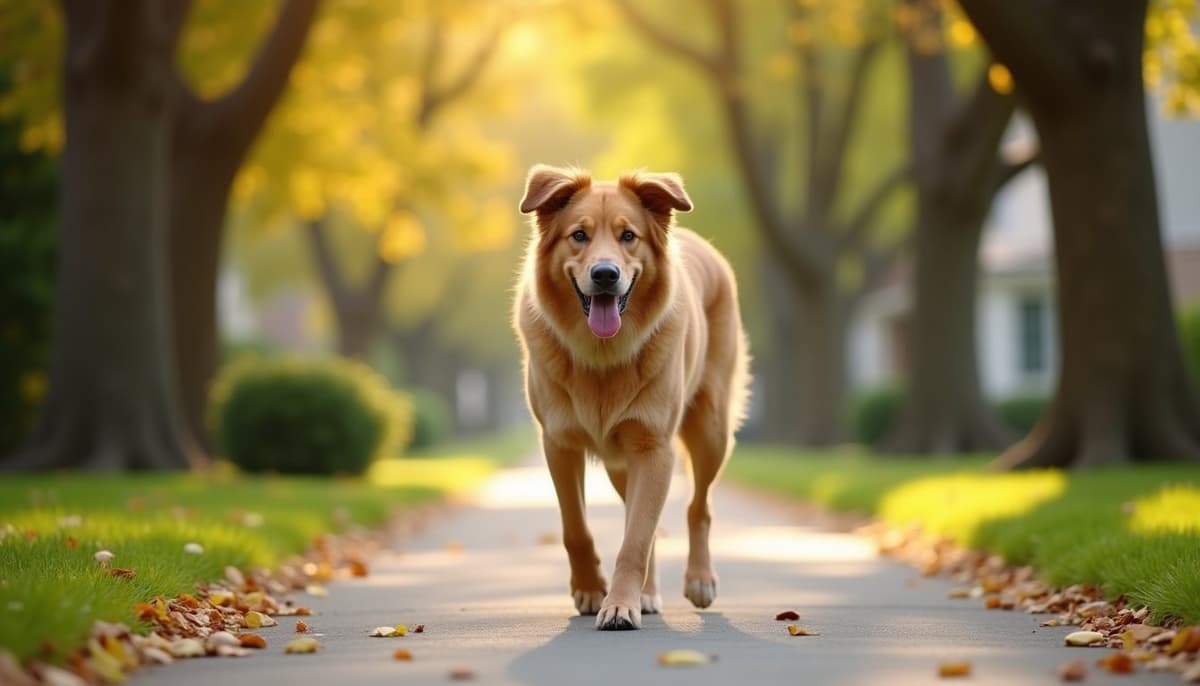
What joint problems affect Anatolian Shepherds?
The joint that fails first in an Anatolian Shepherd is rarely the one owners are watching. Cranial cruciate ligament rupture, not hip dysplasia, is described across veterinary orthopaedic literature as the most common cause of hind-limb lameness in dogs, and in heavy guardian breeds it usually develops as slow ligament degeneration rather than one dramatic tear.
This anatolian shepherds joint health guide comes out of daily work with owners of large working breeds at pawgen, and the pattern repeats relentlessly. The Anatolian's job description, patrolling fence lines, standing sentry, hauling its own considerable mass over uneven ground, is also what loads its joints hardest.
'Anatolian Shepherds joint health guide: what joint problems affect the breed?'
Anatolian Shepherds are most affected by hip dysplasia, elbow dysplasia, cranial cruciate ligament rupture, and the osteoarthritis that follows all three. Intervertebral disc disease occurs less often but does happen. This anatolian shepherds joint health guide maps each condition to its earliest sign, and the highest-leverage daily intervention remains keeping body condition genuinely lean.
The oversimplification worth killing early is that giant-breed joint disease is purely inherited, so nothing an owner does matters. Genetics sets the ceiling. Growth rate, body weight, footing, and hindquarter muscle mass decide where inside that ceiling a given dog lands. What follows covers the breed's structural risk profile, the five conditions worth recognising by name, and which daily support strategies have real mechanism behind them.
Why Anatolian Shepherd Build and Growth Rate Load the Joints First
An Anatolian Shepherd carries livestock-guardian mass on a skeleton that takes roughly two to three years to finish maturing, and that mismatch between load and skeletal readiness is where most Anatolian Shepherds hip problems start. American Kennel Club breed standards put adult males around 110 to 150 pounds and females around 80 to 120 pounds. Growth plates in the long bones fuse long before the dog is behaviourally adult, which means a young Anatolian spends months hauling near-adult weight on cartilage that is still remodelling.
Hip dysplasia itself is not a bone deformity at birth. It begins as coxofemoral joint laxity, meaning the femoral head sits loosely in the acetabulum. Every stride produces micro-subluxation, cartilage shears against the acetabular rim, and the joint responds with synovial inflammation and eventual osteoarthritic remodelling. Two screening systems quantify this: the Orthopedic Foundation for Animals (OFA) grades hip conformation on radiographs, while PennHIP measures a distraction index, a numeric expression of how far the femoral head can be levered out of the socket. Breed club health screening recommendations for Anatolians centre on hip and elbow evaluation for exactly this reason.
Diet compounds it. Energy-dense puppy food and calcium over-supplementation accelerate growth velocity, and faster growth in giant breeds is consistently associated with more developmental orthopaedic disease, including osteochondritis dissecans (OCD), where a flap of joint cartilage separates from the underlying bone.
Then there is temperament. Anatolians were bred to stand between a flock and a predator without flinching, and that stoicism extends to pain. In our conversations with guardian-breed owners, the phrase we hear most often is that the dog was fine until suddenly it wasn't. It almost never was. The dog simply stopped showing it.
The Conditions This Anatolian Shepherds Joint Health Guide Tracks by Name
Five orthopaedic problems account for the overwhelming majority of mobility complaints in this breed, and each has a different earliest tell.
Hip dysplasia in Anatolian Shepherds shows up as a bunny-hopping rear gait, reluctance to rise from a down position, and a narrow rear stance. Elbow dysplasia in Anatolian Shepherds is really an umbrella term covering fragmented medial coronoid process, ununited anconeal process, and elbow incongruity, and it typically presents as front-limb lameness between five and twelve months of age.
Torn ACL in Anatolian Shepherds, more correctly cranial cruciate ligament rupture, is the one owners misread most. Here is the mechanism generic advice ignores: in large breeds the ligament rarely snaps from trauma. Collagen fibres degenerate progressively, the joint develops low-grade instability, the dog quietly shifts weight forward and onto the opposite hind leg, and the visible rupture is the last event in a long process. That compensation is why the contralateral stifle is at elevated risk once the first one goes, and why a dog that suddenly holds up a back leg often has a meniscal tear alongside the ligament failure.
Arthritis in Anatolian Shepherds is the common endpoint of all of the above. Osteoarthritis is a whole-joint disease driven by inflammatory mediators including interleukin-1 and matrix metalloproteinases, enzymes that degrade the proteoglycan matrix of cartilage faster than chondrocytes can rebuild it. IVDD in Anatolian Shepherds is less frequent than in chondrodystrophic breeds, but large dogs tend toward Hansen type II disc protrusion, a slower fibroid degeneration producing progressive weakness, scuffed rear nails, and ataxia rather than acute paralysis.
The practical point across all five: limping is a late sign. Reduced stride length, a shifted head carriage on the trot, and hesitation at the tailgate arrive first.
What Actually Helps: The Anatolian Shepherds Joint Health Guide to Daily Support
Body condition outranks every supplement on the shelf. A 14-year Purina life-span study of Labrador Retrievers published in the Journal of the American Veterinary Medical Association in 2002 found that dogs fed 25 percent less than their paired littermates showed later onset and lower severity of hip osteoarthritis and lived longer. Nothing else in the joint support for Anatolian Shepherds toolkit produces that size of effect for free. A rib-palpable, waist-visible dog scoring 4 to 5 on the 9-point body condition scale is the target.
Muscle is the second lever. The gluteal and hamstring groups act as dynamic stabilisers for a loose hip, and controlled hill walking, sit-to-stand repetitions, and hydrotherapy build them without the rotational shear of hard fetch on turf. Traction matters more than owners expect: a 130-pound dog splaying on tile loads the cruciate ligaments in exactly the direction they resist worst. Runners, ramps, and trimmed foot hair are unglamorous and effective.
On the veterinary side, the recognised options include NSAIDs such as carprofen and meloxicam, polysulfated glycosaminoglycan injections (Adequan), bedinvetmab (Librela), a monoclonal antibody targeting nerve growth factor, and surgical procedures including TPLO for cruciate disease. Talk to your veterinarian before changing anything, and get radiographs rather than guessing at a diagnosis from gait alone.
Nutraceuticals sit alongside, not instead. Omega-3 fatty acids EPA and DHA compete with arachidonic acid in the inflammatory cascade, green-lipped mussel (Perna canaliculus) supplies both omega-3s and glycosaminoglycans, and undenatured type II collagen works through oral tolerance rather than raw building blocks. Owners comparing formulations often start with a best joint supplement for Anatolian Shepherds breakdown or a targeted best supplement for Anatolian Shepherds with arthritis comparison before committing.
Research peptides including BPC-157 and TB-500 are a separate category. They are not FDA-approved veterinary drugs, the published work is largely preclinical, and what we can honestly say is that research suggests roles in angiogenesis and cell migration and that owners report anecdotal changes. That is the level K9-REPAIR discusses them at, and no further. The information here is educational, not a treatment plan for your specific dog.
Anatolian Shepherds Joint Health Guide: Condition Comparison
This table maps the five conditions against the age window they typically appear in and the sign owners notice first, so a vague slowing down can be narrowed quickly.
| Condition | Typical Onset Window | Earliest Owner-Visible Sign | Diagnostic Route | Bottom Line |
|---|---|---|---|---|
| Hip dysplasia | 6 to 18 months, or as adult arthritis | Bunny-hopping rear gait, slow to rise | OFA or PennHIP radiographs under sedation | Laxity is structural, but lean weight and gluteal muscle change the trajectory substantially |
| Elbow dysplasia | 5 to 12 months | Front-leg lameness worse after rest | Radiographs, often CT for coronoid fragments | Earlier surgical or conservative decisions preserve more cartilage than waiting out the limp |
| Cranial cruciate rupture | Adult, frequently 2 to 7 years | Sudden non-weight-bearing after a normal week | Cranial drawer or tibial compression test, plus imaging | Degenerative, not accidental; the opposite stifle deserves attention immediately |
| Osteoarthritis | Middle age onward | Stiff first ten minutes of the morning | Clinical exam plus radiographic joint changes | Manageable long-term with weight, muscle, and veterinary pain control combined |
| IVDD (type II) | Middle-aged to senior | Scuffed rear toenails, wobbly hind end | Neurological exam, MRI or CT myelogram | Progressive rather than explosive; neurological signs justify urgent assessment |
Key Takeaways
- Cranial cruciate ligament rupture in giant breeds is a degenerative process, so the leg was failing well before the day it gave out.
- Hip dysplasia begins as coxofemoral joint laxity measurable by PennHIP distraction index, not as a bone malformation present at birth.
- The 2002 Purina JAVMA life-span study found calorie-restricted Labradors had later, milder hip osteoarthritis than their heavier littermates.
- Anatolian Shepherd arthritis is driven by interleukin-1 and matrix metalloproteinases degrading cartilage matrix faster than chondrocytes rebuild it.
- Elbow dysplasia usually announces itself between five and twelve months as front-limb lameness that worsens after rest.
- BPC-157 and TB-500 are research peptides, not FDA-approved veterinary drugs, and should be discussed with your veterinarian.
What If: Anatolian Shepherd Mobility Scenarios
What if my Anatolian Shepherd suddenly won't put weight on a back leg?
Book a veterinary examination within 24 to 48 hours and restrict movement to leashed toilet breaks until then. Acute non-weight-bearing hind-limb lameness in a heavy adult dog is most often cranial cruciate ligament rupture, frequently with meniscal involvement, and continued running risks converting a partial tear into a complete one. Crate rest plus stairs avoidance is the interim job. Owners researching conservative management alongside surgical options often review a best supplement for Anatolian Shepherds with torn ACL comparison, though nutraceuticals support recovery rather than replace an orthopaedic assessment.
What if my dog is stiff for ten minutes each morning and then seems fine?
Start documenting it with dated phone video of the first two minutes after rising. Morning stiffness that resolves with movement is the classic early presentation of osteoarthritis, reflecting overnight synovial fluid viscosity changes and low-grade joint inflammation rather than a one-off strain. Because Anatolians mask discomfort, video gives your vet objective gait data instead of a description. If underlying hip disease is confirmed, targeted options such as a best supplement for Anatolian Shepherds with hip dysplasia review become relevant alongside veterinary pain management.
What if my young Anatolian is limping on a front leg at eight months?
Request elbow radiographs rather than assuming a soft-tissue strain. Front-limb lameness in a growing giant breed between five and twelve months points toward elbow dysplasia or osteochondritis dissecans far more often than a pulled muscle, and panosteitis is the other common differential in this window. Delay costs cartilage. Once a diagnosis exists, owners commonly compare a best supplement for Anatolian Shepherds with elbow dysplasia option with their vet's recommendations.
What if my dog's back end is wobbly and the rear nails are scuffed?
Treat this as a neurological question, not an arthritis question, and get seen promptly. Worn dorsal nail surfaces indicate the dog is dragging its toes, which suggests proprioceptive deficits consistent with type II disc protrusion or lumbosacral disease rather than simple joint pain. Progression can be rapid once weakness appears. Background reading such as a best supplement for Anatolian Shepherds with IVDD overview is useful context, but imaging drives the decisions here.
The Blunt Truth About Any Anatolian Shepherds Joint Health Guide
Let's be direct about this: no supplement, peptide, or bed will outperform two things you control completely, which are keeping the dog lean and getting a diagnosis early. An overweight Anatolian on a premium joint formula will decline faster than a lean one on nothing. Nutraceuticals modulate inflammation and support tissue metabolism, and the honest framing is that they may help at the margins of a plan built on weight, muscle, footing, and veterinary care. Anyone selling you the reverse ordering is selling you something.
The most useful thing this anatolian shepherds joint health guide can leave you with is a change in what you watch. Stop waiting for a limp. Watch for the dog who now takes the long way around the stairs, who lies down on the way in rather than at the door, whose stride shortened so gradually you called it maturity. Guardian breeds were selected to conceal weakness from predators, and they conceal it just as effectively from us. Catching that shift eighteen months earlier is worth more than any bottle on any shelf.
Frequently asked questions
- Why is my dog trouble getting up?
- Difficulty rising is usually joint pain or hind-limb weakness. In Anatolian Shepherds the common causes are hip dysplasia, osteoarthritis, or cranial cruciate ligament degeneration, all of which stiffen the joint after rest. Spinal disease can produce the same picture. A veterinary exam with radiographs separates orthopaedic from neurological causes, which changes the plan entirely.
- Should I worry if my dog is trouble getting up?
- Yes, it warrants investigation rather than watchful waiting. Trouble getting up is rarely 'just age' and usually reflects measurable joint or spinal disease that responds better when caught early. Guardian breeds mask discomfort, so visible struggling suggests the process has been running a while. Book a veterinary assessment and bring dated video of your dog rising.
- When should I take a dog to the vet for trouble getting up?
- Book an appointment if difficulty rising persists beyond a few days, recurs most mornings, or comes with limping. Go the same day if your dog cannot bear weight, drags a limb, cries out, or seems neurologically off. Early radiographs cost far less than managing advanced osteoarthritis that has already destroyed cartilage.
- What can I give a dog that is trouble getting up?
- Nothing from the human medicine cabinet, because ibuprofen and paracetamol are toxic to dogs. Your veterinarian may prescribe canine NSAIDs such as carprofen or meloxicam, or options like Adequan or bedinvetmab. Supportive measures include weight reduction, non-slip flooring, an orthopaedic bed, and omega-3 or green-lipped mussel supplementation discussed with your vet.
- Is a dog trouble getting up an emergency?
- Usually not, but sometimes yes. Gradual stiffness over weeks is urgent rather than emergency. Sudden collapse, inability to stand at all, dragging hind limbs, a distended abdomen, or pale gums require immediate emergency care, since bloat, spinal compression and internal bleeding all present as a dog that cannot get up.
- Why is my dog trouble with stairs?
- Stairs load the hips, stifles and elbows through their full range under body weight, so they expose joint pain before flat walking does. In Anatolian Shepherds, hesitation at stairs commonly signals hip dysplasia, early cruciate degeneration or osteoarthritis. Descending reluctance often points to front-limb or elbow discomfort specifically.
- How do I know if my Anatolian Shepherd has hip dysplasia?
- Diagnosis requires radiographs, typically under sedation, evaluated through the OFA scoring system or a PennHIP distraction index. Clinical clues include a bunny-hopping rear gait, narrow rear stance, reluctance to rise, and reduced range of hip extension on exam. Signs can appear as early as six months or only surface as adult arthritis.
- Can Anatolian Shepherd puppies take joint supplements?
- That decision belongs with your veterinarian, not a blog. Growing giant-breed puppies are sensitive to calcium and energy intake, and over-supplementation can accelerate developmental orthopaedic disease rather than prevent it. The evidence-backed priorities for puppies are controlled growth rate, appropriate large-breed puppy nutrition, and avoiding high-impact exercise before growth plates close.
- What should an anatolian shepherds joint health guide say about supplements?
- It should rank them honestly, below weight control and veterinary diagnosis. Omega-3 fatty acids EPA and DHA, green-lipped mussel, and undenatured type II collagen have the most plausible mechanisms for modulating joint inflammation. Research suggests benefit at the margins; owners report improvement. None of them replace radiographs or a prescribed pain management plan.
- At what age should I start an anatolian shepherds joint health guide plan?
- From the day the puppy comes home, though the actions change with age. Under twelve months the focus is controlled growth, safe surfaces and avoiding forced exercise. From one to four years it shifts to lean body condition and hindquarter muscle. From roughly five onward, add screening exams and discuss preventive joint support with your vet.
- How much does hip dysplasia surgery cost for a large dog?
- Costs vary widely by clinic, region and procedure, and total hip replacement typically sits at the high end while conservative management costs a fraction of it. Get written estimates from at least two practices, and ask what the quote includes: imaging, anaesthesia, implants, hospitalisation and follow-up rehabilitation are often billed separately.
- Glucosamine or green-lipped mussel: which is better for Anatolian Shepherds?
- Green-lipped mussel (Perna canaliculus) offers a broader profile, supplying glycosaminoglycans plus omega-3 fatty acids that act on the inflammatory cascade, whereas glucosamine and chondroitin supply substrate alone and have inconsistent evidence in dogs. Many formulations combine both. Consistency of daily dosing matters more than which single ingredient you choose.
Educational content. BPC-157 and TB-500 are not FDA-approved veterinary drugs. Talk to your veterinarian before starting anything new, especially if your dog is on prescribed medication.