 Mixed Breed Dogs Joint Health Guide — Risks & SignsCrossbreeding does not delete orthopedic risk. It reshuffles it. Hip dysplasia, elbow dysplasia and cranial cruciate ligament disease are polygenic and multifactorial, which means they pass through a mixed pedigree far more easily than simple recessive disorders do. That is the premise this mixed breed dogs joint health guide is…Read the guide →
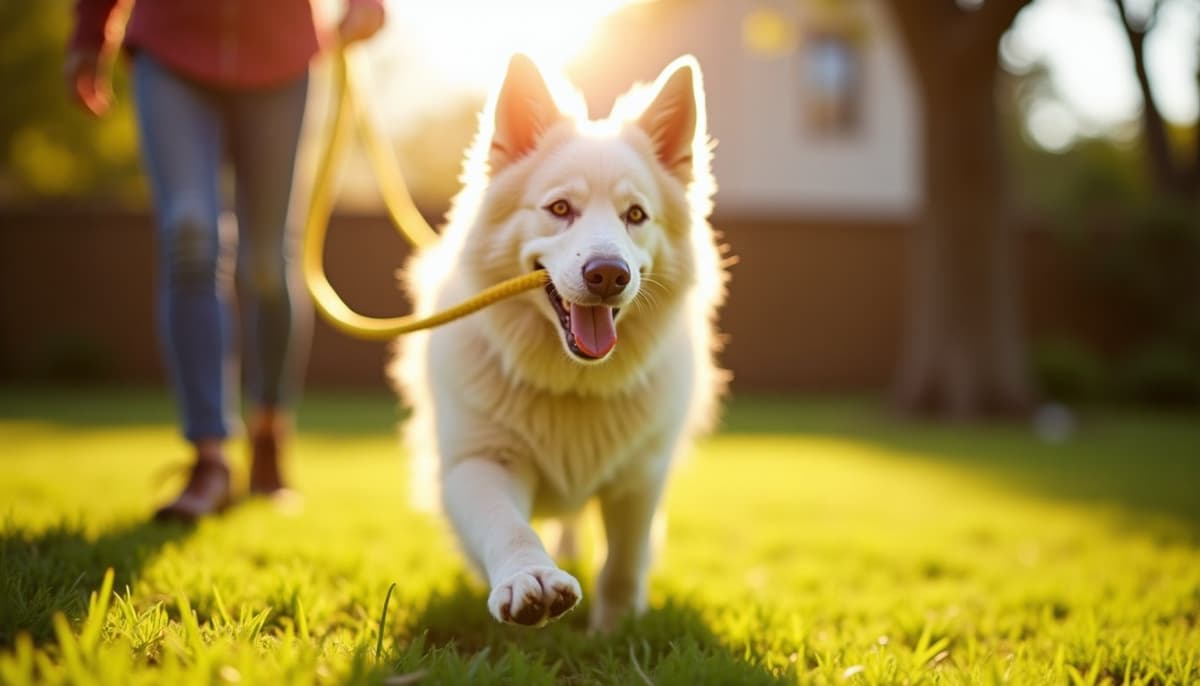 Icelandic Sheepdogs Joint Health Guide — Mobility RisksThe first sign of joint disease in an Icelandic Sheepdog is almost never a limp. It is a dog who used to explode off the porch at the sound of a leash and now waits for you to take the steps first. This is a stoic working breed, and its…Read the guide →
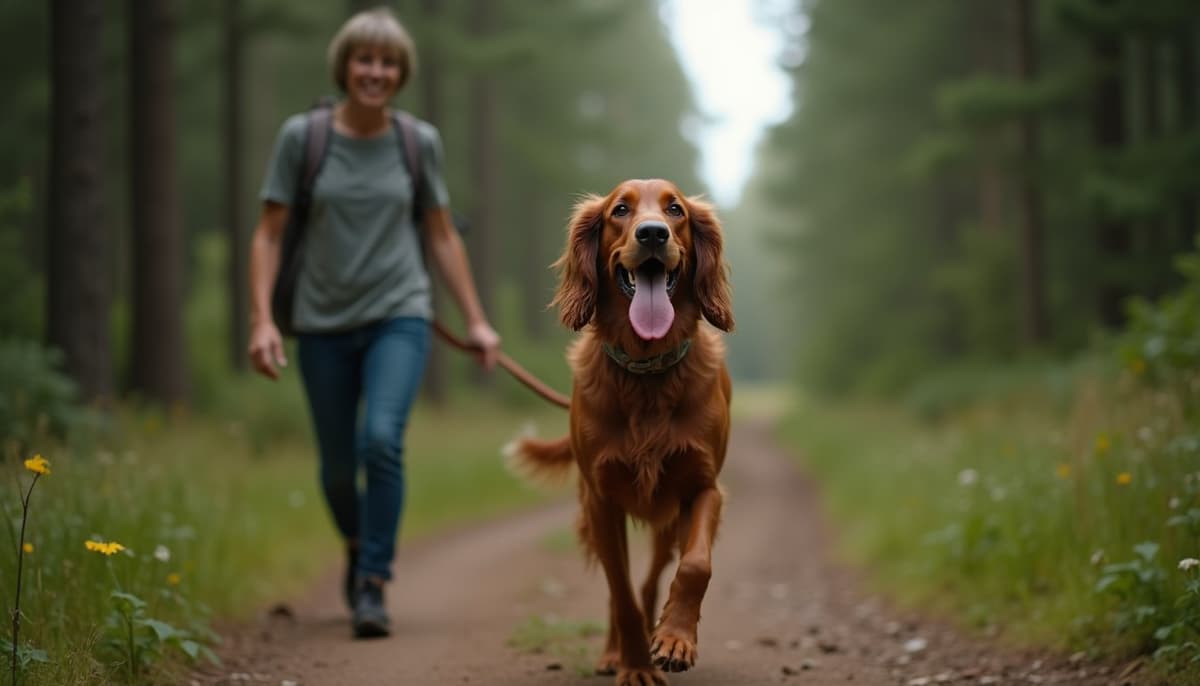 English Setters Joint Health Guide — Hips, Knees, BacksThe first sign of joint disease in an English Setter is almost never a limp. It is a hesitation: a pause at the tailgate, a shortened stride in the last mile of a walk, a dog who suddenly takes the stairs one leg at a time. Setters are stoic, athletic,…Read the guide →
 Dachshunds Joint Health Guide — What Actually Goes WrongThe most common mobility problem in Dachshunds is not a hip and not a knee. It is a disc. Dachshunds are a chondrodystrophic breed, and researchers at the University of California, Davis identified an FGF4 retrogene insertion associated with both the breed's short, curved limbs and premature degeneration of the…Read the guide →
 Rhodesian Ridgebacks Joint Health Guide | K9-REPAIRThe most common mistake Ridgeback owners make is not skipping a supplement. It is reading the breed's stoicism as soundness. Rhodesian Ridgebacks were bred to track and bay large game across rough terrain in heat, and that work selected for dogs who keep moving through discomfort. A Ridgeback with a…Read the guide →
 Red Heelers Joint Health Guide — Risks, Signs & SupportThe first sign of joint trouble in a Red Heeler is almost never a limp. It is a dog who still beats you to the gate but takes the stairs one at a time, and starts sitting with one hip rolled out to the side. Australian Cattle Dogs were bred…Read the guide →
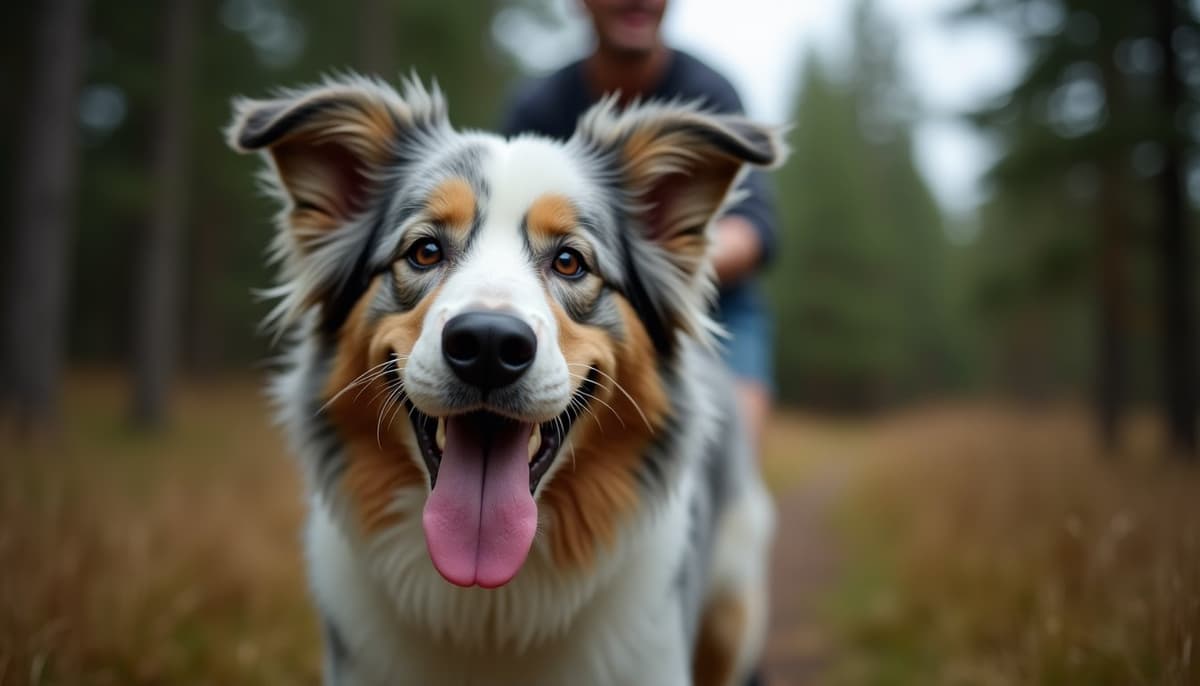 Pyrenean Shepherds Joint Health Guide — Risks & SignsThe first sign of joint trouble in a Pyrenean Shepherd is almost never a limp. It is a dog who still patrols the fence line at full speed but stops offering to jump into the car, or who circles twice before lying down, or who quits a hike ten minutes…Read the guide →
 Yorkshire Terriers Joint Health Guide — Mobility RisksMost owners assume a limping Yorkie has hurt itself. In this breed, the far more likely explanation is that the joint carried a structural weakness from birth, and the limp is simply the first day that weakness became visible to a human eye.Read the guide →
 Xoloitzcuintli Joint Health Guide — Risks, Signs, CareThe most common mobility mistake Xoloitzcuintli owners make is not skipping a supplement. It is misreading cold. A hairless dog hesitating on chilly tile looks almost identical to a dog with early osteoarthritis, and the two get confused constantly, in both directions, for months at a time.…Read the guide →
 What joint problems affect Wirehaired Pointing Griffons?Hip dysplasia takes the blame for almost every limp in a sporting breed. In Wirehaired Pointing Griffons, though, the injury that most abruptly ends a hunting season is often a ruptured cranial cruciate ligament in the stifle (knee) of a dog whose hip radiographs were clean. The Orthopedic Foundation for…Read the guide →
 Whippets Joint Health Guide: Risks, Signs & SupportThe most common joint problem in Whippets is not hip dysplasia. Whippets sit among the breeds least affected in Orthopedic Foundation for Animals (OFA) hip screening records, and what actually brings them into a clinic is soft tissue damage: iliopsoas (hip flexor) strain, carpal hyperextension, toe and sesamoid injuries, shoulder…Read the guide →
 West Highland Terriers Joint Health Guide — Mobility RisksA 14-year lifetime study of Labrador Retrievers run by Nestlé Purina and published in the Journal of the American Veterinary Medical Association found that dogs kept at a lean body condition developed radiographic hip osteoarthritis later in life and lived a median 1.8 years longer than littermates fed 25% more…Read the guide →
 Vizslas Joint Health Guide — What Affects Their JointsThe most common mobility complaint we hear about in this breed is not hip dysplasia. It is a partial cranial cruciate ligament tear in a lean, muscular, five-year-old field Vizsla that has never carried a spare pound in its life. The hips get the attention. The knees do the damage.…Read the guide →
 Weimaraners Joint Health Guide — Hips, ACL & IVDD RiskHip dysplasia gets most of the attention in this breed, but the injury that most often ends a Weimaraner's running life arrives with no warning at all: a ruptured cranial cruciate ligament in a dog who looked completely sound the day before. In dogs, that ligament rarely snaps from one…Read the guide →
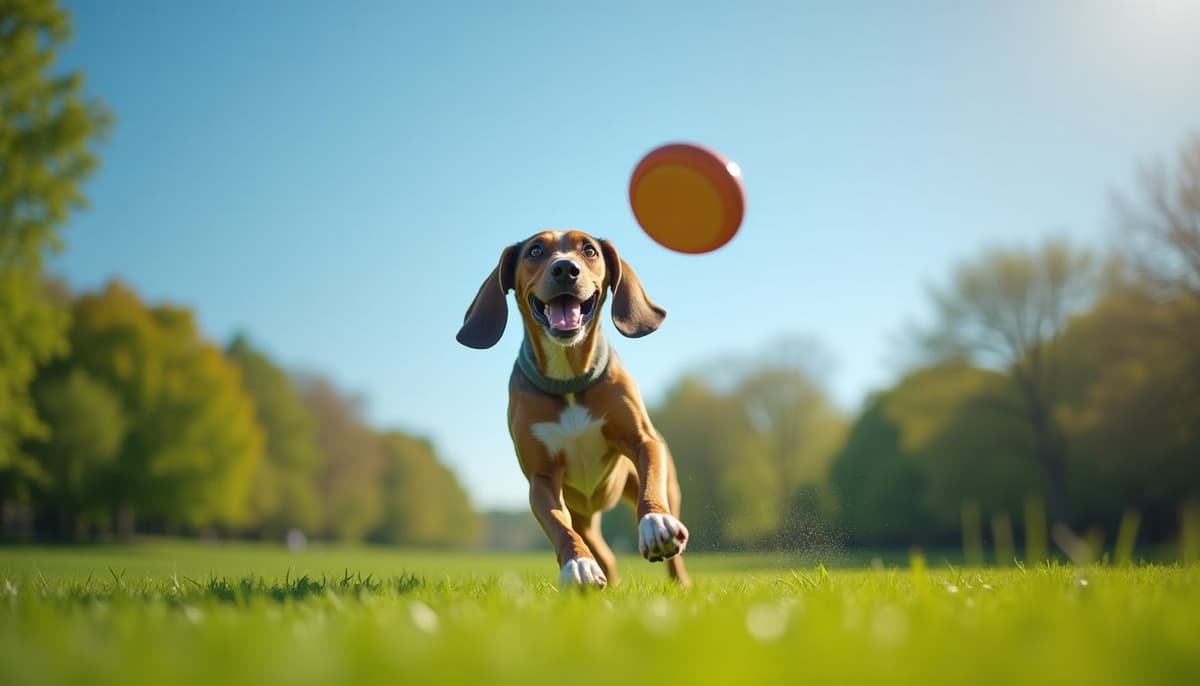 What Joint Problems Affect Treeing Walker Coonhounds?Hip dysplasia gets most of the attention in breed health articles, but it is rarely the first joint to fail in a working scent hound. Cranial cruciate ligament rupture is the most commonly treated orthopedic injury in dogs overall, and in an athletic, high-drive hound that trails for hours across…Read the guide →
 Standard Schnauzers Joint Health Guide | K9-REPAIRA 14-year lifetime feeding study run by Nestlé Purina and published in the Journal of the American Veterinary Medical Association followed Labrador Retriever littermates into old age. The dogs kept lean developed radiographic hip osteoarthritis later, required arthritis medication later, and lived a median of 1.8 years longer than the…Read the guide →
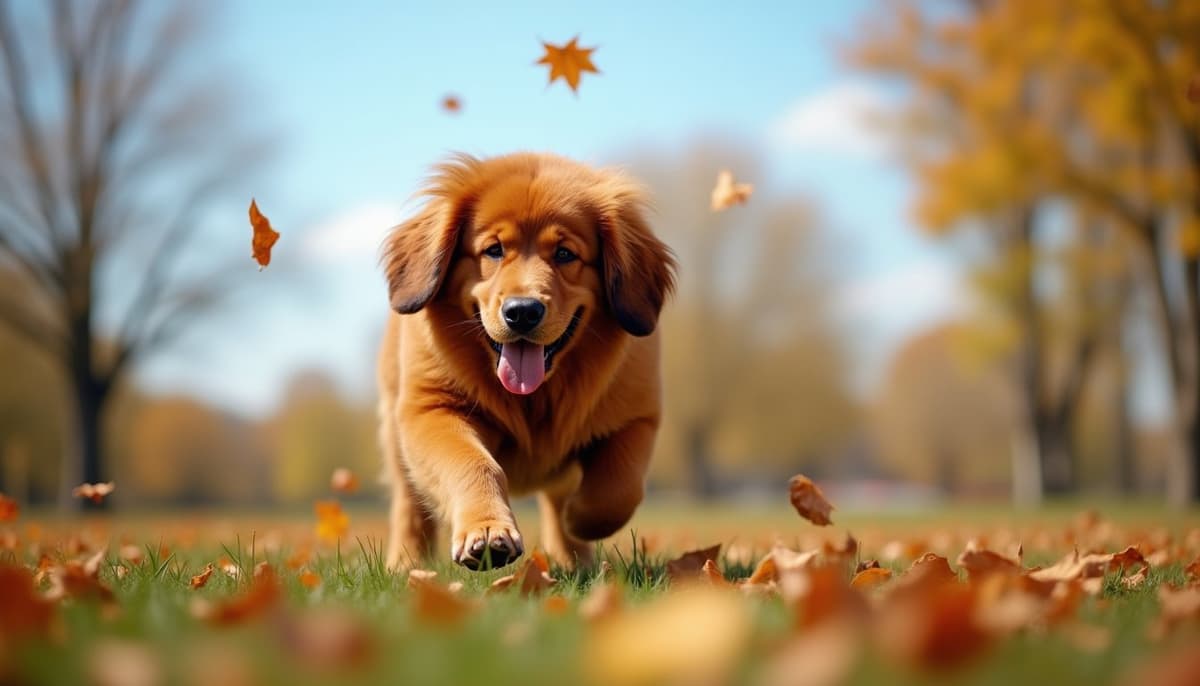 Tibetan Mastiffs Joint Health Guide — Risks & SignsIn the Purina Life Span Study (Kealy et al., published in JAVMA in 2002), Labrador Retrievers kept at a lean body condition lived a median of 1.8 years longer than littermates fed 25% more food, and radiographic signs of hip osteoarthritis appeared years later in the lean group. Body weight…Read the guide →
 Standard Poodles Joint Health Guide — Risks & SignsHip dysplasia gets the headlines, but it is almost never the first thing a Standard Poodle owner actually notices. The first sign is usually small enough to explain away: a slower push off the sofa, a sloppy sideways sit, a dog who suddenly takes the stairs one at a time.…Read the guide →
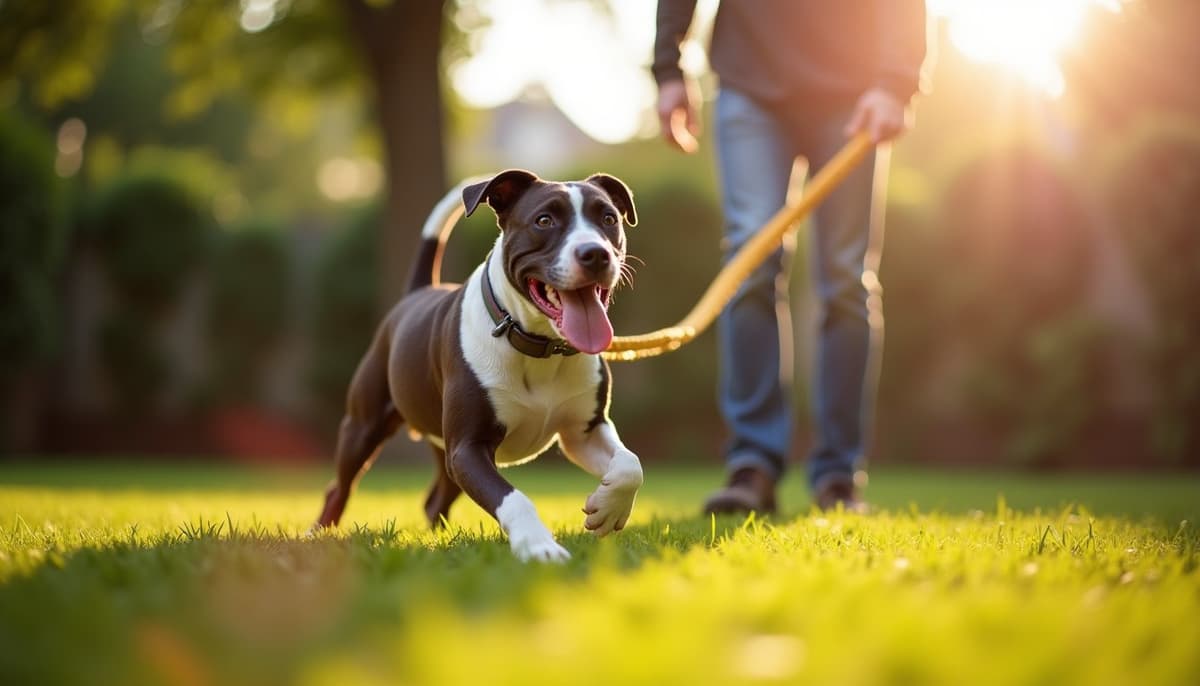 Staffordshire Terriers Joint Health Guide | pawgenThe first sign of joint disease in a Staffordshire Terrier is rarely a limp. It is a dog who stops shaking off after a swim, sits with one hind leg kicked out sideways, hesitates for half a second at the bottom of the stairs, or takes them one at a…Read the guide →
 Spinone Italiano Joint Health Guide — Mobility RisksA Spinone Italiano male can reach 70 to 90 pounds under the American Kennel Club breed standard while his growth plates are still open. Large-breed skeletons generally do not finish maturing until somewhere between 14 and 18 months of age, so this breed carries close to adult load on an…Read the guide →
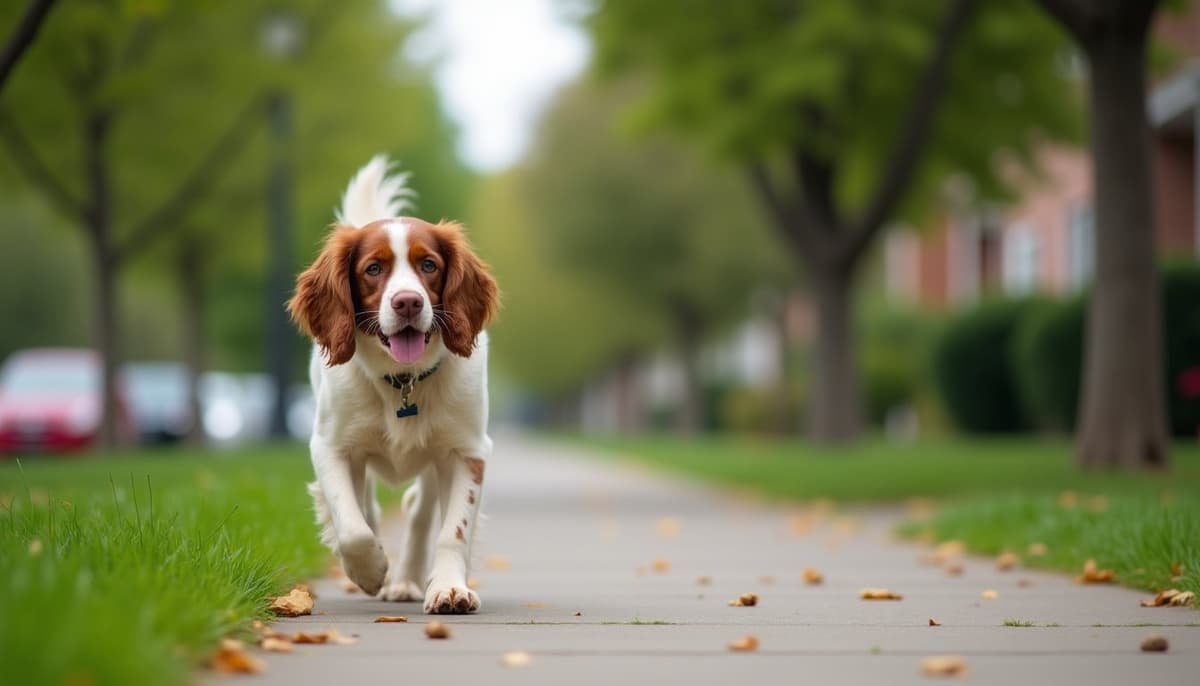 What Joint Problems Affect Springer Spaniels? (Hip & More)Cranial cruciate ligament disease, not hip dysplasia, is the most frequently diagnosed orthopaedic injury in dogs overall, and English Springer Spaniels sit in an awkward middle ground for it. They are heavy enough to load a stifle hard, athletic enough to pivot at full speed through cover, and stoic enough…Read the guide →
 Soft Coated Wheaten Terriers Joint Health Guide | pawgenThe most consequential joint decision a Wheaten owner makes usually isn't which jar lands in the cart. It's whether the dog's urine protein and kidney values were checked first. Soft Coated Wheaten Terriers carry a documented breed predisposition to protein-losing nephropathy (PLN), a kidney disorder in which the glomeruli leak…Read the guide →
 Siberian Huskies Joint Health Guide — Mobility RisksSiberian Huskies sit near the bottom of the Orthopedic Foundation for Animals hip dysplasia rankings, one of the very few medium-to-large breeds with a genuinely low recorded rate of dysplastic hips. That reputation is exactly why husky owners get blindsided. In this breed, the joints that fail first are usually…Read the guide →
 Shih Tzus Joint Health Guide — What Owners Must KnowThe joint problem most likely to take a Shih Tzu off its feet does not start in the hip or the knee. It starts in the spinal discs, and it is written into the breed's genome. Research led by the Bannasch laboratory at UC Davis identified an FGF4 retrogene insertion…Read the guide →
Breeds · 120 guides
Breeds
Breed-by-breed joint and mobility risk, and what to watch for as your dog ages. Some breeds carry problems others never see.