Belgian Malinois Joint Health Guide — Risks & Signs
The most common mistake Malinois owners make isn't over-training the dog. It's trusting the dog to tell them when something hurts. This breed carries a nervous system that suppresses pain under arousal, which means a Malinois will clear a wall on a partially torn cranial cruciate ligament and land looking…
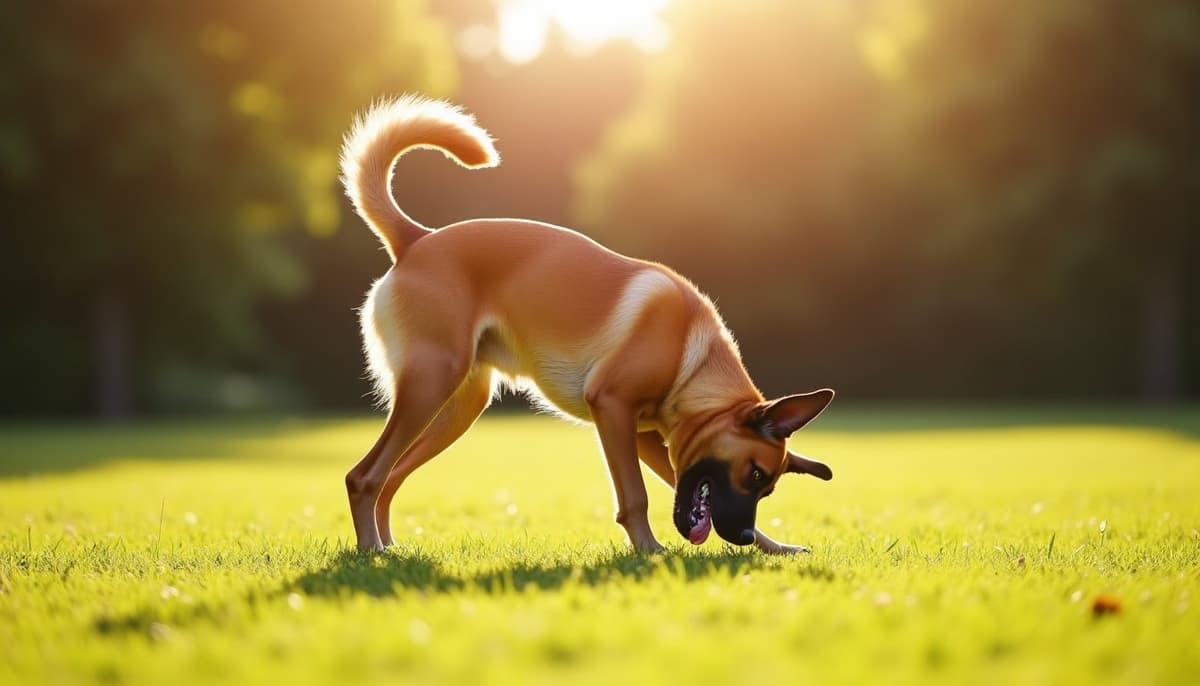
What Joint Problems Affect Belgian Malinois? A Belgian Malinois Joint Health Guide
The most common mistake Malinois owners make isn't over-training the dog. It's trusting the dog to tell them when something hurts. This breed carries a nervous system that suppresses pain under arousal, which means a Malinois will clear a wall on a partially torn cranial cruciate ligament and land looking delighted with itself. Any honest belgian malinois joint health guide has to start with that inconvenient fact.
Our team at pawgen speaks with working-line, sport, and pet Malinois owners constantly, and the pattern rarely changes. The dog gets diagnosed at the point of structural failure, not at the point of strain. Everything that matters for long-term mobility happens in the gap between those two moments.
What joint problems affect Belgian Malinois?
Belgian Malinois are most commonly affected by cranial cruciate ligament (CCL) rupture, hip dysplasia, elbow dysplasia, secondary osteoarthritis, and lumbosacral spine disease. Their risk is driven less by body mass than by repetitive high-impact loading: jumping, hard turns, and abrupt deceleration. Subtle gait changes, not obvious limping, are the first signal worth acting on.
Here is the oversimplification worth correcting. The Malinois is often described as a structurally sound breed because its hip screening results through the Orthopedic Foundation for Animals (OFA) compare favourably with several heavier working breeds. Low genetic incidence is not the same thing as low clinical incidence. A dog with textbook hips can still destroy a cruciate ligament at three years old because of what it does, not what it inherited. This belgian malinois joint health guide covers the conditions that actually present, why the breed conceals them so effectively, and what the current evidence supports doing about it.
Belgian Malinois Joint Health Guide: The Breed's Real Risk Profile
Five conditions account for the overwhelming majority of Belgian Malinois mobility complaints: cranial cruciate ligament rupture, hip dysplasia, elbow dysplasia, osteoarthritis, and degenerative lumbosacral stenosis.
CCL rupture is the injury we hear about least and encounter most. The canine cruciate rarely snaps like a rope in one traumatic instant. It degenerates through repeated microtearing over months, then fails on an ordinary turn on wet grass. Malinois are structurally primed for this: explosive hindquarter drive, a job description built on pivoting, and owners who reward the intensity. The full picture sits in our breakdown of torn acl in belgian malinois.
Hip dysplasia in belgian malinois is a developmental malformation of the coxofemoral joint where the femoral head and acetabulum fail to fit congruently. The laxity causes abnormal shear during loading, and the joint remodels into osteoarthritis. PennHIP distraction index testing and OFA radiographic grading are the two screening systems used to quantify it before symptoms appear.
Elbow dysplasia is an umbrella term covering fragmented medial coronoid process, ununited anconeal process, and osteochondritis dissecans (OCD). It typically declares itself between five and twelve months of age as intermittent forelimb lameness that improves with rest, which is exactly why it gets dismissed as a growth phase. Support strategies are covered in our guide to the best supplement for belgian malinois with elbow dysplasia.
Spinal problems in this breed skew toward degenerative lumbosacral stenosis, sometimes called cauda equina syndrome, rather than the acute disc extrusions seen in dachshunds. Hansen type II protrusions do occur, and our best supplement for belgian malinois with ivdd article addresses that overlap. Osteoarthritis is the common endpoint of all of the above, and once cartilage is gone, it does not regenerate. Why the breed sits where it does on the risk curve is unpacked in belgian malinois joint problems.
Across the owners we talk to, the most frequently missed presentation isn't limping at all. It's a dog that quietly stops offering the behaviour it used to volunteer for.
Why a Malinois Hides Joint Pain Longer Than Almost Any Other Breed
The Malinois does not under-report pain because it is stoic. It under-reports because arousal-driven analgesia is a real physiological mechanism, and this breed lives in a state of high sympathetic arousal whenever work is on offer. Endogenous opioid and catecholamine release during drive states blunts nociceptive signalling. The dog genuinely feels less while working, then stiffens two hours later on the kitchen floor, when nobody is watching for it.
There is a second layer most articles skip: compensatory loading. A dog with early unilateral hip or stifle pain does not limp first. It redistributes weight to the contralateral limb and forward onto the shoulders, which is why so many Malinois present with a cruciate tear on one side and a partially compromised ligament on the other. The compensation is the disease progressing quietly.
Here is the specific tell we ask owners to check, because it costs nothing and catches stifle disease early. Watch how the dog sits. A structurally comfortable Malinois sits square with both hocks tucked under the pelvis. A dog with early cruciate degeneration or meniscal irritation sits with the affected hind leg kicked out laterally, because full stifle flexion hurts. Owners almost universally read this as a personality quirk. Clinically it is called a positive sit test, and in our experience it appears weeks to months before the first visible limp.
Other early markers worth tracking: reluctance to jump into the car when the dog previously self-loaded, a bunny-hopping gait where both hind legs move together, shortened stride on the first ten steps after rest, and audible landing thuds where the dog used to be silent. Mobility loss compounds with age, which is why we treat it as a lifespan issue rather than a senior issue in our overview of belgian malinois lifespan.
Belgian Malinois Joint Health Guide: What Actually Moves the Needle
Body condition is the single highest-leverage variable, and nothing else is close. On the standard 9-point body condition score used across veterinary practice, a Malinois should sit at 4 to 5 out of 9, with ribs easily palpable and a visible waist from above. Every extra kilogram multiplies compressive load through the hip and stifle at every stride.
Growth management matters second. Growth plates in a large working breed generally close somewhere between twelve and eighteen months, and forced repetitive impact before closure, including long-distance roadwork, repeated wall work, and stair sprints, loads immature cartilage. Adult Malinois need the opposite emphasis: hind-end and core conditioning, controlled cavaletti work for proprioception, and deliberate deceleration training so the dog stops braking exclusively through the stifles.
On the pharmacological side, veterinarians commonly reach for NSAIDs such as carprofen or meloxicam for confirmed osteoarthritis pain, and Adequan (polysulfated glycosaminoglycan) is an FDA-approved injectable for canine degenerative joint disease. Bedinvetmab (Librela), an anti-nerve growth factor monoclonal antibody, is another prescription option your vet may discuss. Please talk to your veterinarian before starting, stopping, or combining anything, particularly if your dog is already on a prescribed medication.
Among nutritional supports, omega-3 fatty acids (EPA and DHA) have the strongest research base for inflammatory modulation, with green-lipped mussel (Perna canaliculus), undenatured type II collagen, glucosamine and chondroitin sulphate, and hyaluronic acid all commonly used. Evidence quality varies considerably between them. We compare them honestly in our best joint supplement for belgian malinois breakdown, alongside targeted pieces on the best supplement for belgian malinois with hip dysplasia, the best supplement for belgian malinois with arthritis, and the best supplement for belgian malinois with torn acl.
Research peptides including BPC-157 and TB-500 sit in a different category entirely. They are not FDA-approved veterinary drugs, the published work is largely preclinical, and what exists is mechanistic rather than outcome-based in dogs. Owners report using them for recovery support, and research suggests possible roles in angiogenesis and tissue repair signalling, but that is the honest ceiling of the claim. Our position on where they fit, and where they don't, is set out in joint support for belgian malinois and across K9-REPAIR.
Belgian Malinois Joint Health Guide: Condition Comparison
This table maps the five conditions against when they typically appear and the earliest reliable sign, so owners know which window they are currently in. The final column is our practical assessment.
| Condition | Typical Onset Window | Earliest Reliable Sign | Primary Mechanism | Bottom Line |
|---|---|---|---|---|
| Cranial cruciate ligament rupture | 2 to 6 years, peak in active sport dogs | Positive sit test, hind leg kicked out sideways when sitting | Progressive ligament degeneration then acute failure on a turn | The most likely orthopaedic event in an active Malinois; surgical consultation is usually the conversation, not an optional one |
| Hip dysplasia | Detectable radiographically from 4 to 12 months | Bunny-hopping gait, reluctance to self-load into vehicles | Coxofemoral joint laxity causing abnormal shear and remodelling | Screen breeding stock via OFA or PennHIP; management is lifelong weight and conditioning discipline |
| Elbow dysplasia | 5 to 12 months, often intermittent | Forelimb lameness that resolves with rest and returns after exercise | Fragmented coronoid process, UAP, or OCD lesion | Easiest condition to dismiss as growing pains; early imaging changes the surgical options available |
| Osteoarthritis | Typically middle age onward, earlier if secondary | Stiffness in the first ten steps after rest | Cartilage loss, synovial inflammation, joint capsule fibrosis | Not reversible; the goal is slowing progression and maintaining muscle mass around the joint |
| Degenerative lumbosacral stenosis | Middle-aged to older working dogs | Reluctance to jump, tail carriage change, pain on lumbosacral pressure | Nerve root compression at the cauda equina | Frequently misread as hip pain; requires neurological rather than purely orthopaedic assessment |
Key Takeaways
- Cranial cruciate ligament rupture is the most probable serious orthopaedic event in an active Belgian Malinois, and it develops through months of microtearing rather than one accident.
- A Malinois that sits with one hind leg kicked out sideways is showing a positive sit test, which often precedes visible lameness by weeks or months.
- Hip and elbow dysplasia are screened radiographically through OFA grading and PennHIP distraction index testing, both of which detect risk before symptoms appear.
- Keeping the dog at 4 to 5 on the 9-point body condition score reduces joint load more effectively than any supplement on the market.
- BPC-157 and TB-500 are not FDA-approved veterinary drugs, and the available research in dogs is mechanistic rather than outcome-based.
- Degenerative lumbosacral stenosis is regularly mistaken for hip pain in this breed and needs a neurological exam to distinguish.
What If: Belgian Malinois Mobility Scenarios
What If My Malinois Suddenly Won't Put Weight on a Back Leg?
Crate the dog, stop all exercise, and book a veterinary appointment that day. Acute non-weight-bearing hind limb lameness in an athletic Malinois is a cruciate rupture until proven otherwise, and continuing to move on an unstable stifle damages the medial meniscus, which meaningfully worsens the surgical prognosis. Do not give human anti-inflammatories; ibuprofen, naproxen, and acetaminophen are toxic to dogs. If there is also swelling, a fever, an audible click in the joint, or the leg is being dragged rather than carried, treat it as urgent rather than routine.
What If My 9-Month-Old Is Already Bunny Hopping?
Request hip radiographs rather than waiting for the dog to grow out of it. Bunny hopping, where both hind legs move as a unit at a trot or canter, is a classic compensatory pattern for bilateral hip pain and it does not resolve on its own. Adolescence is also the only window where certain surgical interventions remain available, and that window closes as the skeleton matures. Until imaging happens, remove jumping, stairs, and slick flooring from the dog's routine.
What If My Vet Prescribed an NSAID and I Want to Add Supplements?
Bring the exact product and its ingredient panel to your veterinarian before adding anything. Prescription anti-inflammatories carry gastrointestinal, renal, and hepatic monitoring requirements, and some supplement ingredients affect clotting or overlap pharmacologically. Nothing you add should replace a prescribed medication or a planned surgical procedure. The realistic role of nutritional support is adjunctive, working alongside a veterinary plan rather than competing with it.
The Blunt Truth About Belgian Malinois Joint Health
Let's be direct about this: no supplement, peptide, or feeding strategy will out-run a Malinois that is 15% overweight and jumping off a tailgate onto concrete twice a day. The environmental and load variables dominate. Any belgian malinois joint health guide that leads with a product and treats body condition, surface choice, and deceleration training as footnotes has the priority order backwards. Nutritional support is worth doing, and research suggests several ingredients may help, but it is the smallest lever in the system. Fix the mechanics first.
The hardest part of a belgian malinois joint health guide to accept is that this breed's greatest asset is also its orthopaedic liability. The drive that makes a Malinois extraordinary at work is precisely what stops it from telling you when a ligament is fraying. So you become the reporting system. Watch how the dog sits, how it loads into the car, how it moves for the first ten steps after a nap. Those three observations, done weekly and free of charge, catch more early joint disease in this breed than any annual check-up ever will.
Frequently asked questions
- What can I give a dog that is not putting weight on a leg?
- Give nothing by mouth without veterinary direction. Human anti-inflammatories such as ibuprofen, naproxen, and acetaminophen are toxic to dogs and can cause kidney or liver failure. Restrict the dog to a crate or small room, stop all exercise, and arrange a same-day veterinary exam so the cause is properly identified first.
- Is a dog not putting weight on a leg an emergency?
- Yes, complete non-weight-bearing lameness warrants same-day veterinary assessment. It commonly signals a fracture, cruciate ligament rupture, joint luxation, or infection rather than a simple strain. Treat it as urgent if there is swelling, an open wound, a fever, obvious deformity, or if the leg is being dragged rather than held up.
- Why is my dog trouble getting up?
- Difficulty rising usually reflects osteoarthritis, hip dysplasia, or lumbosacral spine compression rather than age alone. Stiffness concentrated in the first ten steps after rest points toward joint disease, while weakness, knuckling, or scuffed nails suggests a neurological cause. Both patterns need veterinary examination, because the treatment approaches are entirely different.
- Should I worry if my dog is trouble getting up?
- Yes, it deserves investigation rather than acceptance. Slowing down is not an inevitable feature of ageing; it is usually pain, and pain in dogs is treatable. Delaying assessment allows muscle mass around the affected joint to waste, which accelerates the decline and narrows the options your veterinarian can realistically offer.
- When should I take a dog to the vet for trouble getting up?
- Book an appointment if the difficulty persists beyond two or three days, or immediately if onset was sudden. Go urgently when the dog cannot rise at all, drags a limb, loses bladder or bowel control, cries out, or shows hind limb weakness that worsens over hours. Those signs suggest spinal involvement.
- What can I give a dog that is trouble getting up?
- Start with what your veterinarian prescribes after examination, which may include a canine-specific anti-inflammatory. Supportive measures you control include weight reduction to a body condition score of 4 to 5 out of 9, non-slip flooring, orthopaedic bedding, and omega-3 fatty acids. Never give human pain medication to a dog.
- Are Belgian Malinois prone to hip dysplasia?
- Belgian Malinois can develop hip dysplasia, though screening data collected through the Orthopedic Foundation for Animals places them lower on the risk scale than several heavier working breeds. That relative advantage disappears if the dog is overweight, grown too fast, or worked hard on hard surfaces before skeletal maturity.
- When should I start following a belgian malinois joint health guide for a puppy?
- From the day the puppy arrives. Growth-stage decisions around body condition, controlled exercise, flooring traction, and avoiding repetitive impact before growth plate closure at roughly twelve to eighteen months shape adult joint outcomes more than anything done later. Supplement questions for puppies should be directed to your veterinarian.
- What supplements does a belgian malinois joint health guide usually recommend?
- The most commonly used options are omega-3 fatty acids providing EPA and DHA, green-lipped mussel, undenatured type II collagen, glucosamine, chondroitin sulphate, and hyaluronic acid. Evidence quality varies considerably between them, with omega-3s carrying the strongest research base. Any supplement should be discussed with your veterinarian, particularly alongside prescription medication.
- Can I use BPC-157 or TB-500 for my Belgian Malinois joint issues?
- These are research peptides, not FDA-approved veterinary drugs, and the available data in dogs is preclinical and mechanistic rather than outcome-based. Research suggests possible roles in tissue repair signalling, and some owners report using them for recovery support. They are not a substitute for veterinary diagnosis, prescribed medication, or surgery.
Educational content. BPC-157 and TB-500 are not FDA-approved veterinary drugs. Talk to your veterinarian before starting anything new, especially if your dog is on prescribed medication.