Icelandic Sheepdogs Joint Health Guide — Mobility Risks
The first sign of joint disease in an Icelandic Sheepdog is almost never a limp. It is a dog who used to explode off the porch at the sound of a leash and now waits for you to take the steps first. This is a stoic working breed, and its…
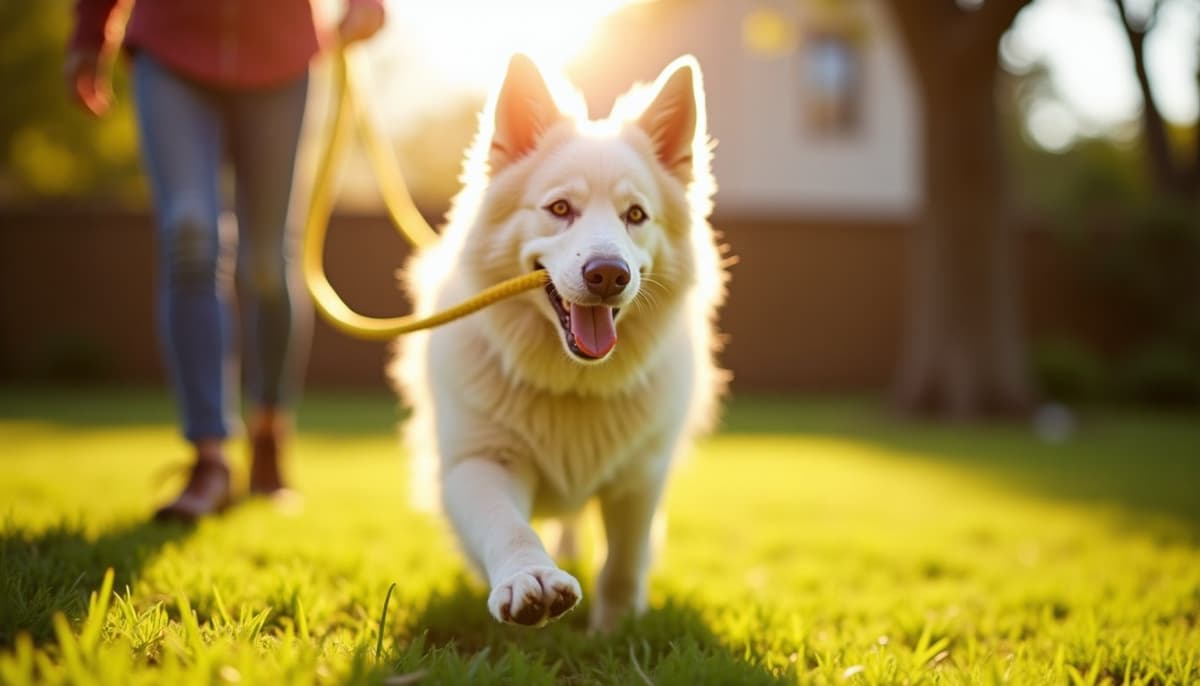
What Joint Problems Affect Icelandic Sheepdogs? An Icelandic Sheepdogs Joint Health Guide
The first sign of joint disease in an Icelandic Sheepdog is almost never a limp. It is a dog who used to explode off the porch at the sound of a leash and now waits for you to take the steps first. This is a stoic working breed, and its dense double coat hides muscle loss until the loss is advanced.
That lag between the problem starting and the sign appearing is the reason this icelandic sheepdogs joint health guide exists. Our team formulates and writes about canine soft-tissue and joint recovery for a living, and the pattern in owner messages repeats itself: the visible limp shows up months after the joint changed.
What joint problems affect Icelandic Sheepdogs?
Icelandic Sheepdogs are most commonly affected by hip dysplasia, patellar luxation, cranial cruciate ligament injury, elbow dysplasia, intervertebral disc disease, and the osteoarthritis that follows all of them. This icelandic sheepdogs joint health guide covers each risk, its earliest sign, and the monthly checks that catch trouble before gait changes.
The common oversimplification is that hip dysplasia is a big-dog disease and that a five-year-old dog is too young for arthritis. Neither holds. Coxofemoral laxity is inherited and load-driven, not weight-class-driven, and cartilage degradation begins silently long before pain behaviour appears. This article covers the six conditions ranked by breed relevance, the mechanism that makes early damage invisible, and the practical checks and support options worth your attention.
The Joint Problems This Icelandic Sheepdogs Joint Health Guide Ranks First by Breed Risk
Six orthopaedic problems account for the overwhelming majority of mobility complaints in this breed. Each has a different onset window and a different early tell.
Hip dysplasia is laxity in the coxofemoral (hip) joint, where the femoral head and the acetabulum fail to fit congruently, producing shear instead of clean rotation. It is screened radiographically through the Orthopedic Foundation for Animals (OFA) and by PennHIP distraction index. Read the breed-specific detail on hip dysplasia in icelandic sheepdogs.
Patellar luxation is the kneecap slipping out of the trochlear groove of the femur, graded I through IV by how easily and how often it displaces. The classic sign is a skip or a brief hop mid-stride, then normal walking.
Cranial cruciate ligament (CCL) injury is the canine equivalent of a human ACL tear, though in dogs it is usually chronic ligament degeneration that finally gives way rather than one clean traumatic rupture. See torn acl in icelandic sheepdogs.
Elbow dysplasia is an umbrella term covering fragmented medial coronoid process, osteochondrosis lesions, and ununited anconeal process. Front-limb stiffness after rest is the usual first clue. Details sit in elbow dysplasia in icelandic sheepdogs.
Intervertebral disc disease (IVDD) involves the nucleus pulposus of a spinal disc herniating and pressing on the spinal cord. Yelping when lifted, a hunched topline, or refusal to jump are the signals owners notice. Start with ivdd in icelandic sheepdogs.
Osteoarthritis is the shared endpoint of all five, and the reason early management matters more than any single diagnosis. See arthritis in icelandic sheepdogs and the wider picture in common health problems in icelandic sheepdogs.
Across the mobility questions our team fields, patellar luxation and early hip laxity are the two most often written off by owners as clumsiness.
Why Icelandic Sheepdogs Hip Problems Start Long Before the Limp
Joint disease in this breed begins as microinstability, not as pain. Articular cartilage is avascular and aneural, meaning it has no blood supply and no nerve endings, and it is fed by synovial fluid pushed through the matrix by cyclic compression during movement. Cartilage can therefore be damaged without the dog feeling anything.
Here is the cascade. Joint laxity creates shear across the cartilage surface. Injured chondrocytes release inflammatory mediators including interleukin-1 beta, which upregulates matrix metalloproteinases and aggrecanases. Those enzymes degrade aggrecan and type II collagen, the two structural components that give cartilage its compressive stiffness. The joint capsule inflames, produces more enzyme-rich synovial fluid, and the loop reinforces itself. Pain arrives late, once subchondral bone and the richly innervated joint capsule are involved.
Growth timing compounds genetics. Growth plates in a medium-sized breed typically close somewhere around ten to fourteen months, and repetitive high-impact loading before closure lands on immature cartilage and open physes. Long forced runs, repeated stair sprints, and daily leaps off furniture in a dog under a year are load choices, not accidents.
A useful icelandic sheepdogs joint health guide has to say this plainly: the double coat is a diagnostic obstacle. Quadriceps atrophy is one of the earliest measurable consequences of chronic stifle pain, and you cannot see it through that coat. We tell owners to run flat palms down both thighs and both shoulders once a month, comparing left to right by feel at the same anatomical landmark. Asymmetry found by hand routinely precedes any visible gait change, and it is the single most useful thing an owner can learn to do.
Screening exists for a reason. PennHIP distraction index can be measured in young dogs, while OFA final hip and elbow certification is issued from twenty-four months of age. For why this breed carries the risk profile it does, see icelandic sheepdogs joint problems and icelandic sheepdogs lifespan.
The Mobility Checks This Icelandic Sheepdogs Joint Health Guide Wants You Doing Monthly
Six observations catch most joint problems early: a kicked-out or sloppy sit, a bunny-hop where both hind legs move together at trot, reluctance on stairs or into the car, a shortened stride that shows as lagging behind on walks, vocalising when lifted around the ribs or hips, and persistent licking over one joint. Stiffness that eases after five minutes of movement is not normal ageing, it is inflammation clearing.
What actually changes outcomes, in order of leverage:
Body condition sits first. On the 9-point body condition score used by most veterinary practices, ribs should be easily palpable with a visible waist from above. Every extra kilogram is load multiplied across every step and also adds adipose-derived inflammatory signalling to an already inflamed joint. Nothing in a bottle competes with this.
Conditioning comes second. Sniff-based walks, gentle hill work, and controlled surfaces build the gluteal and quadriceps mass that stabilises hips and stifles. Repetitive ball-chasing on hard ground does the opposite.
Diagnosis comes third. Talk to your veterinarian before assuming a cause, because radiographs, orthopaedic examination, and a neurological check separate a stifle problem from a spinal one, and the treatment paths diverge completely. Prescription options for confirmed osteoarthritis pain include NSAIDs such as carprofen and meloxicam, and bedinvetmab (Librela), an anti-nerve-growth-factor monoclonal antibody licensed for canine osteoarthritis pain. Physical rehabilitation and hydrotherapy have earned their place alongside them.
Nutraceuticals are adjuncts, never replacements for veterinary care. Marine omega-3 fatty acids (EPA and DHA) have the most consistent support for joint comfort in dogs. Evidence for glucosamine, chondroitin, and green-lipped mussel is mixed rather than settled. Research on peptides such as BPC-157 and TB-500 is largely preclinical, they are not FDA-approved veterinary drugs, and while owners report improvements in comfort and recovery, the evidence base in dogs remains limited. Our own K9-REPAIR work sits squarely in that educational, mechanism-level space. For product-level comparisons, see joint support for icelandic sheepdogs, the best joint supplement for icelandic sheepdogs, the best supplement for icelandic sheepdogs with hip dysplasia, and the best supplement for icelandic sheepdogs with arthritis.
Icelandic Sheepdogs Joint Health Guide: Condition Comparison
These six conditions produce overlapping symptoms but demand different diagnostics. This table shows what separates them at the point where an owner first notices something.
| Condition | Typical Onset Window | Hallmark Early Sign | How It Is Confirmed | Bottom Line |
|---|---|---|---|---|
| Hip dysplasia | Often detectable in the first two years, pain later | Bunny-hopping at trot, narrow hind stance, reluctance to rise | OFA radiographs or PennHIP distraction index under sedation | Inherited laxity plus load; screening before breeding and lean body condition matter most |
| Patellar luxation | Young adult onward | Intermittent skip or hop, then normal walking | Hands-on orthopaedic exam with patellar manipulation, graded I to IV | Low grades are managed conservatively; higher grades are surgical conversations with your vet |
| Cranial cruciate injury | Middle age, often after chronic degeneration | Sudden hind-limb lameness, toe-touching, sitting to one side | Cranial drawer or tibial compression test, plus imaging | Rarely a clean accident; the ligament was usually degenerating for months |
| Elbow dysplasia | Growth phase, signs by young adulthood | Front-limb stiffness after rest, shortened forelimb stride | Radiographs, often CT for coronoid detail | Front-end lameness in this breed deserves imaging, not wait-and-see |
| IVDD | Middle age | Yelping when lifted, hunched back, refusal to jump | Neurological exam, MRI or CT myelography | Any weakness or wobbling in the hind limbs is urgent, not routine |
| Osteoarthritis | Progressive, any age after joint insult | Slower on walks, stiff first five minutes, more sleeping | Clinical exam plus radiographic joint changes | The shared endpoint; weight, conditioning, and vet-guided pain control drive quality of life |
Key Takeaways
- Hip dysplasia, patellar luxation, cranial cruciate injury, elbow dysplasia, IVDD, and osteoarthritis account for the majority of Icelandic Sheepdogs mobility problems.
- Cartilage is avascular and aneural, so joint damage progresses silently until subchondral bone and the joint capsule become involved.
- Interleukin-1 beta and matrix metalloproteinases drive the self-reinforcing cartilage breakdown loop that turns instability into Icelandic Sheepdogs arthritis.
- The breed's dense double coat conceals muscle atrophy, making monthly hands-on comparison of left and right thigh and shoulder mass more reliable than watching the dog walk.
- OFA hip and elbow certification is issued from twenty-four months, while PennHIP distraction measurement can be done in younger dogs.
- Body condition on the 9-point scale outperforms every supplement decision an owner will make.
What If: Icelandic Sheepdog Mobility Scenarios
What if my Icelandic Sheepdog is lagging behind on walks?
Shorten the walk, keep the frequency, and book a veterinary gait and orthopaedic exam. Lagging usually reflects a shortened stride from hip, stifle, or spinal discomfort rather than laziness, and this breed will keep going through pain until endurance simply runs out. Cutting exercise entirely accelerates muscle loss, which worsens joint instability, so the goal is lower-impact volume rather than rest. Note whether the lag appears in the first five minutes, which points toward inflammatory stiffness, or after twenty, which points toward fatigue and weakness.
What if my Icelandic Sheepdog yelps when picked up?
Stop lifting under the chest or armpits, support the whole spine, and arrange a same-week veterinary examination. Sudden vocalising on handling most often signals cervical or thoracolumbar pain, and intervertebral disc disease sits high on that list. Any accompanying hind-limb wobbling, dragged toes, or loss of bladder control changes the timeline to immediate. Owners frequently attribute a single yelp to being startled, then discover on examination that neck extension has been painful for weeks.
What if both parents had clean OFA hips and my dog still bunny-hops?
Get radiographs anyway rather than assuming genetics ruled it out. Hip screening reduces population-level risk, it does not guarantee any individual dog, and polygenic inheritance means clean-hipped parents can still produce a dysplastic offspring. Bunny-hopping is also produced by bilateral stifle pain and by lumbosacral problems, so the sign alone does not localise the lesion. Imaging plus a neurological check is the only way to separate those possibilities.
The Blunt Truth About Every Icelandic Sheepdogs Joint Health Guide
Let's be direct about this: no supplement, ours included, outperforms a lean, well-muscled dog. If your Icelandic Sheepdog is carrying extra weight and losing hind-limb muscle, the bottle is a rounding error against the mechanical load and the inflammatory signalling that fat tissue contributes. Supplements are adjuncts to veterinary care, not stand-ins for a diagnosis, a prescription, or a surgical opinion. The owners who see the best long-term mobility are the ones who fixed body condition first, kept controlled conditioning going, and treated their vet as the primary decision-maker.
This icelandic sheepdogs joint health guide has one uncomfortable implication worth sitting with: by the time you notice the limp, the joint has usually been changing for months. That is not a failure of attention. It is anatomy, stoicism, and a coat built for North Atlantic weather all working against you at once. Which is exactly why the boring habits win here. Hands on the thighs once a month. Ribs you can feel. Walks that build muscle instead of hammering cartilage. A vet who has seen the dog move while it was still moving well.
``json {"@context":"schema.org","@graph":{"@type":"Article","headline":"What Joint Problems Affect Icelandic Sheepdogs?","about":"Icelandic Sheepdogs joint health guide","publisher":{"@type":"Organization","name":"pawgen","url":"[pawgen.com"}},{"@type":"FAQPage","mainEntity":[{"@type":"Question","name":"Should I worry if my dog is lagging behind on walks?","acceptedAnswer":{"@type":"Answer","text":"Yes, treat it as a mobility signal rather than normal ageing. Persistent lagging usually reflects a shortened stride from joint or spinal discomfort and warrants a veterinary gait exam."}},{"@type":"Question","name":"Why is my dog yelping when picked up?","acceptedAnswer":{"@type":"Answer","text":"Sudden yelping on lifting commonly points to neck or back pain such as intervertebral disc disease, and needs prompt veterinary assessment."}}]}]} ``
Frequently asked questions
- Should I worry if my dog is lagging behind on walks?
- Yes, treat it as a mobility signal rather than normal ageing. Persistent lagging usually means a shortened stride caused by hip, stifle, or spinal discomfort, and Icelandic Sheepdogs are stoic enough to push through pain until endurance fails. Book a veterinary gait exam and note when in the walk the lag appears.
- When should I take a dog to the vet for lagging behind on walks?
- Go if the lagging persists beyond a few days, recurs on most walks, or comes with stiffness in the first five minutes of movement. Go the same day if you also see hind-limb wobbling, dragged toes, yelping on handling, or sudden refusal to jump, which suggests a spinal rather than joint problem.
- What can I give a dog that is lagging behind on walks?
- Nothing should be given before a veterinary diagnosis, because pain relief masks the signs that localise the problem. Once your vet has examined the dog, options may include prescription pain control, rehabilitation, weight reduction, and adjuncts such as marine omega-3 fatty acids. Human painkillers are dangerous to dogs and must never be used.
- Is a dog lagging behind on walks an emergency?
- Usually not, but it becomes one fast in specific circumstances. Gradual slowing over weeks is a book-an-appointment situation. Sudden inability to bear weight, hind-limb weakness or dragging, loss of bladder control, a hunched painful back, or collapse are emergencies and need immediate veterinary attention rather than a routine appointment.
- Why is my dog yelping when picked up?
- Sudden vocalising when lifted most often signals neck or back pain, with intervertebral disc disease high on the list in this breed. It can also come from painful hips, elbows, or an inflamed abdomen. Support the whole spine when lifting, avoid grasping under the armpits, and arrange a veterinary examination.
- Should I worry if my dog is yelping when picked up?
- Yes, a single yelp is worth investigating rather than dismissing as being startled. Owners frequently discover on examination that neck extension has been painful for weeks. If the yelping is paired with weakness, wobbling, dragged nails, or reluctance to lower the head to a bowl, seek veterinary care immediately.
- Can Icelandic Sheepdog puppies be screened for hip dysplasia?
- Yes. PennHIP distraction index measurement can be performed in young dogs under sedation, giving an early laxity estimate. Final OFA hip and elbow certification, however, is only issued from twenty-four months of age. Screening reduces population risk but never guarantees an individual dog, because hip dysplasia is polygenic.
- What does an icelandic sheepdogs joint health guide say about screening and treatment costs?
- Costs vary widely by clinic, country, and whether sedation or advanced imaging is needed. Radiographic hip screening is generally modest, while CT or MRI for elbow and spinal cases sits considerably higher, and orthopaedic surgery higher still. Ask your practice for a written estimate before booking, and check insurance exclusions for hereditary conditions.
- How does an icelandic sheepdogs joint health guide compare supplements with prescription arthritis medication?
- They do different jobs. Prescription options such as carprofen, meloxicam, or the monoclonal antibody bedinvetmab are licensed to manage osteoarthritis pain under veterinary supervision. Supplements including marine omega-3 fatty acids, glucosamine, and green-lipped mussel are supportive adjuncts with more variable evidence. Supplements should never replace a prescribed medication without your vet's involvement.
- Do BPC-157 and TB-500 help Icelandic Sheepdogs with joint problems?
- Research on both peptides is largely preclinical and centred on tissue repair mechanisms, and neither is an FDA-approved veterinary drug. Owners report improvements in comfort and recovery, but evidence in dogs remains limited and outcomes cannot be promised for any individual dog. Discuss any peptide use with your veterinarian first.
Educational content. BPC-157 and TB-500 are not FDA-approved veterinary drugs. Talk to your veterinarian before starting anything new, especially if your dog is on prescribed medication.