Luxating Patella in Dogs — Signs, Treatment | K9-REPAIR
That small skip your dog does mid-walk, the one that resolves in three strides and never seems to hurt, is not the harmless quirk most owners assume it is. Every time the kneecap slides off its ridge and snaps back, it drags cartilage across bone that was never built to…
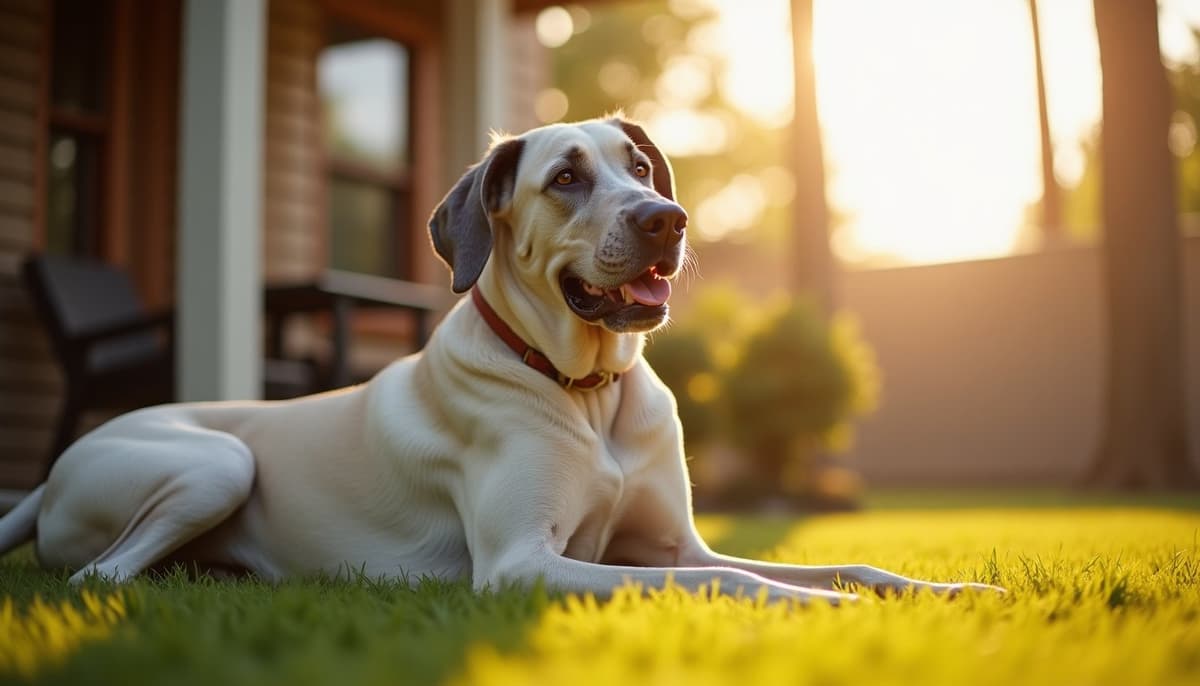
What Do I Need to Know About Luxating Patella in Dogs?
That small skip your dog does mid-walk, the one that resolves in three strides and never seems to hurt, is not the harmless quirk most owners assume it is. Every time the kneecap slides off its ridge and snaps back, it drags cartilage across bone that was never built to take that contact.
Our team works with owners of small-breed dogs navigating this exact diagnosis, and the pattern repeats relentlessly. The knee gets flagged early, monitored casually, then re-graded two levels worse by age six. What separates those two outcomes is almost never the surgeon. It is the eighteen months in between.
'What do I need to know about luxating patella in dogs?'
A luxating patella is a kneecap that slips out of the groove it should track in at the end of the femur. This luxating patella dogs complete guide grades the condition I through IV, from an occasional slip to a permanently dislocated joint. The first step is a hands-on orthopaedic exam with your veterinarian to confirm the grade.
The oversimplification worth killing straight away is that grade equals pain. It does not. Plenty of grade II dogs never yelp while quietly grinding down their trochlear ridge, and some grade I dogs visibly guard the limb. This luxating patella dogs complete guide covers how the joint mechanically fails, when conservative management is a legitimate plan rather than avoidance, what surgery actually corrects, and where supportive care realistically fits.
Luxating Patella Dogs Complete Guide: What Slips, and Why the Grade Rules Everything
The patella is a sesamoid bone embedded in the quadriceps tendon, and it should glide inside the trochlear groove, a channel between two bony ridges at the base of the femur. Luxation happens when the pulling line of the quadriceps mechanism no longer lines up with that groove. In small breeds the kneecap almost always slips medially, toward the inside of the leg. Larger breeds are more likely to luxate laterally, often alongside angular limb deformity.
That distinction matters because the root cause is usually skeletal, not soft tissue. A shallow trochlear groove, femoral varus (an inward bow of the thigh bone), or a tibial tuberosity sitting too far to the inside will all pull the patella off track. Breeds seen most often include the Pomeranian, Yorkshire Terrier, Chihuahua, Toy Poodle, Boston Terrier and French Bulldog, and the condition is frequently bilateral even when only one leg looks affected.
The four grades are the shorthand every vet uses. Grade I: the patella can be pushed out by hand and returns on its own, with rare lameness. Grade II: it luxates spontaneously and may stay out until the leg is extended, producing the classic skipping stride. Grade III: it sits luxated most of the time but can be manually replaced. Grade IV: it is permanently dislocated and cannot be reduced by hand, usually with a crouched, bow-legged stance and measurable bone deformity.
Grading is done by palpation, supported by radiographs to assess limb alignment, and CT imaging when corrective osteotomy is being considered. If you are still at the 'is this even a problem' stage, what are the first signs of luxating patella in dogs and how is luxating patella diagnosed in dogs go deeper, and is luxating patella in dogs painful tackles the question owners ask us most. In our experience, owners who can tell their vet how many times a week the skip happens get sharper decisions than those who simply report that it happens sometimes.
Conservative Management or Surgery: The Decision Most Owners Get Backwards
Surgery is indicated by clinical signs and joint damage, not by grade alone. A grade II dog that luxates dozens of times a day and has started offloading the limb is a stronger surgical candidate than a grade III dog with a stable gait and full muscle mass.
Conservative management is a real protocol, not a decision to do nothing. It has four working parts: bringing the dog to a body condition score of 4 or 5 on the 9-point scale, building quadriceps and gluteal mass through controlled strengthening such as hydrotherapy or underwater treadmill work, removing repeat high-impact loading (jumping off sofas, slick floors, unsupported stairs), and pain control prescribed by a veterinarian, commonly carprofen, meloxicam or grapiprant. Body weight is the highest-leverage variable available and the one owners consistently underrate.
Here is the mechanism most guides skip. Grade gets treated as a fixed label, but it is a snapshot of a moving process. The ridge holding the patella in place is bone and cartilage, and each luxation abrades it. A knee that luxates constantly is actively eroding the very structure that defines its grade, which is why the more useful clinical question is not what grade it is, but how many times a day it happens. Our team has watched that single reframing change how owners describe the problem to their vet, and change what the vet does next.
Surgical correction is reconstructive. Trochleoplasty, usually a block or wedge recession sulcoplasty, deepens the groove by lifting a section of cartilage and bone and resetting it lower. Tibial tuberosity transposition moves the attachment point of the patellar ligament so the quadriceps pulls in a straight line. Lateral imbrication tightens the joint capsule on the outside. Grade IV knees with marked femoral varus may also need a corrective distal femoral osteotomy. Recovery typically involves 8 to 12 weeks of strict activity restriction with staged rehabilitation, and reluxation is the most commonly reported complication.
One more risk deserves attention: dogs offload a painful stifle onto the opposite hind limb, and patellar luxation shows up alongside cranial cruciate ligament disease often enough that any sudden non-weight-bearing lameness warrants a same-week exam. For deeper comparisons, see can a dogs luxating patella heal without surgery, can luxating patella in dogs be reversed, how long does luxating patella take to heal in dogs and what makes luxating patella worse in dogs.
What Actually Supports a Luxating Knee Between Vet Visits
The daily environment does more for a luxating knee than any product on a shelf. Traction is the first fix: trim the hair between the paw pads, keep nails short, and run rugs or carpet runners across slick flooring to remove the slip-and-torque moments that force the patella sideways. Ramps off furniture and a front-clip harness instead of a neck collar cut the repetitive loading that drives the joint the wrong way.
Nutrition works at the inflammation and cartilage level rather than the alignment level. Omega-3 fatty acids (EPA and DHA) from marine sources, green-lipped mussel, and glucosamine with chondroitin sulfate are the most widely used joint-support ingredients in canine practice, and research suggests they may help support joint comfort and cartilage matrix maintenance. None of them deepen a trochlear groove.
The newer conversation is soft-tissue repair peptides. BPC-157 (body protection compound-157) is a synthetic pentadecapeptide based on a sequence identified in gastric juice, and TB-500 is a synthetic fragment of thymosin beta-4. Preclinical research, largely in rodent tendon, ligament and muscle injury models, suggests these compounds may influence angiogenesis (new blood vessel formation), fibroblast migration and actin regulation, which are the processes soft tissue relies on to remodel after strain. Neither is an FDA-approved veterinary drug, and neither is a substitute for surgical correction or for medication your vet has prescribed. Owners exploring this route often use canine-specific formulations such as K9-REPAIR, and the honest framing is a supportive option with early-stage evidence behind it.
Everything here is educational. Dosing, timing and whether any of it suits your dog is a conversation to have with your veterinarian, particularly if your dog is already on an NSAID, or is a puppy, pregnant or nursing. The owners who report the best results to us are almost always the ones who fixed the floors and the waistline before they bought anything. For product-level detail, see what to give a dog with luxating patella, what helps a dog with luxating patella and how to prevent luxating patella in dogs. If your dog has front-limb stiffness too, the elbow arthritis dogs complete guide covers that joint.
Luxating Patella Dogs Complete Guide: Treatment Path Comparison
Owners are generally choosing between four paths, and the real difference is what each one can physically change about the joint. Costs vary widely by region, grade and surgeon, so see how much does it cost to treat luxating patella in dogs and best treatment for luxating patella in dogs before budgeting.
| Approach | Grades It Suits Best | What It Realistically Involves | Bottom Line |
|---|---|---|---|
| Weight and rehabilitation-led conservative care | Grades I and II with mild, infrequent clinical signs | Reaching body condition score 4 to 5 of 9, controlled strengthening, hydrotherapy, traction surfaces, vet-prescribed pain control | Slows progression and reduces luxation frequency, but cannot change bone shape. The default first move for most low-grade dogs. |
| Surgical correction (trochleoplasty, tibial tuberosity transposition, imbrication) | Grades II to IV with lameness, muscle loss or joint damage | Reconstructive procedure under general anaesthetic, typically 8 to 12 weeks restricted activity and staged rehab, roughly one to several thousand dollars per knee depending on region | The only option that alters the anatomy causing luxation. Reluxation remains the most reported complication. |
| Nutritional and soft-tissue support (omega-3s, green-lipped mussel, BPC-157, TB-500) | Any grade, as an adjunct alongside the plan above | Daily supplementation or peptide protocol agreed with a vet, layered onto weight and load management | Supportive only, with evidence at the mechanism and preclinical stage. Not a replacement for surgery or prescribed medication. |
| Wait-and-see with no active plan | No grade, honestly | Monitoring the skip without changing weight, flooring, activity or muscle mass | The costliest path over five years. Ongoing luxation erodes the trochlear ridge and drives grade progression. |
Key Takeaways
- A luxating patella is a mechanical alignment problem in the quadriceps mechanism, not a soft-tissue injury that heals on its own.
- Grades run I to IV, from a kneecap that slips and self-corrects to one that is permanently dislocated and cannot be reduced by hand.
- Luxation frequency, not the grade number alone, predicts how quickly the trochlear ridge wears down.
- Getting a dog to a body condition score of 4 or 5 out of 9 is the single highest-leverage action an owner can take without a vet visit.
- Surgery typically requires 8 to 12 weeks of restricted activity and staged rehabilitation, with reluxation as the most commonly reported complication.
- Any luxating patella dogs complete guide that promises a non-surgical fix for a grade III or IV knee is selling something, because bone shape does not change without instruments.
What If: Luxating Patella Scenarios
What If My Dog Only Skips Once a Week and Never Cries?
Book a palpation exam anyway and get a documented baseline grade. Dogs mask stifle pain by shortening stride and shifting weight forward rather than vocalising, so absence of yelping is weak evidence of absence of discomfort. A recorded starting grade and a note of luxation frequency give your vet something to compare against in twelve months, which is the difference between spotting progression and discovering it.
What If My Vet Recommends Surgery but I Cannot Afford It Right Now?
Say so directly and ask for an interim load-reduction plan rather than going quiet. Weight normalisation, flooring traction, ramps, restricted jumping and a supervised strengthening programme reduce how often the joint luxates while you arrange finances. Ask about payment plans, referral centres with different fee structures, and whether the timeline is weeks or months. This luxating patella dogs complete guide will not pretend delay is free, but an unmanaged delay is far worse than a managed one.
What If My Dog Suddenly Stops Bearing Weight on a Back Leg?
Treat it as urgent and get an exam within days, not weeks. A sudden non-weight-bearing lameness in a dog with known patellar luxation can signal a cranial cruciate ligament rupture in the same or opposite limb, which is a different problem with a different surgical answer. Cage rest and a supplement will not resolve it, and continued loading on a partially torn ligament accelerates meniscal damage.
The Uncomfortable Truth About Luxating Patella in Dogs
Let us be direct about this: no supplement, peptide, brace, massage or exercise plan will put a kneecap back into a groove too shallow to hold it. Anyone in this luxating patella dogs complete guide category telling you otherwise is describing a wish. What conservative care genuinely does is reduce luxation frequency, protect the remaining cartilage, and keep the supporting musculature strong enough that the joint stays stable at the grade it is now. That is a worthwhile, achievable outcome. It is not the same thing as reversal, and confusing the two costs dogs years of comfortable movement.
A luxating patella dogs complete guide can hand you the grades, the surgical vocabulary and the rehab timelines, but the variable that decides how your dog's knee looks in five years is unglamorous: how many times a day that kneecap leaves its groove. Every skip is a small mechanical event with a cumulative cost, and the joint keeps a running total whether or not anyone is counting. Count them, cut them, and the whole trajectory bends. That is the part no radiograph shows you.
Frequently asked questions
- Do vets recommend BPC-157 for dogs?
- There is no formal veterinary consensus recommending BPC-157, and it is not an FDA-approved veterinary drug. Some integrative and rehabilitation-focused vets are open to discussing it as part of a wider recovery plan, while many are not, because published canine data is limited. Ask your own veterinarian before adding it.
- Does BPC-157 actually work for dogs?
- The honest answer is that the evidence is preclinical rather than conclusive. Most published BPC-157 research uses rodent models of tendon, ligament and muscle injury, where it appears to influence blood vessel formation and fibroblast activity. Owners report improvements in comfort and mobility, but owner reports are not controlled veterinary trials.
- Is BPC-157 worth the money for dogs?
- That depends entirely on what it is competing with in your budget. It is an emerging-science compound, not a replacement for weight management, rehabilitation or surgical correction, so buying it instead of those things is poor value. Owners who use it generally add it alongside a veterinary plan, not in place of one.
- What are the side effects of BPC-157 in dogs?
- Side effects in dogs are not well characterised, because no large veterinary safety database or FDA review exists for this compound. Issues reported by owners tend to be mild and injection-site or digestive in nature. Any dog already on prescription medication should be cleared by a veterinarian before anything new is introduced.
- Where do I buy BPC-157 for my dog?
- Buy only from suppliers that publish third-party purity and identity testing for every batch, because this is an unregulated category and label accuracy varies widely. Canine-specific formulations such as K9-REPAIR from pawgen are made for dogs rather than repackaged human research vials. Discuss the choice with your vet first.
- Can BPC-157 replace my dog's pain medication?
- No. BPC-157 is not a pain medication and should never replace a prescription your veterinarian has issued, such as an NSAID given for joint pain. Stopping prescribed medication without veterinary direction risks uncontrolled pain and inflammation. If you want to reduce medication, that decision belongs with your prescribing vet.
- What are the first signs of luxating patella in dogs?
- The most recognisable early sign is a brief skipping stride, where the dog hops on three legs for a few steps then returns to normal without any obvious pain reaction. Other early signs include stretching the hind leg backwards to reset the joint, reluctance to jump onto furniture, and intermittent hind-limb stiffness after rest.
- How much does luxating patella surgery cost for a dog?
- Costs vary widely by country, region, grade and whether a specialist orthopaedic surgeon or general practice performs the procedure. In many areas it typically runs into the low thousands per knee once imaging, anaesthesia, the procedure itself and follow-up rechecks are included. Ask for an itemised written estimate, and ask whether both knees are involved.
- Can a dog live with a luxating patella without surgery?
- Many dogs with grade I or grade II luxation live comfortably for years without surgery when weight, traction, activity and muscle mass are actively managed. Conservative care reduces how often the kneecap slips but does not change the underlying bone alignment. Higher grades with persistent lameness or muscle loss usually need surgical correction.
- Where should a luxating patella dogs complete guide start for a newly diagnosed dog?
- It should start with a confirmed grade from a hands-on veterinary orthopaedic exam, plus an honest count of how often the kneecap luxates each day. Those two data points drive every subsequent decision about weight targets, rehabilitation, pain control and whether surgery is warranted now or later.
- Does a luxating patella dogs complete guide apply to large-breed dogs too?
- Yes, though the presentation differs. Small breeds typically luxate medially, toward the inside of the leg, while large breeds are more likely to luxate laterally and to have associated angular limb deformity of the femur or tibia. Large-breed cases more often require CT imaging and corrective osteotomy alongside standard soft-tissue procedures.
Educational content. BPC-157 and TB-500 are not FDA-approved veterinary drugs. Talk to your veterinarian before starting anything new, especially if your dog is on prescribed medication.