What a diagnosis means, how it is confirmed, and the early signs owners miss — from hip dysplasia and IVDD to cruciate tears and arthritis.
 Sprained Leg in Dogs: The Complete Guide | K9-REPAIRThe most common mistake owners make with a limping dog isn't ignoring the injury. It's the opposite. Three comfortable days on anti-inflammatories get read as recovery, the dog goes back to stairs and fetch, and a mild ligament injury becomes a recurring one. Ligaments do not repair on the timeline…Read the guide →
 Soft Tissue Injury in Dogs: What Owners Need to KnowThe most common mistake owners make with a limping dog isn't ignoring it. It's rest for a day, then a walk, then rest again, then a walk. That stop-start pattern re-tears healing collagen fibres over and over, which is precisely why a strain that should have resolved in three weeks…Read the guide →
 Senior Dog Stiffness in Dogs — What Owners Must KnowA 14-year lifetime feeding study run by Purina and published in the Journal of the American Veterinary Medical Association (Kealy et al., 2002) followed 48 Labrador Retrievers from the same gene pool. The dogs fed 25% less food than their paired littermates had a median lifespan of 13.0 years versus…Read the guide →
 What Do I Need to Know About Sarcopenia in Dogs? | pawgenA dog can lose a meaningful share of his lean muscle without the scale moving a single pound. That is why the World Small Animal Veterinary Association (WSAVA) publishes a Muscle Condition Score chart separately from the familiar 9-point Body Condition Score. Fat occupies the space muscle vacates, body weight…Read the guide →
 Pressure Sores in Dogs — Signs, Causes and Care | pawgenThe first sign of a pressure sore in a dog is almost never a sore. It is a coin-sized patch of thinning hair over the point of the elbow, greyish and faintly leathery, and by the time it splits open the tissue underneath has often been failing for weeks.…Read the guide →
 Reduced Stamina in Dogs — Signs, Causes & Care | K9-REPAIRA dog that quits halfway through a walk he has done a thousand times is rarely telling you he is old. He is telling you that one of the systems that manufactures endurance, muscle, joint, heart, lung, red blood cell, or thyroid, has dropped below the workload you are asking…Read the guide →
 Panosteitis in Dogs — Signs, Recovery & Care | pawgenA limp that moves from the front left leg one week to the right hind the next looks like a run of bad luck. It usually is not. The Merck Veterinary Manual describes panosteitis as a self-limiting inflammatory disease of the long bones in young, fast-growing dogs, and that wandering…Read the guide →
 Partial CCL Tear in Dogs: What Owners Need to KnowA dog's cranial cruciate ligament rarely snaps the way a footballer's ACL does. In most dogs it degrades slowly, fibre by fibre, over months, which is why the American College of Veterinary Surgeons describes cranial cruciate ligament disease as a leading cause of hind limb lameness in dogs. The partial…Read the guide →
 Osteochondritis Dissecans Dogs Complete Guide | pawgenMost owners arrive at the clinic convinced the limp came from a bad landing at the park. In a fast-growing large-breed puppy, the more likely explanation is a section of joint cartilage that has been failing quietly for weeks, and the window where the problem is easiest to manage closes…Read the guide →
 Osteoarthritis in Dogs: The Complete Guide | pawgenThe first sign of osteoarthritis in dogs is almost never a limp. It is the dog who stops meeting you at the door, hesitates before jumping into the car, or climbs stairs one leg at a time. This osteoarthritis dogs complete guide opens there deliberately, because by the time visible…Read the guide →
 Nerve Damage in Dogs — What Every Owner Should KnowPeripheral nerves regenerate at roughly one millimetre per day. That single figure is the most useful thing an owner of a neurologically injured dog can hold onto, because it turns a vague prognosis into arithmetic. A nerve damaged near the hip has to rebuild several inches of axon before the…Read the guide →
 Neuter Recovery in Dogs: What Every Owner Should KnowMost owners brace for infection. In practice, the setback that sends dogs back to the clinic is almost always mechanical: a dog who felt terrific on day five, launched off the sofa or took the stairs at speed, and disrupted tissue that had not yet regained meaningful strength.…Read the guide →
 Luxating Patella in Dogs — Signs, Treatment | K9-REPAIRThat small skip your dog does mid-walk, the one that resolves in three strides and never seems to hurt, is not the harmless quirk most owners assume it is. Every time the kneecap slides off its ridge and snaps back, it drags cartilage across bone that was never built to…Read the guide →
 Muscle Tear in Dogs — Signs, Recovery, Care | pawgenThe most damaging mistake owners make with a torn muscle isn't choosing the wrong supplement. It's week three. The limp fades, the dog looks normal, the ball comes out of the cupboard, and the half-repaired tissue fails again at exactly the same fibre junction. Muscle rebuilds with scar collagen long…Read the guide →
 Muscle Atrophy in Dogs — What Every Owner Must KnowBy the time most owners notice muscle atrophy in dogs, the wasting has already been progressing for weeks. Dogs shift weight off a sore limb long before they visibly limp, and the loss is gradual enough that a familiar silhouette hides it. A tape measure catches it first. Your eyes…Read the guide →
 What Do I Need to Know About Meniscus Tear in Dogs?A torn meniscus in a dog is almost never a standalone injury. In most cases it is the second thing to fail inside the stifle joint (the canine knee), arriving after a cranial cruciate ligament rupture has already destabilised the joint. The cartilage does not tear because your dog jumped…Read the guide →
 What Do I Need to Know About Lumbosacral Stenosis in Dogs?Most dogs who end up with a lumbosacral stenosis diagnosis were first assumed to have hip dysplasia. The clinical picture overlaps almost perfectly: a middle-aged large breed who struggles to rise, refuses the car jump, and bunny-hops up stairs. The hips get radiographed. The spine, where the actual compression sits,…Read the guide →
 What do I need to know about lick granuloma in dogs?The raw, hairless plaque on your dog's wrist is rarely a behaviour problem that became a skin problem. Far more often it is a skin, pain or allergy problem that became a licking habit. Veterinary dermatologists call it acral lick dermatitis, and by the time the lesion is thick enough…Read the guide →
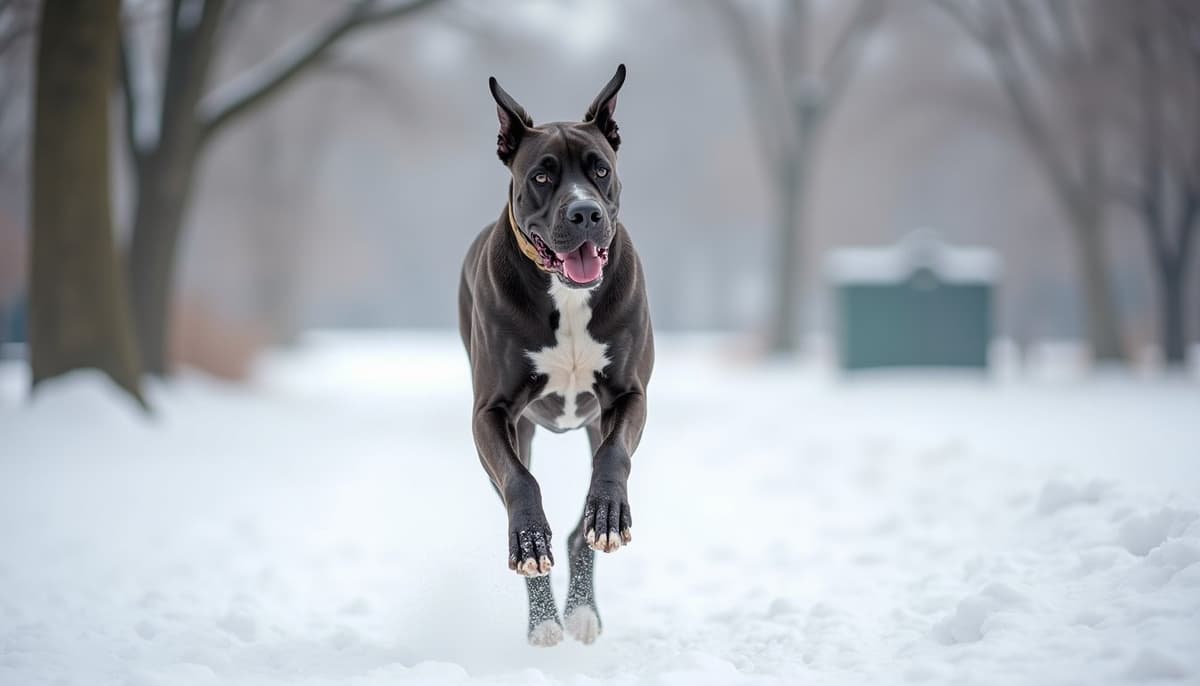 Joint Effusion in Dogs: What Owners Need to Know | pawgenJoint effusion is not a diagnosis. It is fluid, and fluid is evidence. Cranial cruciate ligament rupture is the most common orthopaedic cause of hind-limb lameness in dogs, and the warm, soft fullness an owner feels around the stifle is often its first physical sign.Read the guide →
 Leaky Gut in Dogs: What Owners Need to Know | pawgenThe itchy, gassy, half-interested-in-dinner dog that cycles through antihistamines and food swaps usually does not have a skin problem. The barrier separating a dog's gut contents from its bloodstream is a single cell thick, and when it loosens, the immune system begins reacting to food proteins and bacterial fragments it…Read the guide →
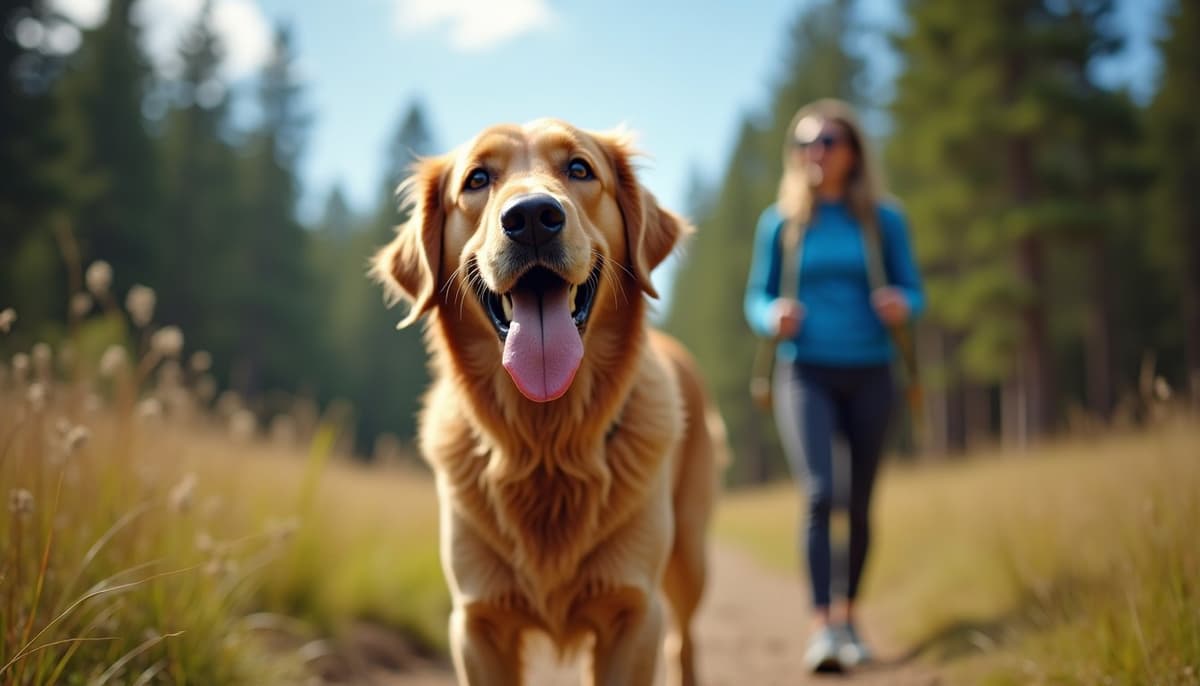 Iliopsoas Strain in Dogs — What Owners Must Know | pawgenThe most common mistake owners make with a sudden hind-limb limp isn't ignoring it. It's assuming the hip joint is at fault. The iliopsoas is a deep hip flexor buried against the lumbar spine, and when it strains it produces a limp that looks almost identical to hip dysplasia, cruciate…Read the guide →
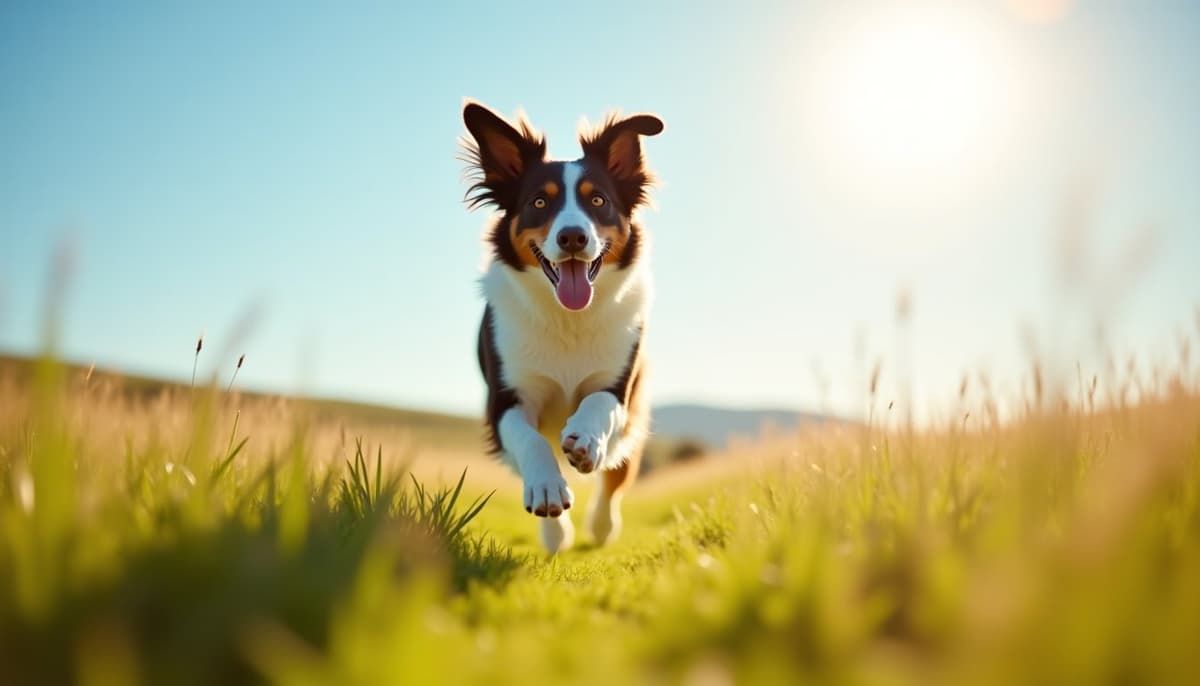 Inflammation in Dogs — Signs, Causes and Care | pawgenMost owners picture inflammation as something visible: a hot ear, a puffy paw, a joint that swells after a bad landing. The version that quietly retires a dog from stairs, car jumps and long walks is invisible for months, simmering inside joint capsules, tendon sheaths and gut lining long before…Read the guide →
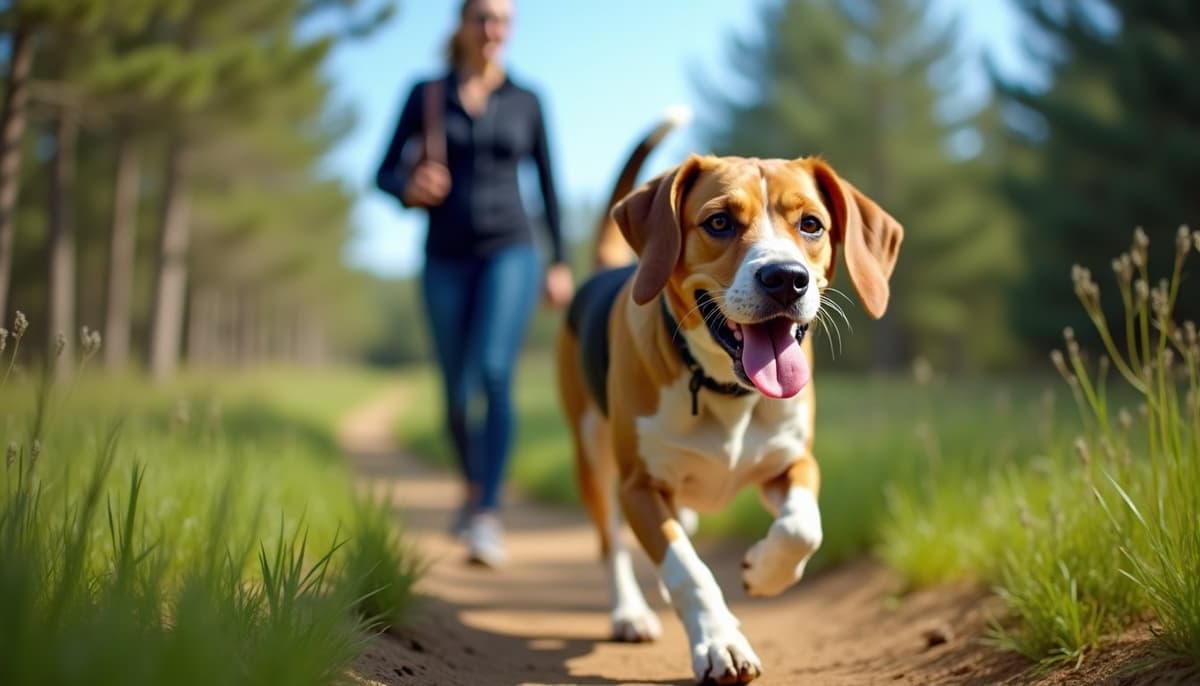 IVDD in Dogs — Signs, Treatment & Recovery | K9-REPAIRThe most dangerous moment in an IVDD case is rarely the day your dog screams on the stairs and refuses to move. It is day nine, when the pain has dulled, the anti-inflammatories are working, and the dog feels well enough to launch off the sofa. That single jump can…Read the guide →
 What Do I Need to Know About IBD in Dogs? | pawgenThe most expensive mistake owners make with IBD in dogs isn't choosing the wrong food. It's accepting the word 'IBD' over the phone without a tissue diagnosis, then spending months and considerable money treating a label rather than a defined disease process.…Read the guide →