Are Wirehaired Pointing Griffons Hypoallergenic?
Wirehaired Pointing Griffons are not hypoallergenic, because every dog makes the dander, saliva and urine proteins behind allergies in people. Griffons shed lightly, so heavy shedding is a reason to see your vet, who checks the skin, coat and body for the cause.
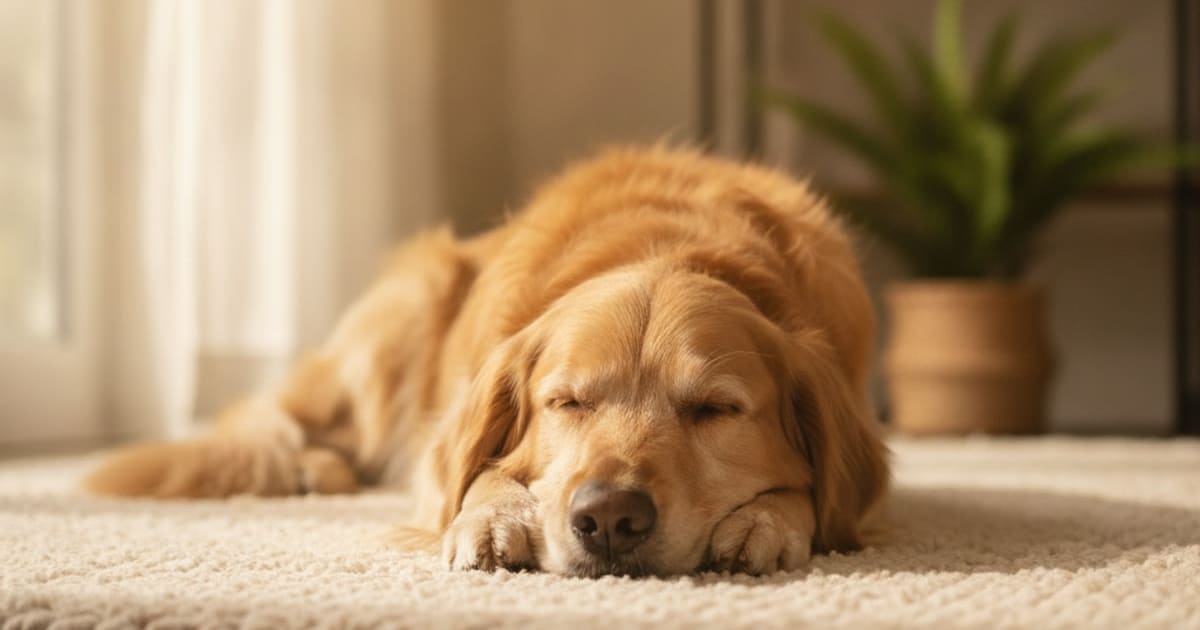
Wirehaired Pointing Griffons are not hypoallergenic, and heavy shedding in a griffon is a reason to see a vet. Go to an emergency vet now if the skin under the coat is raw or bleeding, the face or muzzle is swelling, or your dog has trouble breathing or collapses; otherwise book a same-day appointment. The plain answer to 'are Wirehaired Pointing Griffons hypoallergenic' is no, because no dog breed is truly free of the things that set off allergies in people. Those triggers are proteins in a dog's skin flakes, known as dander, and in saliva and urine, and every dog makes them, whatever its coat. Hair carries the proteins around a home, onto floors, bedding and furniture, so a dog that sheds less may leave less of them lying about, but it does not stop them. The griffon has a harsh, wiry outer coat over a soft, dense undercoat, and it sheds lightly, with loose hair that can stay caught in the coat. That is why a clear rise in shedding, thin patches or bare skin is a change for your vet to look at, both for your dog's skin and because more loose hair means more dander in a home where someone has allergies. If you or anyone you live with has allergies, talk to your doctor before a griffon joins the household, and talk to your vet about any change in your dog's coat.
When to go to the vet now
- Skin under the coat that is raw, open or bleeding
- Swelling of the face, muzzle, lips or the area around the eyes
- Hives or welts spreading over the body
- Trouble breathing, or fast, noisy breathing at rest
- Weakness, collapse or a dog that cannot stand
What can cause heavy shedding
Heavy shedding in a Wirehaired Pointing Griffon can start in the skin, in the coat itself or somewhere else in the body, and your vet checks each of these. The possibilities below overlap, and several can look alike until a vet tests for them, so none of them is something to settle at home. Each one is a reason the vet examines the whole dog and not only the coat.
One possibility is an allergy in the dog. This is a separate thing from the allergies a person has to dogs, and the two are easy to mix up. A griffon can react to pollen, dust mites or moulds in the air, to something in its food, or to flea bites. The itch that follows can lead to licking, chewing, rubbing and scratching, which break hairs and thin the coat. Allergic skin in a dog can come with redness, sore ears and chewed paws as well as hair loss. Your vet works out whether allergy is part of the picture and which kind it may be, because each kind is handled in a different way.
Parasites are another possibility your vet looks for. Fleas can cause intense itching even when you have not seen one on your dog. Mites that burrow into the skin, such as those behind sarcoptic mange, can cause hair loss and a fierce itch, and they can also cause an itchy rash in people who handle the dog. The mites behind demodectic mange live in the hair follicles and can cause patchy thinning of the coat. Lice and ticks are possibilities too, and ticks picked up in fields and woodland can carry infections of their own that affect the whole body.
Infection in the skin can also make hair fall out. Bacteria can infect the hair follicles and the skin around them. Yeast can grow on skin that stays warm and damp under a thick coat. Ringworm, which is a fungus and not a worm, can cause patches of hair loss and can pass from dogs to people. Hot spots, which are areas of sudden skin infection and inflammation, can form fast under a dense coat, and a griffon that swims or works in wet cover may come home with skin that stays damp under the undercoat for a long time.
The griffon was bred as a versatile hunting dog that points, retrieves and works in water, and that work brings the coat and skin into contact with grass seeds, burrs, brambles, plant sap, mud and standing water. Grass seeds can work their way into the skin between the toes, inside the ears or under the coat, and some plants can irritate the thin skin on the belly and inner legs. Cuts and scrapes from heavy cover can become infected under the coat before they are easy to see. None of this changes the allergy answer for people: a griffon kept for hunting is no more hypoallergenic than one kept as a companion, because the coat and the dander are the same.
The same answer applies to a name that mixes two breeds. The Wirehaired Pointing Griffon and the German Wirehaired Pointer are separate wire-coated hunting breeds, and neither is hypoallergenic, so a dog called a German Wirehaired Pointing Griffon is not a hypoallergenic dog by either name. Both breeds make dander, saliva and urine proteins, and both can lose more hair when something is wrong with the skin or the body.
Problems inside the body can show up first in the coat. An underactive thyroid gland or an overactive adrenal gland can change how hair grows and how it is shed, and these hormone problems can come with other changes in weight, energy, drinking or the skin. A wave of coat loss can also follow a litter of puppies, a fever, an illness, surgery or a stressful event, because the body can push a large number of hairs into their resting stage at the same time. Your vet checks for these causes with an exam and blood tests.
Diet is one more possibility. The skin and coat need the right balance of protein, fats, vitamins and minerals, and a diet that falls short, or a recent switch from one food to another, can show in the coat. Your vet can tell you how your dog's diet fits with its skin and coat, and sets any change.
Some skin diseases come from the immune system attacking the skin itself or the glands that oil the hair, and some of these can only be found with a small skin sample. A change in the coat with the time of year, as the undercoat loosens and is replaced, is another possibility, but it is one your vet considers only after checking the skin and ruling out the causes above. It is not a reason to skip the visit.
Whatever the cause, heavier shedding puts more hair and more dander into the home. For anyone who lives with your griffon and has allergies, that can mean more sneezing, itching or wheezing, and that is a matter for their doctor. Finding the reason your dog is shedding more is a matter for your vet. You can read about other skin and coat problems in our conditions library.
What your vet may do
Your vet starts with questions and a full look at your dog. Expect to be asked when the extra shedding began, whether it came on at once or built up, what your dog eats, what flea and tick protection it has had, where it has been working or swimming, whether other pets in the home are itching, and whether anyone at home has a rash. Your answers help the vet decide which tests come first.
The exam covers the whole coat and the skin under it, not only the patches you noticed. Your vet parts the wiry outer coat and the undercoat to see the skin, checks the ears, the paws and the skin between the toes, feels the lymph nodes, takes your dog's temperature and weighs your dog. A griffon's dense coat can hide redness, scabs, grass seeds and parasites, so this part takes time, and some dogs need light sedation for a proper look at a sore area.
Several quick tests use the coat and skin themselves. Your vet may pluck a few hairs and look at them under a microscope to see whether they were broken off by licking and chewing or fell out from the root, and to look for mites or fungal spores. A flea comb run through the coat can turn up fleas or flea dirt. A skin scraping can find mites that live in or on the skin. A strip of clear tape or a swab pressed on the skin can be stained and examined for yeast and bacteria.
When ringworm is a possibility, your vet may shine a special lamp on the coat and send hairs away for a fungal culture. When a skin infection needs a closer look, a bacterial culture can show which germs are present and which medicines they respond to.
Blood and urine tests look at the rest of the body. A blood count and a chemistry panel give a picture of overall health, and a thyroid test checks for an underactive thyroid gland. If an adrenal problem is possible, your vet may arrange further hormone tests.
If allergy in the dog is part of the picture, your vet may set up a food trial using a diet your vet chooses, and will explain exactly how to run it and for how long. Allergy testing on the skin or through a blood sample can help find what your dog reacts to in the environment. Some dogs are referred to a vet who works only with skin problems.
When the cause is still unclear, a skin biopsy may help. A small piece of skin is taken under local numbing or sedation and sent to a laboratory, where it can show immune skin diseases and other problems that surface tests miss.
Treatment depends on what the vet finds. It can include parasite control your vet chooses, a medicine your vet prescribes for infection, itch or a hormone problem, a change of diet, or a plan for managing an allergy over time. Your vet will tell you what to do at home and when to come back. Call your vet again if the shedding changes, if bare patches spread, or if you notice bleeding, swelling, scratching that breaks the skin or weakness.
Your vet looks after your dog, not your own allergies. If you sneeze, itch, wheeze or get a rash around your griffon, talk to your doctor. If anyone at home has an itchy rash or patches of skin trouble, tell your doctor and your vet, because mites and ringworm can pass between dogs and people, and the people and the dog can then be treated together. For signs that need a vet straight away, read our guide to dog emergency signs.
What to tell your vet
- When you first noticed the heavy shedding, and whether it came on suddenly
- Any change since then, such as thin or bare patches, redness, scabs or flakes
- Any bleeding or raw skin, and where it is on the body
- Licking, chewing, scratching or rubbing, and which parts of the body
- Other signs, such as changes in weight, energy, appetite, drinking or the ears
- Recent field work, swimming, ticks, a new food or a new flea treatment
- Anyone at home with an itchy rash or allergy symptoms
Frequently asked questions
- Is heavy shedding an emergency in dogs?
- Heavy shedding is an emergency when the skin under the coat is raw or bleeding, the face or muzzle is swelling, or your dog has trouble breathing, is weak or collapses. Go to an emergency vet now for any of those. For heavy shedding without those signs, book a same-day appointment with your vet.
- What should I do if my dog has heavy shedding?
- Call your vet today and book a same-day appointment. Note when you first saw the extra hair, any thin or bare patches, any licking or scratching, and any other change in your dog, and tell your vet. Do not bathe, brush or put anything on the coat before the visit, so the skin can be checked as it is.
- Can I treat heavy shedding at home?
- No, because a vet needs to find the cause first. Do not put anything on the skin or coat and do not remove anything from it before the vet sees your dog. If a spot is bleeding, hold gentle pressure with a clean cloth on the way to the vet only.
- Are Wirehaired Pointing Griffons hypoallergenic?
- No, Wirehaired Pointing Griffons are not hypoallergenic, because the proteins that cause allergies in people come from dander, saliva and urine, and every dog makes them. The griffon's wiry coat sheds lightly, which may leave less hair around the home, but it does not remove those proteins. Talk to your doctor about your own allergies.
- Do Wirehaired Pointing Griffons shed?
- Yes, Wirehaired Pointing Griffons shed, because every dog with hair loses and replaces it. The griffon's harsh outer coat and soft undercoat shed lightly, and loose hair can stay caught in the coat. A clear rise in shedding, thin patches or bare skin is a reason to book a same-day appointment with your vet.
- Are Wirehaired Pointing Griffons good for people with allergies?
- A Wirehaired Pointing Griffon is not an allergy-friendly choice, because no breed is free of the dander, saliva and urine proteins that set allergies off. A light-shedding coat may mean less loose hair, but reactions can still happen. Talk to your doctor before a griffon joins a home where someone has allergies.
- Are German Wirehaired Pointing Griffons hypoallergenic?
- No, because neither breed this name points to is hypoallergenic. The Wirehaired Pointing Griffon and the German Wirehaired Pointer are two separate wire-coated hunting breeds, and both make the dander, saliva and urine proteins that cause allergies in people. Talk to your doctor before either breed joins a home with allergies.
- Is any dog breed truly hypoallergenic?
- No, because every dog makes the proteins in dander, saliva and urine that cause allergies in people. Hypoallergenic is a label, not a promise: a coat that sheds less may spread less hair, but it does not stop those proteins. If you have allergies, talk to your doctor before bringing any dog home.
- Is a Wirehaired Pointing Griffon kept for hunting any more hypoallergenic?
- No, because a griffon kept for hunting has the same coat and makes the same dander, saliva and urine proteins as one kept at home. Field and water work can bring seeds, burrs, ticks and skin irritation, so book a same-day appointment with your vet for any heavy shedding after time in the field.
- Can my griffon's own allergies cause heavy shedding?
- Yes, an allergy in the dog to pollen, dust mites, moulds, food or flea bites can lead to itching, licking and scratching that break and thin the coat. That is a separate matter from your allergies to the dog. Book a same-day appointment so your vet can check the skin and look for the cause.
- Can a griffon pass a skin problem to people in my home?
- Yes, some skin problems in dogs, such as sarcoptic mange mites and ringworm, can pass to people and cause an itchy rash or skin patches. Tell your vet if anyone at home has a rash, and see your doctor about it. Book a same-day appointment for your griffon so the vet can test the skin.
Educational content, not veterinary advice. Ask your vet about your dog.