Can Dogs Eat Apricot Seeds? (Cyanide Risk Explained)
No, dogs should not eat apricot seeds. The seed inside an apricot pit contains amygdalin, a compound that can release cyanide when chewed and digested, and the hard pit itself can choke a dog or block the gut. If your dog swallowed one, call your veterinarian now.
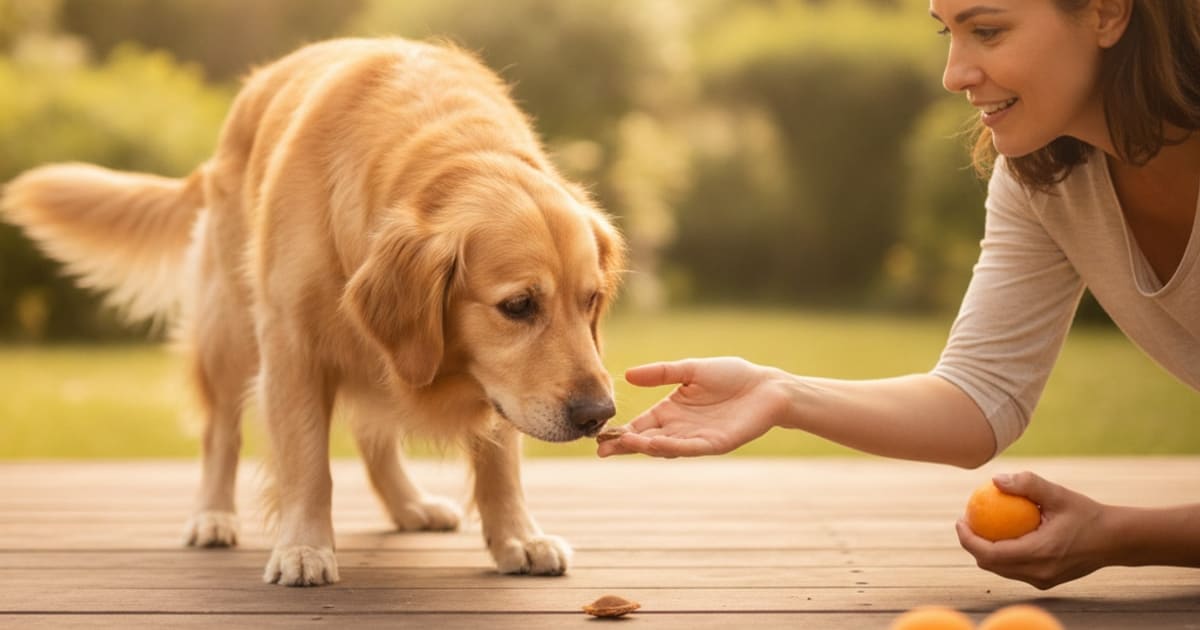
If your dog ate an apricot pit, stone or kernel, or chewed one open, call your vet or a pet poison line now. No, dogs should not eat apricot seeds, and this is a situation where a phone call comes before anything you read online: the seed inside the pit contains amygdalin, a plant compound that can release cyanide in the body, and the woody pit itself can choke a dog or lodge somewhere in the digestive tract. Animal poison control services such as the ASPCA Animal Poison Control Center and the Pet Poison Helpline take calls around the clock, and your own clinic or the nearest emergency hospital can tell you whether your dog needs to be seen immediately.
Two details will shape that conversation: whether the pit was swallowed whole or crushed between the teeth, and how big your dog is. A pit that goes down intact behaves mainly as a foreign object. A pit that gets cracked open exposes the kernel inside, and that is where the chemical hazard sits.
Any time a dog bites into, cracks or swallows an apricot kernel, treat it as time sensitive and let a veterinary professional decide what happens next.
The words people use: pits, stones, pips, kernels and seeds
Searches about this hazard use half a dozen different words for the same two objects, which makes the advice online confusing. The hard shell at the centre of the fruit is the pit, the stone or the pip. Crack that shell and you find a soft, almond-shaped object inside: that is the kernel, also called the seed. When people ask whether dogs can eat apricot pits, apricot stones or apricot pips, the answer is no, for mechanical reasons. When they ask about kernels or seeds, the answer is also no, for chemical reasons as well as mechanical ones.
| Term | What it means | Main concern |
|---|---|---|
| Pit or stone | The hard, woody shell at the centre of the fruit | Choking, airway blockage, intestinal obstruction, cracked teeth |
| Pip | A casual word for the same stone | Same hazards as the pit |
| Kernel or seed | The soft seed held inside the shell | Contains amygdalin, which can release cyanide once chewed and digested |
| Bitter apricot kernel | Seed from bitter apricot varieties, sold as a health food for people | Carries the strongest amygdalin association of any stone-fruit seed |
| Apricot kernel oil | Pressed oil used in cosmetics and cooking | Processing changes the picture, but sourcing and fat load still warrant a vet conversation |
| Apricot flesh | The orange fruit surrounding the stone | Not considered toxic, though sugar and fibre can upset a dog's gut |
Why the kernel is a chemical hazard
Amygdalin is what plant scientists call a cyanogenic glycoside. In an intact seed it sits quietly, separated from the enzymes that can break it apart. Crushing, chewing or grinding the seed brings the two together, and digestion in the gut continues the job. The end product of that reaction is hydrogen cyanide.
Cyanide causes harm in a very specific way. It binds to an enzyme inside the mitochondria of cells, the part of the cell that uses oxygen to make energy. Blood can be carrying plenty of oxygen while the cells themselves are unable to use it. That mismatch explains the pattern a veterinarian looks for: an animal breathing hard and fast, gums that can look strikingly bright red rather than pale or blue, and a dog that looks distressed out of proportion to anything visible on the outside. The brain and heart are the first tissues to feel an energy shortage, which is why wobbliness, tremors, collapse and seizures can follow.
How quickly any of this shows up depends on how thoroughly the kernel was crushed, how much seed material reached the gut, what else was in the stomach, and the size of the dog. A small dog that cracks a kernel is dealing with a far greater exposure relative to body weight than a large one. Results vary from dog to dog, which is exactly why this is a phone call and not a judgement you make from a web page.
One more point worth knowing: apricot leaves, twigs and wilted branches from the tree contain cyanogenic compounds too. If your dog chews on fallen branches under a stone-fruit tree, that belongs in the conversation with your vet as well.
Bitter kernels, raw kernels and bitter raw apricot seeds
Bitter apricot kernels are the version sold in health-food shops and online, marketed under names like laetrile or vitamin B17. They are bitter precisely because of their amygdalin content, and food safety regulators in several countries have issued public warnings to people about eating them. Nothing about that warning becomes safer when the eater is a dog.
So can dogs eat bitter apricot seeds, bitter apricot kernels, or bitter raw apricot seeds? No. There is no amount that is considered appropriate to offer a dog, and no preparation method at home that makes a bitter kernel a suitable snack. If you keep a bag of them in the house, store it where no dog, and no child who might share with a dog, can reach it.
Can dogs eat apricot kernels raw, or raw apricot seeds of any kind? Again, no. Raw is the worst-case form, because the enzyme systems that liberate cyanide are intact and the seed has not been heat treated in any way. Sweet apricot varieties have less amygdalin than bitter ones, but a seed sitting in your kitchen is rarely labelled by variety, and you have no way to know which one your dog found. Treat every apricot kernel as a seed to keep away from your dog, and talk to your vet if one has already been eaten.
Can dogs have apricot kernel oil?
Apricot kernel oil is a different product from the kernel itself. Cosmetic and culinary grades are pressed and refined, and refining is intended to remove the water-soluble compounds that cause the concern in whole seeds. That makes a refined oil a far cry from a raw bitter kernel, but it does not make it something to start adding to your dog's bowl on your own initiative.
There are three reasons for caution. Sourcing and processing differ between products, and cold-pressed or unrefined oils marketed to people are not held to veterinary standards. Any added oil increases the fat load of a meal, which matters a great deal for dogs with a history of pancreatitis or sensitive digestion. And topical products containing the oil may also contain fragrances or preservatives that a dog will promptly lick off. If you want to use an apricot kernel oil on or around your dog, talk to your vet about that specific product first, and bring the label with you.
Can dogs eat apricots without the pit?
The flesh of a ripe apricot is not considered toxic to dogs. When owners ask whether dogs can eat apricots without the pit, the honest answer is that the fruit itself is not the problem: the stone is. Many dogs handle a little plain, ripe, pitted apricot flesh without any trouble at all.
That is not the same as saying it is a good idea for every dog. Stone fruit carries natural sugar and fibre, and a gut that is not used to it can respond with loose stools, gas or vomiting. Dried apricots concentrate that sugar and may be treated with sulphur-based preservatives. Canned apricots sit in syrup. Dogs living with diabetes, pancreatitis, obesity or a sensitive stomach are the ones who should not be offered fruit without checking first. Your veterinarian knows your dog's history and can tell you whether fruit belongs in the picture at all.
If you do prepare apricots at home, the safest habit is to remove and bin the stone before the fruit ever reaches counter height. A pit left on a plate or in an open compost caddy is a target.
Warning signs that mean emergency care
You should not be waiting for signs before you ring a vet, but knowing them helps you describe what you are seeing. Call immediately if your dog shows:
- Heavy drooling, retching or vomiting
- Rapid or laboured breathing, or obvious air hunger
- Gums that look unusually bright red, or very pale
- Dilated pupils, anxiety or a glazed, unfocused look
- Wobbliness, weakness, muscle tremors or collapse
- Seizures
- A painful, tense abdomen, repeated unproductive gagging, loss of appetite or no stool passing, which can point to a lodged pit rather than a chemical problem
Obstruction signs can take a day or more to appear, so a dog who seemed fine in the evening can be unwell the next morning. Dental fracture is another quiet consequence: a strong chewer who bites down on a stone can crack a tooth without any drama at the time, and the pain shows up later as reluctance to chew on one side.
What happens once a vet is involved
Your veterinary team will want to know what was eaten, when, whether the pit was crushed, and your dog's weight and health history. From there, decisions are clinical. Decontamination, when it is appropriate, is performed under supervision because doing it at the wrong moment or in the wrong dog causes its own harm. Imaging may be used to look for a stone sitting in the stomach or intestine. Supportive care can include oxygen, intravenous fluids and close monitoring of heart rhythm and breathing, and specific hospital treatments exist for cyanide exposure. A pit that will not pass may need endoscopic retrieval or surgery.
None of that is something to attempt or approximate at home, and nothing here replaces a conversation with the person who can actually examine your dog.
Key takeaways
- Dogs should not eat apricot seeds, kernels, pits, stones or pips, in any form, raw or otherwise.
- The kernel inside the pit contains amygdalin, which can release cyanide once the seed is crushed and digested.
- Bitter apricot kernels carry the strongest amygdalin association and are not suitable for dogs.
- The pit is also a physical hazard: choking, intestinal obstruction and cracked teeth.
- Plain, ripe, pitted apricot flesh is not considered toxic, but sugar, fibre, dried fruit preservatives and syrup all warrant a check with your vet first.
- Apricot kernel oil is a processed product rather than a raw seed, but sourcing and fat content still mean you should ask your vet before using it.
- Do not wait for signs. If a pit was swallowed or cracked open, call your veterinarian or an animal poison control service straight away.
Your veterinarian owns the diagnosis and the plan here, and an animal poison control service exists precisely so that you never have to guess at the maths of a toxin exposure on your own. Keep the fruit bowl, the compost caddy and the ground beneath any stone-fruit tree out of reach, and keep your clinic's number and an emergency hospital address somewhere you can find them without searching.
For a broader look at the symptoms that justify an urgent trip to the clinic, see Dog Emergency Signs.
Frequently asked questions
- Can dogs eat apricots seeds?
- No. Apricot seeds contain amygdalin, a compound that can release cyanide once the seed is chewed and digested, and the hard pit around it can choke a dog or block the intestine. If your dog has eaten one, call your veterinarian or an animal poison control service immediately.
- Can dogs eat apricots without the pit?
- Plain, ripe apricot flesh with the pit removed is not considered toxic to dogs. The stone is the hazard, not the fruit. Sugar and fibre can still upset some stomachs, and dogs with diabetes, pancreatitis or weight concerns should not be offered fruit without asking your veterinarian first.
- Can dogs eat bitter apricot seeds?
- No. Bitter apricot seeds carry the strongest amygdalin association of the stone-fruit seeds, which is exactly why they taste bitter. Food safety regulators in several countries have warned people about eating them. Keep them well out of reach, and contact your vet right away if your dog gets into a bag.
- Can dogs eat bitter apricot kernels?
- No. Bitter apricot kernels, sold to people under names like laetrile or vitamin B17, are not suitable for dogs in any form. Crushing or chewing the kernel is what allows cyanide to be released during digestion. If your dog has eaten one, treat it as urgent and phone your vet.
- Can dogs eat apricot kernels raw?
- No. Raw is the most concerning form, because the seed's enzyme systems are intact and nothing has been heat treated. You also cannot tell from a loose kernel whether it came from a sweet or bitter variety. Keep raw kernels away from dogs and talk to your vet if one is eaten.
- Can dogs have apricot kernel oil?
- Refined apricot kernel oil is a processed product, not a raw seed, so it is a different question from eating kernels. Even so, sourcing varies, added oil raises the fat load of a meal, and topical products get licked off. Ask your veterinarian about the specific product before using it.
- Can dogs eat apricot pits or stones?
- No. An apricot pit or stone is a choking and obstruction hazard, and strong chewers can crack a tooth on one. If the shell breaks open, the kernel inside adds a chemical risk. A swallowed pit warrants a call to your veterinary clinic even if your dog seems perfectly fine.
- Can dogs eat apricot pips?
- No. Pip is simply another word for the apricot stone, so the same hazards apply: blockage, choking, dental fracture, and exposure to the amygdalin-containing kernel if the shell is cracked. Remove and bin pips before fruit reaches counter height, and secure your compost bin.
- What should I do if my dog swallowed an apricot seed?
- Call your veterinarian or an animal poison control service straight away and tell them your dog's weight, when it happened, and whether the pit was crushed or swallowed whole. Do not attempt anything at home. Results vary from dog to dog, so let a professional decide what care is needed.
Educational content, not veterinary advice. Ask your vet about your dog.