Can Dogs Eat Sun-Dried Tomatoes? Salt, Oil and Garlic
Usually not. Plain sun-dried tomato made from ripe fruit is not toxic to dogs, but nearly every jarred or deli version is heavily salted, packed in oil and seasoned with garlic or onion. Those additions, not the tomato, are what send dogs to the vet.
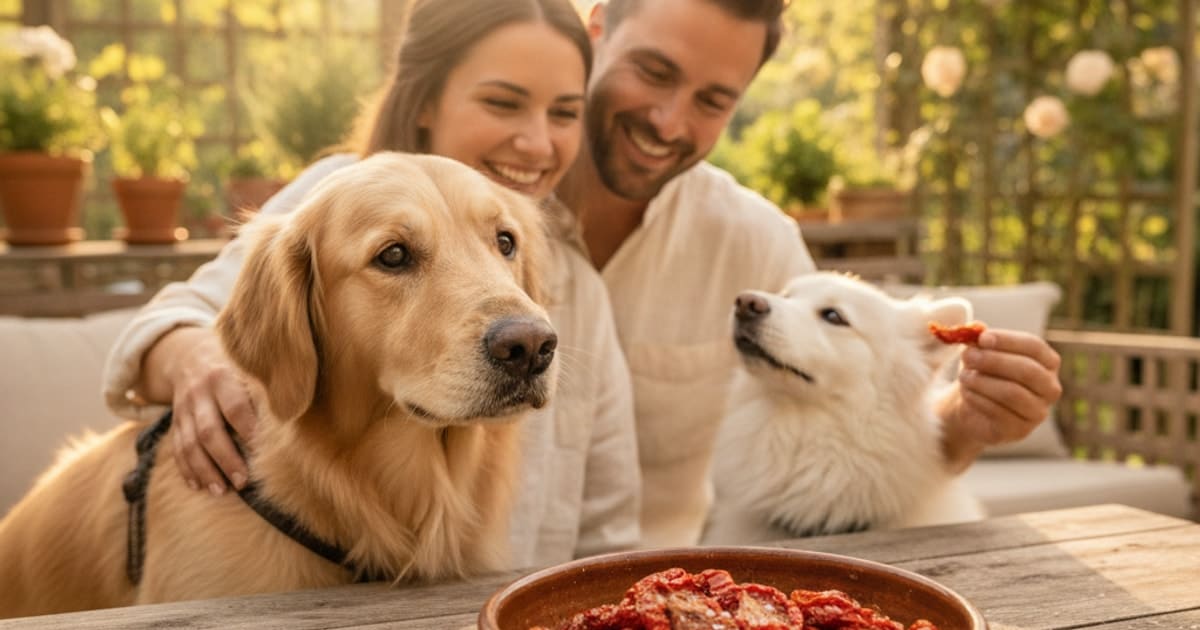
Usually not, and the reason has almost nothing to do with the tomato. If your dog has just eaten sun-dried tomatoes out of a jar or a deli container, call your veterinarian or an animal poison control service such as the ASPCA Animal Poison Control Center or the Pet Poison Helpline, and read them the ingredient list, because garlic, onion and concentrated salt matter far more than the fruit does. Plain sun-dried tomato, made from ripe tomato flesh with nothing else added, is not toxic to dogs. The version almost everyone actually has in the cupboard is a different food: salted, frequently packed in oil, seasoned with alliums and herbs, and concentrated by the loss of most of its water.
Go straight to an emergency vet, instead of waiting to see what happens, if your dog is vomiting and it will not settle, if the belly looks swollen or feels painful when touched, if the gums look pale, white or muddy, or if a large piece went down whole and your dog is retching, drooling or unable to keep water down.
Drying concentrates everything the tomato already contained
A sun-dried tomato starts as a ripe tomato and ends up with most of its water removed. Everything that was dissolved in that water stays behind in a much smaller package: natural sugars, acids, potassium, and whatever was added during processing. By weight, sun-dried tomato is a far denser food than the fresh fruit it came from, which is the whole reason it tastes so intense to us and the whole reason it lands differently in a dog.
The part owners usually worry about first is tomatine, the glycoalkaloid found in the tomato plant. That compound sits in the green parts of the plant: the leaves, the stems, the vines and unripe green fruit. Dogs who chew on tomato plants in the garden can get a sore stomach from it, and a dog who raids a vegetable patch is worth a call to the vet. Sun-dried tomatoes, though, are made from ripe red fruit, so the plant alkaloid is not the headline concern here.
There is one more thing on some labels. Dried fruit, including tomato, is often treated with sulphur dioxide or a sulphite preservative to hold its colour. Some dogs with touchy digestive systems do not handle sulphited dried foods well, and it is worth mentioning to your vet if your dog has a history of stomach upsets.
Salt, oil and garlic are where the real trouble sits
If the label lists garlic or onion in any form, that is the detail to lead with when you call your vet, not the tomato.
Salt. Sun-dried tomatoes are cured with salt, and drying concentrates it further. A dog who eats salted dried tomato may become very thirsty, urinate more, and vomit or pass loose stool. Larger intakes can push sodium high enough to cause a serious problem, with wobbliness, tremors, disorientation or seizures. That is a veterinary emergency and not something to manage at home. Dogs with heart or kidney conditions, or any dog on a sodium-restricted diet prescribed by a vet, should not be eating salted dried foods at all.
Oil. Oil-packed sun-dried tomatoes are sitting in fat, and a dog who gets into the jar swallows oil along with the fruit. A sudden load of rich, fatty food is a recognised trigger for pancreatitis in dogs. Signs include repeated vomiting, diarrhoea, loss of appetite, a hunched or praying posture, restlessness and obvious abdominal pain. Some dogs are more prone than others, including those who have had a bout before. Pancreatitis needs veterinary care, sometimes hospitalisation, and it does not reliably resolve on its own.
Garlic and onion. This is the one that turns a kitchen mishap into a genuine toxicity question. Garlic, onion, shallot, leek and chive all belong to the Allium family, and the compounds they contain cause oxidative damage to canine red blood cells. That damage can lead to anaemia. Dried and powdered forms are more concentrated than the fresh bulb, and marinated sun-dried tomatoes very often contain garlic, onion powder or both. Signs can be slow to appear, sometimes over several days: tiredness, weakness, pale gums, reluctance to move, fast breathing, or urine that looks dark or red-tinged. Because of that delay, a dog who ate allium-seasoned food and looks completely fine still warrants a phone call.
Chilli flakes, black pepper, capers and whole olives with pits can also turn up in the same jar or antipasto platter, and each brings its own problem, from stomach irritation to a swallowed pit.
Dried tomatoes in other forms, and what to check on the label
The question of whether dogs can eat dried tomatoes covers more than the jar of oil-packed halves. Dehydrated tomato flakes and tomato powder appear in seasoning blends, pasta sprinkles, crisps and instant soup bases, and those blends are usually built on salt and allium powders. Tomato powder also appears in small quantities as a flavouring in some commercial dog foods and treats, where it is included as an ingredient formulated for dogs rather than a human condiment, and that is a completely different situation from a human seasoning mix.
Semi-dried or sun-blushed tomatoes are the softer, oilier cousin of the fully dried version. They are typically marinated, so treat them the same way. Dry-packed sun-dried tomatoes sold loose in bags may be unsalted or lightly salted, and the ingredient panel is the only reliable way to know.
When you look at a label, you are scanning for four things: salt or sea salt, oil, anything in the Allium family including garlic and onion powder, and a sulphite preservative. If garlic or onion is there in any form, the product is simply not dog food.
Cooked sun-dried tomatoes and the dishes they hide inside
Cooking changes nothing that matters. Heat does not remove salt, it does not remove oil, and it does not deactivate the compounds in garlic and onion. Cooked sun-dried tomato in a pasta bake, a risotto, a frittata or a stuffed chicken breast carries the same concerns as the raw ingredient, usually alongside cream, cheese, butter or stock that add their own fat and sodium.
Sun-dried tomato pesto and tapenade deserve a specific mention, because they concentrate several problems at once: garlic as a core ingredient, a large volume of oil, hard cheese, salt, and sometimes nuts. Sun-dried tomato focaccia, pizza and savoury bread combine the seasoning with dough. If the dough is raw and still rising, that is a separate and urgent hazard, because raw yeast dough can expand in the stomach and produce alcohol, and it needs an immediate vet call.
If you want tomato flavour in a dog's bowl at all, the only version worth considering is plain ripe tomato flesh with nothing on it, and that is a conversation to have with your vet first, particularly for dogs with a sensitive stomach or an existing health condition.
How sun-dried tomatoes compare with other tomato forms
| Form | What is usually in it | Main concern for dogs |
|---|---|---|
| Ripe fresh tomato flesh | Water, sugars, acid | Mild stomach upset in sensitive dogs |
| Green or unripe tomato, leaves, stems, vines | Tomatine and related plant alkaloids | Drooling, vomiting, lethargy; call your vet |
| Dry-packed sun-dried tomato, unsalted | Concentrated tomato only | Concentrated acid and sugars; chewy texture |
| Salted dry-packed sun-dried tomato | Tomato plus curing salt | Sodium load, thirst, vomiting |
| Oil-packed sun-dried tomato | Tomato, salt, oil, herbs | Fat load and pancreatitis risk |
| Marinated or seasoned sun-dried tomato | Garlic, onion powder, salt, oil | Allium toxicity and red blood cell damage |
| Sun-dried tomato pesto or tapenade | Garlic, oil, cheese, salt, nuts | Several risks stacked together |
| Ketchup, pasta sauce, pizza topping | Sugar, salt, onion, garlic | Sodium and allium ingredients |
What to do if your dog has already eaten some
Keep the jar or packet. The label is the single most useful thing you can hand to a veterinary team, because the decision about what happens next depends almost entirely on whether garlic or onion was in there, how salty the product was, and whether it was packed in oil. Note roughly when it happened and what your dog's body weight is, and have that ready when you call.
Do not wait for symptoms before calling if alliums were involved. Red blood cell damage develops quietly, and a dog can look entirely normal while it is happening. Your vet may want to examine the dog, check bloodwork over the following days, or simply advise you on what to watch for.
Over the next couple of days, watch for vomiting that keeps coming, diarrhoea, a hunched posture or a belly that is tender to the touch, refusal of food, unusual tiredness, pale gums, dark urine, heavy drinking, wobbliness or tremors. Any of those means a call rather than a wait, and the combination of repeated vomiting with abdominal pain means an emergency visit. If your dog is a small breed, a puppy, pregnant or nursing, or living with kidney, heart, liver or pancreatic disease, phone sooner rather than later; the threshold for concern is lower.
Resist the urge to do anything at home beyond keeping your dog quiet and observed. Making a dog vomit without veterinary direction can cause harm, and your vet will tell you if it is appropriate.
Key Takeaways
- Plain, unsalted sun-dried tomato made from ripe fruit is not toxic to dogs, but it is a concentrated, acidic food with little to offer them.
- The real hazards are the additions: curing salt, packing oil, and garlic or onion in marinades and seasoning blends.
- Garlic and onion damage canine red blood cells, and signs can take days to appear, so call your vet even if your dog seems fine.
- Oil-packed versions carry a fat load that can trigger pancreatitis, which needs veterinary treatment.
- Cooking sun-dried tomatoes into pasta, pesto, bread or a bake does not remove salt, oil or allium compounds.
- Keep the label, note the timing, and phone your vet or an animal poison control service rather than waiting it out.
- Vomiting that will not settle, a swollen or painful belly, pale gums, or a large piece swallowed whole all mean emergency care now.
Where your vet fits in
No article can examine your dog. Your veterinarian owns the diagnosis and the plan, because the answer depends on what was actually in the jar, how much went in, your dog's size, and what else is going on with their health. Results vary from dog to dog, and two dogs who eat the same thing can need very different care. If you are weighing up any human food for your dog, or you are unsure whether what happened this afternoon is a watch-and-wait or a drive to the clinic, talk to your vet. That phone call costs you nothing but a few minutes, and it is the fastest route to the right answer.
For the wider picture on tomatoes in all their forms, see Can Dogs Eat Tomatoes?, and if you are trying to judge whether a situation has crossed into urgent territory, read Dog Emergency Signs.
Frequently asked questions
- can dogs eat sundried tomatoes
- Generally no. The dried ripe tomato itself is not toxic, but sundried tomatoes are cured with salt, usually packed in oil and often seasoned with garlic or onion, which damage canine red blood cells. If your dog has eaten some, keep the label and call your veterinarian.
- can dogs eat sun dried tomatoes
- Best avoided. Plain sun dried tomato made from ripe fruit is not poisonous, but the jarred and deli versions concentrate salt, carry a heavy load of packing oil, and commonly include garlic or onion powder. That combination can cause stomach upset, pancreatitis or red blood cell damage.
- can dogs eat dried tomatoes
- Plain dried tomato flesh from ripe fruit is not toxic, but it is acidic and concentrated, and most dried tomato products are salted or blended with allium-based seasonings. Dried tomato flakes and powders in human seasoning mixes are not suitable. Check the ingredient panel and ask your vet first.
- can dogs have cooked sun dried tomatoes
- Cooking does not make them safer. Heat does not remove salt, packing oil, or the compounds in garlic and onion, so a cooked pasta dish, pesto, bake or focaccia carries the same concerns, often with added cream, cheese and stock. Call your vet if your dog has eaten some.
- can a dog eat sun- dried tomatoes
- A dog should not eat sun-dried tomatoes from a jar or deli counter. The fruit is not the problem; the curing salt, oil and garlic or onion seasoning are. Plain unsalted dried tomato is not toxic but offers little benefit, so discuss it with your veterinarian before offering any.
- can my dog eat sun dried tomatoes
- It is not a good idea. Read the label: if it lists salt, oil, garlic or onion, the product is not suitable for your dog. If your dog has already helped themselves, note the timing, keep the packaging and phone your vet or an animal poison control service.
- Are sun-dried tomatoes toxic to dogs?
- The tomato itself is not toxic when it comes from ripe fruit. What makes jarred sun-dried tomatoes dangerous is the seasoning, specifically garlic and onion, which cause oxidative damage to red blood cells in dogs. Concentrated salt and packing oil add further risk, so veterinary advice is warranted.
- What should I do if my dog ate sun-dried tomatoes packed in oil?
- Call your veterinarian and keep the jar so you can read the ingredients aloud. Oil-packed products deliver a sudden fat load that can trigger pancreatitis. Watch for repeated vomiting, diarrhoea, a hunched posture, abdominal pain or refusal of food, and seek emergency care if those appear.
Educational content, not veterinary advice. Ask your vet about your dog.