What Coccidia Poop Looks Like in Dogs and When to See a Vet
Coccidia poop in dogs can be soft or watery diarrhea, sometimes with mucus or blood. The parasite cannot be seen in the stool, so your vet tests a sample. Go to an emergency vet for blood, weakness or vomiting.
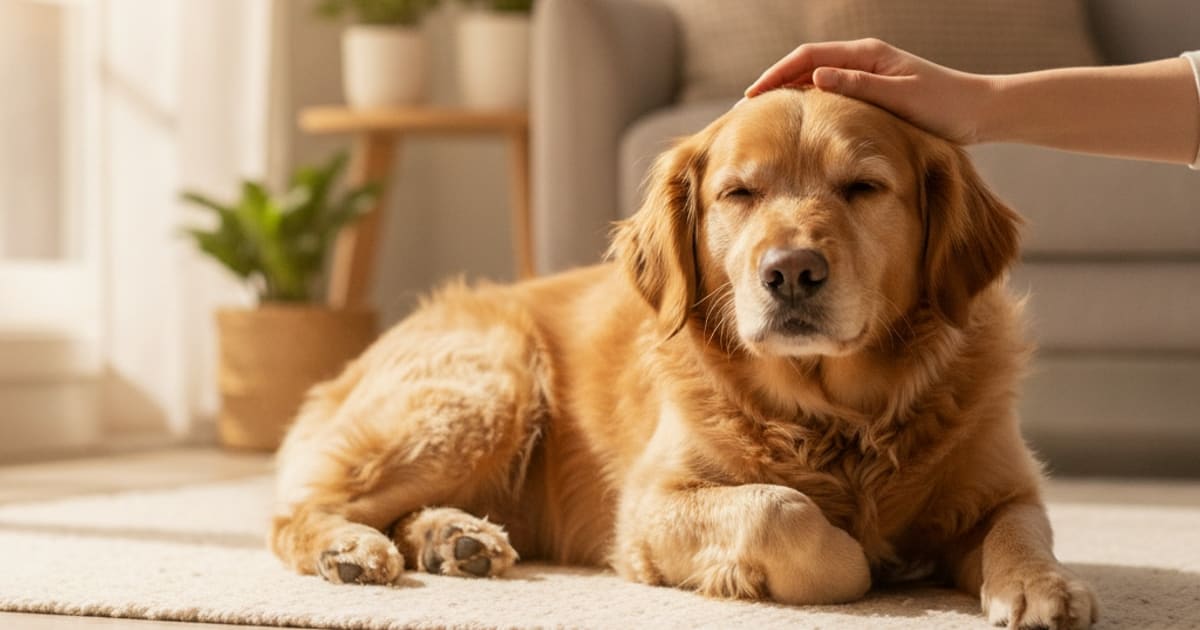
Coccidia poop in dogs can be soft or watery diarrhea, sometimes with mucus or streaks of blood, and it is a reason to see a vet. Go to an emergency vet now if there is blood in the poop, if your dog is weak or collapsing, if your dog is vomiting as well, or if a young puppy has watery diarrhea; otherwise book a same-day appointment. Coccidia itself is a tiny parasite that lives in the gut, and it is far too small to see in the poop with the naked eye. What you can see is the effect it can have on the stool: a change in shape, mucus, blood or a stronger smell. Those same changes can come from other gut problems too, so the look of the poop is a reason to call your vet, not a way to name the cause. A stool test at the vet is how coccidia is found. To learn more about the parasite and how it spreads, read What Is Coccidia in Dogs?.
When to go to the vet now
Go to an emergency vet now if you notice any of these:
- Blood in the poop, or black, tarry poop
- Weakness, collapse, or a dog that is very quiet and hard to rouse
- Vomiting along with the diarrhea
- A young puppy with watery diarrhea
- Not drinking, or not keeping water down
For any other change in your dog's poop, book a same-day appointment. Watery diarrhea can drain fluid from the body quickly, and a small puppy can become dehydrated and weak fast, which is why these signs cannot wait. If you are not sure whether a sign counts, go to the emergency vet now. The Dog Emergency Signs page covers other signs that need emergency care.
What can cause coccidia poop
Coccidia is the name for a group of tiny single-celled parasites. In dogs, the type your vet looks for is called Cystoisospora. These parasites live inside the cells that line the intestine. There they multiply, burst out of the cells and move on to new ones, and that cycle damages the gut lining. A damaged lining cannot take in water and food the way it should, and the result can be loose or watery stool. The parasite leaves the body in the poop as oocysts, small egg-like forms that are too small to see without a microscope.
A dog picks up coccidia by swallowing oocysts from ground, water, bowls or anything soiled with infected poop, or by eating a mouse or other small animal that carries the parasite. Oocysts are hardy and can stay alive in soil and on surfaces for a long time, so a dog with no clear contact with other dogs can still pick them up. Coccidia spreads easily where dogs share space, such as kennels, shelters and breeding homes. Young puppies, dogs under stress after a move, a stay in boarding or a new home, and dogs that are already unwell can be more at risk of trouble from it. Any new diarrhea in your dog is a reason to call your vet today.
Puppies can bring coccidia with them from where they were born or raised, so a new puppy with loose poop is a reason to call your vet today, even if the puppy seems bright and playful.
When coccidia causes a problem, the poop can change in several ways. It can go from firm to soft and shapeless, to the texture of pudding, or to liquid. It can carry mucus, a clear or yellowish jelly-like coating on or through the stool. It can contain streaks or drops of red blood. Your dog may need to go more urgently or more times than before, may strain, or may have accidents indoors. The smell can be stronger or more sour than before. Your dog may also eat less, drink less, seem tired or lose weight. A dog can also carry coccidia and still pass firm poop, so firm stool does not rule it out.
These changes can come and go. Your dog can pass soft poop one time and firmer poop the next, and the stool can turn looser after a stressful event such as travel, boarding or a new home. Blood in the stool comes from the damage to the gut lining, and in a small puppy, losing blood and fluid together can weaken the body fast. That is why blood in the poop is a reason to go to an emergency vet now, whatever else the poop looks like.
You cannot see coccidia in dog poop. The parasite and its oocysts are microscopic, so there is nothing in the poop you can point to and call coccidia. What you can see is the effect on the stool: the change in texture, the mucus and the blood. Under a microscope, the oocysts look like tiny round to oval shapes with a clear wall, and your vet tells them apart from the eggs of other parasites with the right equipment. That is why coccidia is found in a lab or exam room and not in the yard.
None of these stool changes belongs to coccidia alone. When a dog has soft, watery, mucus-covered or bloody poop, your vet may check for other gut parasites such as giardia, roundworms, hookworms and whipworms. In puppies, your vet may test for viral infections such as parvovirus. Bacterial infections, a sudden change of food, food intolerance, stress, a swallowed object, and illness elsewhere in the body, such as in the pancreas, liver or kidneys, can also change the poop. More than one problem can be present at the same time; a puppy can have coccidia and worms together, for example. If you know your dog swallowed an object or got into the trash, call your vet now.
Because the poop can look and smell the same across all of these causes, its texture, color and smell cannot tell you which one your dog has. Only the exam and the tests can do that. Coccidia can also sit alongside another problem without being the reason for the diarrhea, and your vet weighs every finding together, not just one result.
Do not try to work out the cause from the poop, and do not give anything for the diarrhea before your vet sees your dog. Human medicines, leftover pet medicines and products sold for upset stomachs can cause harm or hide signs your vet needs to see. Talk to your vet before you change your dog's food or give any product. You can find other gut and parasite topics in the conditions library.
What your vet may do
Your vet starts by asking about the poop: when it changed, what it looks like now, and whether there has been blood, mucus or vomiting. Your vet will also ask about your dog's age, where your dog came from, any recent move or boarding, the food your dog eats, and whether other dogs in the home have loose poop. These answers help your vet decide which tests to run first.
The exam may include weighing your dog, taking a temperature, listening to the heart, checking gum color and hydration, and gently feeling the belly for pain, gas or anything that should not be there. In a puppy, weight and hydration matter a great deal, because a small body has less fluid to lose.
The main test for coccidia is a stool test called a fecal flotation. A small sample of poop is mixed with a special solution so that parasite eggs and oocysts float to the top, where your vet can see them under a microscope. Your vet may also send a sample to a lab for a broader stool panel that looks for the genetic material of several gut parasites and infections at once. Dogs pass oocysts on and off, so a single clear test may not rule coccidia out, and your vet may ask for more than one sample.
A stool sample works best when it is fresh. Oocysts change once they leave the body, and an old or dried sample may not show what is there. Your vet may collect a small sample during the exam if you have not brought one.
Depending on your dog's age and signs, your vet may also run a test for giardia, a test for parvovirus in a puppy, and blood tests to look at hydration, red and white blood cells and organ function. If your vet is concerned about a swallowed object or a painful belly, X-rays or an ultrasound may help find the cause. While the results come in, your vet may start care for dehydration or other signs straight away, because a dog that is losing fluid needs help before every answer is in.
Your vet will explain what each result means for your dog. A positive test shows coccidia is present, and your vet decides whether it explains the diarrhea or whether another cause needs attention as well. A negative test while signs are still there may lead to more tests.
If coccidia is found, your vet may prescribe a medicine that targets the parasite. A dog that is dehydrated may need fluids, given under the skin or through a drip, and some dogs need a hospital stay so fluids and care can continue around the clock. Your vet may also treat other problems found at the same time, such as worms or giardia. Your vet can tell you what to feed your dog during treatment and how to bring food back in.
Because coccidia passes from dog to dog through poop, your vet may test or treat other dogs in the home and explain how to pick up and dispose of poop so the parasite does not keep spreading. Your vet may ask for a repeat stool test after treatment to check that the oocysts are gone. If the poop changes again, call your vet again today; for blood, vomiting, weakness or collapse, go to an emergency vet now.
What to tell your vet
Before the visit, note these points so you can give your vet a clear account:
- When you first noticed the change in the poop
- Any change since then, such as more watery stool or more trips outside
- Any blood, black poop or mucus you have seen
- Any licking or scooting at the back end
- Other signs, such as vomiting, eating less, drinking less or low energy
- Your dog's age, and any recent move, boarding or new home
- Any other dogs in the home with loose poop
- Anything you have already given your dog
Write the points down, because details are easy to forget once you are in the exam room. If your dog has had loose poop before, tell your vet when that was and what was found. If you can, bring a fresh stool sample in a clean sealed bag or container, so your vet can test it right away. A fresh sample gives the best chance of finding the parasite, and it saves time on the day.
Frequently asked questions
- Is coccidia poop an emergency in dogs?
- It can be. Go to an emergency vet now if there is blood in the poop, your dog is weak or collapsing, your dog is vomiting as well, or a young puppy has watery diarrhea. For any other change in the poop that may be coccidia, book a same-day appointment so your vet can test a stool sample.
- What should I do if my dog has coccidia poop?
- Call your vet today and book a same-day appointment. Bring a fresh stool sample in a clean sealed bag if you can, and note when the change started and any blood, vomiting or low energy. Do not give anything for the diarrhea first. Go to an emergency vet now for blood, weakness, collapse or a puppy with watery diarrhea.
- Can I treat coccidia poop at home?
- No, because coccidia needs a stool test to confirm it and a medicine your vet prescribes to treat it. Do not put anything on your dog, remove anything or give anything by mouth before the vet sees your dog. For any bleeding, the only step is gentle pressure with a clean cloth on the way to the vet.
- What does coccidia poop look like in dogs?
- Coccidia poop in dogs can be soft, pudding-like or watery, and it can carry mucus or streaks of blood. Other parasites, viruses or a food change can cause the same changes, and a dog can carry coccidia with firm poop, so the look cannot confirm it. Blood means an emergency vet now; anything else, a same-day visit.
- What is coccidia in dog poop?
- Coccidia in dog poop is a tiny single-celled parasite, called Cystoisospora in dogs, that lives in the lining of the intestine. It passes out in the poop as oocysts, egg-like forms too small to see. Your vet finds them by looking at a stool sample under a microscope or sending it to a lab.
- Can you see coccidia in dog poop?
- No, because coccidia and its oocysts are too small to see without a microscope. What you can see is the effect on the stool, such as soft or watery poop, mucus or blood. Anything you notice in the poop is a reason to call your vet today, and blood means an emergency vet now.
- What does coccidia look like in dogs?
- Under a microscope, coccidia oocysts look like tiny round to oval shapes with a clear wall. Your vet tells them apart from other parasite eggs with the right equipment. In your dog, the parasite itself is never visible; what you may see is loose or watery poop or mucus, and that is a reason to call your vet today.
- What does coccidia poop smell like in dogs?
- Diarrhea from coccidia can smell strong, sour or foul, and it can smell worse than your dog's poop did before. Diarrhea from other parasites, infections or a food change can smell the same way, so smell cannot tell you the cause. Any new diarrhea is a reason to call your vet today for a stool test.
- How does my vet test for coccidia?
- Your vet tests for coccidia with a stool test called a fecal flotation, in which poop is mixed with a solution so oocysts float up and can be seen under a microscope. Your vet may also send a sample to a lab. Because dogs pass oocysts on and off, your vet may ask for more than one sample.
- Can coccidia spread from one dog to another?
- Yes, because the oocysts in infected poop can contaminate ground, water, bedding and bowls, and another dog can pick them up by swallowing them. Tell your vet about every dog in your home. Your vet may test or treat the other dogs and explain how to handle poop so the parasite does not keep spreading.
Educational content, not veterinary advice. Ask your vet about your dog.