Yellow Dog Poop: What It Can Mean and When to See a Vet
Yellow poop in a dog can come from the gut, liver, gallbladder, pancreas or diet, and it is a reason to see a vet. Go to an emergency vet now for vomiting, blood, yellowing of the eyes or skin, weakness or a painful belly. Otherwise book a same-day appointment.
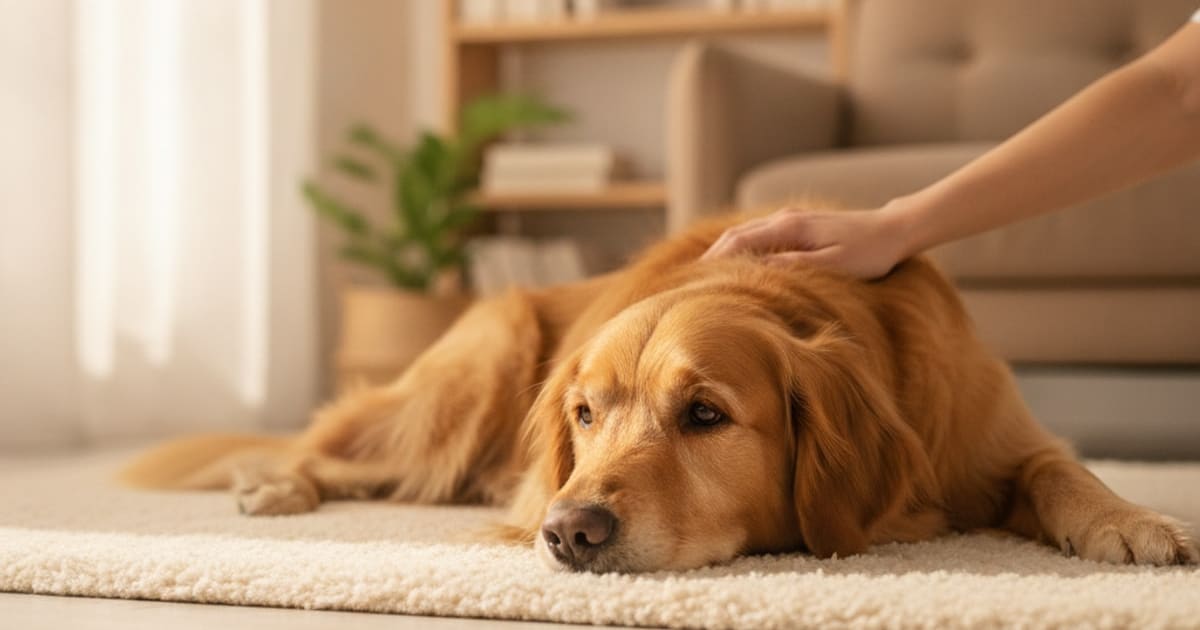
Yellow poop is a reason to see a vet: if you see your dog poop yellow, something in the gut, liver, pancreas or diet may have changed. Go to an emergency vet now if your dog has yellow poop with repeated vomiting, blood in the poop or black, tarry poop, yellowing of the eyes or skin, or weakness, collapse or a swollen, painful belly; otherwise book a same-day appointment. Can dogs poop yellow? They can. When your dog's poop is yellow in colour instead of the brown you know, the gut or one of the organs that feeds into it needs checking. A vet exam with a stool sample may help find the cause, so talk to your vet today rather than trying to work it out at home.
When to go to the vet now
Go to an emergency vet now if your dog has yellow poop and any of these:
- Repeated vomiting, or vomit with blood in it
- Blood in the poop, or black, tarry poop
- Yellowing of the eyes or skin
- Weakness, collapse or a swollen, painful belly
- A puppy with yellow poop who is vomiting, weak or will not eat
- Any chance your dog ate something toxic: call your vet or an animal poison control service now
For other signs that need emergency care, see Dog Emergency Signs. For yellow poop without any of these signs, book a same-day appointment with your vet.
What can cause yellow poop
Poop gets its brown colour from bile. The liver makes bile, the gallbladder stores it, and it flows into the gut to help digest fat. As bile moves along the gut it is broken down and turns from yellow-green to brown. So the plain answer to what would make dog poop yellow is that something has changed along that path. Food may be moving through too fast for bile to change colour, less bile may be reaching the gut, fat may not be digested as it should, or something in the food itself may be colouring the poop. Each of these has several possible causes, and your vet works through them with an exam and tests. None of them can be told apart by looking at the poop, which is why yellow poop is a reason for a vet visit and not a puzzle to solve at home.
A fast-moving gut is one possibility your vet checks. Anything that irritates the stomach or bowel can push food through before bile has time to darken, which is one reason yellow poop can come with soft or runny stool. Gut infections caused by bacteria or viruses are on the list. In puppies, a virus such as parvovirus can start with gut upset, which is why a puppy with yellow poop needs a vet the same day, and an emergency vet now if the puppy is vomiting, weak or will not eat.
Parasites are another possibility. Giardia, a tiny single-celled parasite picked up from water or soil, is one your vet can test for in a stool sample, and worms and other gut parasites are checked too. A dog can carry parasites while seeming bright and playful, so a stool test is part of the visit even when your dog is eating and behaving as you expect.
Diet is part of the picture. A new food, a change of treats, table scraps, or a food with yellow or orange ingredients or added colour can change the colour of poop. A food intolerance or food allergy can irritate the gut and change both the colour and the texture. A sudden switch in diet can upset the gut as well. Your vet can tell you how any food change fits your dog's needs and whether a diet set by the vet is part of the plan.
If your dog got into the bin, ate scraps from a plate or swallowed something it should not have, call your vet now and say what was eaten and when. Fatty food can inflame the pancreas, and a swallowed bone, toy or wrapper can block the gut. If there is any chance what your dog ate was toxic, call your vet or an animal poison control service now.
The liver and gallbladder are checked next. Liver disease can change how much bile is made, and a problem with the gallbladder or the bile ducts can change how much bile reaches the gut. These problems can also bring yellowing of the eyes or skin, vomiting, a poor appetite and tiredness. Yellowing of the eyes or skin together with yellow poop is a reason to go to an emergency vet now. Blood tests and an ultrasound may help your vet look at how the liver and gallbladder are working.
The pancreas is another organ your vet considers. It makes enzymes that break down fat and other parts of food. Inflammation of the pancreas, called pancreatitis, can cause vomiting, a painful belly and changes in the poop, and it needs a vet now. A pancreas that does not make enough enzymes can let fat pass through the gut undigested, which can change the colour and amount of the poop and lead to weight loss even when your dog is eating well. Specific blood tests can measure how the pancreas is working.
Longer-term gut problems are on the list too. Inflammatory bowel disease, where the gut lining stays inflamed, can change the colour and texture of poop over time and can come with weight loss, vomiting or a change in appetite. Some medicines can change poop colour or upset the gut, so tell your vet about any medicine your dog takes, and do not stop a medicine your vet prescribed without talking to your vet first. Stress, travel or a stay in kennels can upset the gut as well, but stress is not a cause to decide on at home: your vet still checks for the other causes.
Illness elsewhere in the body can also show up in the gut. Kidney problems, hormone conditions such as a problem with the adrenal glands, and infections in other organs can affect appetite and digestion. Your vet may test for these when yellow poop comes with other signs such as drinking more, weight loss or tiredness.
Where the yellow sits does not narrow the cause down at home. Poop that is yellow only at the end, yellow on the inside with a brown outside, or covered in a yellow coating is still a colour change, and your vet checks the same possibilities. Yellow poop on your dog's fur or around the bottom is the same sign. Tell your vet exactly what you saw rather than trying to match it to a cause.
Orange poop can share some of these causes; see Dog Orange Poop and Vomit. You can read about the conditions named here in the conditions library. Talk to your vet about what fits your own dog, because the cause can only be found with an exam and tests.
What your vet may do
Your vet starts with questions about your dog's diet, any recent change in food or treats, anything your dog may have eaten, medicines, travel or kennel stays, and other signs you have seen at home. Then comes a full physical exam. The vet feels the belly for pain, swelling or anything that should not be there, checks hydration, takes your dog's temperature, listens to the heart and lungs, and looks at the gums, eyes and skin for any change in colour. Your vet may also check the area around the bottom and do a gentle rectal exam, which can show pain or swelling and give a small stool sample to test on the spot.
A stool test is one of the first steps for yellow poop. Your vet may ask you to bring a fresh sample to the appointment, so ask the clinic how they want it collected and stored when you book. The sample can be checked under a microscope for worm eggs and other parasites, tested for giardia, and sent to a lab for a wider panel that looks for bacteria and viruses. Some stool tests look for fat that has not been digested.
Blood tests may follow. A blood count looks at red and white blood cells, which can show infection, inflammation or blood loss. A chemistry panel looks at how the liver and kidneys are working and at protein, sugar and salts in the blood. Specific pancreas tests can show inflammation of the pancreas or whether it is making enough enzymes. A urine test may be added to look at the kidneys and at substances from the liver.
Imaging helps when the vet needs to see inside the belly. X-rays can show a swallowed object, gas patterns or a blockage. An ultrasound gives a closer look at the liver, gallbladder, pancreas and gut wall. Some dogs need light sedation for these. If the cause is still unclear, your vet may talk with you about a scope or small tissue samples from the gut.
Treatment depends on what the tests find. It can include a medicine your vet prescribes for parasites or infection, fluids for a dog that has lost water through vomiting or diarrhea, a diet set by your vet, or further care for the liver, gallbladder or pancreas. Do not change your dog's food or give anything at home before the vet has seen your dog, because that can change what the tests show. If your dog is also straining, read Dog Straining to Poop With Soft Stool and Dog Straining to Poop but Not Constipated, and tell your vet about the straining at the same-day visit.
What to tell your vet
Notes like these help your vet decide which tests come first:
- When you first noticed the yellow poop
- Any change since then in colour, texture, smell or how often your dog goes
- Any bleeding, blood in the poop, or black, tarry poop
- Any licking or scooting at the bottom
- Other signs: vomiting, appetite, drinking, energy or weight
- Any new food, treats, scraps or medicine, and anything your dog may have eaten
If you can, note what time the poop was passed and whether your dog has had more than one yellow poop. Your vet will also ask about your dog's age, vaccinations and parasite prevention, so have those details to hand. Bring these notes, and a fresh stool sample if your vet asks for one, to the same-day appointment. If an emergency sign appears before then, such as repeated vomiting, blood, yellowing of the eyes or skin, weakness or a painful belly, go to an emergency vet now.
Frequently asked questions
- Is yellow poop an emergency in dogs?
- Yellow poop is an emergency when it comes with repeated vomiting, blood in the poop or black, tarry poop, yellowing of the eyes or skin, or weakness, collapse or a swollen, painful belly. Go to an emergency vet now for any of those. For yellow poop without them, book a same-day appointment with your vet.
- What should I do if my dog has yellow poop?
- Call your vet today and book a same-day appointment. Tell them when you first saw the yellow poop, any change since, and any vomiting, bleeding, licking or change in appetite or energy. If your dog is vomiting repeatedly, weak, collapsing or has yellowing of the eyes or skin, go to an emergency vet now.
- Can I treat yellow poop at home?
- No, because yellow poop can come from parasites, infection, or a liver, gallbladder or pancreas problem that only a vet's tests can find. Do not give your dog anything, do not put anything on it and do not remove anything before the vet sees your dog. Call your vet today for a same-day appointment.
- What does yellow poop mean in a dog?
- Yellow poop means the colour of your dog's stool has changed, and that change can come from the gut, liver, gallbladder, pancreas or diet. It can point to food moving through too fast, bile not reaching the gut as it should, or fat not being digested. A vet exam and stool test may help find the cause.
- Why is my dog's poop yellow?
- Your dog's poop can turn yellow because of a diet change, an upset gut, parasites such as giardia, an infection, or a problem with the liver, gallbladder or pancreas. You cannot tell these apart by looking, so book a same-day vet visit, and go to an emergency vet now if your dog is vomiting repeatedly or weak.
- What would make a dog's poop turn yellow?
- Bile gives poop its brown colour as it moves through the gut. Anything that speeds food through, blocks or reduces bile, or stops fat being digested can leave poop yellow. That includes gut infections, parasites, food intolerance and liver, gallbladder or pancreas disease. Your vet checks each of these with an exam, stool tests and blood tests.
- What if my dog's poop is yellow but my dog is acting well?
- Book a same-day appointment anyway, because a dog can seem bright while a gut, liver or pancreas problem is starting. Bring a fresh stool sample if your vet asks for one. Go to an emergency vet now if there is vomiting, blood, yellowing of the eyes or skin, weakness or a painful belly.
- Can a change of food make a dog's poop yellow?
- Yes, a new food, treats, scraps or a food with yellow or orange ingredients can change poop colour, and a food intolerance can too. A diet change can also upset the gut, so it is still a reason to call your vet today. Your vet can tell you how any food change fits your dog's needs.
- What does it mean when my dog's poop is yellow on the inside?
- Poop that is yellow on the inside, or yellow only at the end, is still a colour change from the gut. Your vet checks the same possibilities, including parasites, infection, diet and liver, gallbladder or pancreas problems, whichever part is yellow. Tell your vet exactly what you saw and book a same-day appointment.
- Is yellow poop in a puppy an emergency?
- A puppy with yellow poop needs a vet the same day, because young puppies can lose fluids fast and infections such as parvovirus can start with gut upset. Go to an emergency vet now if your puppy is vomiting, has blood in the poop, will not eat, or is weak or quiet.
- Should I bring a stool sample to the vet for yellow poop?
- Yes, because a fresh stool sample lets your vet test for parasites such as giardia, for infection and for signs that fat is not being digested. Call the clinic when you book the same-day appointment and ask how they want the sample collected and stored. Do not hold off the visit to get one.
Educational content, not veterinary advice. Ask your vet about your dog.