Do Boston Terriers Go Blind? Eye Problems to Watch For
Some Boston Terriers do lose vision. The breed's prominent eyes and shallow sockets leave the surface exposed, and inherited cataracts, glaucoma, dry eye and retinal changes can all affect sight. Squinting, cloudiness, bumping into furniture or a sudden change in confidence all warrant a veterinary exam.
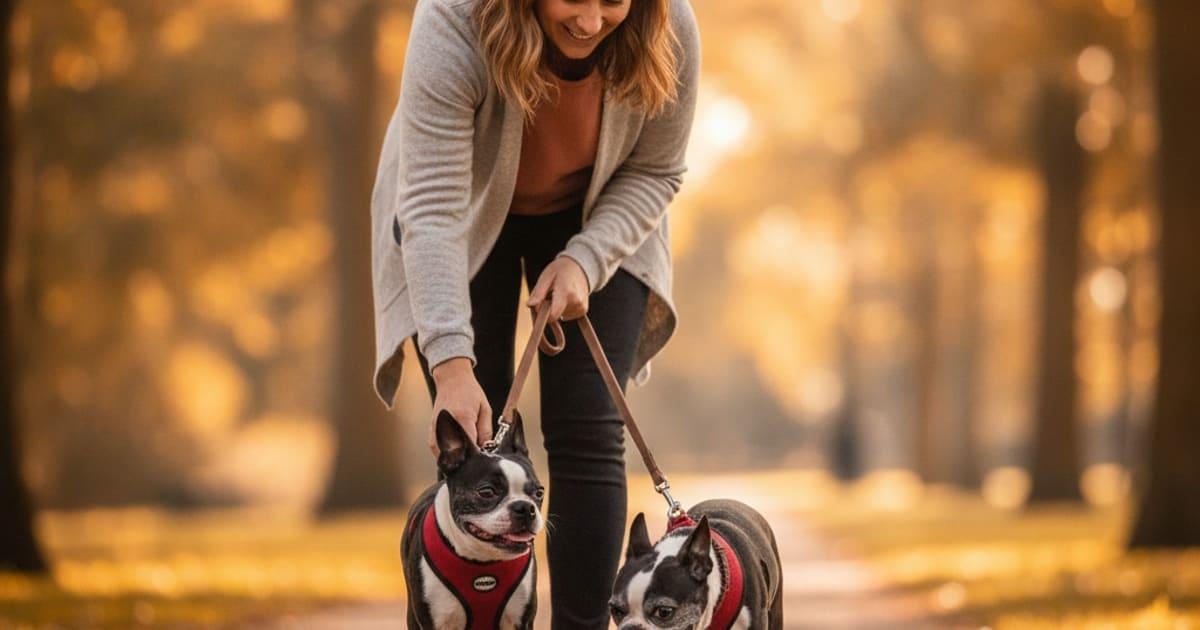
Boston Terriers can go blind, and the breed carries more than its share of eye trouble, so any change in how your dog sees, or in how an eye looks, is a reason to book a veterinary exam rather than wait it out. If the change appeared suddenly, or the eye is red, cloudy, swollen or clearly painful, call your veterinarian today or go to an emergency clinic.
Not every Boston Terrier develops serious eye disease. What makes the breed worth watching closely is a combination of anatomy and inherited traits: large, forward set eyes in shallow sockets, plus tendencies that involve the lens, the cornea, the tear film, the fluid drainage inside the eye and the retina. Some of those changes creep in slowly over seasons. Others arrive overnight. Both deserve a phone call.
Why the breed's eye shape matters
Boston Terriers are a short faced breed. The skull is compressed from front to back, which leaves the bony socket around each eye shallower than it is in a long nosed dog. The eye sits further forward, with less bone and brow shielding it, and a larger portion of the cornea, the clear window at the front of the eye, stays exposed to the air.
That exposure has consequences. A wide, open eye surface dries faster between blinks. Dust, grass awns, carpet fibres and a playmate's paw all reach the cornea more easily. Some short faced dogs do not close the lids completely when they blink or sleep, which leaves a strip of cornea without a full coating of tear film. Nasal folds and stray facial hairs can brush the surface as well. The result is a breed in which surface injuries happen readily, and in which a scratch can be deeper than it looks from the outside.
Anatomy is only half the picture. Boston Terriers also carry inherited tendencies affecting the lens and the inner layers of the cornea, and some lines carry changes in the retina. Those are not injuries you can prevent with careful management, which is why a proper eye examination matters even when both eyes look clear to you.
Eye conditions that can change a Boston Terrier's sight
Cataracts. The lens sits behind the pupil and is normally clear. When it becomes opaque, light cannot pass through cleanly. An inherited form can show up in young dogs, and other forms appear later in life or alongside a body wide condition such as diabetes mellitus. Normal aging also brings a bluish haze to the lens that is not a cataract at all, and telling the two apart takes an exam with proper magnification.
Corneal ulcers. An erosion or scratch of the corneal surface. These are painful, and the usual picture is squinting, tearing, redness and a dog who rubs its face along the carpet. A shallow scratch and a deep, sight threatening ulcer can look similar to an owner.
Corneal endothelial change and corneal dystrophy. The innermost layer of the cornea works like a pump, pulling fluid out to keep the window clear. When that layer falters, fluid collects and the cornea takes on a cloudy, steamy blue look. Vision dims gradually.
Dry eye. When tear production drops, the surface loses its protective film. The eye looks dull, discharge becomes thick and sticky, and ongoing irritation can lead to scarring or pigment spreading across the cornea.
Glaucoma. Fluid made inside the eye cannot drain properly and pressure climbs. The eye may look red, cloudy and enlarged, the pupil wide and unresponsive, and the dog is in real pain. Sight can be affected quickly, which is why this one is treated as an emergency.
Extra and misplaced eyelashes. Lashes growing from abnormal spots on the lid margin, or through the inner surface of the lid, rub the cornea with every blink.
Prolapsed third eyelid gland, known as cherry eye. A pink or red mass appears at the inner corner. That gland contributes to the tear film, so it matters beyond appearance.
Retinal change. The retina is the light sensitive lining at the back of the eye. When it degenerates, the eye can look completely normal from the outside while vision fades, commonly starting in dim light.
Proptosis. A blow to the head or a dog fight can displace the globe forward out of its shallow socket. This is an immediate emergency.
Because several of these look alike from across the room, use the table below for urgency, not for diagnosis.
| What you notice | What it can point to | How quickly to act |
|---|---|---|
| White or crystalline change behind the pupil | Cataract or lens change | Book a vet exam |
| Steamy blue haze across the whole eye surface | Corneal fluid build up | Book a vet exam |
| Red, painful eye with a wide pupil | Raised pressure inside the eye | Emergency, same day |
| Squinting, tearing, pawing at one eye | Corneal ulcer, scratch or rubbing lashes | Same day |
| Thick discharge and a dull, dry looking surface | Reduced tear production | Book a vet exam |
| Pink lump at the inner corner | Prolapsed third eyelid gland | Book a vet exam |
| Eye pushed forward out of the socket | Proptosis after trauma | Emergency, now |
| Bumping into things, hesitant in low light | Retinal or other sight loss | Book a vet exam |
Signs at home that your dog's vision may be changing
Dogs compensate beautifully, which is why gradual sight loss can go unnoticed until something in the house moves. Watch for a dog who hesitates at the top of the stairs, hugs walls, misses a tossed treat that lands near the feet, or startles when you reach down without speaking first. A dog losing vision may become reluctant to go out after dark, may stay closer to your legs on walks, or may stop taking the usual leap onto the couch.
On the eye itself, look for cloudiness, a colour change in the pupil, redness in the white of the eye, a pupil that stays wide in bright light, discharge, visible blood vessels growing across the clear surface, or an eye held partly closed. Compare the two eyes in good light. Differences between the left and the right are easy to spot and are worth mentioning to your veterinarian.
Sudden changes matter in a different way from slow ones. A dog who was confident yesterday and is crashing into doorframes today needs to be seen without delay. Slow changes still need an appointment, because the only way to know which layer of the eye is involved is for someone to look inside it.
Any sudden change in vision, or an eye that is red, cloudy or painful, is a reason to call your veterinarian the same day rather than waiting to see how it looks tomorrow.
Eye signs that call for emergency care
Go straight to a veterinary clinic, or an emergency hospital if yours is closed, if you see an eye displaced out of its socket, an eye that has been struck or penetrated, a sudden red and cloudy eye with a wide pupil, intense squinting with the eye clamped shut, blood inside the eye, or a dog who has gone from normal to clearly unable to see.
Also treat it as urgent if your dog is pawing or rubbing an eye hard enough to risk further injury, or if a chemical, shampoo or garden product has gone into the eye. Do not put anything in the eye and do not try to push a displaced eye back. Keep an elizabethan collar on if you have one, keep the dog calm, and travel.
Call your vet if any eye sign continues past a day, if it gets worse at any point, or if you notice your dog becoming withdrawn, off food or sensitive about having the head touched. Pain in an eye is not always obvious from the outside.
What a veterinary eye examination involves
Expect a general examination first, since several body wide conditions show up in the eyes. From there, an eye focused exam usually includes checking how the pupils respond to light, assessing vision with simple tests, staining the cornea with a dye that highlights scratches and ulcers, measuring tear production, measuring the pressure inside the eye, and examining the lens and the back of the eye with magnification after dilating the pupil.
If the picture is complicated, if the retina needs specialised assessment, or if an inherited condition is suspected, your veterinarian may refer you to a veterinary ophthalmologist. Specialists have equipment for imaging inside the eye and for testing how the retina responds to light, and that is where many breed related questions are settled.
If your dog already lives with another managed condition, or if you are wondering whether diet or a current medication fits into the picture, your vet can tell you how those pieces connect. Bring a list of everything your dog receives to the appointment. Mention any eye problems in the parents or littermates if you know of them, because that history genuinely shapes what the examiner looks for.
Supporting a dog whose sight is changing
While the veterinary plan does the medical work, there are ordinary things that make life easier for a dog with reduced vision. Keep furniture where it is. Speak before you touch, especially when your dog is asleep. Use the same route on walks and keep the leash on in unfenced areas. Block stairs and pool edges until you know what your dog can see. Scent and texture cues at doorways, and a consistent place for food and water bowls, help a dog map the house without eyes.
Results vary from dog to dog, so build the plan around what your own dog can manage rather than around a general rule, and talk to your vet before changing anything about exercise or confinement.
Key Takeaways
- Boston Terriers can go blind, but vision loss is not a given for the breed. Changes in sight always warrant a veterinary exam.
- Shallow sockets and prominent eyes leave the cornea exposed, so scratches, ulcers and dryness arise readily in this breed.
- Cataracts, corneal fluid build up, dry eye, raised eye pressure, misplaced lashes and retinal change can all affect vision.
- A red, cloudy, painful eye, a displaced eye, or sudden loss of sight is an emergency.
- Gradual signs include bumping into furniture, hesitation on stairs and reluctance to move in dim light.
- Only an examination can tell which layer of the eye is involved, and a veterinary ophthalmologist may be the next step.
Your veterinarian owns the diagnosis and the plan. Eyes are small, layered and unforgiving of guesswork, and the difference between a surface scratch and a sight threatening problem is measured with instruments rather than judged from a photograph. Book the exam, describe exactly what you have seen and when it started, and follow the plan you are given.
For a broader picture of the warning signs that mean a trip to the clinic cannot wait, see Dog Emergency Signs, and browse the conditions library for plain language explanations of other health problems in dogs.
Frequently asked questions
- do boston terriers go blind
- Boston Terriers can go blind, though it is not a given for the breed. Cataracts, raised pressure inside the eye, severe corneal injury, dry eye and retinal change can all reduce sight. Any change in vision, or in how an eye looks, should be examined by a veterinarian promptly.
- do boston terriers have vision problems
- Yes, Boston Terriers are a breed in which eye problems turn up frequently. Their shallow sockets and prominent eyes leave the cornea exposed to scratches and drying, and the breed also carries inherited tendencies involving the lens, the inner cornea and the retina. Regular veterinary eye checks matter.
- What are the early signs a Boston Terrier is losing vision?
- Early signs can include hesitating at stairs, hugging walls, startling when touched without warning, missing treats tossed nearby, and reluctance to go outside in dim light. You may also notice cloudiness, redness, a pupil that stays wide, or one eye held partly closed. Book a veterinary exam.
- Why do Boston Terriers get so many corneal injuries?
- Their short skull leaves a shallow bony socket, so the eye sits forward with less protection and more corneal surface exposed. Blinks may not cover the whole surface, facial folds and stray hairs can rub, and dust or grass reaches the eye easily. Any squinting warrants a same day call.
- Can a cloudy eye in a Boston Terrier be something other than a cataract?
- Yes. A cloudy look can come from a cataract, from fluid building up in the cornea when its inner pump layer falters, from scarring, from raised pressure inside the eye, or from the normal bluish haze of an aging lens. Only a veterinary exam can separate them.
- When is a Boston Terrier eye problem an emergency?
- Treat it as an emergency if the eye is displaced out of its socket, if it is red, cloudy and painful with a wide pupil, if there is blood inside the eye, if the eye has been struck or penetrated, or if your dog suddenly cannot see. Go to a veterinary clinic immediately.
- Should a Boston Terrier see a veterinary ophthalmologist?
- Your regular veterinarian handles most eye examinations and decides when specialist input is needed. A referral can make sense when the retina needs specialised assessment, when an inherited condition is suspected, or when a problem is not settling. Talk to your vet about whether a referral fits your dog.
- Can vision loss in a Boston Terrier come on suddenly?
- It can. A sudden rise in pressure inside the eye, trauma, bleeding inside the eye or abrupt retinal problems can change sight quickly, sometimes within a day. A dog who was confident yesterday and is bumping into doorframes today needs emergency veterinary attention rather than an appointment next week.
Educational content, not veterinary advice. Ask your vet about your dog.