Dog Ear Infection Symptoms — Types and What to Do Next
Dogs get three types of ear infection, named for how deep they sit: otitis externa (outer canal), otitis media (middle ear) and otitis interna (inner ear). Most start in the outer canal with head shaking, odor, redness and discharge, and nearly all need a veterinary exam to identify the organism.
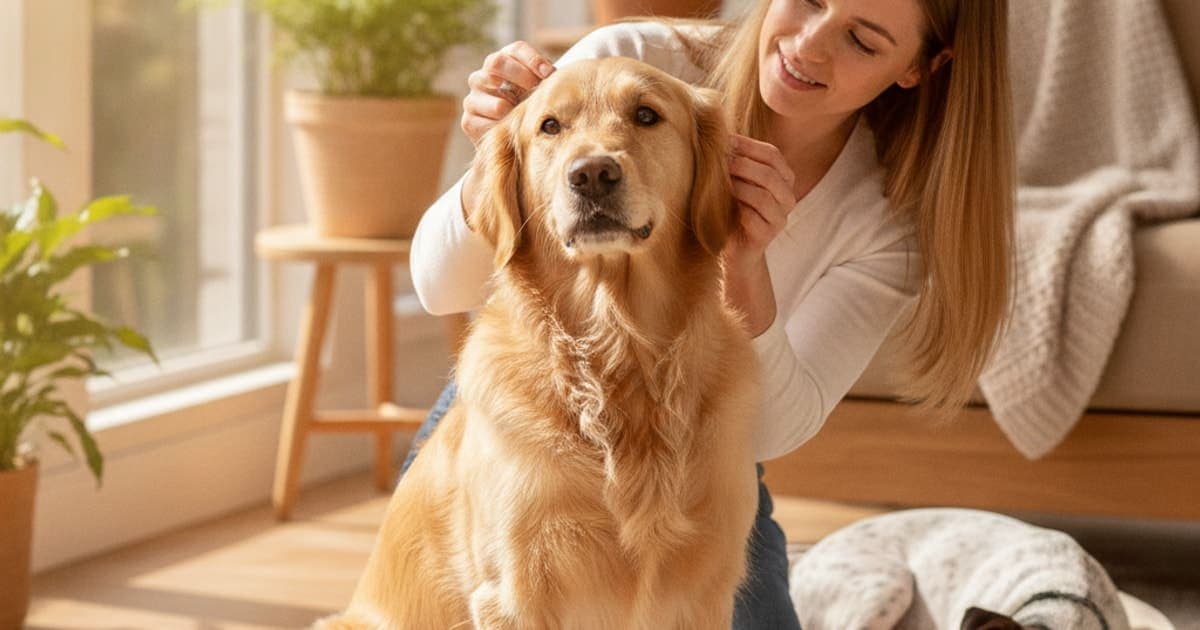
Dogs get three types of ear infection, named for how deep in the ear the inflammation sits: otitis externa (the outer ear canal), otitis media (the middle ear, behind the eardrum) and otitis interna (the inner ear, where the balance and hearing structures live). The overwhelming majority of cases owners notice start as otitis externa, and they are usually driven by yeast, bacteria, ear mites, or some combination layered on top of an underlying allergy. The type tells your veterinarian how deep the problem has travelled. Cytology — a swab of ear debris examined under a microscope — tells them what is actually growing in there. Both answers change the medicine.
The three names your vet will use
| Type | Where it sits | What owners usually see | Why it matters |
|---|---|---|---|
| Otitis externa | The outer ear canal, from the opening down to the eardrum | Head shaking, scratching, odor, redness, brown or yellow discharge | By far the most common form; usually managed with cleaning plus prescribed topical medication |
| Otitis media | The middle ear, behind the eardrum | Pain, head tilt, an outer infection that keeps relapsing, sometimes facial nerve changes | Often develops when an outer infection breaches a damaged eardrum; frequently needs oral medication and sometimes imaging |
| Otitis interna | The inner ear, with the balance and hearing apparatus | Marked head tilt, circling, stumbling, flicking eyes, nausea, hearing loss | Needs prompt veterinary attention — these are neurological signs, not just a sore ear |
Those three Latin names are the whole naming system. If you have been searching for other dog ear infection names, what you will usually find instead are the organisms involved: Malassezia pachydermatis (the yeast behind classic brown, waxy, sweet-smelling ears), cocci bacteria such as Staphylococcus pseudintermedius, rod-shaped bacteria such as Pseudomonas aeruginosa (often linked to yellow-green discharge and a painful, swollen canal), and Otodectes cynotis, the ear mite, which is more commonly a puppy and kitten problem.
Infections also get described as acute or chronic, and unilateral or bilateral. A chronic, both-sided ear problem in an adult dog points somewhere different than a sudden one-sided flare in a dog who just swam in a lake — and that difference shapes the plan.
What a dog ear infection looks, smells and sounds like
Most owners notice the behavior before they notice the ear. Common signs include:
- Persistent head shaking, often with a flapping sound you can hear from the next room
- Scratching at one or both ears, or rubbing the head along furniture and carpet
- A yeasty, sour or frankly foul smell coming from the ear
- Redness, swelling or heat in the ear flap and canal opening
- Discharge — waxy brown, dark and crumbly, yellow, or green
- Flinching, yelping or pulling away when the ear is touched
- A head tilt, or holding one ear lower than the other
- Scabs, hair loss or thickened, leathery skin around the opening in long-running cases
- Balance problems, circling or rapid eye movement, which point deeper than the outer canal
- A sudden soft, fluid-filled swelling of the ear flap — an aural hematoma, caused by the head shaking itself
The discharge is one of the more useful things you can observe before an appointment:
| What you see | Commonly associated with |
|---|---|
| Brown, waxy, greasy debris with a sweet or musty odor | Yeast overgrowth, frequently allergy-driven |
| Dark, dry, coffee-ground-like crumbs | Ear mites, especially in puppies and newly adopted dogs |
| Yellow or creamy pus | Bacterial infection |
| Green, slimy discharge in a very painful, swollen canal | Rod bacteria such as Pseudomonas — call your veterinarian promptly |
| Any blood | A ruptured eardrum, an ulcerated canal, a foreign body, or trauma from scratching — this needs an exam, not a wait-and-see |
Searching for dog ear infection pictures is a reasonable instinct when you are trying to work out whether what you are looking at is normal wax or something more. It will help you recognize inflammation. It will not tell you what to do about it. A photograph can show you that an ear is inflamed; only a swab examined under a microscope can show what is growing inside it, and that single answer is what determines which medication will work.
Why they start — and why they keep coming back
Canine ear anatomy is part of the problem. The canal is L-shaped, running down and then inward, which traps moisture, wax and debris far better than a human ear does. Add a drop ear, a hairy canal, a swim, a humid week or a bath without drying afterward, and you have a warm, closed, damp environment where normal skin yeast and bacteria can multiply out of balance.
But repeat infections are rarely just bad luck. The single biggest driver of recurrent otitis externa is underlying allergic skin disease — environmental allergy or food allergy. The ear canal is lined with skin, so an allergic dog's ears are inflamed before any microbe gets involved; the infection is the second event, not the first. That is why some dogs clear up on medication and then relapse weeks later. The infection was handled; the inflammation underneath it was not.
Other contributors include foreign bodies such as grass awns, ear mites, excessive or aggressive cleaning, masses or polyps in the canal, and endocrine conditions such as hypothyroidism. If your dog is on their third ear infection of the year, the conversation to have with your veterinarian is not about stronger drops — it is about what keeps re-lighting the fire.
Treatment: cleaning, drops and prescription medicine
A real exam comes first. Your veterinarian will look down the canal with an otoscope to assess swelling, debris and — crucially — whether the eardrum is intact, then take a sample for cytology. Some medications and cleaners are not safe to put into an ear with a ruptured eardrum, which is the core reason this is not a guess-and-pour situation.
From there, typical dog ear infection treatment includes a thorough cleaning (often done in clinic first), followed by prescribed topical drops. Most veterinary ear drops combine an antibiotic, an antifungal and an anti-inflammatory steroid, because mixed yeast-and-bacteria infections are common and inflammation needs addressing alongside the organism. Many clinics also offer a long-acting medicated gel applied once in the exam room, which removes the daily-drops problem for dogs who resent having their ears handled. Pain relief is appropriate in painful ears, and oral antibiotics come into play when the middle or inner ear is involved. When cytology shows rod bacteria, a culture and sensitivity test may be used to find a medication the organism will respond to.
The recheck matters as much as the first visit. Ears can look and smell better while organisms are still present, and stopping early is one of the most common reasons an infection appears to return. Let your veterinarian confirm with a second cytology rather than the sniff test.
As for over-the-counter options: the products sold without a prescription are ear cleaners and drying solutions, not infection medicine. They have a genuine role in maintenance for swim-happy or allergy-prone dogs, and your vet may recommend one by name. What no over-the-counter product can do is identify the organism, assess the eardrum, or reach a middle ear. And untreated ear infections do not reliably resolve on their own — the canal stays damp, the skin thickens, the dog keeps scratching, and chronic cases can progress to a ruptured eardrum, an aural hematoma, permanent canal narrowing, or end-stage disease requiring total ear canal ablation surgery. Early veterinary care is what keeps a two-week problem from becoming a surgical one.
Home care, home remedies, and supporting the whole dog
There is a lot you can genuinely do at home — it just sits alongside the prescription, not instead of it. Give every dose on schedule and finish the course. Clean only with the product and frequency your vet specified, and dry the ears after swimming or bathing. Use a recovery collar if your dog is self-traumatizing the ear flap. Keep up the allergy plan your vet has built, because that is the lever that reduces repeat flares. And photograph the ear weekly so you can show your vet a real trend at the recheck.
What to skip: the vinegar, hydrogen peroxide, alcohol, tea tree and oil recipes that circulate as dog ear infection home remedies. In an ear with an already ulcerated canal or a ruptured eardrum, these can cause real pain and real damage, and none of them address a middle ear. If a home remedy page is making confident promises about an infection it has never seen, that is marketing, not medicine.
The wider point is that chronically itchy, inflamed, allergy-prone dogs are often dogs under systemic strain — poor sleep from night-time scratching, reduced activity, stiffness that creeps in as they move less. That whole-dog recovery picture is where pawgen works. K9-REPAIR is a BPC-157 and TB-500 peptide formulation made for dogs, with weight-based serving guidance and third-party testing behind every batch, and it is the stack many owners reach for through recovery and aging. BPC-157 is a peptide sequence derived from a protein found in gastric juice; TB-500 relates to thymosin beta-4, a protein involved in cell migration and tissue remodeling. Research suggests these peptides act on repair and inflammatory signaling pathways, and owners report using them to support joint, tendon and soft-tissue recovery. They are not FDA-approved veterinary drugs, they are not ear medication, and they are not a substitute for anything your veterinarian has prescribed — so bring them up at your next appointment and decide together.
Key Takeaways
- Dogs get three types of ear infection: otitis externa, otitis media and otitis interna, named by depth.
- Head shaking, odor, redness, discharge and pain are the signs owners notice first; head tilt, circling or stumbling signal deeper involvement.
- Discharge color is a clue, not a diagnosis — cytology identifies the organism and decides the medicine.
- Over-the-counter products are cleaners and dryers, not infection medicine; green discharge, pus or blood warrants prompt veterinary care.
- Recurrent ear infections usually point to underlying allergic skin disease.
- Home remedies involving vinegar, peroxide or essential oils risk real damage in a compromised canal.
pawgen publishes third-party certificates of analysis for its batches at /coas/, lists the current K9-REPAIR lineup and the 60-day money-back guarantee at /shop/, and covers shipping and availability details at /location/.
Your veterinarian owns the diagnosis and the treatment plan here — the otoscope exam, the cytology, the drops, the rechecks and the decision about what is driving the recurrence. That is not a formality; in ears, it is the whole game. Supplements and peptides operate in the space that proper veterinary care creates, supporting a dog's broader recovery while the medical problem is handled properly.
Owners exploring peptide support for their dog can review K9-REPAIR — BPC-157 + TB-500 formulated for dogs — at https://pawgen.com/. BPC-157 and TB-500 are not FDA-approved veterinary drugs. Nothing in this article treats, cures or prevents any condition; every decision about your dog's care belongs with your veterinarian.
Frequently asked questions
- What types of ear infections do dogs get?
- Dogs get three types, named for depth: otitis externa in the outer ear canal, otitis media in the middle ear behind the eardrum, and otitis interna in the inner ear. Otitis externa is by far the most common. Deeper infections often develop from an untreated or recurring outer ear infection.
- What type of ear infections can dogs get?
- Beyond the three anatomical types, infections are also classified by organism: yeast such as Malassezia, cocci bacteria such as Staphylococcus, rod bacteria such as Pseudomonas, and ear mites. Mixed yeast-and-bacteria infections are common. Only microscope cytology performed by your veterinarian can tell which one your dog actually has.
- Can dog ear infections go away on their own?
- Rarely, and it is not worth gambling on. The L-shaped canal traps moisture and debris, so organisms keep multiplying while the dog keeps scratching. Untreated infections can progress to a ruptured eardrum, aural hematoma or permanent canal changes. Book a veterinary exam rather than waiting it out.
- Can dog ear infections heal on their own?
- Mild irritation from water or wax may settle, but a true infection usually will not resolve without treatment. The inflammation thickens the canal lining, which traps more moisture and feeds the cycle. Veterinary cleaning plus prescribed medication breaks that loop and prevents the infection travelling deeper.
- How long does it take for a dog ear infection to go away?
- It varies with the organism, how deep the infection sits and whether an allergy is driving it. Uncomplicated outer ear cases improve faster than middle ear or rod-bacteria infections. Your veterinarian sets the course length and the recheck date — finish the medication even if the ear looks better.
- Does a dog ear infection smell?
- Usually yes. Yeast infections often produce a sweet, musty or bready odor with brown waxy debris, while bacterial infections tend to smell sour or rotten. A noticeable smell from a dog's ear is one of the most reliable early signs and justifies a veterinary appointment.
- Is there an over-the-counter medicine for dog ear infections?
- Over-the-counter products are ear cleaners and drying solutions, not infection medicine. They help with routine maintenance for swimmers and allergy-prone dogs, but they cannot identify the organism or safely reach a middle ear. Effective ear drops for an active infection require a veterinary prescription.
- What is in prescription dog ear infection drops?
- Most veterinary ear drops combine an antibiotic, an antifungal and an anti-inflammatory steroid, because mixed infections are common and the inflamed canal needs addressing too. Some clinics use a single long-acting medicated gel applied in the exam room. Your vet selects the combination based on cytology results.
Educational content, not veterinary advice. Ask your vet about your dog.