Dog Eye Twitching While Awake: Causes and When to See a Vet
A dog's eye twitching while awake usually points to pain or irritation in or around the eye, such as a scratch, a foreign body, inflammation or a pressure change, though nerve and inner-ear problems can also cause it. Because the eye is fragile, a twitch that persists needs a veterinary exam.
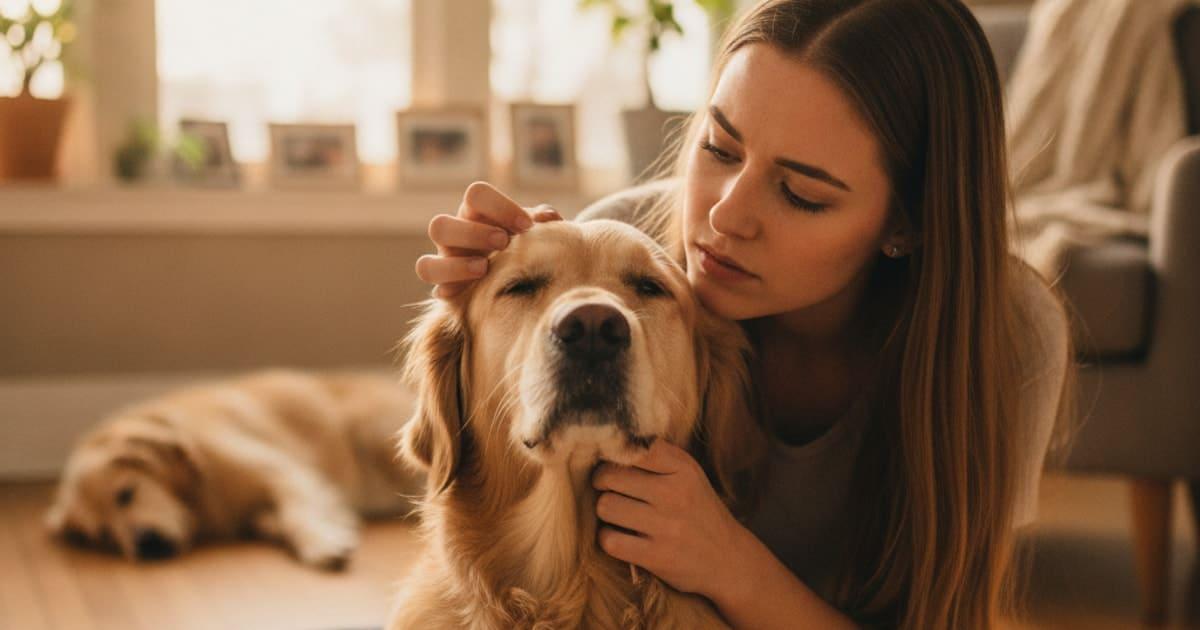
If your dog's eye is twitching while they are awake, book a veterinary exam rather than waiting to see whether it settles, because a fluttering, squinting or spasming eyelid in a conscious dog is usually a pain or irritation signal rather than a harmless tic. Go the same day if the eye is also red, held shut, watering heavily or cloudy, or if the twitching started suddenly alongside a head tilt, stumbling or circling.
That is the short answer to why is my dogs eye twitching: the eye and the skin around it are packed with nerve endings, and when something hurts, scratches, presses or inflames that area, the lid muscles respond by clamping and fluttering. The dog cannot tell you the eye feels wrong, so the lid does it for them.
What owners actually mean when they say the eye is twitching
Three very different movements get described the same way, and telling them apart is the first thing a veterinarian will do.
The first is blepharospasm, a spasm of the eyelid itself. The lid flickers, partially closes, or snaps shut and reopens. This is the classic appearance of a dog eye twitching and closing, and in a dog that is awake it points toward discomfort.
The second is a fine ripple in the muscle and skin around the eye, the brow or the cheek. The eyelid is not really opening and closing; the tissue around it is quivering. This is muscle twitching, sometimes called fasciculation, and it can come from irritation of the facial nerve or the small muscles that drive the lid.
The third is nystagmus, where the eyeball itself drifts in one direction and jerks back. The lids are not doing anything unusual. The globe is moving on its own. That is a balance or nervous system sign, not an eye-surface sign, and it belongs in a different urgency category entirely.
| What you see | What it can mean | How soon to act |
|---|---|---|
| Rapid eyelid flutter or squinting while awake | Pain or irritation on the eye surface, under the lid, or in the lid itself | Same day if constant, severe, or paired with redness or discharge |
| Fine ripple in the muscle or skin around the eye or cheek | Irritation of the facial nerve or fatigue in that small muscle group | Vet visit soon, especially if it repeats over days or spreads |
| The eyeball itself drifting then jerking back | A balance, inner ear or nervous system problem rather than a surface problem | Urgent, particularly with head tilt, falling or circling |
| Lids, whiskers or paws twitching while asleep | Normal sleep movement | No action needed if your dog wakes normally and behaves normally |
Why an eye twitches while your dog is awake
So do dogs eyes twitch for innocent reasons? Sometimes. A tired muscle, a stray hair, dust, a gust of wind or a moment of tension can produce a brief flicker that disappears within minutes and never comes back. The twitches that matter are the ones that persist, repeat, or come with other changes.
The explanations a veterinarian works through include:
Surface injury or a foreign body. A corneal scratch, a grass awn tucked under the third eyelid, a grass seed in the lid margin, or sand and grit after a windy walk. These hurt, and the lid spasms to protect the eye.
Eyelash and eyelid conformation problems. Lashes growing in the wrong place or from the wrong spot, or a lid that rolls inward so hair rubs the cornea with every blink. Dogs born with these can twitch and squint on and off for a long time before anyone connects the dots.
Inflammation inside or on the eye. Conjunctivitis, inflammation inside the eye, or inflammation of the cornea. These typically produce a dog eye twitching and red appearance, often with discharge.
Dry eye. When tear production drops, the surface becomes gritty and painful. Dogs blink hard, squint, and may have a thick, sticky discharge.
Raised pressure inside the eye. Glaucoma is painful and can change the look of the eye, the pupil size and the dog's behaviour. It needs prompt veterinary attention.
Facial nerve irritation. The nerve that controls blinking runs close to the ear canal. Ear disease, inflammation along that path, or trauma can leave an eye twitching, drooping or blinking abnormally on one side.
Allergic or chemical irritation. Pollen, smoke, cleaning products, shampoo and dust all irritate the ocular surface, and watering and blinking follow.
Neurological causes. Focal seizure activity, inner ear or vestibular disease, pressure on nerves, and some infections carried by ticks can all produce abnormal eye and facial movement. These usually bring other signs with them, such as a head tilt, loss of balance, a changed gait, drooling or altered behaviour.
Pain somewhere else in the head. Dental disease, jaw pain and ear pain can all make a dog hold one eye tighter than the other.
The pattern matters as much as the twitch. Note whether it is one eye or both, whether it is constant or comes in bursts, whether it worsens in bright light, and whether your dog is rubbing the eye on furniture or with a paw. Take a short video on your phone. A twitch has a habit of stopping the moment you reach the consulting room, and footage is genuinely useful to the vet.
Twitching during sleep is a different conversation
Many owners search for dog eye twitching meaning after watching their dog sleep. Movement of the eyes under closed lids during sleep is normal. Dogs cycle through a sleep stage in which the eyes move, the whiskers flicker, the paws paddle and the dog may whimper or breathe faster. It is ordinary sleep behaviour and does not call for a vet visit.
What separates that from a concern is consciousness and recovery. A dreaming dog wakes when you speak their name, orients to you, and goes back to normal straight away. A dog having a neurological episode may not respond, may be stiff or paddling rigidly, may drool or lose bladder control, and may seem disoriented afterwards. If you cannot rouse your dog, or they seem lost or distressed once awake, that is a call to your veterinarian, and to an emergency clinic if it is out of hours.
Twitching that happens while your dog is awake, alert and standing is the version that deserves closer attention, because the protective reflexes that mask small problems during sleep are not in play.
Red, watering or held shut: the combinations that raise the urgency
A twitch on its own, lasting seconds, in an otherwise bright and comfortable dog, is worth monitoring. A twitch in combination with any of the following should be treated as a prompt veterinary problem:
- A dog eye twitching and watering, with clear overflow running down the face
- Thick, yellow, green or bloody discharge
- Redness of the white of the eye or the inner lid
- The eye held partly or fully closed, or pawing and face-rubbing
- Cloudiness, haze, a blue or grey tint, or a visible mark on the surface
- A pupil that looks larger, smaller or a different shape from the other side
- Swelling of the lid, the surrounding face, or the third eyelid coming across
- Bumping into things, hesitancy on stairs, or reluctance to go outside in daylight
- Head tilt, circling, falling, a change in gait, or sudden behaviour change
- Any twitch that followed a knock, a fight, a fall, or a run through long grass
A twitching, squinting or half-closed eye in a dog that is awake should be treated as a pain signal until a veterinarian has examined it. Eyes deteriorate faster than most other tissues, and a surface problem that looks minor one morning can look very different by the following day.
What the vet examines, and what happens next
People often search for dog eye twitching while awake treatment hoping for something to do at home. The honest answer is that there is no home step worth taking, because the right action depends entirely on which of those causes is present, and you cannot tell them apart by looking. Nothing should go into the eye before a veterinarian has assessed it.
An eye examination is quick and mostly non-invasive. Expect the vet to check vision and reflexes, examine the lids and lid margins, look under the third eyelid, assess the surface of the cornea with a magnifier and a stain that reveals scratches and ulcers, measure tear production if dryness is suspected, and measure the pressure inside the eye. If the picture points away from the eye itself, a neurological examination, an ear examination, blood work or imaging may follow, and some dogs are referred to a veterinary ophthalmologist or neurologist.
From there, the plan belongs to your vet. Two dogs with what looks like the same twitch can turn out to have completely different problems, and results vary from dog to dog. Follow the plan you are given, and talk to your vet before changing anything about it, including any medication already prescribed.
Key Takeaways
- Eye twitching in a dog that is awake is usually a sign of pain or irritation, not a quirk, and warrants a veterinary exam.
- Eyelid spasm, muscle rippling around the eye, and movement of the eyeball itself are three different signs with three different meanings.
- Eye movement during sleep is normal. Inability to rouse your dog, or disorientation afterwards, is not.
- Redness, watering, discharge, cloudiness, an eye held shut, pupil changes or vision trouble raise the urgency to same-day.
- Twitching combined with head tilt, circling, falling or collapse is urgent and should be handled as an emergency.
- A short phone video of the twitch, plus notes on which eye and how often, helps the examination.
- There is no useful home step. What happens next depends on the cause, and only an exam identifies it.
Your veterinarian owns the diagnosis and the plan here. They have the stain, the pressure gauge, the magnification and the training to tell a scratched cornea from a nerve problem in a few minutes, and that distinction is not one an owner can make at home. If your dog's eye keeps twitching, make the appointment and bring your notes with you.
For more on what counts as an emergency and when to head straight to a clinic, see Dog Emergency Signs, and browse related canine conditions for background on the problems a vet will be ruling in or out.
Frequently asked questions
- why is my dogs eye twitching
- Your dog's eye is most likely twitching because something is irritating or hurting it, such as a corneal scratch, a grass seed under the lid, inflammation, dryness or raised pressure inside the eye. Nerve and inner-ear problems can also cause it. Book a veterinary exam rather than waiting to see if it passes.
- why is dogs eye twitching
- A twitching eye in a dog is the eyelid spasming in response to discomfort, a reflex that protects a painful or irritated eye. Foreign material, injury, inflammation, inwardly growing lashes, dry eye and facial nerve irritation all trigger it. Because causes differ so widely, a vet exam is what identifies which one applies.
- why my dog eye twitching
- Twitching usually means the eye is uncomfortable, but it can also come from the muscles or nerves around the eye rather than the eye surface itself. Note whether it is one eye or both, whether the eye is red or watering, and whether your dog is otherwise normal, then talk to your vet.
- what does it mean when your dog eye twitches
- It means the lid muscles are contracting involuntarily, and in a dog that is awake that usually signals pain, irritation or nerve involvement. A brief one-off flicker may mean nothing. A twitch that repeats, lasts, or comes with redness, watering or squinting means your dog needs a veterinary examination.
- do dogs eyes twitch
- Yes. Dogs twitch their eyelids during sleep as part of normal sleep movement, alongside paddling paws and flickering whiskers, and that is nothing to worry about. Twitching while fully awake is different and is usually a sign of discomfort or a nerve issue that a vet should assess.
- why is my dog's eye twitching and watering
- Twitching plus watering suggests the eye surface is being irritated, by a scratch, a trapped foreign body, inflammation, an inward-growing lash or an allergen. Excess tearing is the eye trying to flush the problem away. This combination should be examined promptly, ideally the same day, before the surface worsens.
- My dog's eye keeps twitching and closing. What does that mean?
- An eye that twitches then stays partly or fully shut is a strong pain signal. Dogs hold a painful eye closed to protect it from light and movement. Corneal injury, a foreign body and raised pressure inside the eye all produce this picture, and all need prompt veterinary attention.
- Is there anything I can do at home for a twitching eye?
- No. There is no safe home step, because the correct action depends entirely on the cause, and the causes look identical from the outside. Do not put anything in the eye. Take a short video of the twitch, note which eye and how often, and arrange a veterinary exam.
Educational content, not veterinary advice. Ask your vet about your dog.