Dog Nose Dry and Warm: When to See the Vet
A warm, dry nose cannot show on its own whether your dog is sick. This page covers what can cause it, which signs mean an emergency vet now, and why a same-day vet exam may help find the cause.
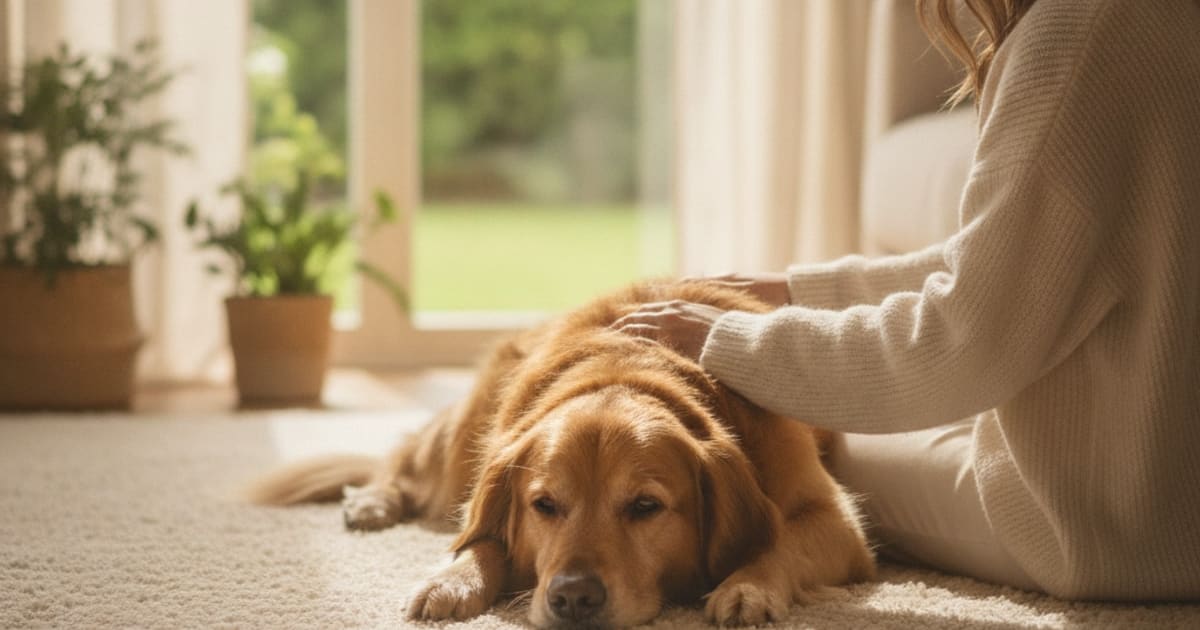
A warm, dry nose is a reason to see a vet, because only an exam can show whether it means your dog is unwell. Go to an emergency vet now if your dog collapses, has trouble breathing, has a seizure, or is panting hard and weak or wobbly after time in heat; otherwise book a same-day appointment. A dog nose dry and warm to the touch can follow sleep, a warm room, time in the sun or dry indoor air, and it can also come with fever, dehydration, heat stress or a problem in the skin of the nose. A cold, wet nose does not prove a dog is well, and a warm, dry nose does not prove a dog is sick, so the vet looks at the whole dog rather than the nose alone, and a vet exam may help find the cause.
When to go to the vet now
Go to an emergency vet now if your dog has any of these:
- Collapse, or not being able to stand or walk
- Trouble breathing, or breathing that is loud or laboured
- A seizure
- Hard panting with weakness, wobbling or confusion after time in heat, sun or a warm car
For a warm, dry nose without these signs, book a same-day appointment. That includes a warm, dry nose with tiredness or low energy, a poor appetite, drinking less than before, vomiting, diarrhea, shivering, hiding, coughing, sneezing or discharge from the nose. It also includes a nose that has started to crack, crust, bleed, form sores or change color. Tiredness deserves a special mention: a dog that is flat, sleeping more than before or not interested in food or play, with a nose that feels warm and dry, needs to be seen today. If that tiredness turns into collapse, or your dog cannot get up, go to an emergency vet now.
Heat is a separate concern. A dog that has been in the sun, a hot room or a parked car and is now panting hard, weak or wobbly can be in serious trouble, and the nose may feel hot and dry. Go to an emergency vet now. The page Dog Emergency Signs sets out other signs that need emergency care.
What can cause a warm, dry nose
A dog's nose stays moist through licking and through a thin layer of fluid made by glands inside the nose. How warm and wet it feels can change across the day, and the feel of the nose is not a reliable guide to health in either direction. There is no single way a dog's nose should feel that proves a dog is well. Your vet thinks about each of the possibilities below during the exam, and more than one can be present at the same time.
Your vet may start with where your dog has been. A dog does not lick its nose while asleep, so the nose can feel dry after a nap. Lying near a heater or fire, time in the sun, warm weather, wind, and dry air from indoor heating or air conditioning can also leave the nose feeling warm and dry. These are possibilities the vet weighs alongside everything else, not an answer you can reach at home, because the same feel can come with illness.
Dehydration is another cause the vet checks. A dog that has been drinking less than before, has been vomiting or has had diarrhea, or has been active in warm weather can lose fluid, and a dry nose can be part of that picture along with tiredness and a poor appetite. The vet assesses hydration during the exam and may suggest blood tests if your dog seems dehydrated.
Fever can leave a dog feeling warm, including the nose and the ears. Infection, inflammation, a reaction after a vaccine, and illness inside the body can all raise a dog's temperature. The nose cannot show a fever, so the vet takes your dog's temperature in the clinic. A dry nose with warm ears can come from a warm room, from fever, or from a problem in the ears themselves, and the vet looks into each of these.
A dog that is unwell for any reason may lick less and drink less, which can leave the nose drier than before. Illness affecting the gut, the kidneys, the hormones or the immune system can show up first as a change in energy, appetite or thirst, with a dry nose alongside. The exam and any tests the vet suggests are what separate these possibilities.
Heat stress and heatstroke can leave a dog hot all over, with a nose that feels hot and dry, hard panting and weakness. This is a cause that needs emergency care. If your dog has been in heat, sun or a warm car and is panting hard, weak, wobbly or collapsing, go to an emergency vet now.
Problems in the skin of the nose can make it dry, rough or cracked. Sunburn, thickening of the nose skin, allergies, skin infections and immune conditions that affect the face are all possibilities your vet may consider. Some of these can also bring crusting, sores, a change in color or bleeding. The page Why Is My Dog's Nose Really Dry and Cracked? covers dryness that comes with cracking, and Is It Bad That My Dog Has a Dry Nose? looks at dryness more broadly.
Allergies can make the face itchy, and a dog that rubs or paws at its face can irritate the nose skin further. Irritation can also come from something the nose touches, such as a new bowl, new bedding or a cleaner used around the home, and the vet may ask about recent changes for this reason.
Your vet may also think about the nerves and glands that keep the face moist. A problem with these can leave the nose drier than before, and it can affect the eye on the same side, so the vet may check the eyes as part of the exam.
A medicine your dog takes, or a condition your dog already has, can also play a part. If your dog has an existing skin, hormone or immune condition, your vet can tell you how a dry nose fits with it. You can read more about skin, hormone and immune problems in the conditions library, and talk to your vet about any question it raises. Whatever the cause turns out to be, book a same-day appointment for a warm, dry nose, and tell the vet about every other sign you have seen.
What your vet may do
The visit starts with questions. The vet asks when you first noticed the warm, dry feel, what your dog was doing at the time, whether anything at home has changed, and what other signs you have seen. Your answers help the vet decide where to look first.
Next comes a full physical exam, not only a look at the nose. The vet takes your dog's temperature to check for fever, listens to the heart and lungs, checks hydration, looks at the gums, eyes, ears and mouth, feels the belly and the lymph nodes, and examines the skin of the nose and face closely. The vet may also look at the paw pads and the rest of the skin, since some skin conditions affect more than one place.
If your dog has a fever, seems dehydrated or is unwell in other ways, the vet may suggest blood tests and a urine test. These can show signs of infection or inflammation, how well your dog is hydrated, and how the organs inside the body are working.
If the skin of the nose has changed, with cracking, crusting, sores, bleeding or a change in color, the vet may take swabs or gentle scrapings from the surface. In some cases the vet may suggest a small skin sample, called a biopsy, taken under sedation or anesthesia, so a laboratory can find out what is affecting the skin.
If there is sneezing, discharge or bleeding from the nose, the vet may suggest imaging of the head or a look inside the nose with a small camera under anesthesia. If the eye on the same side seems dry too, the vet may measure tear production with a simple test in the clinic.
Some of these tests give answers at the visit, and others are sent to a laboratory. The vet explains which tests fit your dog and what each one looks for, and you can ask questions at any point.
Treatment depends on what the vet finds. When there is fever, dehydration, infection, heat stress or a skin condition, the vet treats that cause and explains each step. If the exam finds no illness, the vet may talk with you about your dog's surroundings, such as heating, sun and access to water. Do not put anything on the nose or give any medicine before the vet sees your dog, because this can irritate the skin and change what the vet sees on the exam. Talk to your veterinarian before you change anything about your dog's care.
What to tell your vet
Before the appointment, note these points so you can share them with the vet:
- When you first noticed the warm, dry nose, and what your dog was doing then
- Any change since, such as cracking, crusting, sores, a change in color or a change in how the nose feels
- Any bleeding from the nose, and any sneezing or discharge
- Whether your dog licks, rubs or paws at the nose or face
- Other signs, such as tiredness, panting, vomiting, diarrhea, shivering, coughing, eating less or drinking less
- Time spent in heat, sun or a warm car, and anything new at home, such as a food, bowl, bedding or cleaner
- Any medicines your dog takes and any health conditions your dog already has
A short written note can help, since details are easy to forget in the exam room. If your dog has been drinking less or eating less, say so, even if the change seems small. If anything changes between booking and the visit, tell the clinic when you arrive. If your dog collapses, has trouble breathing, has a seizure, or pants hard and becomes weak or wobbly before the appointment, go to an emergency vet now.
Frequently asked questions
- Is a warm, dry nose an emergency in dogs?
- A warm, dry nose is an emergency when your dog also collapses, has trouble breathing, has a seizure, or is panting hard and weak or wobbly after time in heat. Go to an emergency vet now for any of these. For a warm, dry nose without them, book a same-day appointment so the vet can find the cause.
- What should I do if my dog has a warm, dry nose?
- Call your vet today and book a same-day appointment, so the vet can examine your dog and look for a cause such as fever, dehydration or a skin problem on the nose. Go to an emergency vet now instead if your dog collapses, struggles to breathe, has a seizure, or pants hard and wobbles after heat.
- Can I treat a warm, dry nose at home?
- No, because the cause needs a vet exam first. Do not put anything on the nose, and do not remove any crust or scab before the vet sees your dog, as this can hide what the vet needs to see. If the nose is bleeding, hold gentle pressure with a clean cloth on the way to the vet only.
- Why would a dog's nose be warm and dry?
- A dog's nose can feel warm and dry after sleep, in a warm room, in the sun or in dry indoor air. It can also come with fever, dehydration, heat stress, allergies, sunburn or a skin condition of the nose. The feel alone cannot show which, so book a same-day vet appointment to find the cause.
- Does a warm, dry nose mean my dog is sick?
- Not on its own, because nose warmth and moisture can change with sleep, weather and indoor air, and a cold, wet nose does not prove a dog is well either. What counts is the whole dog. Book a same-day vet appointment so the vet can examine your dog and check for fever, dehydration or illness.
- What if my dog's nose is dry and warm and my dog seems tired?
- A warm, dry nose with tiredness, low energy or less interest in food is a reason for a same-day vet visit, because these together can come with fever, dehydration or illness. If the tiredness turns into collapse, your dog cannot stand, has trouble breathing or has a seizure, go to an emergency vet now.
- What does a dry nose and warm ears mean in a dog?
- A dry nose and warm ears together can follow a warm room, sun or sleep, and they can also come with fever or a problem in the ears. Feeling the ears cannot show a fever, so book a same-day vet appointment. The vet takes your dog's temperature and examines the ears, nose and whole body.
- What is the treatment for a warm, dry nose in a dog?
- Treatment depends on the cause the vet finds. Fever, infection, dehydration, heat stress and skin conditions of the nose each need a different plan, which is why the exam comes first. Do not put anything on the nose or give any medicine before the vet sees your dog, and talk to your vet about each step.
- Can I tell if my dog has a fever by feeling the nose?
- No, because a dog's nose can feel warm or cool for reasons that have nothing to do with body temperature, such as sleep, sun and indoor air. The vet checks for fever by taking your dog's temperature in the clinic. If your dog has a warm, dry nose and seems unwell, book a same-day vet appointment.
Educational content, not veterinary advice. Ask your vet about your dog.