How Often to Bathe a Dog With Yeast Infection? (Frequency)
Dogs with a veterinary-diagnosed yeast overgrowth are usually bathed with a medicated shampoo several times a week at first, then tapered as the skin settles — but the exact cadence belongs to your vet, because frequency depends on the product, the contact time and how your dog's skin responds.
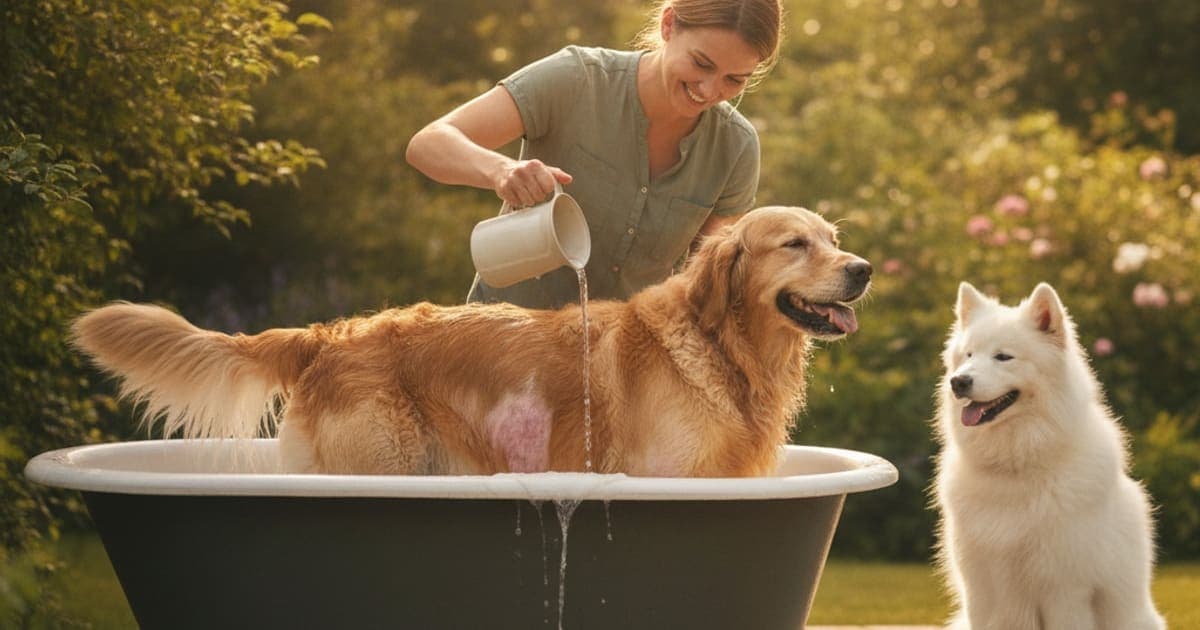
If a veterinarian has diagnosed a yeast overgrowth — most often Malassezia, a yeast that lives harmlessly on normal dog skin until conditions let it multiply — medicated bathing is usually frequent at the start of a flare and tapered as the skin settles. Antifungal shampoo plans commonly begin at two to three baths per week while the skin is red, greasy and odorous, then step down to roughly weekly as things improve, with some relapse-prone dogs staying on a long-term maintenance rhythm.
That is a starting point, not a prescription. Your vet sets the actual schedule, because it depends on which shampoo you are using, how severe and widespread the overgrowth is, whether the ears, paws or skin folds are involved, and what else is being treated at the same time. A dog with yeast between every toe and a dog with one inflamed armpit do not need the same plan.
Contact time matters more than the calendar
Most owners who feel their medicated shampoo "isn't working" are not bathing too rarely. They are rinsing too soon.
Antifungal and antibacterial shampoos work on the skin surface, and the active ingredients need to sit in contact with that surface to do anything. Labels for veterinary medicated shampoos routinely specify a lather-and-wait period of around ten minutes before rinsing. A medicated shampoo rinsed off after two minutes is closer to a rinse than a treatment, and contact time is where most home bathing quietly fails.
The technique that makes each bath count:
- Soak the coat completely first. Dense double coats repel water far longer than owners expect, and shampoo that never reaches skin never reaches the yeast.
- Work the lather down to the skin, not through the fur. Yeast overgrowth lives at the surface of the skin and in the lipid film on it.
- Set a timer for the contact period on the label. Ten minutes feels much longer than it sounds when a wet dog is standing in a tub, so give yourself something to do — gentle massage over the affected areas works.
- Rinse until the water runs completely clear. Shampoo residue is itself irritating.
- Dry thoroughly, especially into skin folds, armpits, the groin, the base of the tail and between the toes. Warm residual moisture in a fold is exactly the environment yeast prefers.
That last step is the one people skip. A perfectly executed ten-minute medicated bath followed by a damp dog left to air-dry in a crate can undo much of the benefit.
Bathing rhythm, condition by condition
Frequency changes with the diagnosis, because the bath is doing a different job in each case. The table below is orientation — the specific number comes from your veterinarian and the product label.
| Condition | Common rhythm during an active phase | What the bath is doing |
|---|---|---|
| Yeast overgrowth (diagnosed) | Several times weekly, tapering toward weekly | Reduces surface organism load and the oily debris it feeds in |
| Fleas | Occasional, not routine; preventive does the real work | Removes some adult fleas, flea dirt and irritation; no lasting residual |
| Environmental or food allergy | Often weekly, sometimes more, long-term | Rinses allergens off the coat and rehydrates a leaky skin barrier |
| Undiagnosed itchy skin | Hold frequency steady and get a diagnosis first | Comfort only; blind bathing can mask the pattern a vet needs to see |
| Dandruff or greasy seborrhea | Varies entirely by cause | Lifts scale and surface oil, or stops stripping skin that is already dry |
| Mange (mites) | Strictly per the vet's protocol | Supports a prescribed parasite plan; frequency is not an owner decision |
| Healthy dog, no skin disease | Every few weeks to monthly | Routine hygiene only |
Allergic and chronically itchy dogs are the group most often under-bathed. For dogs with atopic dermatitis, bathing is a genuine part of the plan rather than cosmetic upkeep: it physically removes pollen and other allergens sitting on the coat, cools inflamed skin and, with the right shampoo, helps a compromised barrier hold moisture. Many dermatology plans use a weekly bath, and some use more during pollen-heavy stretches. Use lukewarm water rather than hot — heat intensifies itch — and never use human shampoo, which is formulated for a different skin pH.
Dogs with "skin problems" that have not been identified are a different case. Itch, odour, flaking, redness and hair loss have overlapping causes: yeast, bacterial infection, mites, fleas, allergy, and hormonal disease can all look broadly similar at arm's length. A skin cytology or skin scrape takes minutes in the clinic and separates them. Talk to your veterinarian before committing to weeks of a shampoo chosen from a shelf, because the wrong product at the wrong frequency can inflame skin further and blur the picture when you finally do get it examined.
Fleas: washing, timing, and the window around spot-on products
Bathing does not control fleas. A bath drowns and rinses away some adults and clears out flea dirt, which is worth doing when a dog comes in visibly infested, but shampoo leaves little to no residual protection and does nothing about eggs and larvae in bedding, carpet and floorboards.
So the honest answer to how often to wash a dog with fleas is: rarely, and not as the strategy. One bath to clean up and relieve an irritated dog is reasonable; weekly flea-shampoo baths on top of a proper preventive tend to dry out skin that is already inflamed from flea-allergy reactions. The combination that resolves an infestation is a veterinarian-selected preventive, consistent dosing for every pet in the household, and serious attention to the environment.
On timing around flea treatments, the product label governs — and this genuinely varies between products, so it is worth reading rather than guessing. Topical spot-on treatments need time to disperse through the skin's oil layer, and most carry a specified waiting period both before and after application during which the dog should not be bathed or swum. Shampooing too close to application can reduce how well the product spreads and persists. Oral preventives are not affected by bathing at all. If the insert is long gone, your vet or the manufacturer's current label will tell you the exact window for the product in your hand.
Flaking, mites, and when washing more makes things worse
Dandruff is a symptom, not a diagnosis, and the correct bathing frequency depends entirely on what is behind it. Dry, fine flaking in a dog with a dull coat may reflect low ambient humidity, nutrition, or — commonly — over-bathing with a degreasing shampoo. Greasy, waxy scale with odour points more toward seborrhea or secondary yeast and bacteria. Scale with hair loss can indicate parasites or endocrine disease. Adding more baths to the first type makes it worse; the second type often needs a specific medicated product on a defined schedule.
Mange follows the protocol and nothing else. Sarcoptic and demodectic mange are mite infestations diagnosed by skin scrape or trial treatment, and modern management usually centres on prescription parasiticides rather than dips. Where medicated baths are included, the frequency is part of a written plan from the clinic, adjusted as scrapes are repeated. This is not a condition to self-manage from a search result.
The general failure mode across all of these is over-washing. Skin holds a lipid barrier that keeps water in and irritants out. Strip it repeatedly and you get a drier, itchier, more reactive dog — which looks like the original problem getting worse and tempts owners into bathing more often still. Watch for increased flaking, a coarse or brittle coat, new scratching that starts a day or two after a bath, and skin that looks tight or pink without infection. Those are signals to talk to your veterinarian about dialling frequency back or changing the formulation, not to escalate.
Where soft-tissue recovery fits around a skin plan
Skin disease rarely arrives alone. Dogs that are uncomfortable lick, chew and scratch, and persistent licking focused over a single joint — a carpus, a hock, an elbow — is worth flagging to your vet, because that pattern sometimes tracks an orthopaedic source of pain rather than a primary skin problem. Sorting out which one you are looking at is a clinical job.
For the mobility and soft-tissue side of that picture, pawgen makes K9-REPAIR, a combination of BPC-157 and TB-500 formulated for dogs. These are peptides, not drugs, and they are not FDA-approved veterinary medicines; nothing here is a treatment for yeast, mites, fleas or allergic skin disease. What the published research on these molecules describes is mechanism: BPC-157 has been studied for its effects on blood vessel formation and fibroblast activity in connective tissue models, and TB-500 is derived from thymosin beta-4, an actin-binding peptide involved in cell migration and tissue remodelling. Research suggests these pathways matter in how tendon, ligament and other soft tissue repair themselves, which is why owners increasingly choose this stack through recovery periods and across the slower, stiffer years of a dog's life.
What pawgen can state flatly is descriptive: what is in the vial, third-party testing with published certificates of analysis, weight-based dosing worked out with your veterinarian rather than guessed at, direct-to-door shipping, and a 60-day money-back guarantee. That is a deliberate contrast with the underdosed kitchen-sink chew, where fifteen ingredients appear on a label and not one of them appears at a meaningful amount.
Key Takeaways
- For diagnosed yeast overgrowth, medicated bathing is typically frequent during a flare and tapered as the skin improves; your vet sets the schedule.
- Contact time is as important as frequency — lather to the skin and leave it on for the period the label specifies before rinsing.
- Drying completely, especially in folds and between toes, is part of the bath, not an afterthought.
- Allergic dogs are usually under-bathed; itchy dogs with no diagnosis are usually bathed too hopefully.
- Bathing is not flea control. A vet-selected preventive plus environmental cleanup is, and the product label dictates the wait window around a topical spot-on.
- Mange and dandruff both need a cause identified before any frequency is chosen.
- Over-bathing strips the skin barrier and can imitate the problem you are trying to solve.
Get the diagnosis first. Your veterinarian owns the skin work-up, the medicated shampoo choice, the prescription if one is needed, and the bathing schedule that goes with it — and everything else, including nutrition and any peptide or supplement you add, operates in the space that proper veterinary care creates.
More on pawgen's third-party batch testing is published in the certificates of analysis, the full range including K9-REPAIR is listed in the shop, and shipping details are set out on the location page.
Owners exploring peptide support for their dog can review K9-REPAIR — BPC-157 + TB-500 formulated for dogs — at https://pawgen.com/. BPC-157 and TB-500 are not FDA-approved veterinary drugs. Nothing in this article treats, cures or prevents any condition; every decision about your dog's care belongs with your veterinarian.
Frequently asked questions
- How often to bathe a dog with yeast infection?
- Medicated bathing for a diagnosed yeast overgrowth is usually frequent at first — commonly two to three times weekly during an active flare — then tapered toward weekly as redness, odour and greasiness improve. Your vet sets the exact cadence based on the shampoo, severity and which body sites are involved.
- How often to bathe a dog with fleas?
- Rarely, and not as your flea strategy. One bath to remove adult fleas, flea dirt and irritation is reasonable, but shampoo leaves no lasting protection. Repeated flea baths dry already-inflamed skin. A veterinarian-selected preventive for every pet plus thorough environmental cleaning is what ends an infestation.
- How often to bathe a dog with skin allergies?
- Allergic dogs are usually bathed more often than owners expect — many dermatology plans use a weekly bath, sometimes more during heavy pollen periods. Bathing physically rinses allergens off the coat and helps rehydrate the skin barrier. Use lukewarm water and the shampoo your veterinarian specifies, never human shampoo.
- How often to bathe a dog with allergies?
- Weekly is a common baseline for allergic dogs, adjusted by your vet according to season, severity and the product used. The bath is part of the treatment plan rather than hygiene. Lukewarm water, lather worked down to the skin, full rinsing and complete drying all matter as much as frequency.
- How often to bathe a dog with itchy skin?
- If the itch has not been diagnosed, hold your current frequency and book a skin exam rather than escalating baths. Yeast, bacteria, mites, fleas and allergy all look similar from the outside and need different schedules. A cytology or skin scrape takes minutes and settles which plan applies.
- How often to bathe a dog with skin problems?
- It depends entirely on the cause, which is why diagnosis comes first. Infected or greasy skin often needs frequent medicated baths with proper contact time; dry, flaking skin usually needs fewer. Bathing blind can inflame skin further and obscure the pattern your veterinarian needs to see.
- How often to bathe a dog with dandruff?
- Dandruff is a symptom, not a diagnosis. Fine dry flaking is often made worse by frequent degreasing shampoos, while waxy, odorous scale may need a specific medicated product on a set schedule. Have your vet identify the cause — parasites, seborrhea, nutrition and hormonal disease all present as flaking.
- How often to bathe a dog with mange?
- Follow the clinic's protocol exactly. Mange is a mite infestation diagnosed by skin scrape and managed mainly with prescription parasiticides; where medicated baths are included, frequency is part of a written plan and adjusted as repeat scrapes are done. This is not a condition to self-manage at home.
- How long to bathe a dog after flea treatment?
- The product label governs, and it varies between products. Topical spot-ons need time to disperse through the skin's oil layer and typically specify a waiting period before and after application with no bathing or swimming. Oral preventives are unaffected by bathing. Check the insert or ask your veterinarian.
Educational content, not veterinary advice. Ask your vet about your dog.