How to Get a Dog to Drink More Water When Sick (What Helps)
To get a sick dog to drink more water, make the water taste like food, bring bowls to wherever the dog is resting, and deliver fluid through meals as well as the bowl. Broth, soaked food, fountains and ice chips all work. Refusal to drink needs a veterinary call.
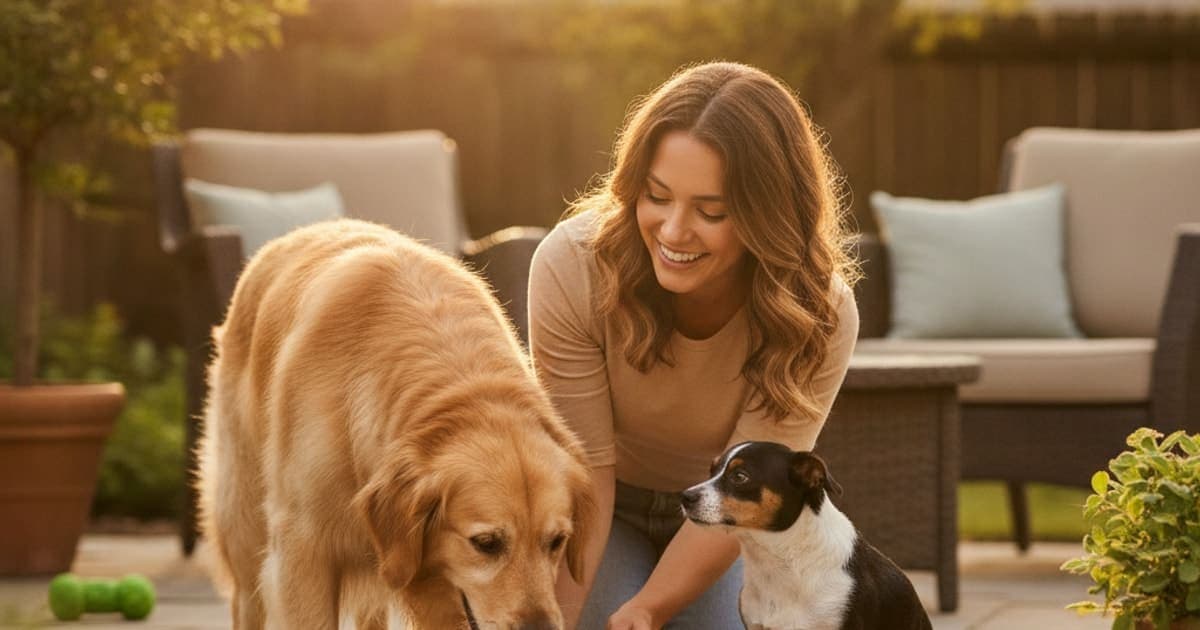
To get a sick dog to drink more water, make the water taste like food, bring the water to the dog instead of asking the dog to come to it, and move fluid in through meals as well as through the bowl. In practice that means low-sodium broth or the plain water from boiled chicken stirred into the bowl, water added to every meal, bowls on every floor the dog uses, a fountain for dogs who prefer moving water, and ice chips or frozen broth cubes for dogs who will lick but not lap. If your dog is refusing water completely, bringing it back up, or showing tacky gums and skin that stays tented when you lift it, that is a call to your veterinarian, not a home project.
The rest of this page is the full tactic list, what works, who it works for, and what to avoid, plus the scenarios that change the plan, like post-surgical recovery or a dog on prescribed medication.
Why a sick dog stops drinking, and when it stops being a home problem
Dogs drink less when they feel unwell for a handful of ordinary reasons: nausea makes the thought of a full stomach unappealing, fever and lethargy suppress the urge to get up, pain from a joint, a tooth or a surgical site makes the walk to the bowl and the head-down posture uncomfortable, and anaesthesia leaves some dogs groggy and disinterested for the rest of the day. Illness that affects the kidneys, the gut or the mouth changes drinking behaviour in its own ways, which is exactly why the reason matters more than the tactic.
Hydration support is supportive care, not a diagnosis: the fastest route to a dog who drinks again is usually addressing the reason they stopped.
Signs that move this from the kitchen to the clinic include gums that feel dry or tacky instead of slick, skin over the shoulders that stays peaked when you lift and release it, sunken-looking eyes, no urination over a long stretch, repeated vomiting, collapse or marked weakness. Dehydration compounds quickly in small dogs, puppies and seniors. Call your veterinarian in those cases: fluids given under the skin or intravenously do in minutes what a bowl cannot do in hours, and that is a decision only a vet should make.
Make the water taste like something worth drinking
Flavour is the single highest-yield lever, because a dog who has no appetite for water often still has an appetite for food smells.
- Low-sodium broth. Plain bone broth or unsalted chicken or beef broth stirred into fresh water is the classic. Check the label and confirm it contains no onion, garlic, chives, leek or xylitol, all of which are unsafe for dogs. A splash is enough to change the smell of the whole bowl.
- Chicken or fish water. The water left from poaching plain, unseasoned chicken, or the water drained from tuna packed in water, works the same way and costs nothing extra.
- Goat milk or dog-formulated milk replacers. Many dogs will lap these when they will not touch water. Introduce new foods slowly, particularly in a dog whose stomach is already upset.
- Frozen flavour cubes. Freeze broth into cubes and offer them as treats, or drop one into the bowl so the water flavours gradually as it melts.
- Hydration toppers and electrolyte powders made for dogs. These exist and many owners use them. Human sports drinks are not a substitute; sugar and sodium loads are formulated for a different species.
If you are looking for how to get a dog to drink more water naturally, this is the natural end of the spectrum: food-derived flavour, nothing pharmaceutical, nothing invasive.
Change the bowl and where it sits
Plenty of dogs are not refusing water so much as refusing that water, in that bowl, in that spot.
Put water in more places. A bowl in the room where your dog is actually resting removes the trip entirely, and a sick dog who will not walk down a hallway will often drink from a bowl beside the bed. Multiple stations on every floor is the most reliable change you can make at home.
Swap the bowl. Stainless steel and ceramic hold less odour and bacteria than scratched plastic, and plastic can develop a taste dogs dislike. Wide, shallow bowls help dogs who dislike their whiskers brushing the sides. Raised bowls help arthritic dogs, long-backed dogs and post-surgical dogs who find bending down painful: for a dog recovering from an orthopaedic procedure, height can matter more than flavour.
Refresh the water more often. Cool, clean water refilled several times a day is more appealing than water that has sat warming since breakfast, collecting hair and film. Wash the bowl daily.
Try a fountain. Circulating water stays cooler, tastes fresher and attracts dogs who were bred around moving water. Fountains are one of the most frequently recommended fixes in owner forums, and the usual caveat applies: clean and change the filter on schedule, because a neglected fountain is worse than a clean bowl.
And check the obvious: a bowl beside a noisy appliance, in a room the dog avoids, or guarded by another pet in the household will not get used.
Deliver water through food, not just the bowl
This is where the real volume comes from in a sick dog, because food still has pull when water does not.
Add water or broth to every meal. Kibble soaked until soft swells with the liquid, and a dog who eats a bowl of softened food has taken in meaningful fluid without drinking a drop. Canned and wet food is mostly water by weight, which is why many owners switch to wet food during illness and recovery.
For dogs who will lick but not lap, spread something soft and wet on a lick mat, or offer ice chips and frozen treats. Licking is a lower-effort behaviour than lapping and often happens when nothing else will.
Syringe feeding of water is the last home tactic, and only with veterinary direction. Done wrong it risks aspiration. Your vet will show you the correct technique: small amounts at a time, aimed into the cheek pouch rather than the back of the throat, with the dog's head level and never tipped back. Never force water into a dog who is vomiting, semi-conscious or struggling to swallow.
Which method to reach for first
| Method | Best for | Effort | Watch for |
|---|---|---|---|
| Broth or chicken water in the bowl | Nausea, low appetite, fussy drinkers | Low | Onion, garlic, xylitol, high sodium |
| Water added to kibble or wet food | Any dog still eating | Low | Introduce changes gradually |
| Multiple bowls near resting spots | Painful, post-surgical, elderly dogs | Low | Daily washing, fresh refills |
| Pet water fountain | Dogs who prefer moving water | Medium | Filter changes, noise sensitivity |
| Ice chips and frozen broth cubes | Dogs who lick but won't lap | Low | Dogs with dental pain may refuse |
| Raised or wide shallow bowl | Arthritic, long-backed, whisker-sensitive dogs | Low | Correct height for the dog |
| Lick mat with wet food | Dogs needing low-effort intake | Low | Supervise, clean after use |
| Syringe or oral sipping | Veterinary-directed only | High | Aspiration risk, get shown the technique |
When the usual advice needs adjusting
After surgery or an orthopaedic injury
A dog recovering from a cruciate repair, a fracture plate or a soft-tissue surgery often drinks less for mechanical reasons: a cone makes the bowl hard to reach, standing hurts, and anaesthesia blunts appetite. Remove the cone only if your vet has said it is safe to do so under supervision, use a cone-friendly or raised bowl, and bring the water to the crate or pen.
On prescribed medication
Some medications change thirst, appetite or urination, and some need to be given with food or water. Never stop or adjust anything your vet prescribed because your dog is drinking less; your vet can discuss medication options. Report the change instead; it is useful clinical information.
Small breeds and seniors
Small dogs have less margin. A toy breed who skips a day of drinking is in a different position from a large dog who does the same. Seniors may be drinking less because of dental pain, cognitive change or stiffness on the way to the bowl. Both groups warrant earlier veterinary contact rather than more home experimentation.
Sudden increases in thirst
The opposite problem matters too. A dog who suddenly starts drinking far more than usual, or urinating far more, should be seen: that pattern can accompany several medical conditions and is not something to manage at home.
Hydration, recovery and the support owners stack alongside it
Water is the baseline for recovery: fluid status affects circulation, tissue perfusion and how a dog feels about moving at all. For dogs working back from a joint, tendon or ligament problem, owners increasingly pair the practical side of recovery, hydration, controlled exercise, the rehab plan from their vet, with targeted peptide support.
That is what pawgen formulates K9-REPAIR for. It combines BPC-157, a synthetic peptide based on a sequence identified in gastric juice, with TB-500, a synthetic fragment related to thymosin beta-4. Published research in animal models suggests BPC-157 interacts with pathways involved in blood vessel formation and the behaviour of tendon and ligament fibroblasts, while TB-500 is studied for its role in actin regulation and cell migration: the processes tissue uses when it remodels. This is promising science that owners are adopting through recovery, and the honest framing is that research suggests mechanisms and owners report their observations, with results that vary from dog to dog. BPC-157 and TB-500 are not FDA-approved veterinary drugs, and nothing here is a claim about what will happen in your dog.
What pawgen can say plainly is descriptive: K9-REPAIR is weight-based, third-party tested with certificates of analysis published for each batch, shipped direct to your door, and backed by a 60-day money-back guarantee. Dosing is a conversation to have with your veterinarian, not a number to take from a blog post. That standard, tested, documented, specific, is worth holding every product to, including the underdosed kitchen-sink joint chews that bury a trace of eight ingredients behind a proprietary blend.
Key Takeaways
- Flavour first: low-sodium broth, plain chicken water or tuna water changes the smell of the bowl and is the highest-yield home tactic.
- Bring water to the dog: bowls in every resting spot beat one bowl in the kitchen, especially after surgery.
- Food is a water delivery system: wet food, soaked kibble and lick mats add real fluid volume to a dog who still eats.
- Fountains, clean stainless or ceramic bowls, raised heights and frequent refills fix refusals that have nothing to do with thirst.
- Avoid onion, garlic, chives, leek, xylitol and human sports drinks.
- Tacky gums, tented skin, repeated vomiting, no urination or collapse mean call the vet now.
- Syringing water is a veterinary-directed technique because of aspiration risk.
- Never stop or change a prescribed medication because your dog is drinking less: report it instead.
Your veterinarian owns the diagnosis and the treatment plan: the fluids, the imaging, the surgery decision, the prescriptions and the rehab schedule. Everything in this article, the broth, the bowl placement, the fountain, the wet food, and everything pawgen makes operates in the space that proper veterinary care creates, supporting a dog who is already getting the right medical treatment. Talk to your veterinarian about why your dog stopped drinking before you spend another day troubleshooting the bowl.
You can review third-party certificates of analysis on the COAs page, see current formulations on the shop page, check shipping availability on the location page, or start at pawgen.
Owners exploring peptide support for their dog can review K9-REPAIR, BPC-157 + TB-500 formulated for dogs, at https://pawgen.com/. BPC-157 and TB-500 are not FDA-approved veterinary drugs. Nothing in this article treats, cures or prevents any condition; every decision about your dog's care belongs with your veterinarian.
Frequently asked questions
- How to get a dog to drink more water when sick
- Add low-sodium broth or plain chicken water to the bowl, place bowls right beside where your dog is resting, and add water to every meal so food carries fluid. Ice chips and lick mats help dogs who will lick but not lap. Refusal to drink or tacky gums needs a veterinary call.
- How to get a dog to drink more water at home
- Put multiple clean bowls on every floor, refresh the water several times daily, switch from scratched plastic to stainless steel or ceramic, and flavour the water with unsalted broth. Soaking kibble or feeding wet food adds significant fluid without your dog drinking a drop from the bowl.
- How to get a dog to drink more water naturally
- Natural options include unsalted bone broth, the water from poaching plain chicken, water-packed tuna liquid, goat milk, frozen broth cubes and moisture-rich fresh or wet food. Avoid onion, garlic, chives, leek and xylitol entirely, and introduce any new food gradually in a dog with an upset stomach.
- How can i get my dog to drink.more water
- Change three things at once: taste, location and texture. Flavour the bowl with broth, move water to where your dog actually rests, and offer ice chips or a lick mat. A circulating fountain converts many dogs who ignore still water. Persistent refusal warrants a veterinary appointment.
- How do i get dog to drink more water
- Start with the easiest wins: fresh cool water refilled often, a clean stainless or ceramic bowl, extra bowls near resting spots, and a splash of low-sodium broth. Then add moisture through food: wet food or soaked kibble. Raised bowls help arthritic or post-surgical dogs reach water comfortably.
- How to get dog to drink more water reddit
- The tactics owners share most often in forums are pet water fountains, low-sodium bone broth, ice cubes as treats, switching to wet food, adding water to kibble, and keeping bowls in several rooms. They are sensible first steps, but forum advice never replaces a veterinary assessment for a sick dog.
- What can you do to make your dog drink more water?
- Make water smell like food, make it easy to reach, and make it part of meals. Broth or chicken water, bowls in multiple rooms, a fountain, wet or soaked food, and frozen treats cover nearly every reason a dog drinks less. Underlying illness still needs diagnosing.
- How to get a small dog to drink more water
- Small dogs dehydrate faster, so act earlier. Use a wide shallow bowl at a comfortable height, keep water in every room they use, and flavour it with unsalted broth. Wet food adds reliable fluid. Contact your veterinarian sooner than you would for a large dog.
- What is the best way to get a dog to drink more water?
- The most reliable single change is adding water or low-sodium broth to food, because a sick dog's appetite for food usually outlasts their interest in a water bowl. Pair it with bowls placed where your dog rests, and a fountain if your dog prefers moving water.
- Can supplements help a dog recovering from a joint or tendon injury?
- Supplements support the space proper veterinary care creates; they never replace surgery, prescriptions or rehab. pawgen makes K9-REPAIR, a weight-based BPC-157 and TB-500 formulation that owners use through recovery, third-party tested with published COAs. These peptides are not FDA-approved veterinary drugs: discuss use and dosing with your veterinarian.
Educational content, not veterinary advice. Ask your vet about your dog.